Tyntesfield is a Victorian Gothic Revival country house and estate near Wraxall, west of Bristol. The Grade I listed house was transformed by the Gibbs family and is known for its ornate rooms, including a library and family chapel. Outside, paths lead through gardens, woodland, parkland, a kitchen garden and an orchard, with routes and play areas for children. Plan time for both the house and grounds; the Home Farm Café serves coffee and homemade cakes when you want a break.
A Victorian house shaped by the Gibbs family
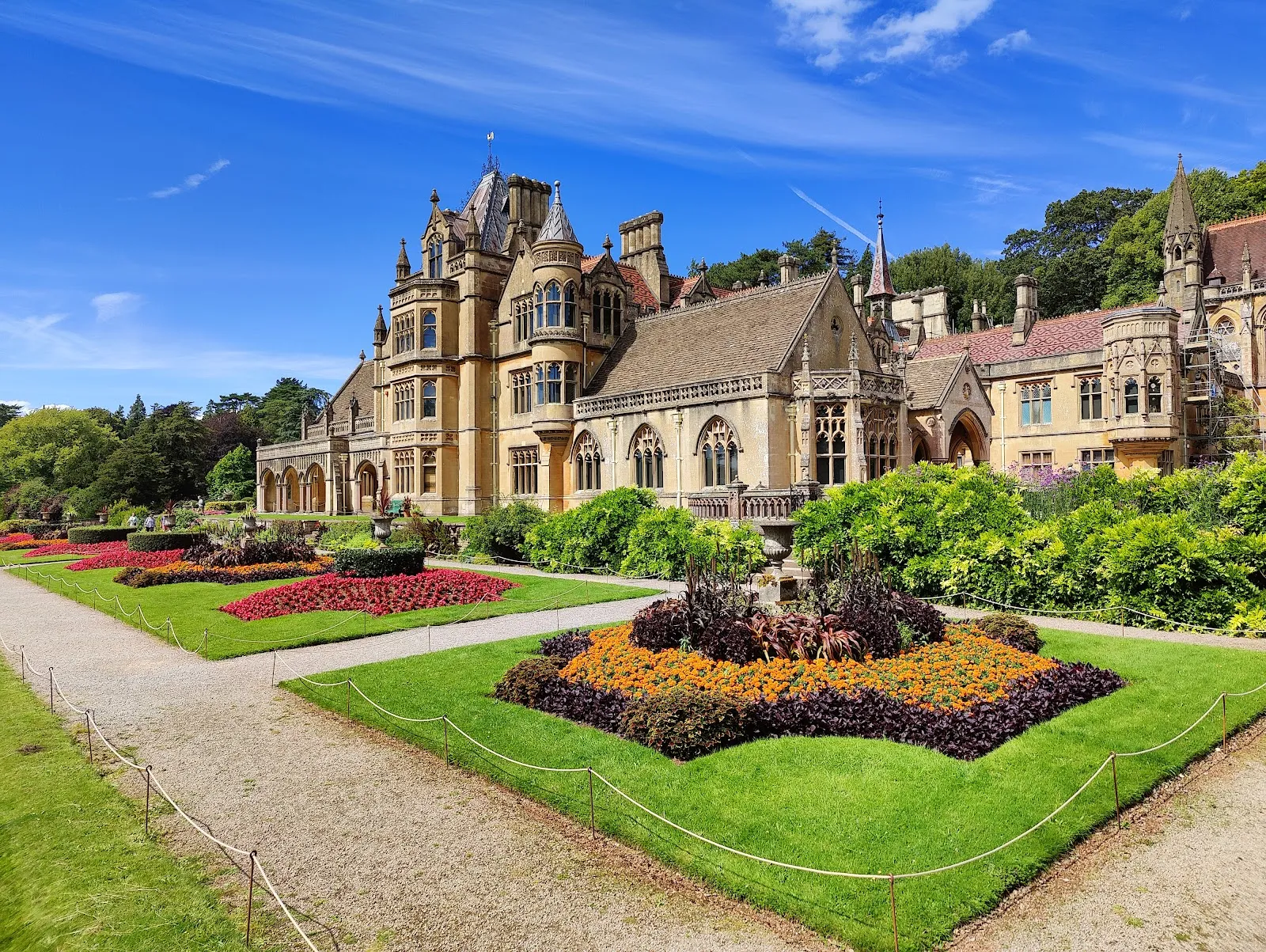
Tyntesfield is a Grade I listed Victorian Gothic Revival house near Wraxall, in North Somerset, west of Bristol. Its name comes from the Tynte baronets, who held estates in the area from around the 15th century. An elm-lined boulevard was established on the estate by 1700.
William Gibbs bought the house in the 1830s. The Gibbs family enlarged and transformed an earlier Georgian house into the Victorian mansion seen today. The National Trust acquired Tyntesfield in 2002 and opened it to visitors soon afterwards. Restoration work continued, allowing more rooms to be included in tours.
Details inside the house
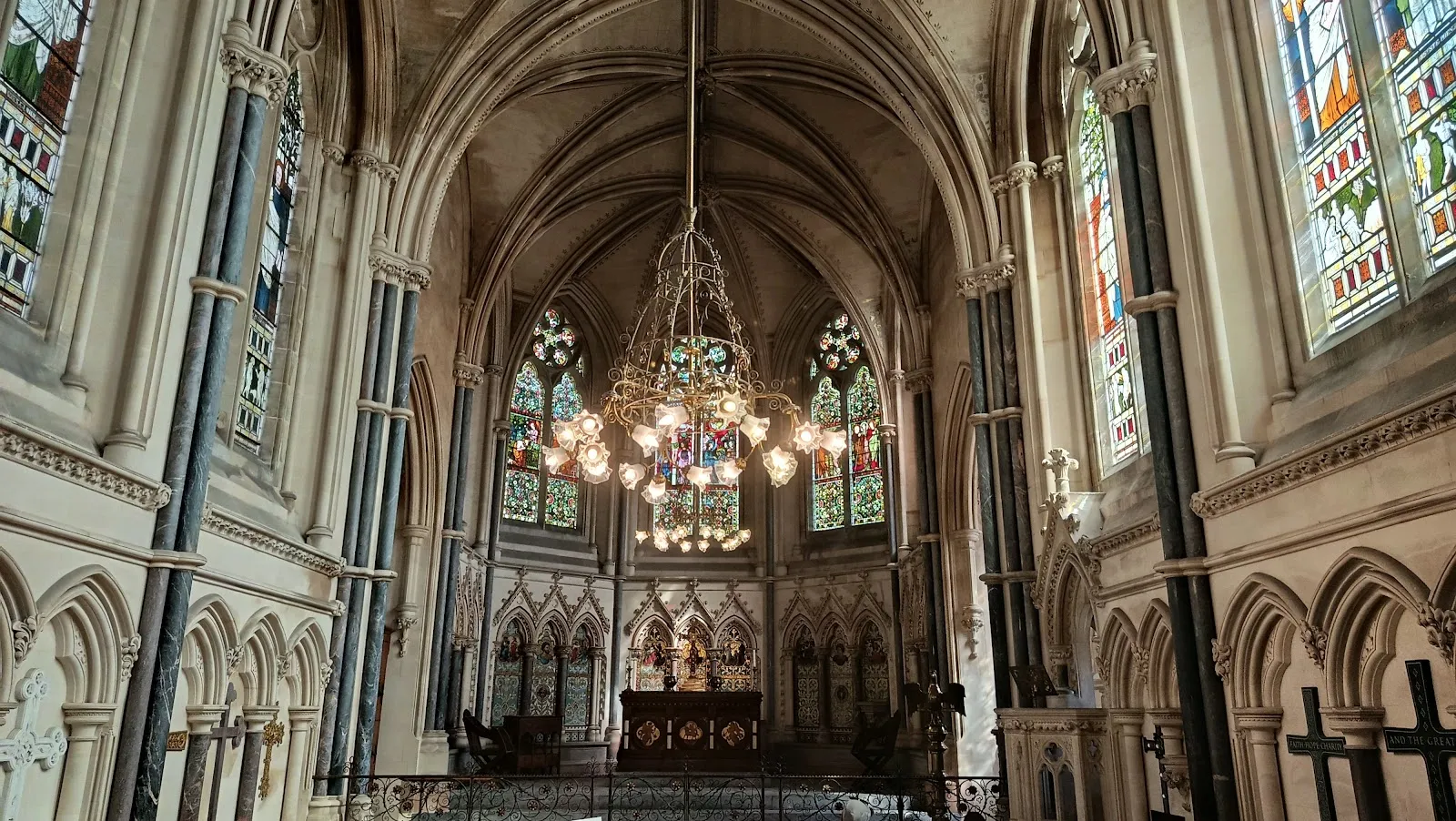
The house has 35 bedrooms and an extensive collection of decorative features, including carved woodwork, stained glass, tiles, original furniture and fabrics. The library and family chapel are among the rooms to look out for. The servants’ quarters also give a sense of how the large household operated.
The interior includes more than 5,000 antiques and works of art. Some details reflect the technology of the 1860s, including a heated billiards table. Visitors can explore selected rooms or join a behind-the-scenes tour when one is available.
Gardens and estate paths
The grounds extend beyond the house into gardens, woodland and rolling parkland. Routes pass flower terraces, an extensive kitchen garden, an orchard, wildflower meadows and ancient woodland. Wildlife and mature trees add interest along the paths, and spring flowers include bluebells and daffodils. In autumn, red ivy on the house and changing leaf colours bring a different look to the estate.
Families can use buggy-friendly walking routes, visit the natural play area and take part in seasonal activities when they are running. Paths are generally well maintained, but some gravel sections are steep. A mobility shuttle operates to help visitors explore the hillier parts of the grounds.
Planning a visit
Allow time for both the house and the wider estate if you want to see more than the main rooms. The Home Farm Café serves coffee and homemade cakes, and the grounds have picnic areas. The site also has toilets, a car park and a gift shop.
The estate can become busy later in the day, so an early arrival can make for a calmer visit. Guided tours and volunteer talks provide more context about the house and its history. Seasonal events and family activities are held at different times of year; check the National Trust’s current information before travelling.
Häufige Fragen
Where is Tyntesfield?
Tyntesfield is near Wraxall in North Somerset, west of Bristol.
What can you see inside Tyntesfield?
The Victorian house has ornate interiors, including a library, a family chapel, servants’ quarters, original furnishings and a collection of antiques and art.
Are there walks at Tyntesfield?
Yes. Paths cross the gardens, woodland and parkland, with routes through areas including the kitchen garden and orchard. Some gravel paths are steep, and a mobility shuttle operates.
Is Tyntesfield suitable for children?
The estate has family-friendly walking routes, a natural play area and seasonal activities. The Home Farm Café and picnic areas provide places to take a break.