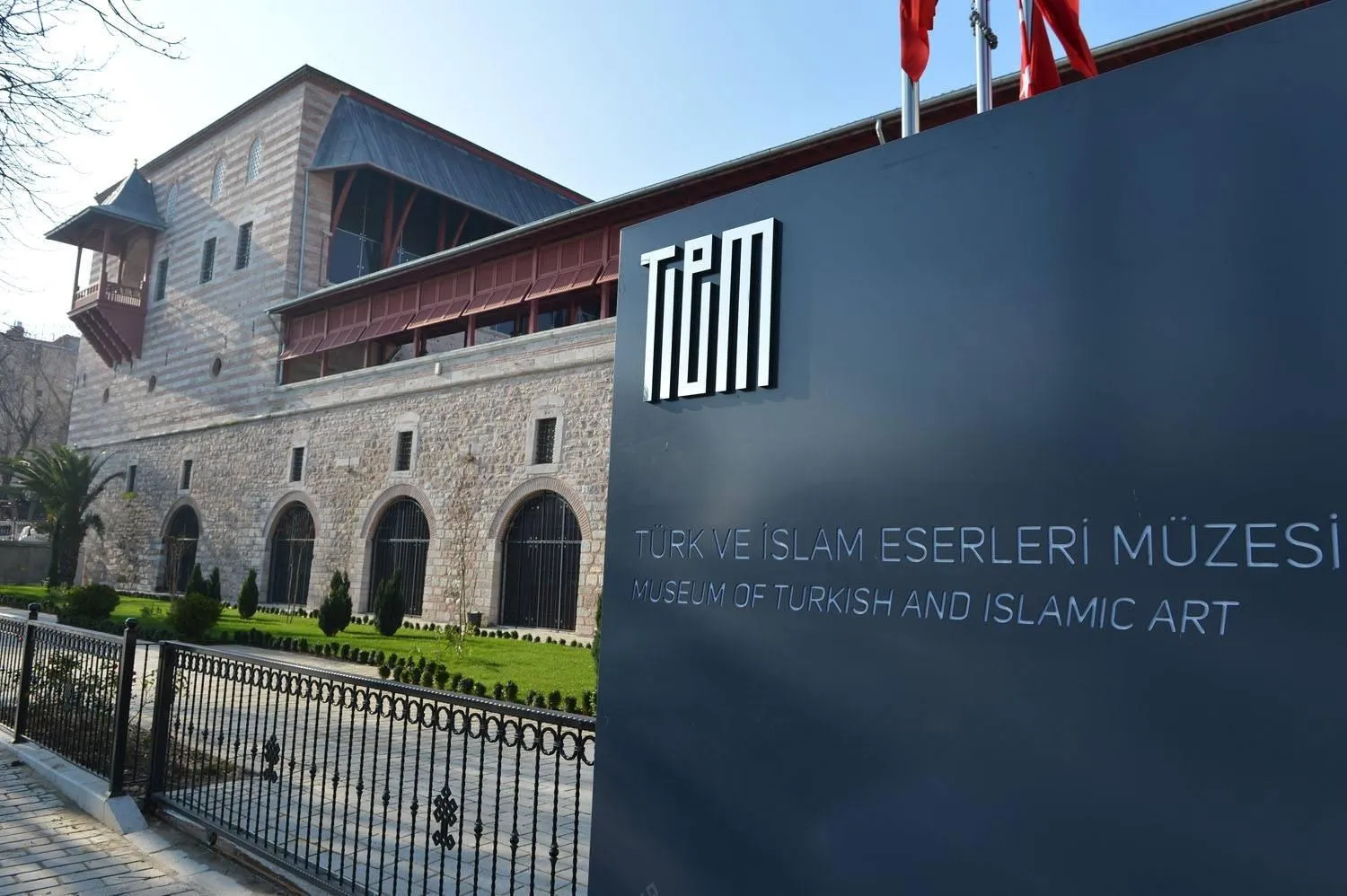
Inside the former palace of Ottoman grand vizier İbrahim Pasha, the Turkish & Islamic Arts Museum faces Sultanahmet Square in Istanbul’s historic Fatih district. Its collection spans Islamic art and daily life, with carpets, calligraphy, manuscripts, ceramics, woodwork and metalwork. Look for illuminated Qur’an manuscripts, Seljuk rugs and displays about Ottoman culture, including coffee traditions and shadow play. The palace setting and calm exhibition rooms give you a quieter way to explore the area’s history, across from the Blue Mosque.
A palace on Sultanahmet Square
The museum occupies the former palace of İbrahim Pasha, grand vizier to Süleyman the Magnificent. Built in 1524, the palace stands beside the Hippodrome, the open square that follows the site of the ancient Byzantine chariot-racing circuit. The setting gives the visit two layers: Ottoman architecture around you and a collection of objects made across the Islamic world.
The building has changed over time. Parts were damaged and later rebuilt in stone in the 19th century. The museum began in the Süleymaniye Mosque complex and moved to İbrahim Pasha Palace in 1983. Its history as a museum reaches back to the early 20th century, when it was established to bring Turkish and Islamic works together in one institution.
Carpets, manuscripts and craftsmanship
Carpets form a major part of the collection. Look for Anatolian examples from the Seljuk period and rugs made in later centuries, alongside palace carpets and prayer rugs. Their patterns and materials offer a close look at the skill and traditions behind textile-making. The collection also includes large carpets, though some have been moved to the Carpet Museum.
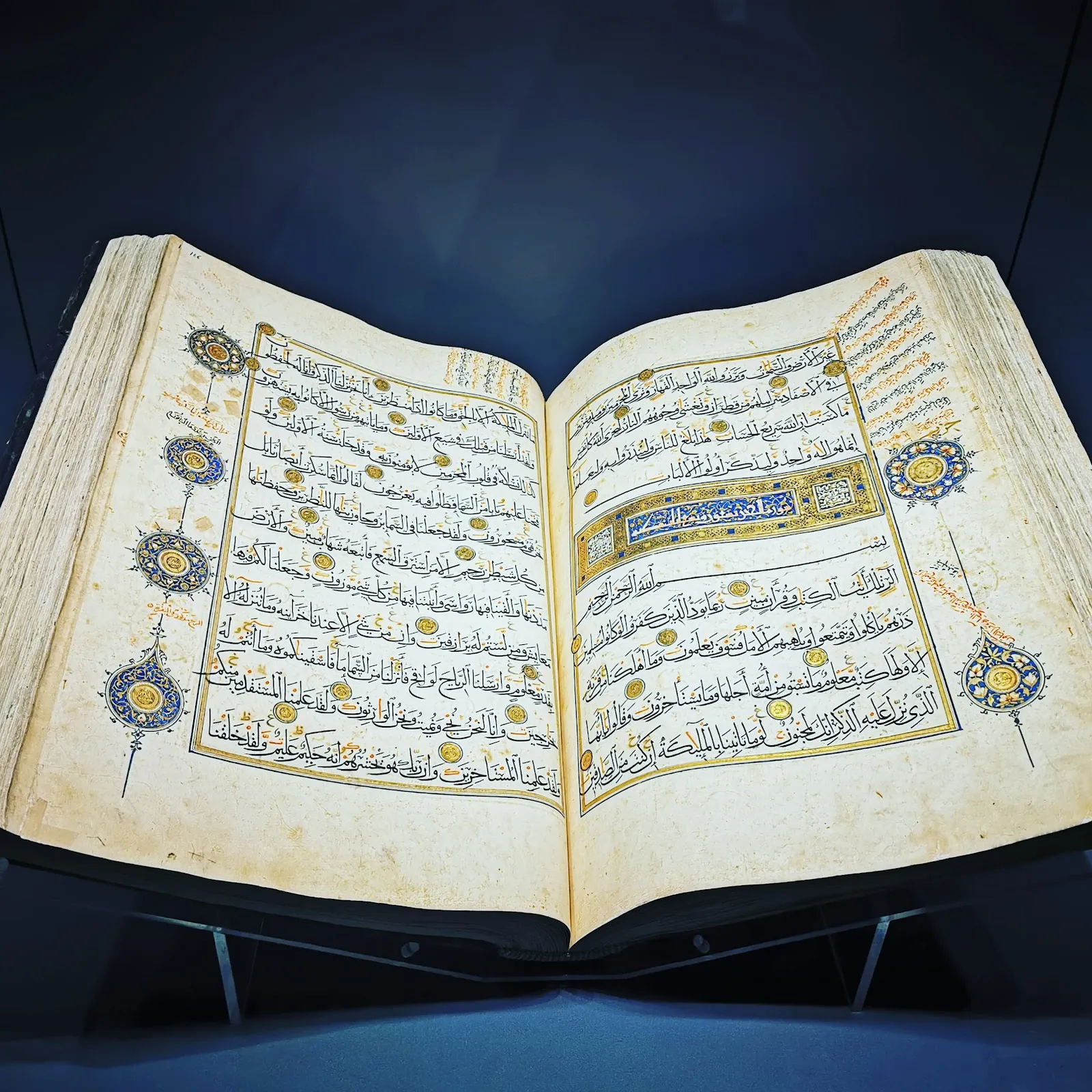
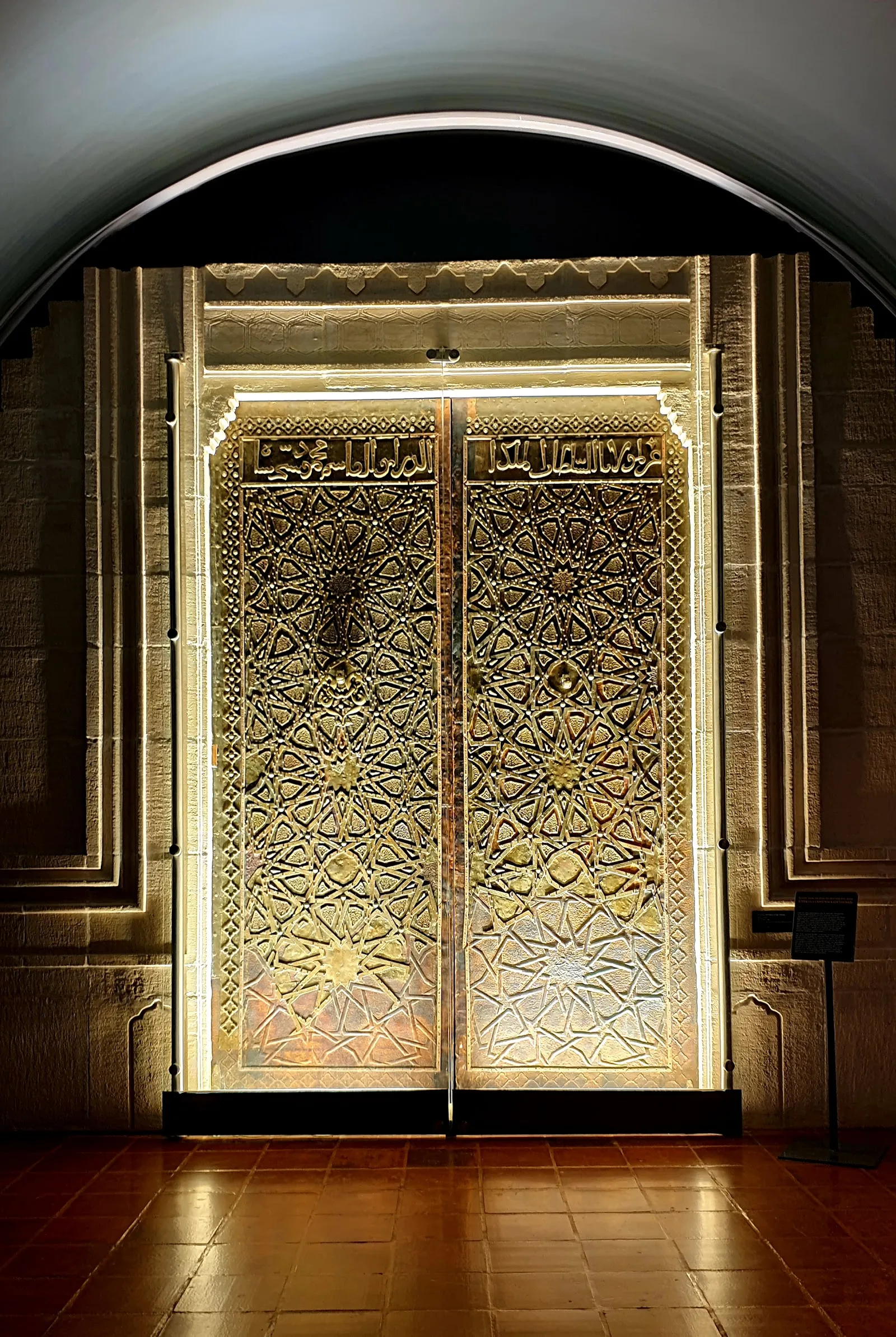
Other galleries bring together calligraphy, illuminated manuscripts, ceramics, glass, metalwork, textiles, carved wood and stone objects. Qur’an manuscripts and examples of Ottoman bookbinding show the care given to written works. The displays span from early Islamic periods through the Seljuk and Ottoman eras, with objects from the 8th to the 19th centuries. Rather than focusing on a single medium, the museum lets you compare how different crafts developed across time.
Art and everyday life
The museum also looks beyond formal art. Displays about Turkish daily life include recreations of a nomadic tent and an interior inspired by a 19th-century home in Bursa. An ethnographic section presents aspects of Anatolian and Istanbul life, while other exhibits touch on customs such as coffee culture and shadow play.
Plan enough time to follow the subjects that interest you. The galleries combine objects with written explanations, including English-language information, and some displays use video and visual effects. If you are especially interested in a particular room, an audio guide can provide further context; the supplied visit information notes that one is included with the Istanbul E-Pass. The museum has restrooms and a wheelchair-accessible entrance and restroom.
Häufige Fragen
Where is the Turkish & Islamic Arts Museum?
It is in İbrahim Pasha Palace at At Meydanı Cd No:12, overlooking Sultanahmet Square in Istanbul’s Fatih district.
How long should I allow for the museum?
Allow 2 to 3 hours to explore the sections at a relaxed pace. If you have less time, choose the galleries that interest you most.
Is there an admission fee?
Yes, admission is charged. The supplied information does not include the ticket price.
What can you see at the museum?
The collection includes carpets, calligraphy, manuscripts, ceramics, textiles, woodwork and objects related to Turkish daily life.


