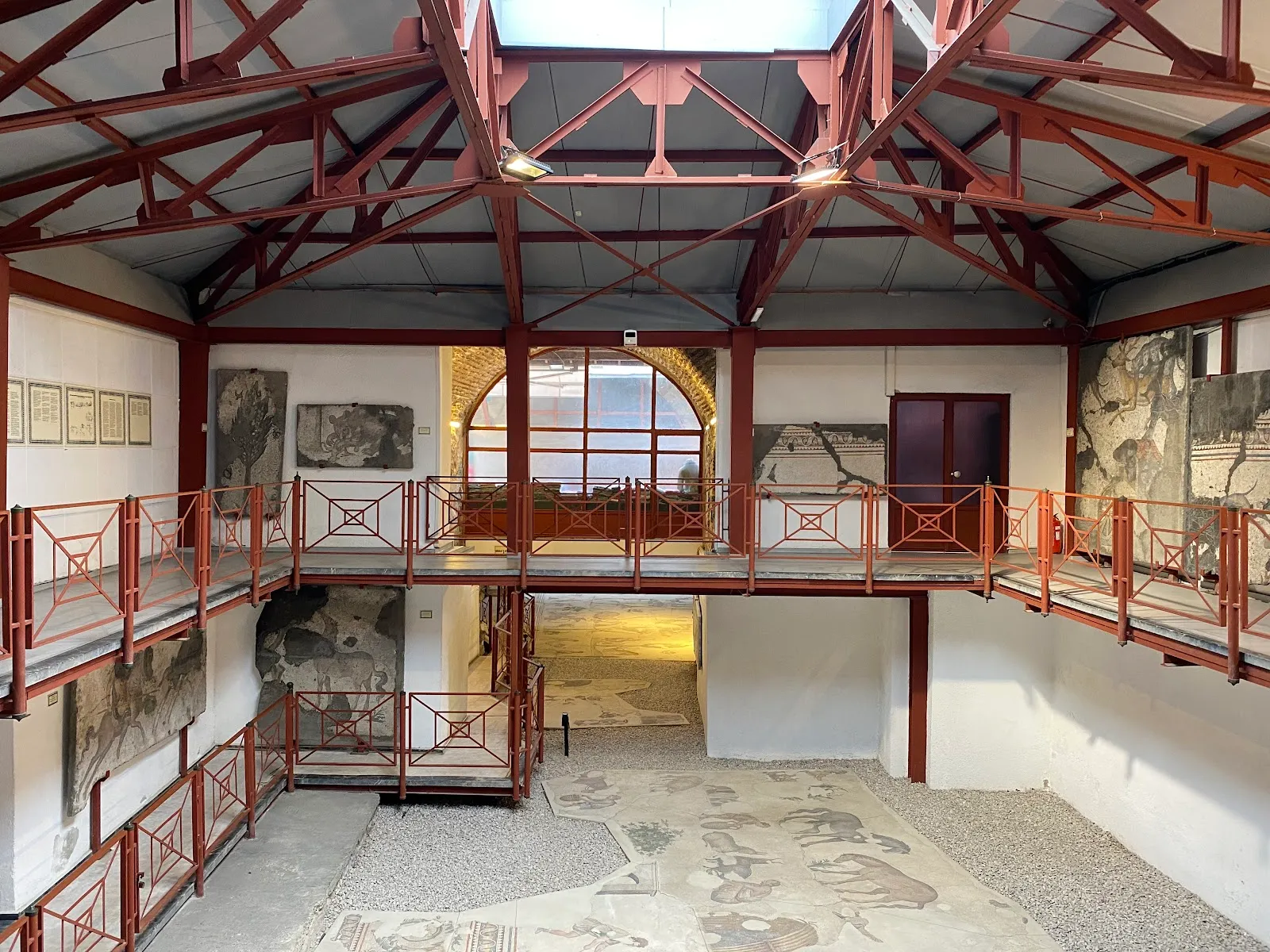
Behind the Blue Mosque, inside Arasta Bazaar, the Great Palace Mosaics Museum preserves floor mosaics excavated from the Byzantine emperors’ palace. The works date from around the 5th and 6th centuries and cover a broad range of scenes: herders with animals, hunts, landscapes and mythological creatures. Two exhibition rooms make this a compact stop, best suited to visitors interested in ancient art. Explanations are limited, so a little background before you go can help you make more of the imagery.
A palace floor beneath Arasta Bazaar
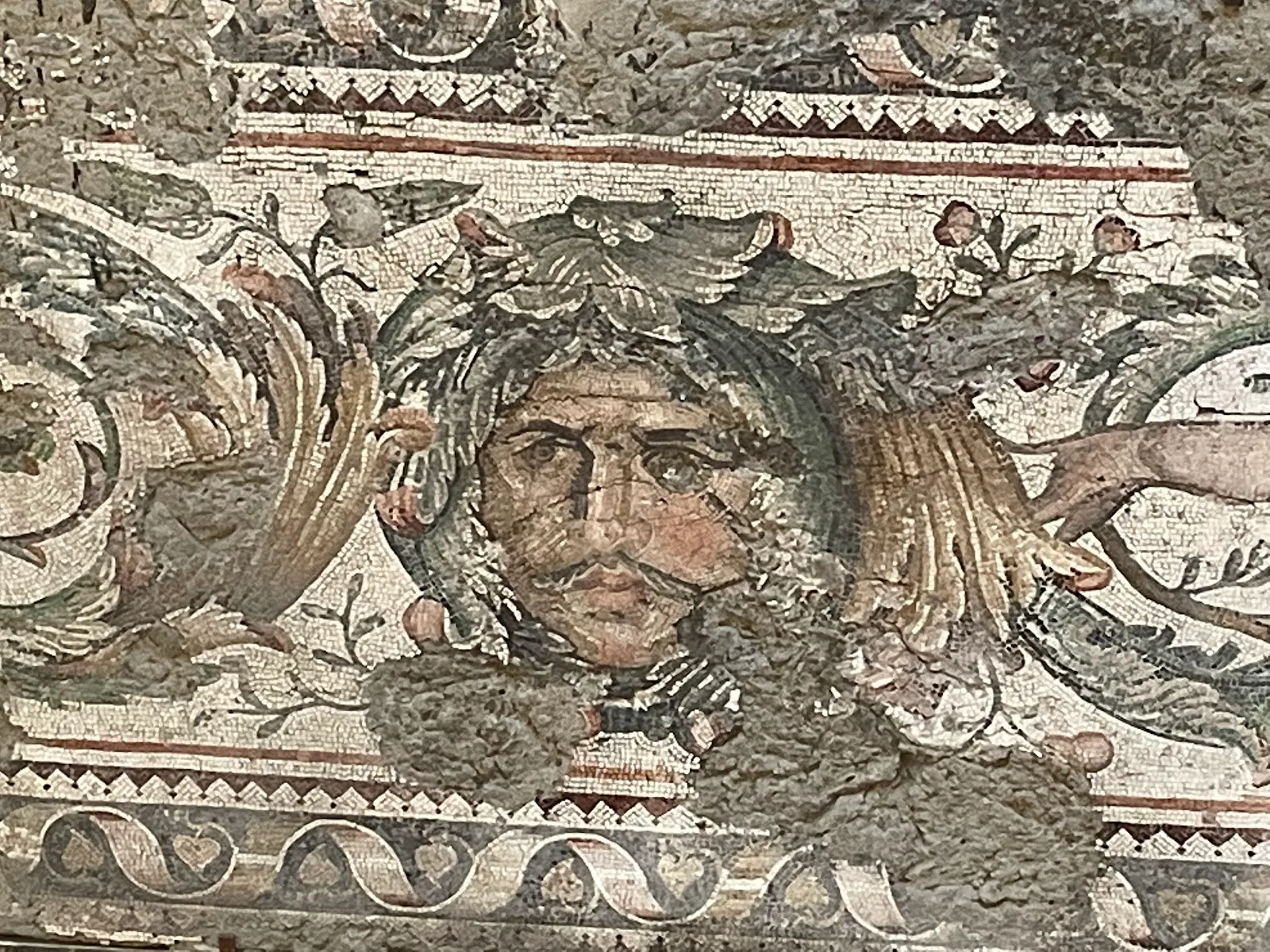
The museum sits in Arasta Bazaar, behind the Blue Mosque. Its collection comes from the Great Palace of Constantinople, the Byzantine imperial complex that once stood near the Hippodrome. The palace itself is no longer standing, but excavations revealed parts of its decorated floors and other architectural remains beneath the bazaar.
The mosaics came to light during archaeological work in the 1930s and 1950s. The museum opened to the public in 1953 to protect and display them. The works date from around the 5th and 6th centuries. The surviving mosaic floor covers about 1,872 square metres, making it one of Europe’s largest preserved mosaics.
Scenes from nature and daily life
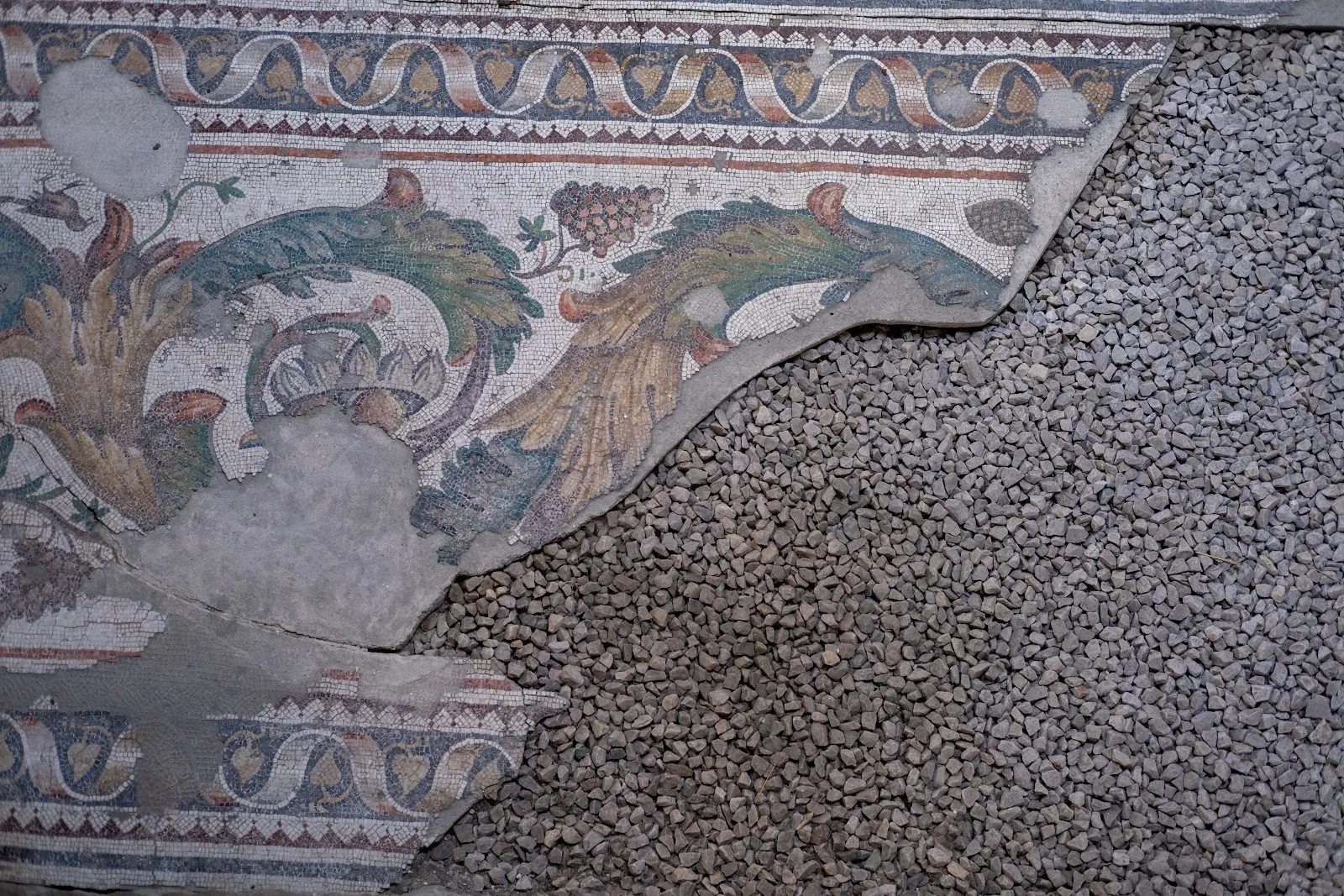
The floors bring together subjects that range from domestic and pastoral scenes to hunting and mythological imagery. Look for people with animals, including herders tending their flocks, as well as creatures and scenes of everyday activity. The variety gives a glimpse of the images that once decorated the palace’s colonnade, thought to have connected the royal apartments with an imperial enclosure beside the Hippodrome.
Fine shading gives some figures a sense of depth. The mosaics are notable for the range of scenes as well as their preservation, though the museum provides limited explanation beside the exhibits. Reading a little about the Great Palace before your visit can help put individual images into context.
Planning a short visit
The museum is small, with two large rooms devoted to the mosaics. It works well as a brief stop on a Sultanahmet walk, particularly if ancient art is a priority. Since the entrance is tucked among the bazaar’s shops, look carefully as you make your way through Arasta Bazaar.
There is no air conditioning, so the rooms may feel warm in hot weather. Cooler months are a more comfortable time to visit. The Istanbul Museum Pass and Müzekart are identified as valid for entry in the supplied information; check the museum’s official website for current admission and access details before setting out.
Häufige Fragen
Where is the Great Palace Mosaics Museum?
It is in Arasta Bazaar, behind the Blue Mosque in Istanbul’s Sultanahmet area.
What can you see at the museum?
The museum displays mosaics excavated from the Great Palace of Constantinople, including scenes of animals, hunting, landscapes and daily life.
How long does a visit take?
Allow about 30 to 60 minutes for this compact museum, which has two large exhibition rooms.
Is the museum air-conditioned?
No. The building is not air-conditioned, so cooler months are a more comfortable time to visit.


