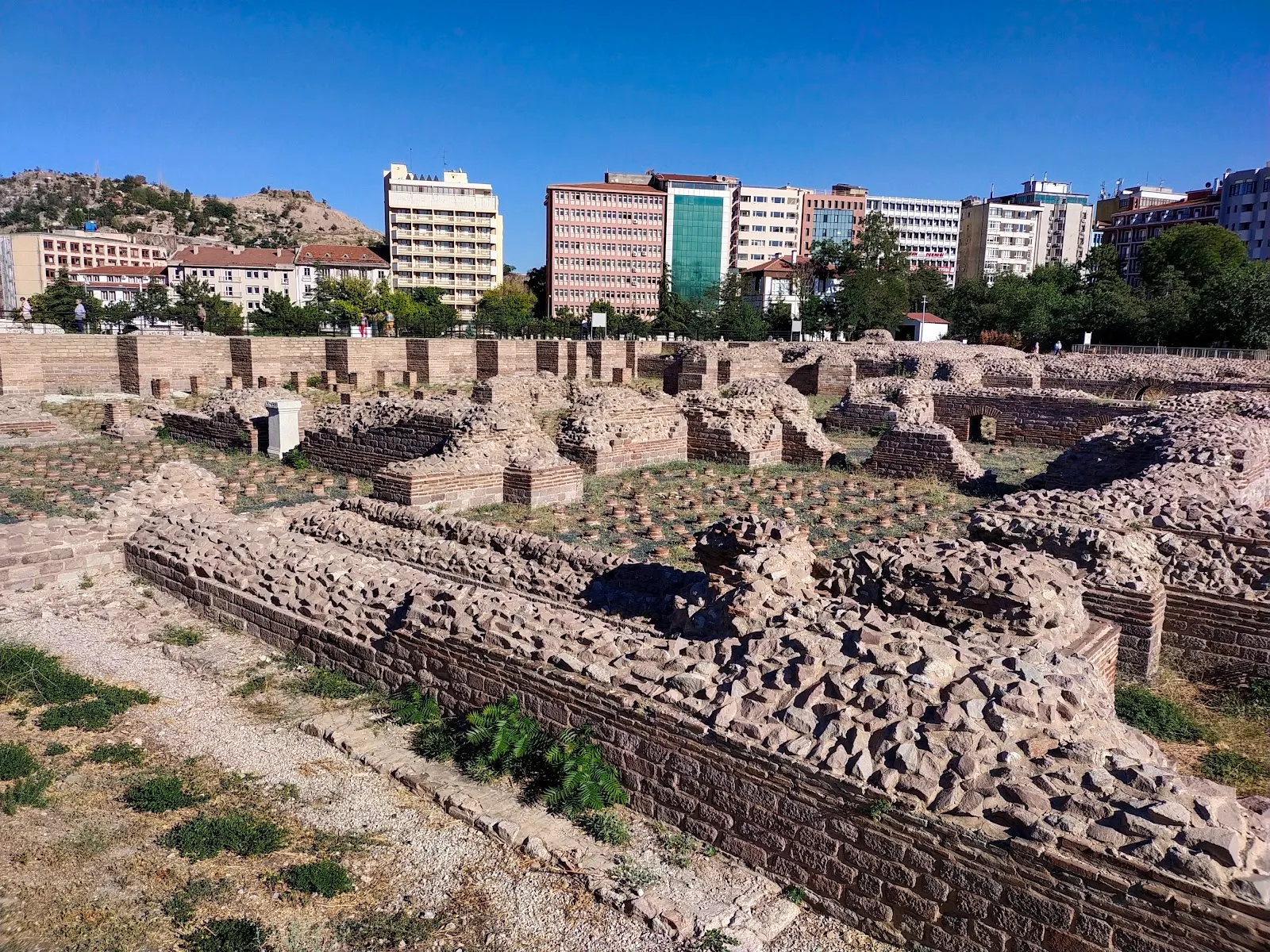
The Museum of Anatolian Civilizations sits in Ulus, in the old town below Ankara Castle, inside restored Ottoman buildings: a former covered bazaar and a caravanserai. Its galleries follow a chronological route through the peoples of Anatolia, from Paleolithic times through the Hittites, Phrygians, Urartians and Romans. Go for the Hittite pieces, the Çatalhöyük finds and the reliefs and tablets that show how these peoples lived and wrote. Read the labels at each display and allow most of a day.
Ottoman buildings in Ulus
The museum occupies two Ottoman-era buildings in the Ulus district, close to Ankara Castle. One is the Mahmut Paşa Bedesteni, a former covered bazaar. The other is the Kurşunlu Han, a caravanserai, which is a roadside inn built for travelers and their animals.
A central courtyard is ringed by vaulted galleries. You move from room to room in the same order as the displays, so the building and the collection reinforce each other.
The museum was founded in 1921. In 1997 it was named European Museum of the Year, and it is one of the few major museums in Ankara focused on archaeology.
Inside the galleries
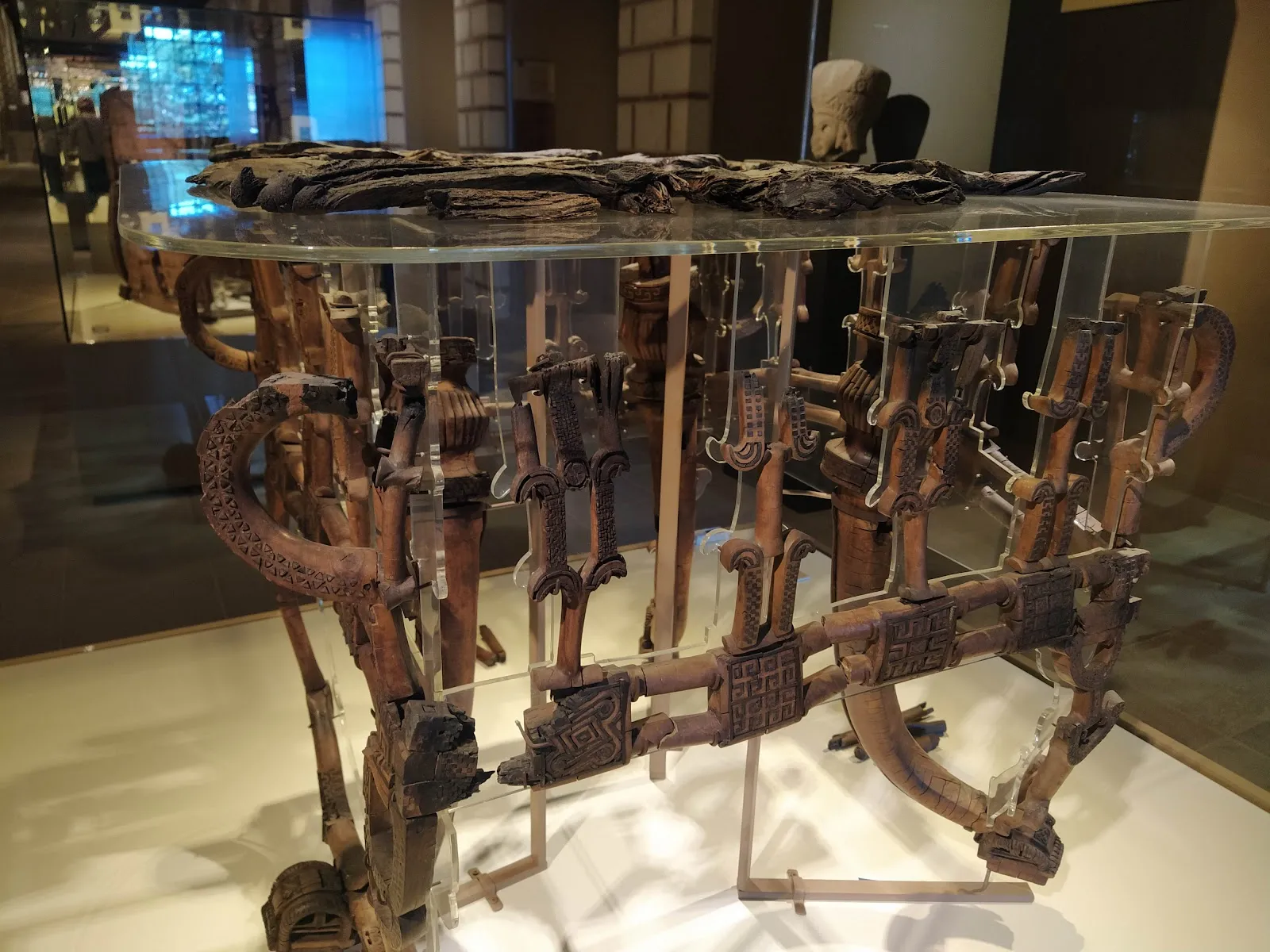
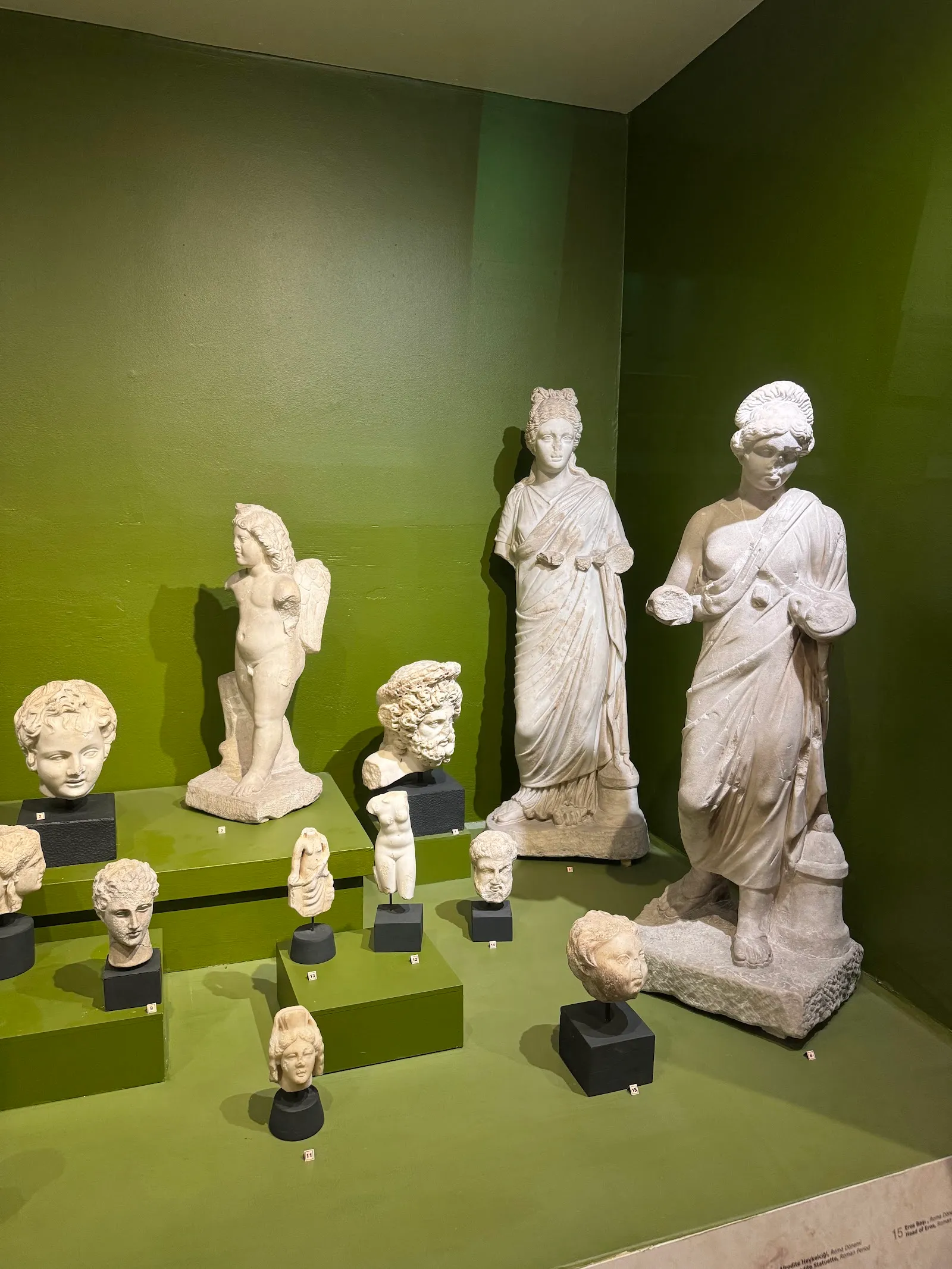
The displays begin with Paleolithic and Neolithic material and continue through the Assyrian trading colonies, the Hittite, Phrygian, Urartian and Lydian periods, and the Classical and Ottoman eras. The Hittite rooms are the strongest, with cuneiform tablets, carved reliefs and the bronze tablet of Tudhaliya IV.
Other highlights include statues of Kybele and King Mutallu, a wall painting from Çatalhöyük, and everyday objects such as tools, jewelry, pottery and religious items. Roman pieces are displayed on the lower floor.
Some visitors enter at the last section during renovation work and walk back through time. Check the route when you arrive, then follow the labels in order.
Several outdoor stone pieces stand without shelter. Look at them, but do not expect the same protection as the indoor objects.
Visiting with children and getting around
Families with children have found the museum manageable. The animal figures, clay tablets and reconstructed scenes held younger visitors' attention, and the compact layout keeps walking short.
Some labels are mounted high, which is awkward for small children. Seating is limited, so bring a plan for rest breaks.
The entrance and restrooms are wheelchair accessible, and the parking lot has accessible spaces. There is a changing table, assisted listening devices, and a restaurant on site.
Häufige Fragen
Is there an entry fee?
Yes, the museum charges admission. Check the official site for current prices before you go.
How long do you need?
Plan four hours or more to see the galleries properly. Visitors who read every label often spend longer.
Should I book tickets in advance?
Booking in advance is recommended.
Is the museum wheelchair accessible?
The entrance and restrooms are wheelchair accessible, and the paid parking lot has accessible spaces.
Is there a restaurant at the museum?
Yes, there is a restaurant on site.