Reise planen
Sprache: Deutsch
ReiseplanerPlane deine Reise auf einer Karte

Top-Reiseziele

EnglishDeutschFrançaisEspañolPortuguêsPortuguês (BR)Italiano
Reisehinweis · ThailandEinige Regierungen raten von Reisen in Teile von Thailand ab.Die Warnungen gelten nur für diese Gebiete: 50-km-Streifen entlang der Grenze zu Kambodscha, Narathiwat, Pattani, Südliches Songkhla (Bezirke Chana, Na Thawi, Thepha und Saba Yoi), Grenzzonen zu Kambodscha (Entfernung nicht angegeben), Yala, 20-km-Streifen entlang der Grenze zu Kambodscha.Die Empfehlung hängt von Ihrem Reisepass ab. Lesen Sie vor der Buchung die Hinweise Ihrer eigenen Regierung.Offizielle Hinweise
Gebiete mit Warnungen
  • 50-km-Streifen entlang der Grenze zu Kambodscha · alle Reisen vermeiden · Kanada, Frankreich, Neuseeland
  • Narathiwat · alle Reisen vermeiden · Kanada, Deutschland, Spanien, Frankreich, Irland, Italien, Neuseeland, Vereinigtes Königreich
  • Pattani · alle Reisen vermeiden · Kanada, Deutschland, Spanien, Frankreich, Irland, Italien, Neuseeland, Vereinigtes Königreich
  • Südliches Songkhla (Bezirke Chana, Na Thawi, Thepha und Saba Yoi) · alle Reisen vermeiden · Kanada, Deutschland, Frankreich, Irland, Italien, Neuseeland, Vereinigtes Königreich
  • Grenzzonen zu Kambodscha (Entfernung nicht angegeben) · alle Reisen vermeiden · Spanien, Irland, Italien
  • Yala · alle Reisen vermeiden · Kanada, Deutschland, Spanien, Frankreich, Irland, Italien, Neuseeland, Vereinigtes Königreich
  • 20-km-Streifen entlang der Grenze zu Kambodscha · nicht notwendige Reisen vermeiden · Deutschland, Vereinigtes Königreich

Außerdem von einer Regierung genannt: Grenzgebiete von Buriram (Spanien), Östlich der Highways 408 und 4113, einschließlich Sakom (Kanada), Stadt Hat Yai (Kanada), Grenzgebiete von Sisaket (Spanien), Grenzgebiete von Surin (Spanien), Grenze zu Myanmar (außer Mae Sot) (Frankreich), Grenzgebiete von Ubon Ratchathani (Spanien), Bahnstrecke Hat Yai–Padang Besar (Vereinigtes Königreich), Grenze zu Myanmar: Provinzen Mae Hong Son und Tak (Italien), Grenze zu Myanmar: Provinzen Tak und Chiang Mai (Spanien), Phatthalung (Frankreich), Gebiet des Preah-Vihear-Tempels (Sisaket) (Italien), Satun (Frankreich)

RegierungHinweiseAktualisiertHinweise lesen
Vereinigtes Königreich (FCDO)No advice against the whole country (regional advisories)–Hinweise lesen
Vereinigte Staaten (State Dept)Exercise normal precautions7. Juli 2026Hinweise lesen
Kanada (Global Affairs)Exercise a high degree of caution (regional advisories)–Hinweise lesen
Deutschland (Auswärtiges Amt)No advice against the whole country; partial warnings for border and southern areas (regional advisories)26. Okt. 2026Hinweise lesen
Neuseeland (SafeTravel)Exercise increased caution (regional advisories)–Hinweise lesen
Irland (Außenministerium)Normal Precautions (regional advisories)–Hinweise lesen
Frankreich (Ministerium für Europa und Auswärtige Angelegenheiten)Increased vigilance across the country (regional advisories)–Hinweise lesen

Täglich anhand der veröffentlichten Hinweise der Regierungen geprüft; zuletzt geprüft am 3. Nov. 2026.RoamLedger fasst offizielle Hinweise zusammen; es handelt sich nicht um Empfehlungen einer Regierung.

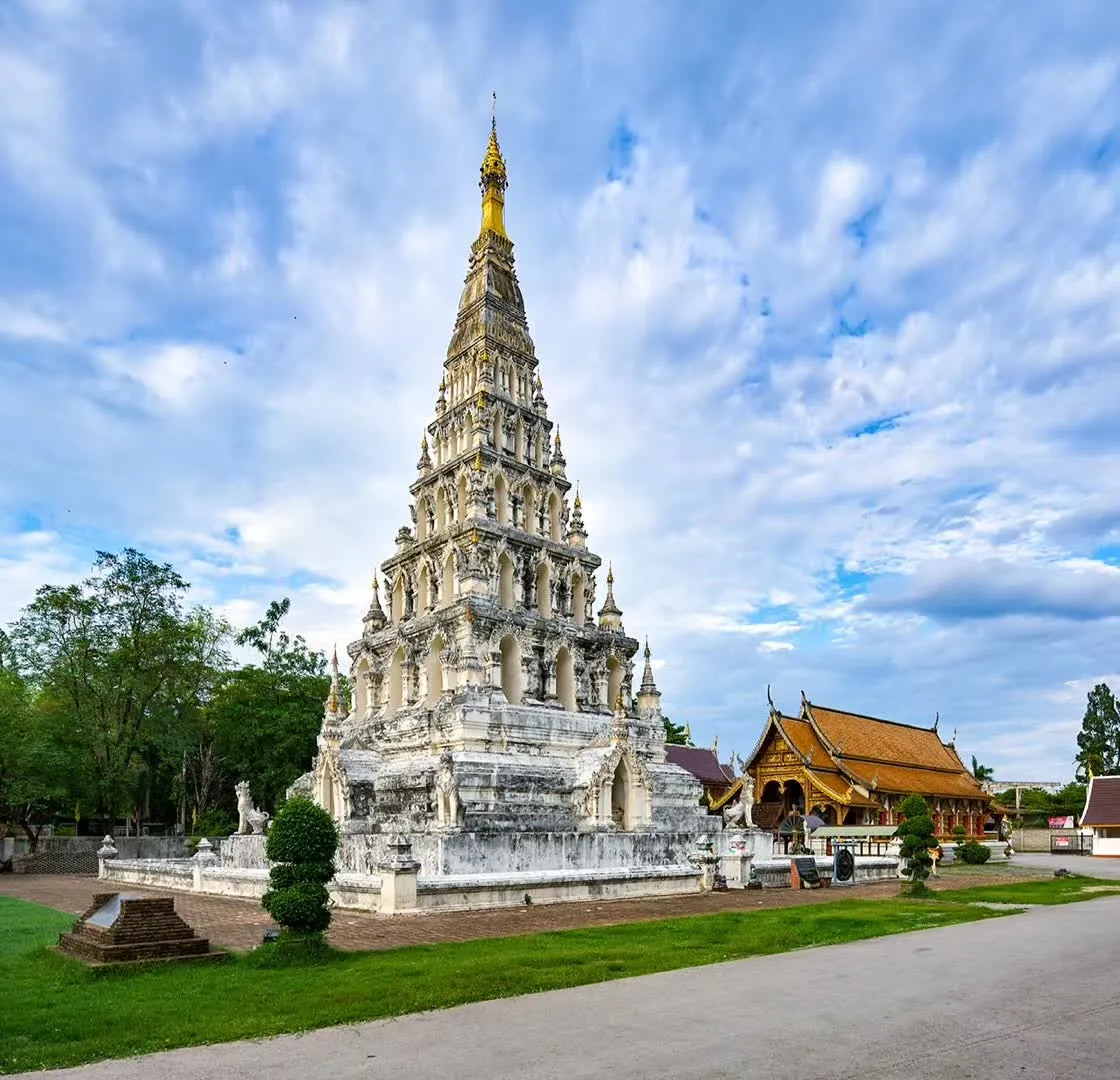
Wat Chedi Liam (Ku Kham Luang)
Tempel

Wat Chedi Liam (Ku Kham Luang)

Wat Chedi Liam is an active temple in Wiang Kum Kam, the archaeological area south of Chiang Mai.

Wat Chedi Liam is an active temple in Wiang Kum Kam, the archaeological area south of Chiang Mai. Its standout sight is a well-preserved 13th-century chedi in Mon Dvaravati style, with a square form and tiers of detail to take in at close range. The assembly hall has paintings showing stories from the Buddha’s life and teachings. Scan the QR codes to read about the temple, then continue to nearby ruins. Dress modestly, as you would at other temples in the area.

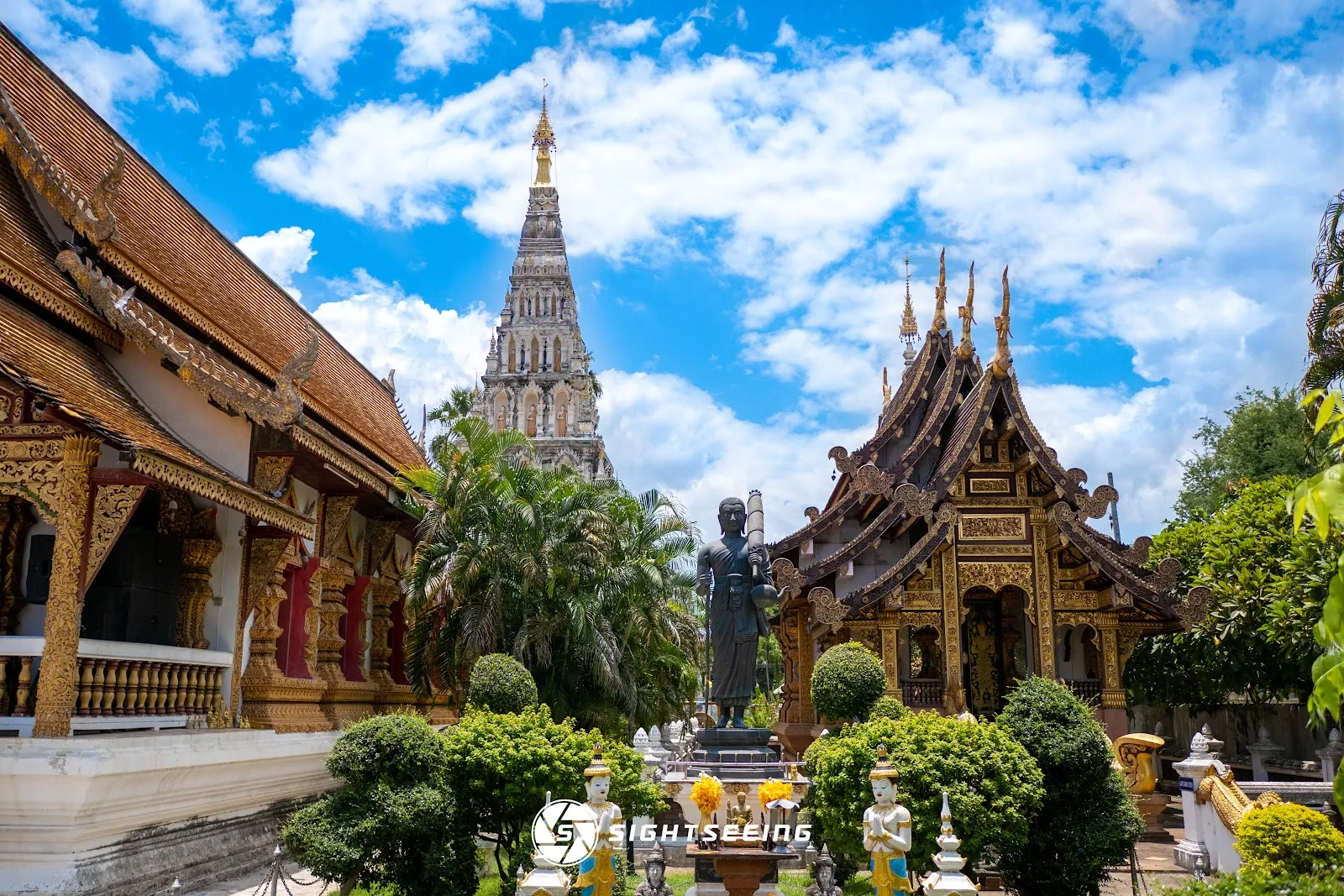
The chedi and temple buildings
Wat Chedi Liam (Ku Kham Luang)

The ancient chedi is the main surviving structure from the 13th-century temple. Its Mon Dvaravati style and square shape distinguish it among the remains of Wiang Kum Kam. The temple is also known as Wat Ku Kham Luang.

The assembly hall and ordination hall are more recent buildings. Inside the assembly hall, paintings depict the Buddha’s life and teachings. Take time to look closely, then use the QR codes to find information about the temple’s history.

Part of Wiang Kum Kam
Wat Chedi Liam (Ku Kham Luang)

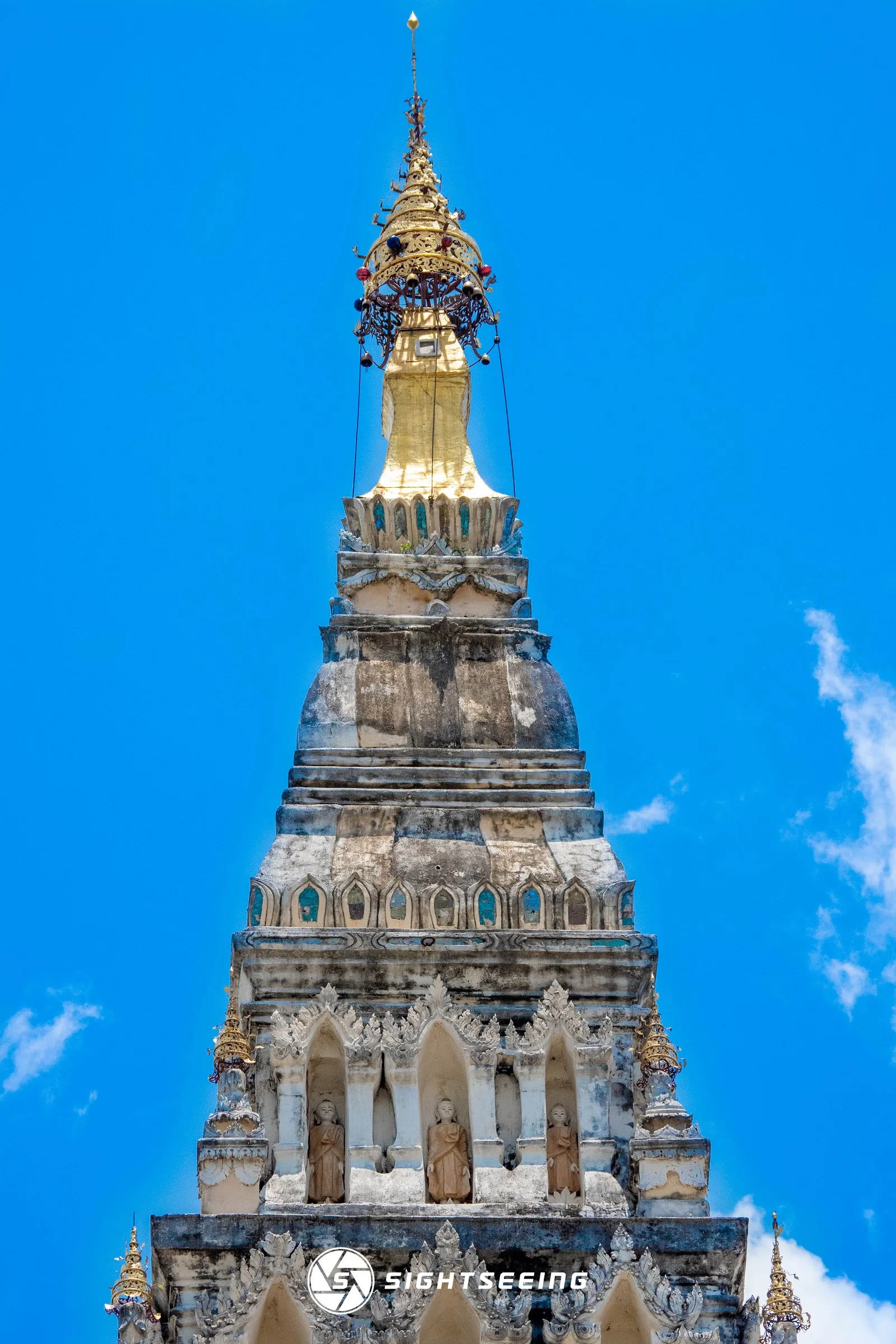
Wat Chedi Liam stands within Wiang Kum Kam, an archaeological area associated with the former capital of the region. Other ruins are nearby, so the temple can be part of a wider visit to the site.

This is an active temple with resident monks. Approach the grounds respectfully, dress modestly and be considerate of people using the temple for worship. The temple is listed as open daily from 6 AM to 6 PM.

Häufige Fragen

Where is Wat Chedi Liam?

It is in Wiang Kum Kam, in Tha Wang Tan, Saraphi District, Chiang Mai Province.

What should I see at Wat Chedi Liam?

Look for the 13th-century Mon Dvaravati-style chedi and the assembly hall paintings depicting the Buddha’s life and teachings.

Is Wat Chedi Liam an active temple?

Yes. Resident monks live at the temple, so dress modestly and behave respectfully.

How can I learn about the temple’s history?

Scan the QR codes available at the temple for historical information.

Weitere Highlights in Provinz Chiang Mai

Alle entdecken