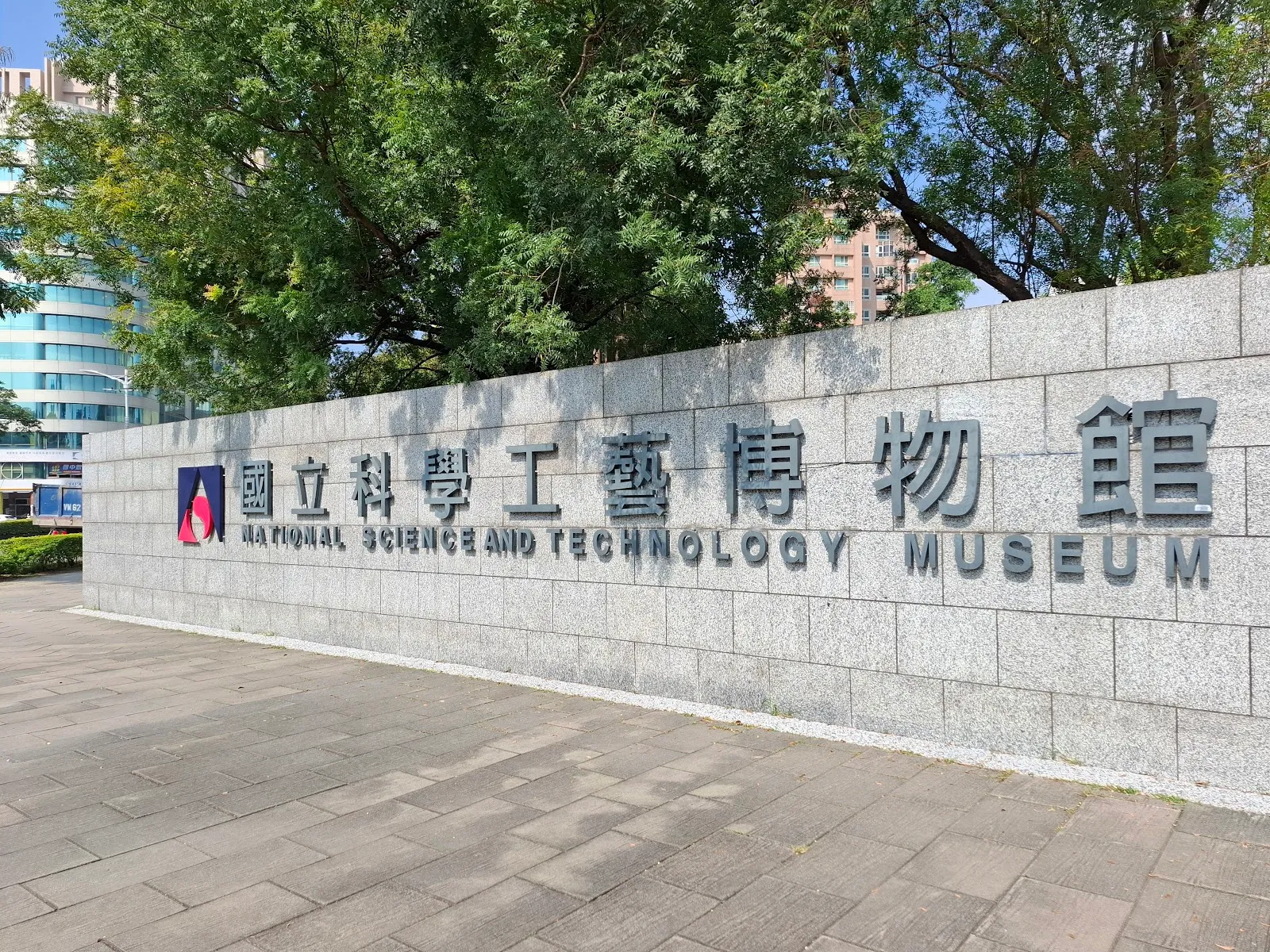
The National Science and Technology Museum is a six-floor science museum on Jiuru 1st Road in Kaohsiung's Sanmin District, opened in November 1997. Its exhibits are hands-on, and families with children make up much of the crowd, though adults find plenty to read and try as well. The Industrial History of Taiwan section on the sixth floor is the strongest part for history. Elsewhere you will find an earthquake simulator, climate change displays, an indoor playground, a 27-metre spiral slide and a cinema with separately ticketed films. Plan on three to four hours, or pick a few floors and go deeper.
Getting there and how the museum is laid out
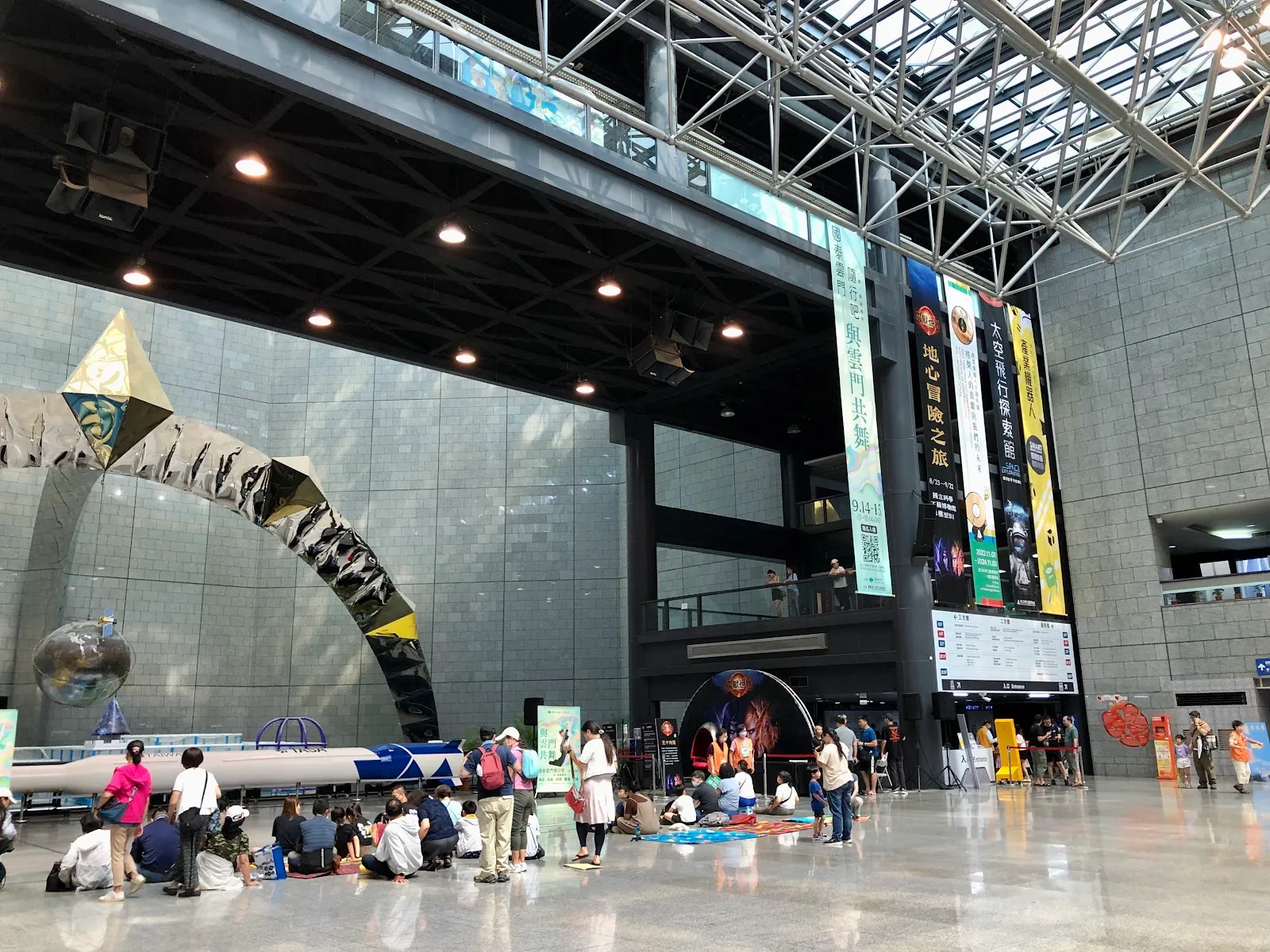
The museum stands on Jiuru 1st Road in Sanmin District, in the northern part of Kaohsiung. By rail, take the TRA train to Science and Technology Museum station, two stops east of Kaohsiung station. From central Kaohsiung you can also go by taxi. The Kaohsiung Arena metro station is another option nearby.
The museum opened in November 1997 and fills six floors. It is large enough to keep a visitor busy for days, so it rewards planning. Choose the sections that interest you most and give them proper time rather than hurrying through every floor. Restrooms, a restaurant and a cafe are on site, and the surrounding park is a place to rest between exhibits.
Industrial History of Taiwan on the sixth floor
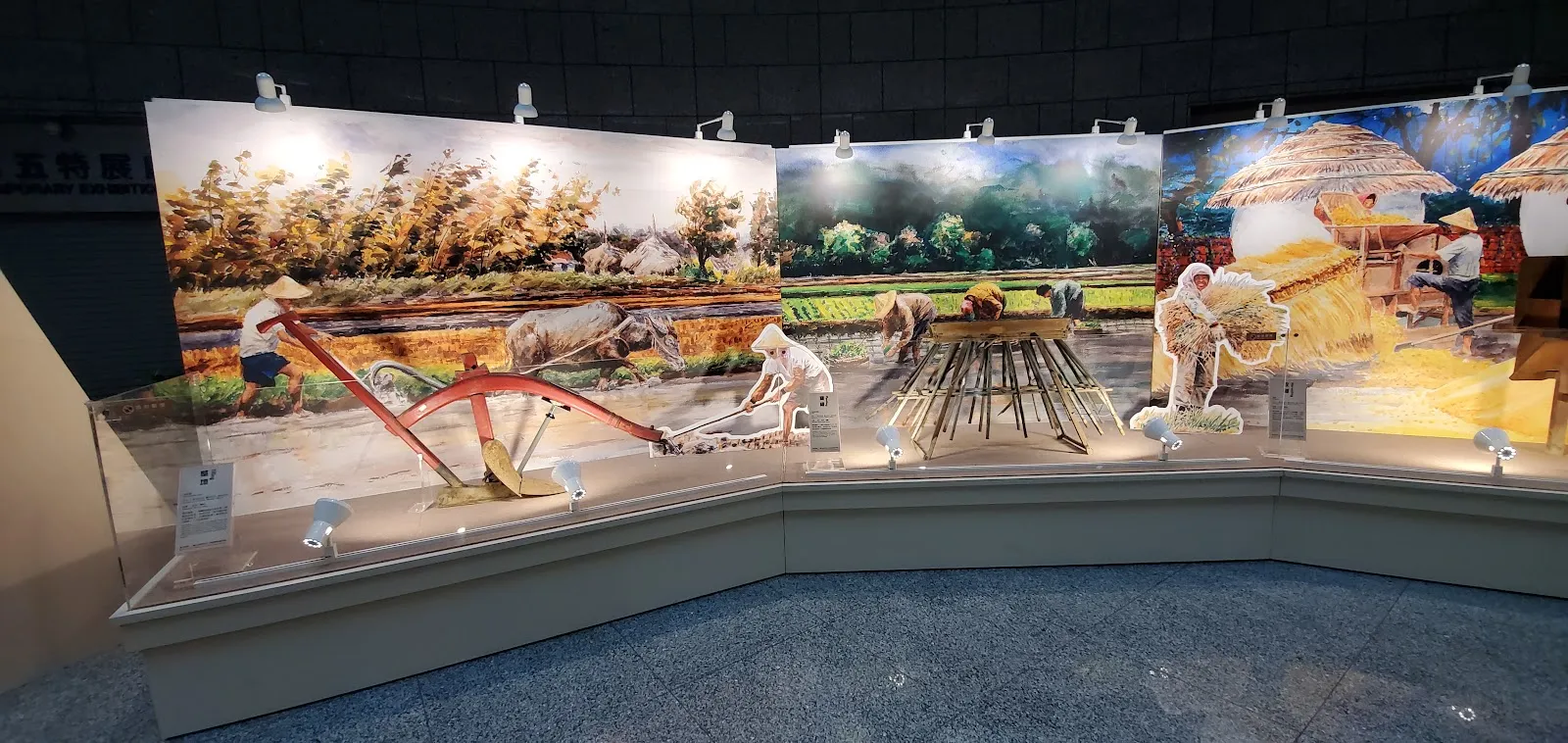
This is the section to prioritise if you want to understand how Taiwan's economy developed. It follows the years when the island was a manufacturing powerhouse and shows the everyday goods it produced, from canned food to tennis rackets, bicycles and computer parts. The display places Taiwan's technological innovation and scientific discoveries in a historical line, and it is regarded as one of the most thorough exhibits in the building.
Other galleries cover fashion, health, cooking and Typhoon Morakot. Some, such as the space gallery, rely more on information panels than on objects, so allow time to read.
Hands-on areas and family spaces
Much of the museum is built around activities rather than glass cases. Children can try the earthquake simulator, learn how earthquakes occur, and see climate change explained through displays. The museum also covers science in daily life, traffic safety and energy conservation.
For younger children there is an indoor playground and a snow zone. A spiral slide, 27 metres high and 63 metres long, is one of the best-known features. Families with small children will find changing tables and a wheelchair accessible entrance, restrooms and parking lot. Some older sections have a lot of text, so adults travelling without children may want to concentrate on the history and technology galleries.
Films, special exhibitions and tickets
The museum has a cinema, including a 3D film, and these screenings need a separate ticket from general exhibition entry. Temporary themed exhibitions have included teamLab's interactive show and the Doraemon Expo. The Doraemon exhibition sold its own ticket with a limited-edition pin badge, a gift and re-entry on the same day, and it also had limited-edition merchandise.
Students get a small discount on the ticket. Advance booking is recommended, and paid parking is available in a lot and a garage.
Häufige Fragen
How much does the National Science and Technology Museum cost?
Exhibition entry has been around NT$100, and the 3D film around NT$150. Students get a NT$30 discount. Special exhibitions are priced separately, and the Doraemon exhibition cost NT$490.
How long do you need at the museum?
Allow three to four hours to cover the main content. Families with children often stay five hours or more, while a focused visit to a few areas can take about two.
How do you get to the museum from central Kaohsiung?
Take the TRA train to Science and Technology Museum station, two stops east of Kaohsiung station. A taxi from the city centre is the other straightforward way.
What is the most important exhibit if you are short on time?
Go to the sixth floor for Industrial History of Taiwan. It shows how Taiwan became a manufacturing centre, with goods from canned food to computer parts.
Is the museum good for children?
Yes. It has an indoor playground, a snow zone, an earthquake simulator and a large spiral slide. Changing tables and wheelchair accessible facilities are available.