
The Army Museum, at Riddargatan 13 in Stockholm’s Östermalm district, traces Swedish military history from around 1500 to the present. Three floors combine uniforms, weapons, flags and personal objects with life-size scenes and interactive displays, showing how war and peace shaped soldiers, their families and the wider population. Look for the Trophy Chamber, with captured banners and other trophies, and the room devoted to Raoul Wallenberg. A free English audio guide helps explain the exhibits, which also address Sweden’s military neutrality.
Three floors of Swedish history
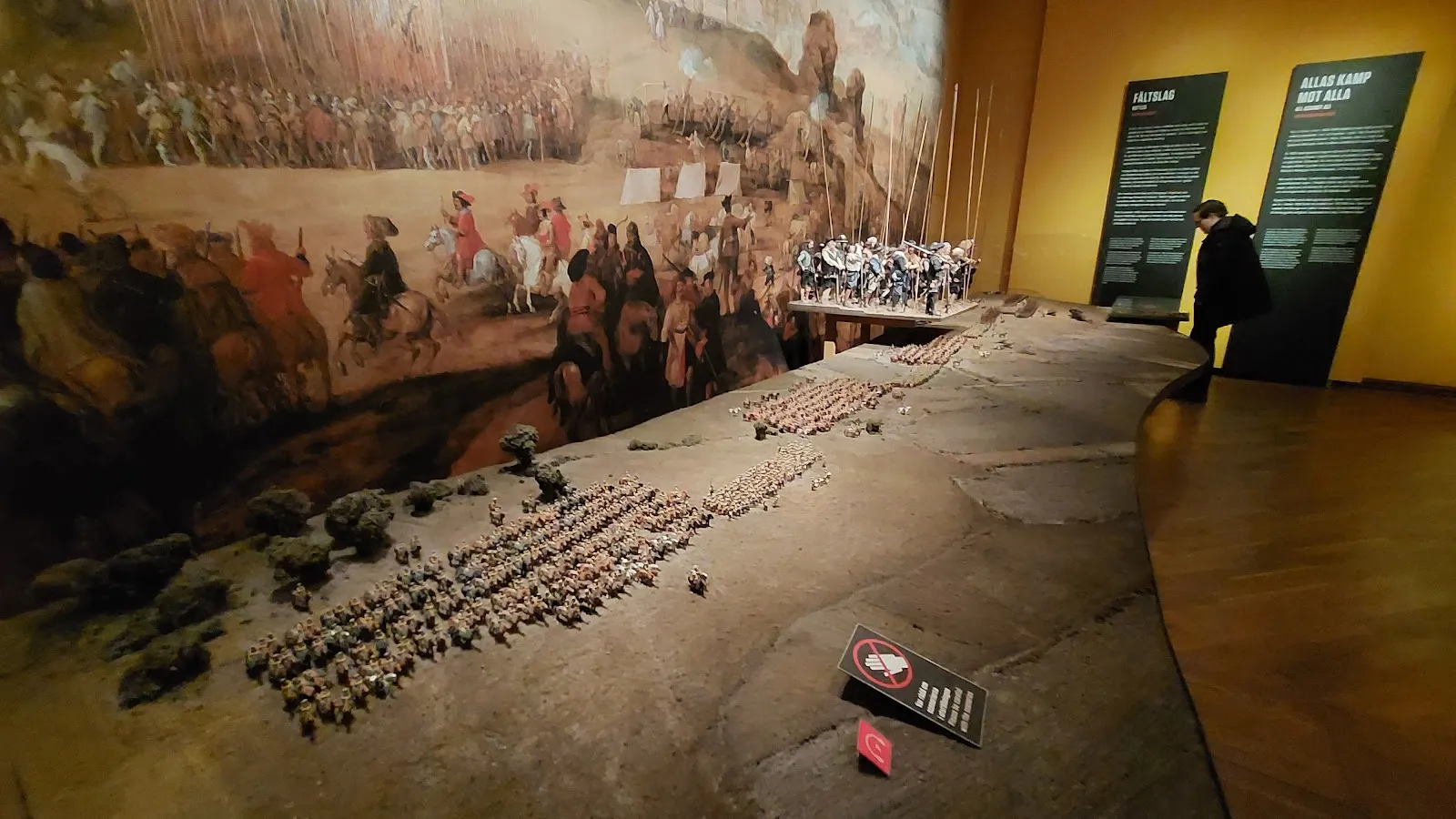
The Army Museum follows Sweden’s military history from the 16th century to the present. Its three floors cover both wartime and peacetime, connecting military objects with the everyday experiences of soldiers, their families and other people in Sweden. Uniforms, weapons, flags and personal belongings sit alongside staged scenes that give the collections a human scale.
Start on the third floor and work downward to follow the chronology. The displays include interactive elements and reconstructed scenes, as well as objects from different periods. Together, they show how military life and conflict changed over time, while keeping the focus on the people who lived through those changes.
Trophies, neutrality and personal stories
The Trophy Chamber holds captured banners and other war trophies from earlier centuries. Elsewhere, exhibits examine Sweden’s military history and its policy of neutrality, including the country’s experience during the world wars. The collection spans antique and modern weapons, uniforms and other military material.
The museum also gives space to people whose stories belong to the history of war and peace. A room about Raoul Wallenberg explores the Swedish diplomat who saved tens of thousands of people from the Nazis. Personal objects and realistic scenes bring attention to daily life beyond the battlefield, including the conditions faced by soldiers and their families.
Planning your visit
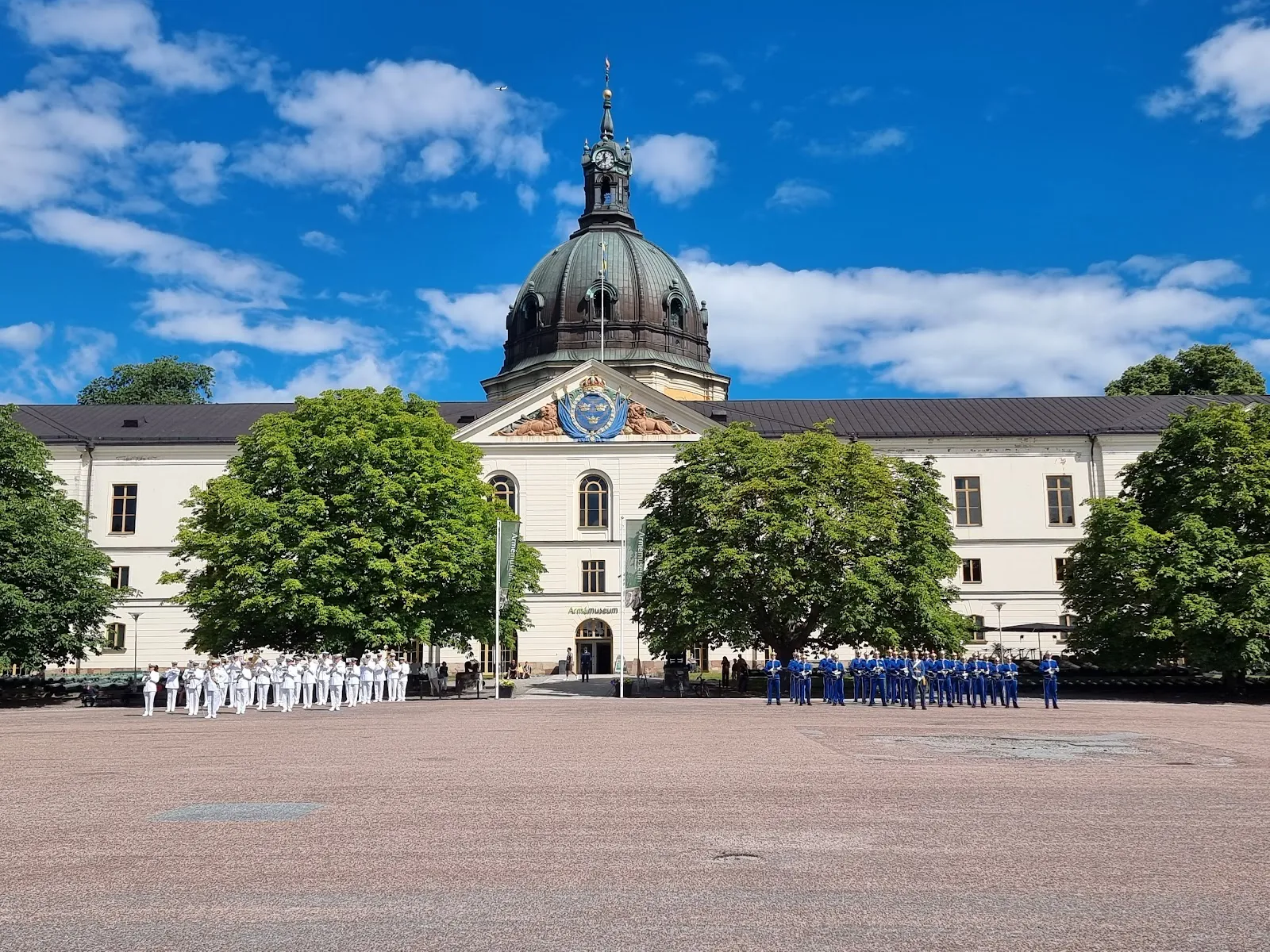
The museum is in a 17th-century arsenal in Östermalm. The site had served as an artillery depot for centuries before becoming a museum; the Army Museum opened in 1879. Its approach combines historical objects with life-size settings and interactive displays.
Allow at least two to three hours for the three floors. A free audio guide in English is available to help explain the exhibits. The museum is closed on Mondays and has later closing time on Tuesdays than on other open days, so check its current schedule when planning your visit. The entrance and elevator are wheelchair accessible, and the museum lists assisted-listening devices and tours for visitors with visual impairments among its facilities.
Häufige Fragen
How long should you spend at the Army Museum?
Plan for at least 2 to 3 hours to explore the exhibits across all three floors.
Is there an English audio guide?
Yes. A free English audio guide is available.
What can you see at the Army Museum?
The exhibits cover Swedish military history from around 1500 to the present, with uniforms, weapons, flags, personal objects, reconstructed scenes and the Trophy Chamber.
Is the Army Museum wheelchair accessible?
The entrance and elevator are wheelchair accessible. The museum also lists a wheelchair-accessible restroom.


