Mount Teide rises above Teide National Park in the centre of Tenerife, with volcanic terrain that shifts from pine forest to lava fields and unusual rock formations. At about 3,718 metres, it is Spain’s highest peak. You can explore the park on foot, drive through its changing landscapes or take the cable car towards the summit. Sunrise, sunset and clear-night stargazing are other reasons to plan a visit. Reaching the highest point requires a permit, so arrange your route and any required access well ahead.
A mountain shaped by volcanic activity
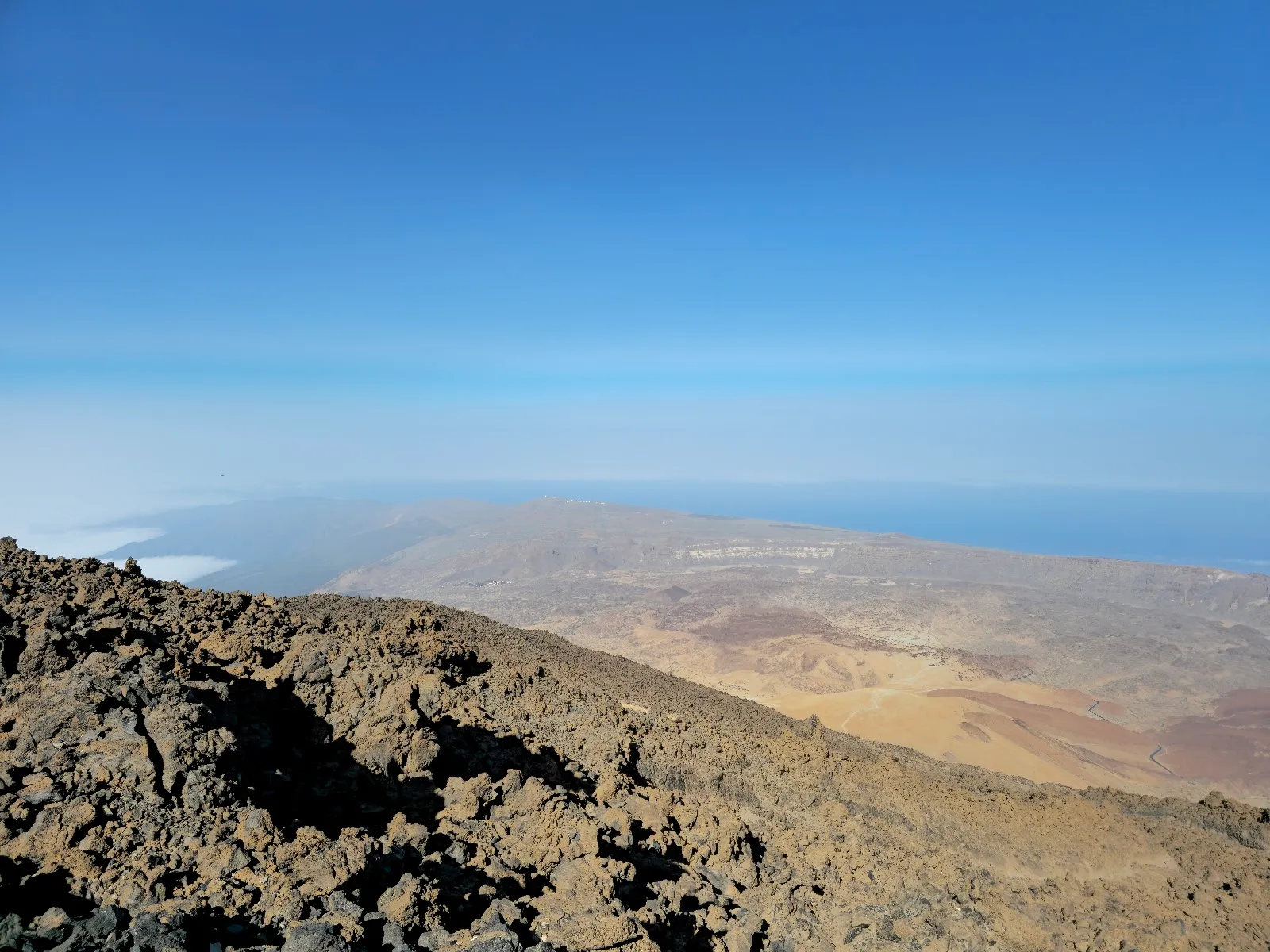
Mount Teide stands in the centre of Tenerife, within Teide National Park. At about 3,718 metres, it is the highest peak in Spain. The mountain and its surrounding terrain fill the broad Las Cañadas caldera, where hardened lava, volcanic cones and unusual rock formations create a stark landscape that changes as you travel through the park.
The scenery ranges from pine forest to exposed volcanic ground and high-mountain scrub. The colours and forms can feel strikingly different from Tenerife’s coastal areas. Look out for the lava fields and distinctive rocks around the park, including the Roques de García formations. The area’s geological features and natural significance are among the reasons Teide National Park is a UNESCO World Heritage site.
Choose a route to the upper mountain
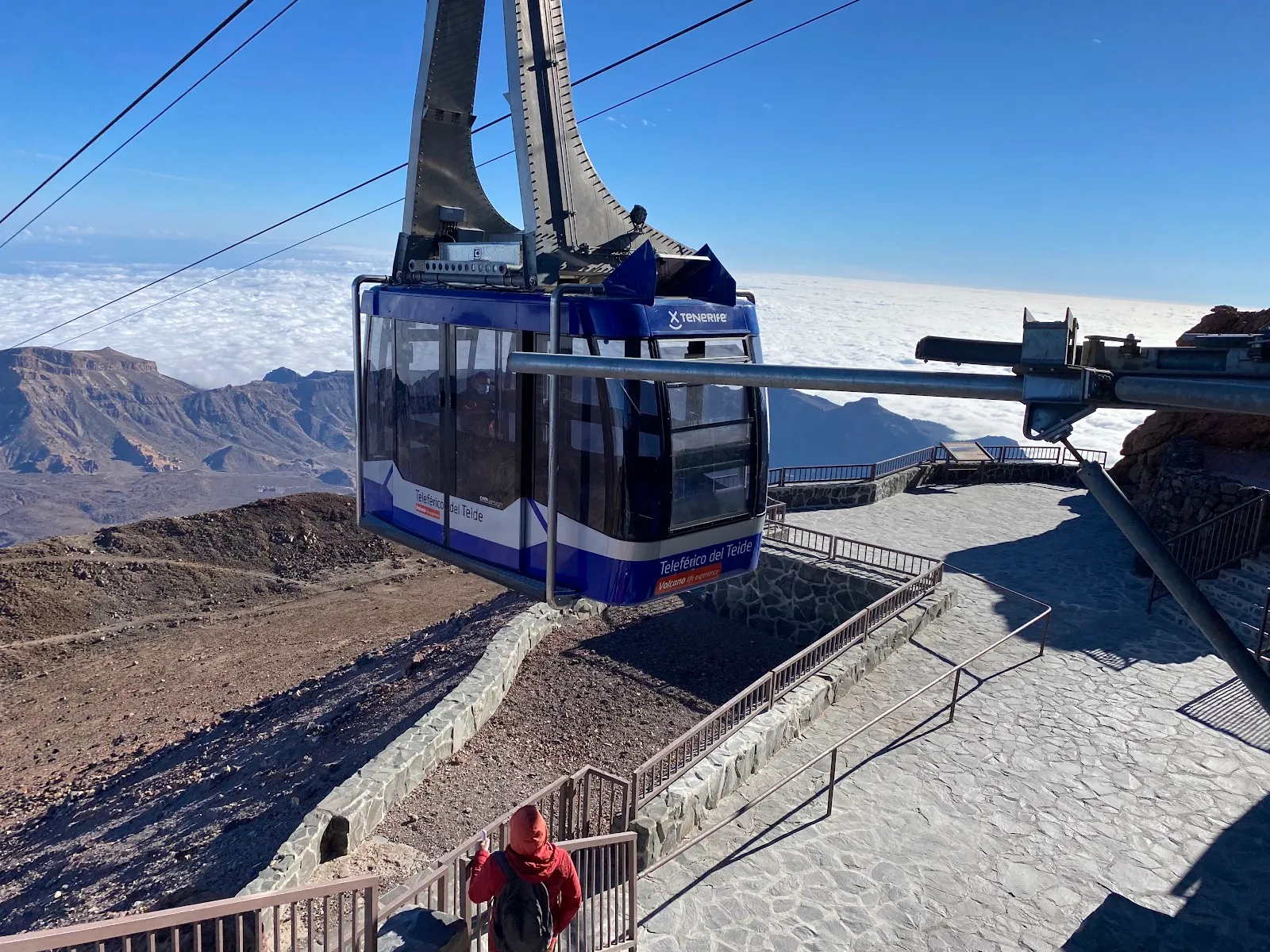
You can explore the park by car, on foot or by cable car. The cable car runs from its base station to La Rambleta, at roughly 3,555 metres, bringing you close to the upper slopes without a long climb. From there, trails lead out through the high-altitude terrain. Conditions at that elevation can be much colder than lower down, so pack warm clothing even if the day feels mild elsewhere on the island.
For a longer ascent, the route from Montaña Blanca follows trail 7 towards the summit. Reaching Teide’s highest point requires a permit. Access arrangements can be complicated, and available slots are limited, so make plans well in advance rather than assuming you can decide on the day. A guided hike is another option if you want help organising the route and learning about the mountain.
Not every visit needs to include the summit. Shorter walks and viewpoints let you experience the volcanic landscape without committing to the full climb. The park’s roads also pass through changing scenery, including pine forests and open lava terrain. Allow time to stop and take in the formations rather than treating the drive only as a way to reach the cable car.
Sunset and stargazing
The mountain’s height and the park’s low light pollution make it a notable place to watch the night sky. Guided stargazing visits can introduce the constellations and use telescopes for closer views. After sunset, temperatures at altitude can drop, so bring layers if you plan to stay outdoors.
Sunrise and sunset also change the look of the volcanic slopes. At dusk, the light falls across the rock and the surrounding landscape; clear conditions can bring distant islands into view. An organised evening tour can combine the journey into the park with sunset viewing and astronomy, while a visit by car gives you more control over where you stop. Check the details of any tour before booking, especially what is included and how you will get around.
Häufige Fragen
Do you need a permit to reach Mount Teide’s summit?
Yes. A permit is required to access the highest point. Arrange it well ahead, as summit access can be in high demand.
Can you take a cable car up Mount Teide?
Yes. The cable car travels from the base station to La Rambleta, at roughly 3,555 metres. It brings you close to the summit, but a permit is still required to reach the highest point.
What should you wear for a visit to Mount Teide?
Bring warm layers. Temperatures can drop at high altitude, including when conditions lower on the island feel mild.
Is Mount Teide good for stargazing?
The park’s high elevation and low light pollution make it a good setting for observing the night sky. Guided visits with telescopes are available.