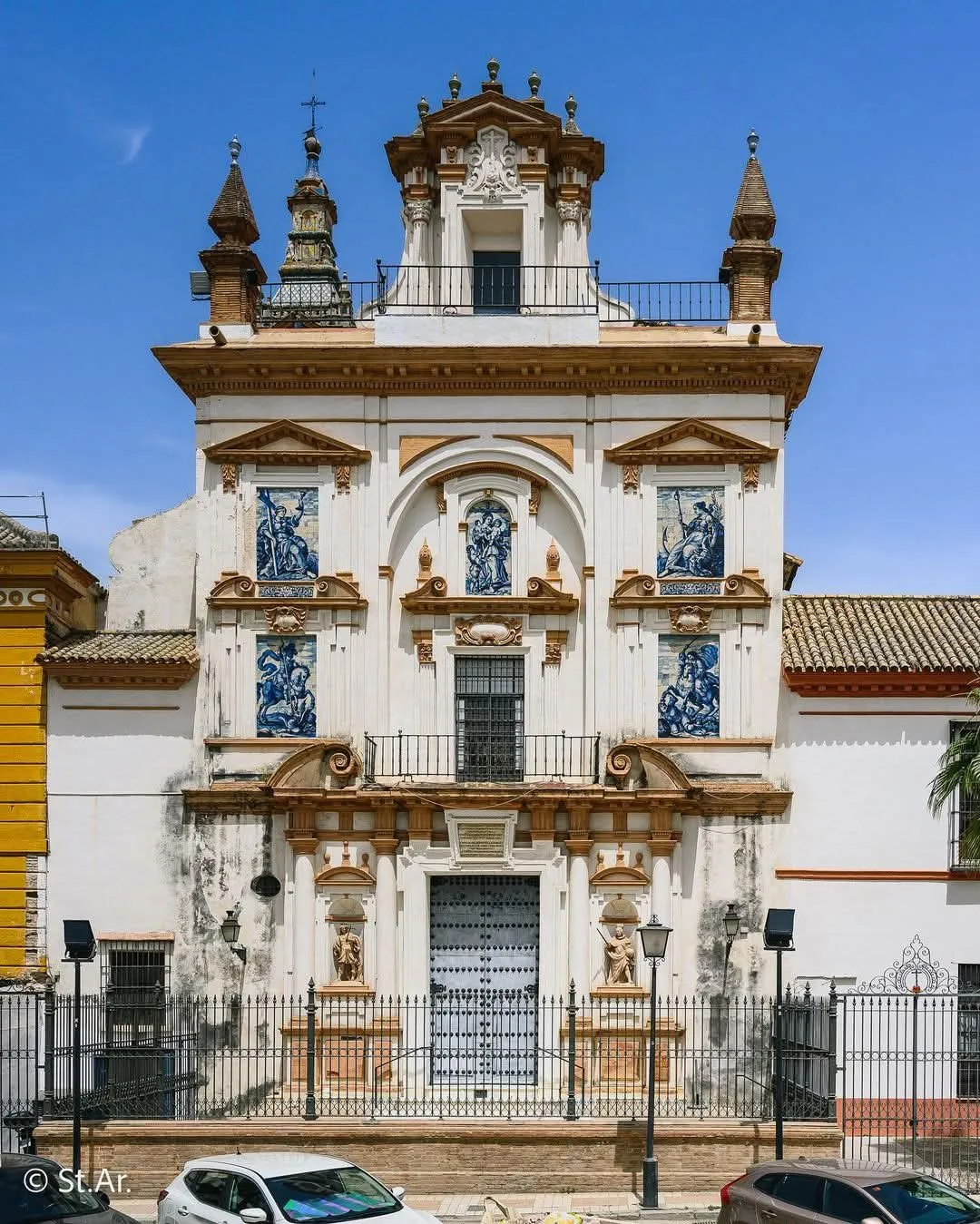
Set in a former convent at Plaza del Museo in Seville’s old town, the Seville Museum of Fine Arts traces Spanish art from medieval times to the early 20th century. Its strongest focus is the Sevillian Baroque, with paintings by Murillo, Zurbarán, Velázquez and Valdés Leal. The galleries are a manageable size, and the former convent’s courtyards and architecture are part of the visit. Allow time to look beyond the paintings: the collection also includes sculpture and decorative works.
A former convent turned museum
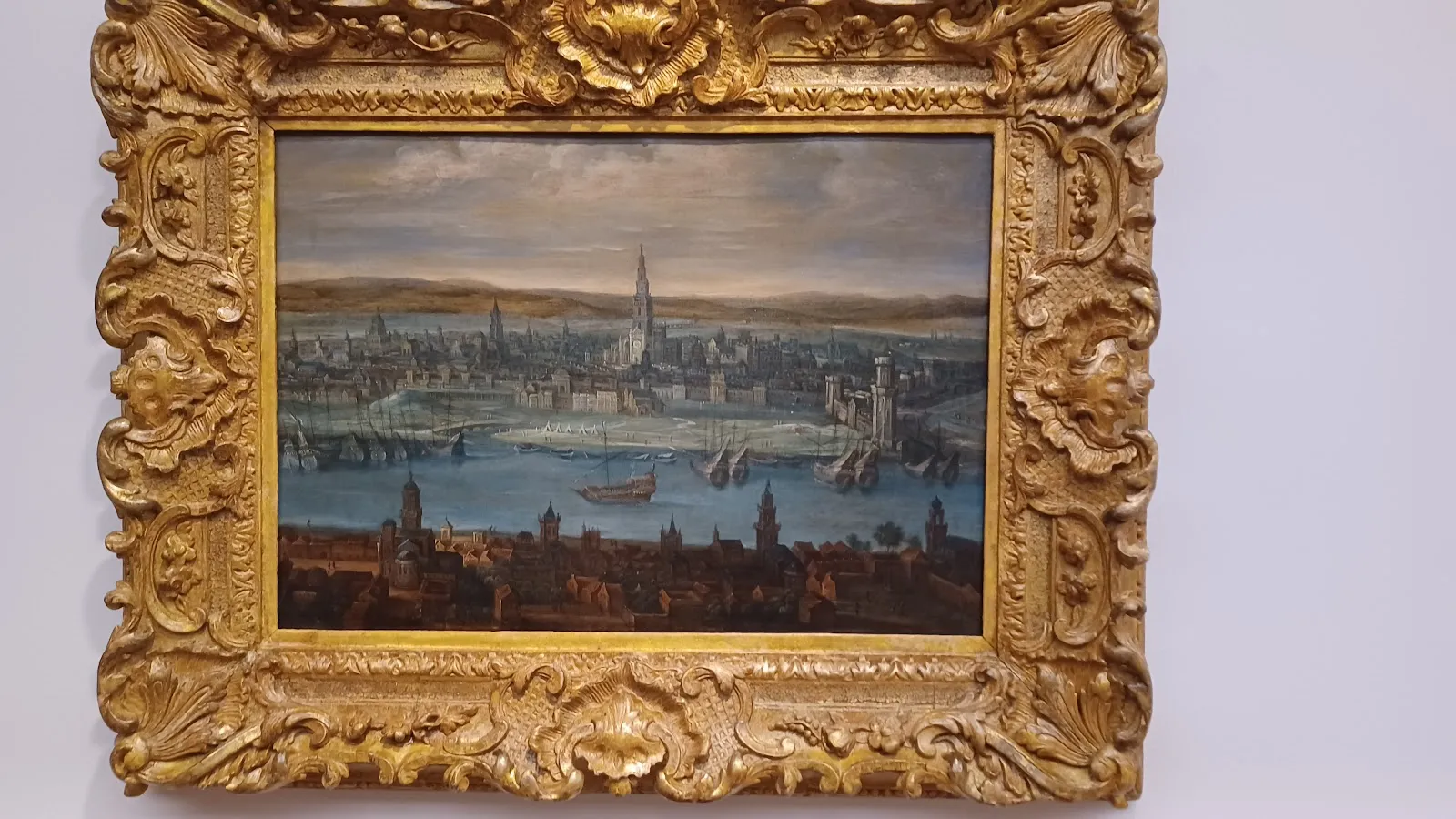
The museum occupies the former convent of La Merced Calzada de la Asunción, at Plaza del Museo in Seville’s old town. The building dates to 1594 and underwent major work in the early 17th century under architect Juan de Oviedo y de la Bandera. Its courtyards and formal architecture make the setting part of the visit, not simply a backdrop for the galleries.
The museum was established in 1835 and opened to the public in 1841. Its early holdings included works from convents and monasteries that were closed during the confiscations of the 1830s. Donations and public acquisitions later added to the collection.
Sevillian painting and Spanish art
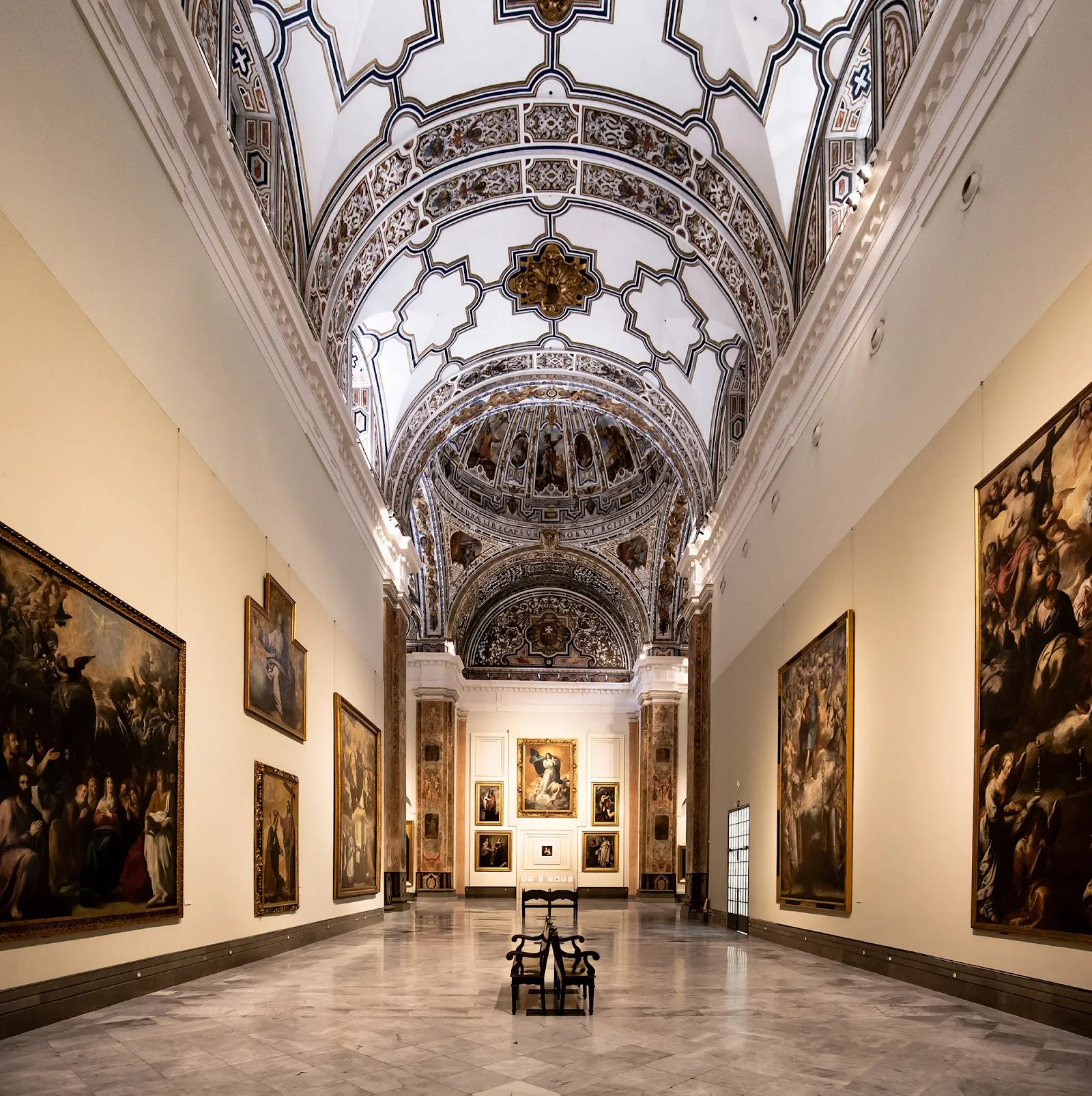
The collection covers Spanish visual art from the medieval period to the early 20th century. Its central strength is painting from Seville’s 17th-century Golden Age, with works by Bartolomé Esteban Murillo, Francisco de Zurbarán, Juan de Valdés Leal and Francisco de Herrera the younger. Murillo has a dedicated salon, and the museum’s holdings include more than a dozen of his canvases.
Works by Diego Velázquez are among the other reasons to come, alongside paintings by artists such as El Greco, Goya and Francisco Pacheco. The galleries also include sculpture, ceramics and decorative art. Later works bring Seville’s art into the 19th and early 20th centuries, including scenes of local life.
How to make time for the galleries
The collection’s religious paintings form a substantial part of the visit, including dramatic Baroque works. If that subject matter is not what you want to spend your time on, other galleries show different kinds of art and objects connected with daily life. The museum is compact enough to explore at an unhurried pace without treating every room as a separate outing.
Look up from the art to take in the convent’s courtyards and interior spaces. The museum has a marked route through the galleries, and interpretive information is available in English and Spanish in some areas; other material is in Spanish only. The museum is closed Mondays. On Tuesday through Saturday, it stays open into the evening, which gives you a later option for visiting.
Häufige Fragen
What kind of art is in the Seville Museum of Fine Arts?
The collection spans Spanish art from medieval times to the early 20th century, with a strong focus on Sevillian Baroque painting. It also includes sculpture, ceramics and decorative works.
Which artists should I look for?
Look for paintings by Murillo, Zurbarán, Velázquez, Valdés Leal and Francisco de Herrera the younger. Murillo has a dedicated salon.
Is the museum open on Mondays?
No. The museum is closed on Mondays.
Is the museum wheelchair accessible?
The entrance and restroom are listed as wheelchair accessible.