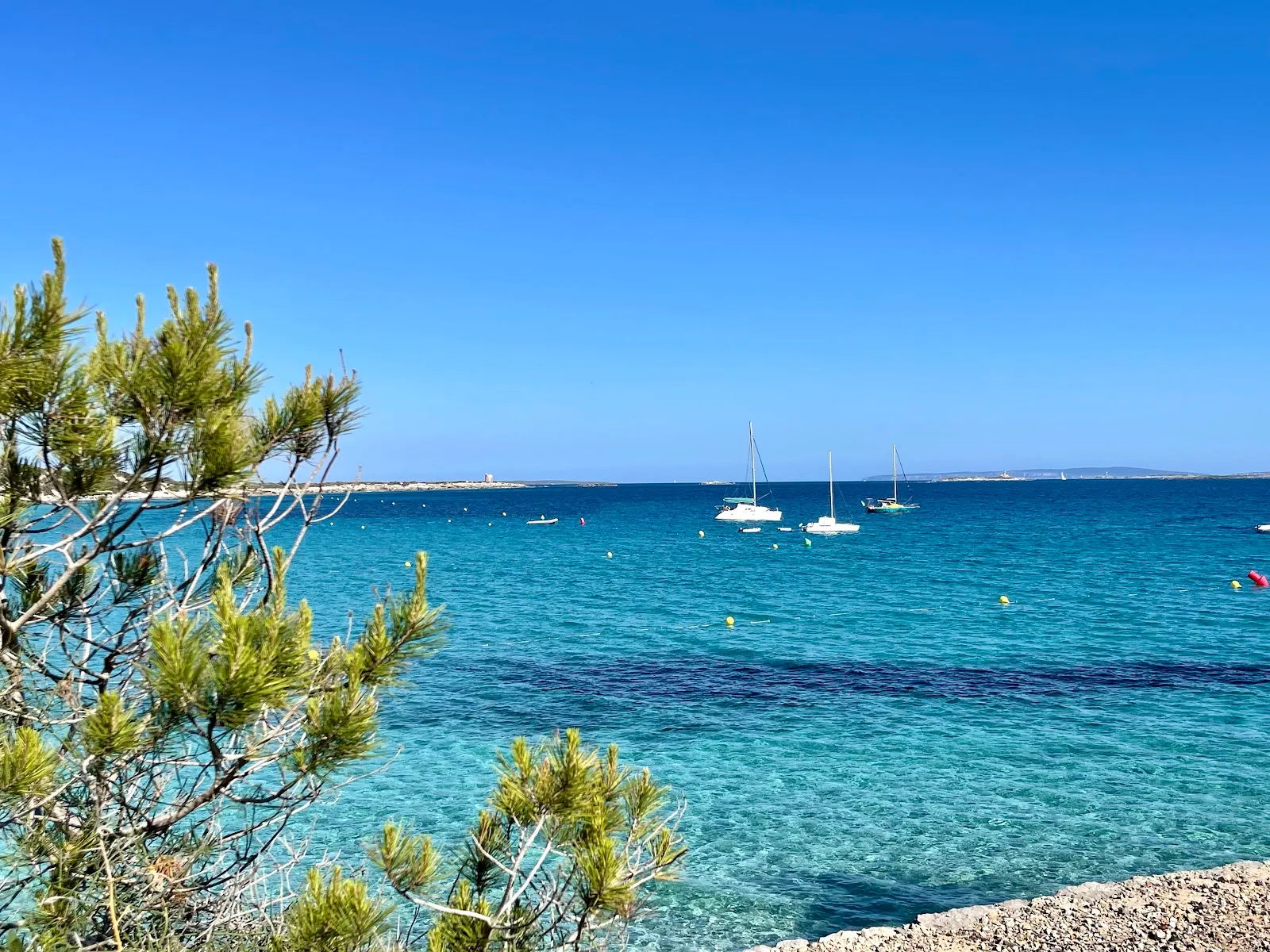
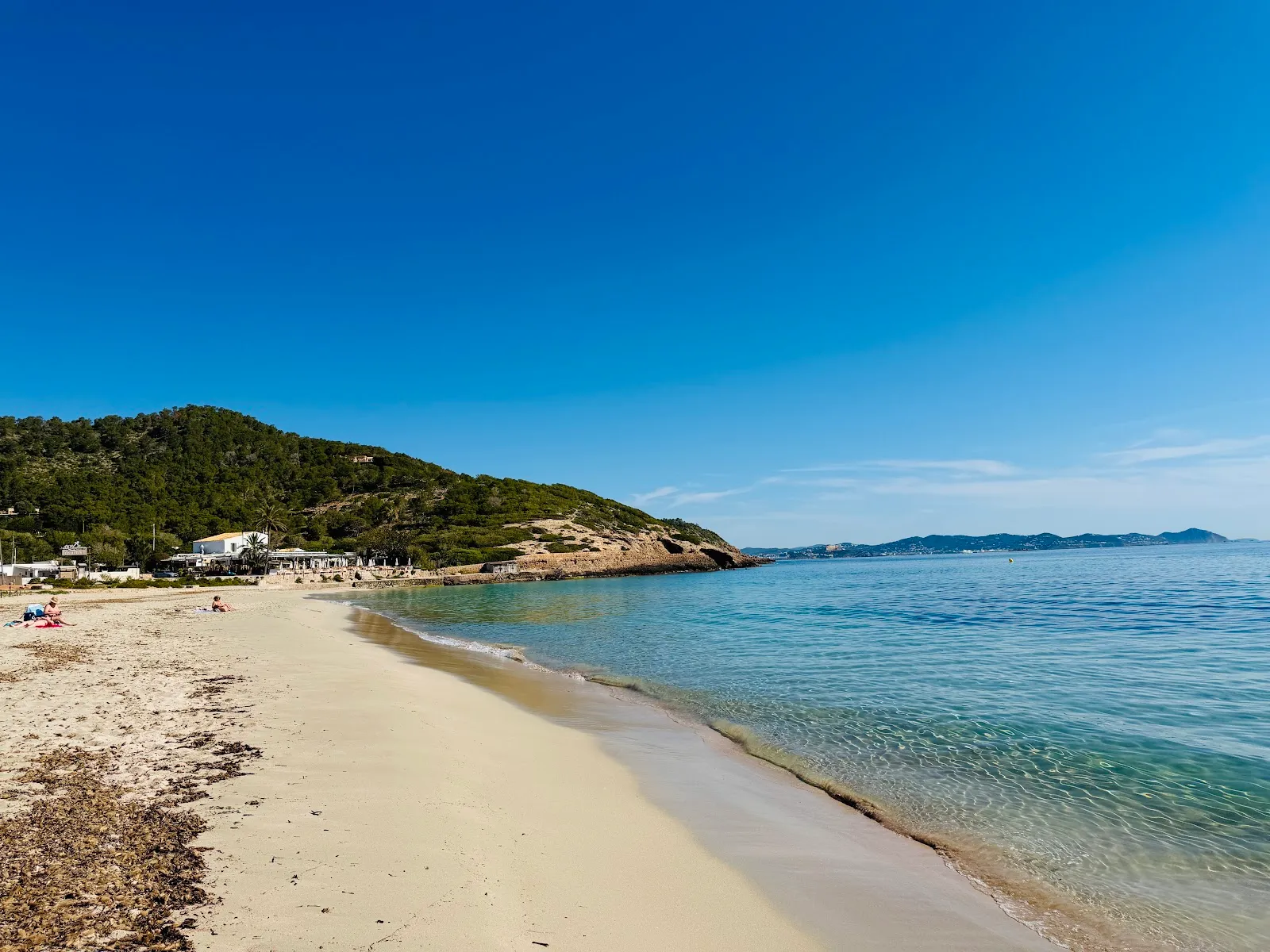
Parc Natural de ses Salines protects salt pans, wetlands, dunes, beaches and pine forests in southern Ibiza, extending across the sea to northern Formentera. Walk through the varied coastal habitats, watch for flamingos, black stilts and avocets, and look across the lakes as the light changes at sunset. Salt is still produced here using traditional methods. The park is a good choice for a quieter nature stop, especially if you want to see Ibiza beyond its beaches and nightlife.
A protected landscape across two islands
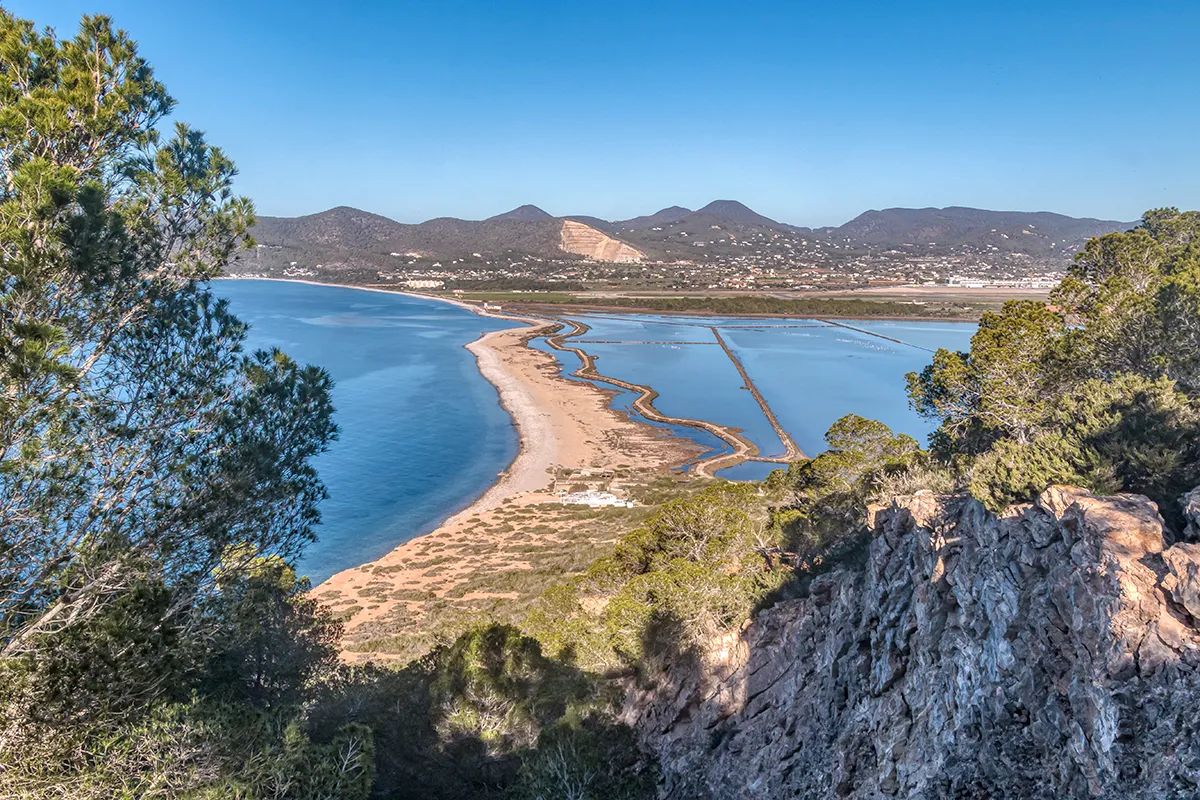
Parc Natural de ses Salines covers the southern part of Ibiza and the northern part of Formentera, as well as the sea channel between them. Its protected habitats include salt flats, wetlands, beaches, dunes and forests. The marine area is also important: underwater meadows of Posidonia oceanica seagrass grow in the waters between the islands. These meadows are part of the natural value recognised by the area’s UNESCO World Heritage status.
The park’s mix of land and sea habitats makes it a place to notice how the landscape changes as you move between the coast, marshes and pine woodland. The salt pans are both a working landscape and a habitat for wildlife. Traditional salt production continues in the park.
Birdlife and the salt pans
The wetlands and salt pans provide habitat for more than 200 bird species. Flamingos are among the most familiar, with a seasonal presence from January to July. Black stilts and avocets are also found here. Bring time for quiet observation, particularly around the lakes, where birds and changing light make a sunset visit rewarding.
The salt pans have another draw at dusk: their surfaces can reflect the colours of the sky. On evenings when the sunset turns especially red, the water and salt flats can take on a vivid colour. A car can help you reach different viewpoints and find a suitable place to stop, though the park’s landscape is also explored on foot.
Finding information on Ibiza and Formentera
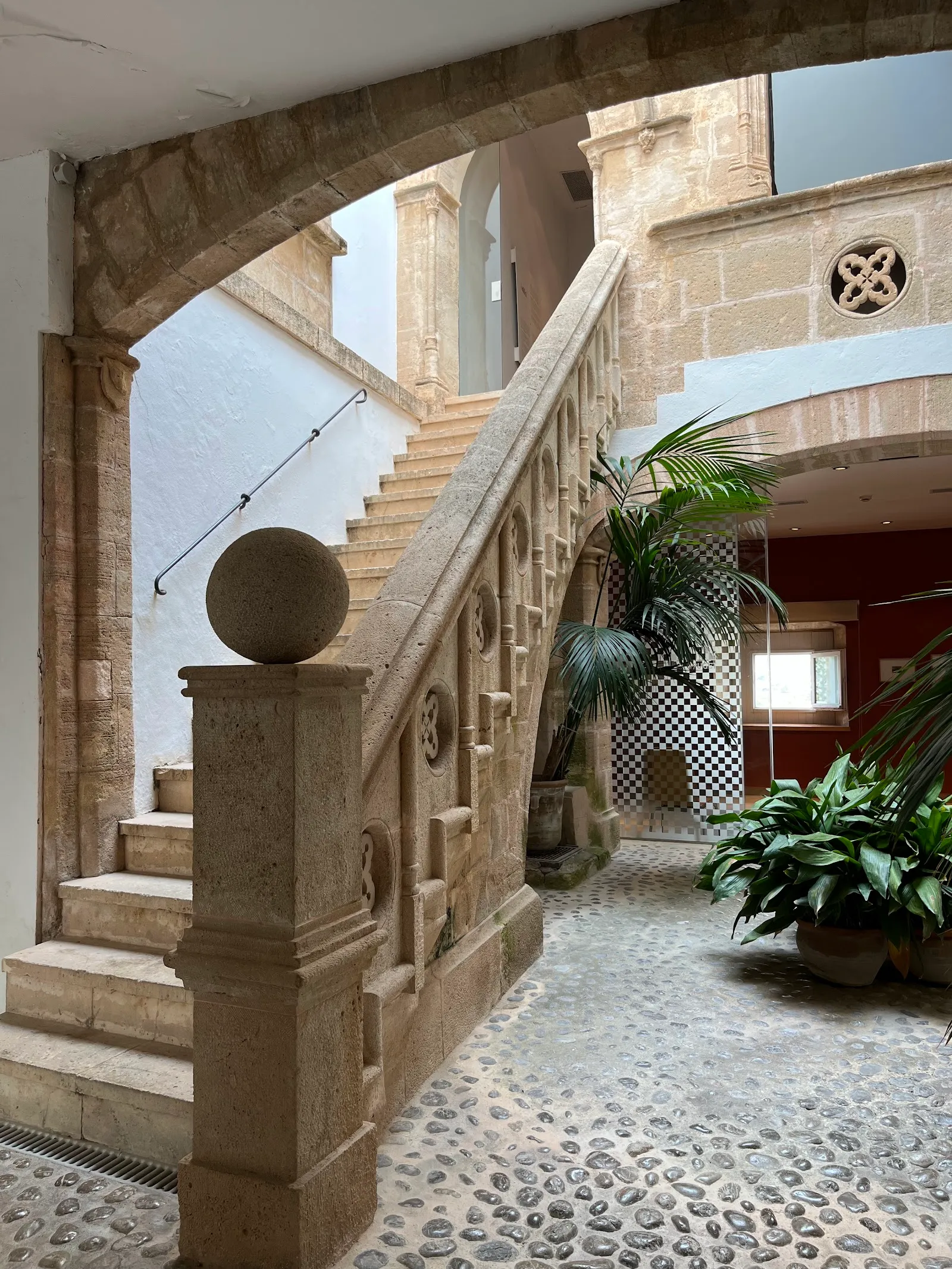
On Ibiza, the Interpretation Center is in Sant Francesc de s’Estany, inside the 18th-century Iglesia de Sant Francesc. Its exhibits cover the park’s flora and fauna, providing context before or after time outdoors. On Formentera, the park’s Welcome Center is at Can Marroig.
The park extends across both islands, so a visit focused on Ibiza covers only part of the protected area. If you want to understand its wider geography, consider including the Formentera side too. Local guides can also explain how salt is collected using traditional methods.
Häufige Fragen
When can you see flamingos at Ses Salines?
Flamingos are present in the park from January to July.
What wildlife can you look for in the park?
Birdlife includes flamingos, black stilts and avocets. The park provides habitat for more than 200 bird species.
Where is the interpretation center on Ibiza?
It is in Sant Francesc de s’Estany, in the 18th-century Iglesia de Sant Francesc.
Does Ses Salines Natural Park include Formentera?
Yes. The protected area includes southern Ibiza, northern Formentera and the sea channel between the islands.