Changdeokgung is a Joseon-era royal palace at 99 Yulgok-ro in Seoul’s Jongno District, east of Gyeongbokgung. Built in the early 15th century, it is a UNESCO World Heritage Site known for palace buildings arranged to fit the surrounding landscape. Walk among its courtyards and pavilions, then join a guided tour of Huwon, the rear garden, with its ponds, trees and shaded paths. Garden tours have limited places, so plan ahead if Huwon is a priority.
A palace shaped by its setting
King Taejong ordered Changdeokgung built in the early 15th century as a second palace to Gyeongbokgung. It later became a principal royal residence, and many Joseon kings governed from here. The palace is also known as Donggwol, or the Eastern Palace, because of its position east of Gyeongbokgung.
The complex was laid out to follow the land rather than impose a rigid plan on it. Its buildings, courtyards and garden sit among the natural contours of the site. This approach gives Changdeokgung a different feel from a palace planned around a single formal axis: the grounds unfold as a sequence of spaces integrated with trees and landscape.
Changdeokgung is one of Seoul’s best-preserved Joseon palaces and is listed as a UNESCO World Heritage Site. Many buildings have been restored over time, so the surviving complex reflects both its history and later conservation work.
Courtyards, halls and royal quarters
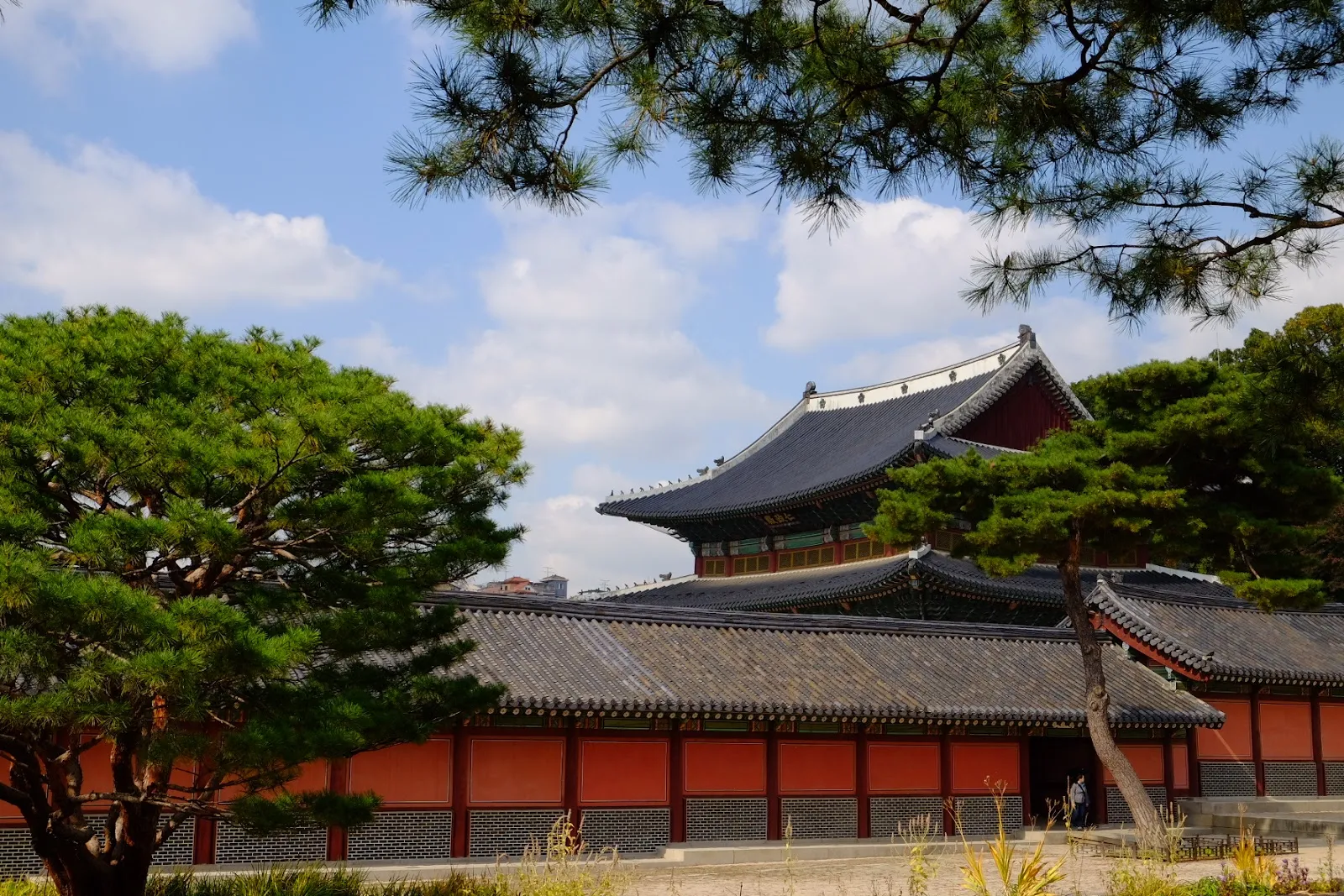
The palace’s buildings served different parts of court life. The complex included areas for administration, royal residence and formal audiences. Look closely at the tiled roofs and their carved brackets, as well as the colour and detail on the palace structures.
Donhwamun, the main entrance gate, has a two-storey wooden pavilion. Injeongjeon Hall contains the throne room and is one of the important buildings to look for during a visit. The residential quarters and administrative buildings give a sense of how the palace accommodated both the royal household and the work of government.
Changdeokgung was damaged in periods of conflict and later underwent restoration. Although many of the structures visible today are not the original buildings, the complex retains architectural details and an arrangement that show how the palace related to its surroundings.
Joining a Huwon garden tour
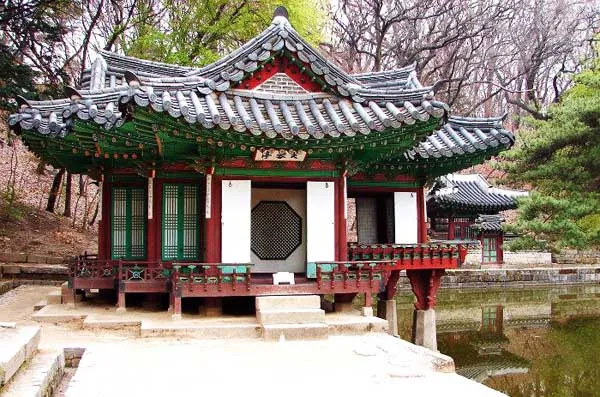
Huwon, the rear garden, was created as a place of rest for the royal family. Its wooded paths, ponds and pavilions sit within the broader palace grounds, where the landscape remains a central part of the experience. The garden is not simply another courtyard of formal buildings: its trees and open spaces give the visit a quieter, more natural character.
Entry to Huwon is by guided tour, and places are limited. Tours run for about an hour. Check the official palace website for current booking details and tour arrangements before setting out, and reserve ahead if the garden is a priority. Same-day places can sell out, so an early arrival can help if you have not booked.
Set aside at least three hours for the palace and garden if you want to explore at an unhurried pace. Changdeokgung is close to Changgyeonggung, and a gate in the wall between the two palaces connects their grounds. Their separate ticketing means that visiting both requires planning for each site.
Häufige Fragen
How long should I spend at Changdeokgung?
Allow at least three hours to explore the palace grounds at a leisurely pace. The Huwon garden tour takes about an hour.
Do you need a guided tour to visit Huwon?
Yes. Huwon is visited on a guided tour, and places are limited.
Should I book the Secret Garden tour in advance?
Yes. Advance booking is recommended because tours can sell out.
Is Changdeokgung closed on any day?
Changdeokgung is closed on Mondays.