On Dundee’s waterfront, Discovery Point tells the story of RRS Discovery, the ship built in the city for Captain Robert Falcon Scott’s 1901 Antarctic expedition. Explore galleries with original artefacts, photographs and interactive displays, then go aboard the three-masted wooden vessel to see its cramped working spaces and ongoing conservation. The Discovery Dome adds a 360-degree audiovisual look at Dundee and the River Tay. After your visit, 77 Degrees South cafe serves coffee, tea and a selection of food.
The ship built for an Antarctic expedition
RRS Discovery was built in Dundee for the British National Antarctic Expedition led by Captain Robert Falcon Scott. Scott and Ernest Shackleton sailed on the ship during its 1901 to 1904 voyage. The vessel was designed for scientific research, and its story links Dundee’s shipbuilding past with the expedition’s work in Antarctica.
The ship later returned to Dundee, where it is now moored beside the visitor centre. Its three masts and wooden hull are a striking presence on the waterfront, but the displays inside Discovery Point give the vessel a wider context: the people who sailed in it, the research they carried out and the conditions of life aboard.
Inside the galleries and Discovery Dome
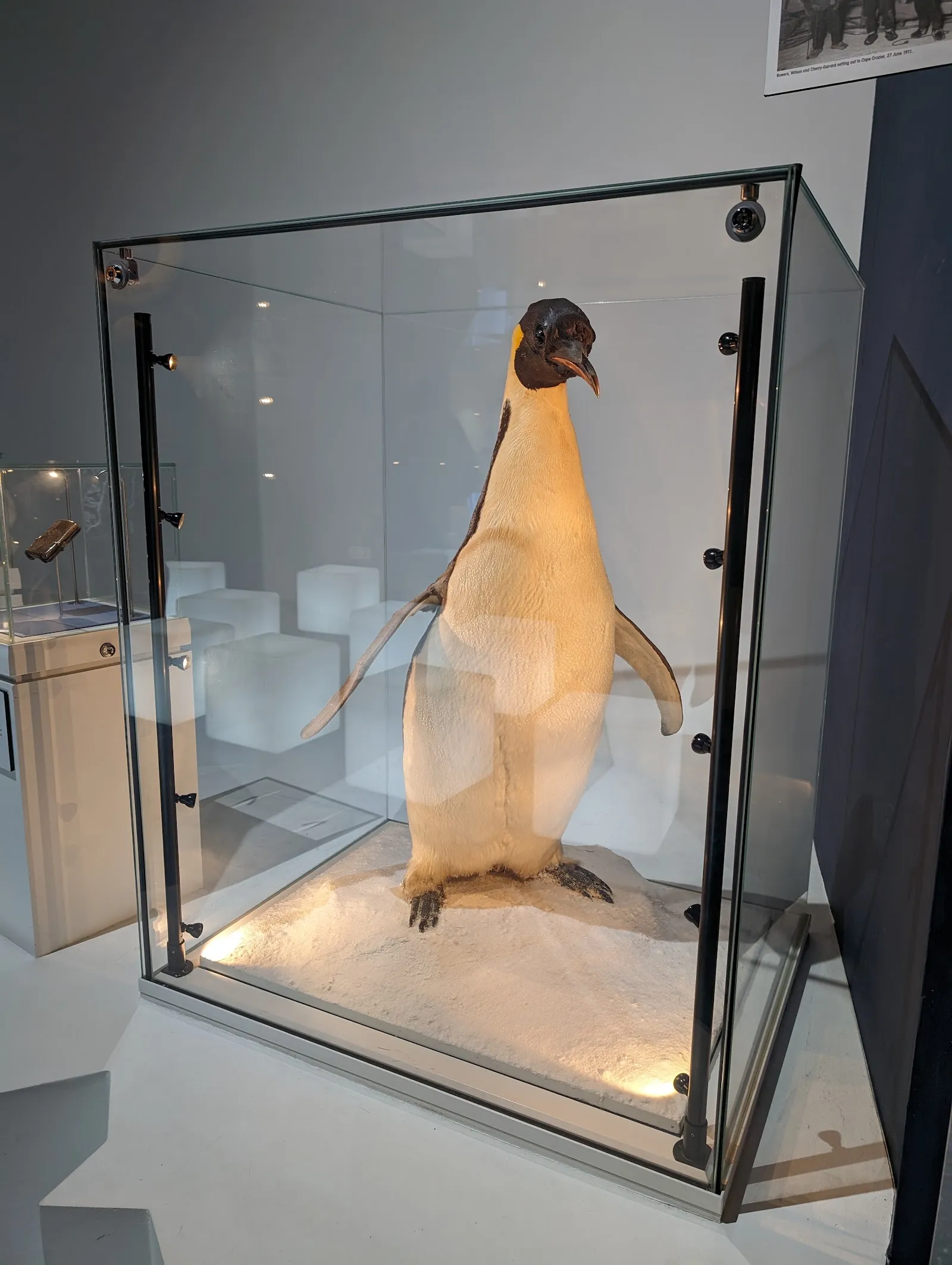
The museum’s displays bring together original artefacts, photographs and accounts connected to the expedition. Interactive exhibits cover the ship, its crew and their work, giving children and adults activities to explore alongside the historical material. The photographs offer a record of the expedition, while the displays explain the practical demands of travel and research in Antarctic conditions.
The Discovery Dome uses 360-degree audiovisual presentation to take visitors back to Dundee in 1901, when the ship was being prepared for its voyage. The screens then reveal views across the present-day waterfront and the River Tay. It adds a view of the city’s shipbuilding setting to the expedition story.
Going aboard RRS Discovery
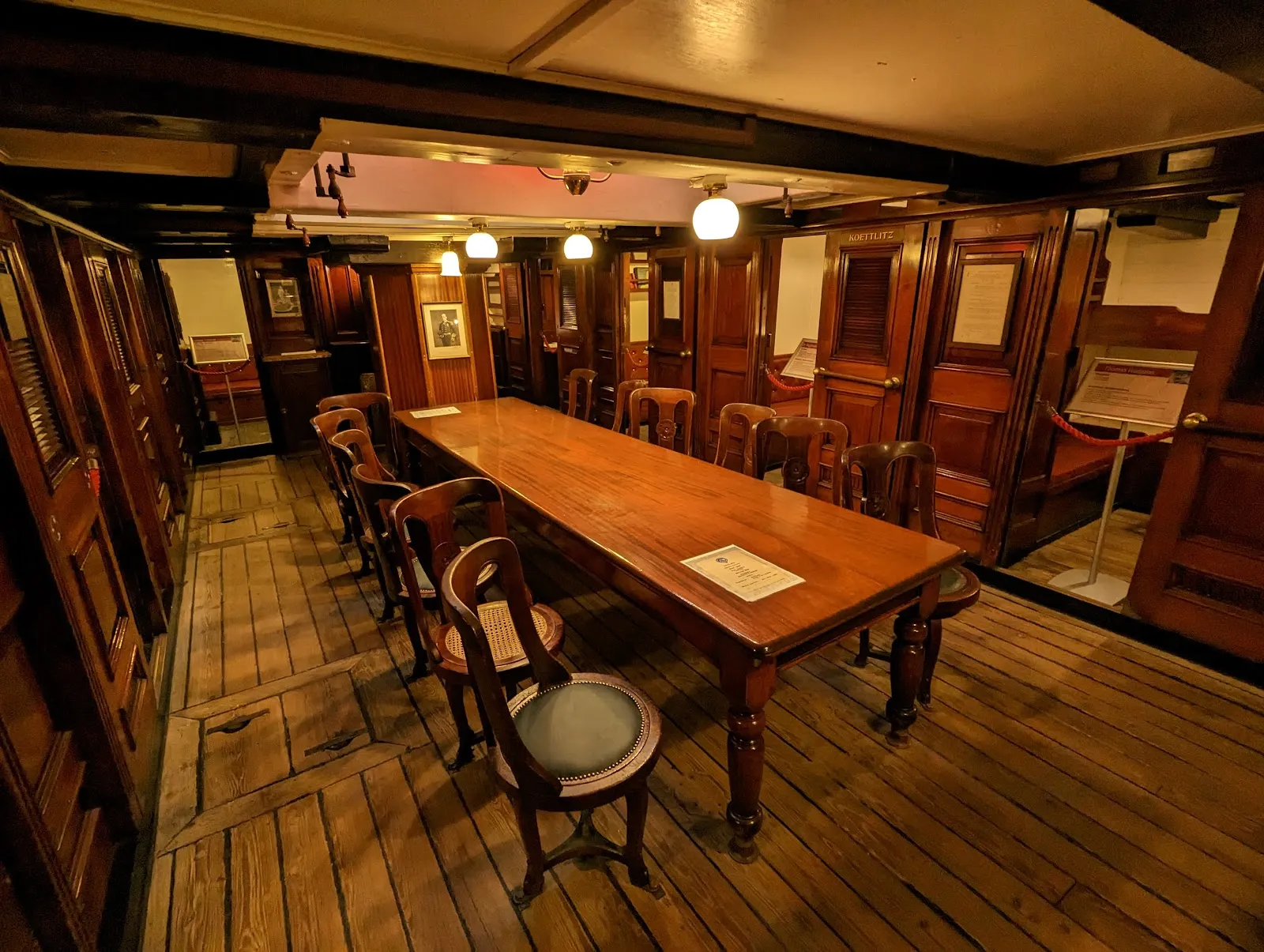
A visit to the ship lets you move through spaces used by the crew and see how close together the working and living areas were. The bridge, galley, officers’ wardroom and cabins associated with Scott and his crew are among the places described in the material. The ship’s layout helps make the realities of an expedition voyage tangible, from the duties carried out on board to the limited space available.
Conservation work continues on the vessel. Visitors may see restoration in progress, including work by shipwrights. The activity gives a view of the care needed to preserve the ship, as well as a sense of the building and repair work involved in keeping a wooden vessel in serviceable condition.
Access and a cafe stop
The museum’s exhibition areas have step-free access, but the historic ship is different: its steep companionways and narrow gangways prevent wheelchair access onto the decks. You can still view the vessel from beside it in the dry dock. This distinction is useful to know when planning your visit.
The on-site cafe, 77 Degrees South, serves coffee and tea and has a selection of food. It makes a convenient stop after exploring the galleries and ship. If you are driving, City Quay car park is a short walk from Discovery Point.
Häufige Fragen
Can wheelchair users board RRS Discovery?
No. The ship’s steep companionways and narrow gangways prevent wheelchair access onto the decks. The exhibition areas are accessible, and the ship can be viewed from beside it in the dry dock.
What can you see at Discovery Point?
The museum has expedition artefacts, photographs and interactive displays. You can also explore RRS Discovery and visit the Discovery Dome’s 360-degree audiovisual presentation.
How long is a ticket valid?
The ticket doubles as a one-year pass, so you can use it for return visits during that period.
Is there a cafe at Discovery Point?
Yes. 77 Degrees South serves coffee and tea and has a selection of food.