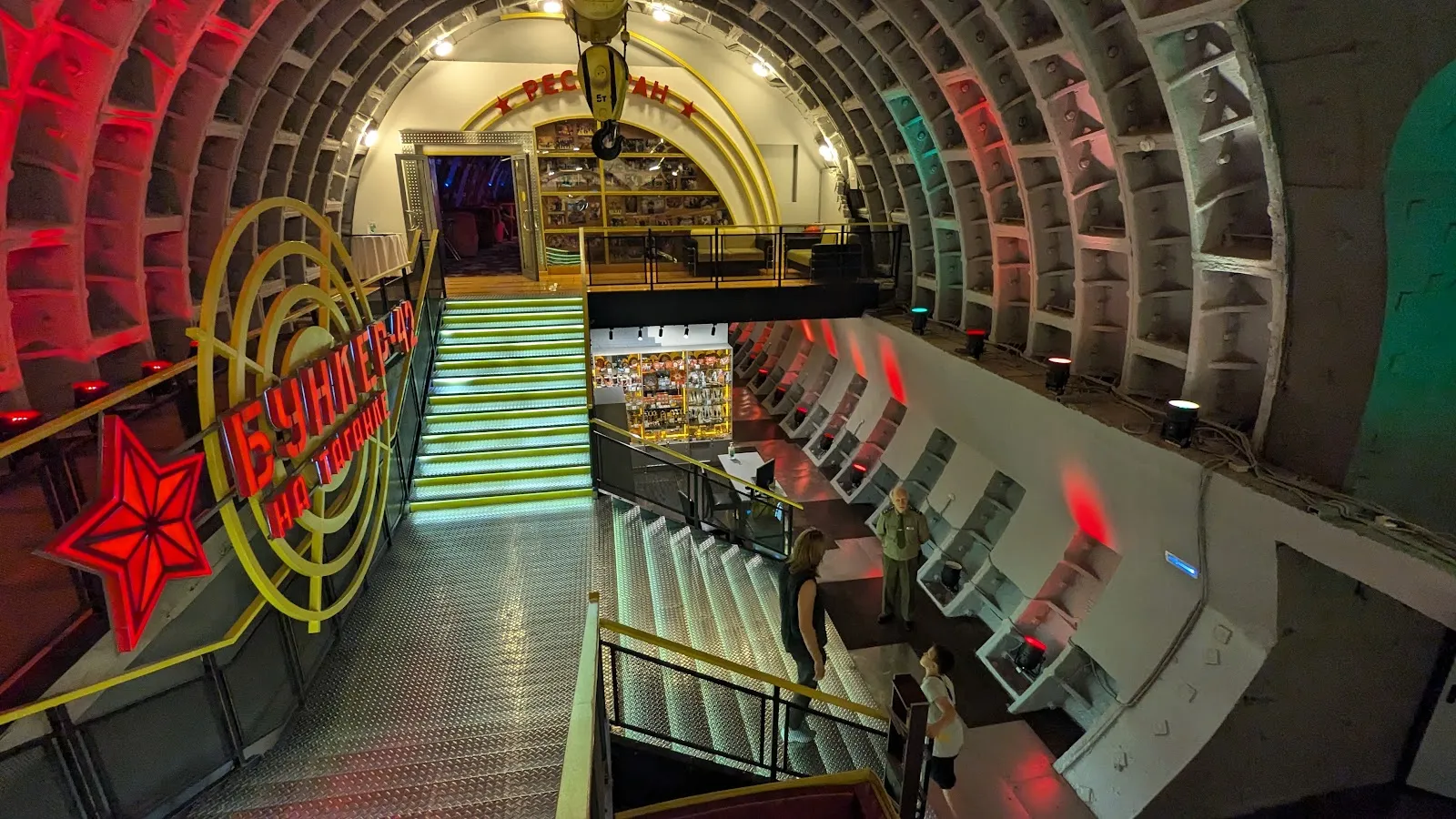
Bunker-42 is a former Soviet Cold War command post beneath Moscow’s Taganka district, now open as a museum. The complex lies 65 metres underground, where guided tours take you through narrow corridors, heavy blast doors and rooms once used by the Long-Range Aviation Headquarters. Displays include equipment, weapons and films connected with the period. The descent and nearly 20 flights of stairs are part of the visit, so plan for a physically demanding tour. If you do not speak Russian, arrange a translator to follow the historical explanations.
A command post beneath Taganka
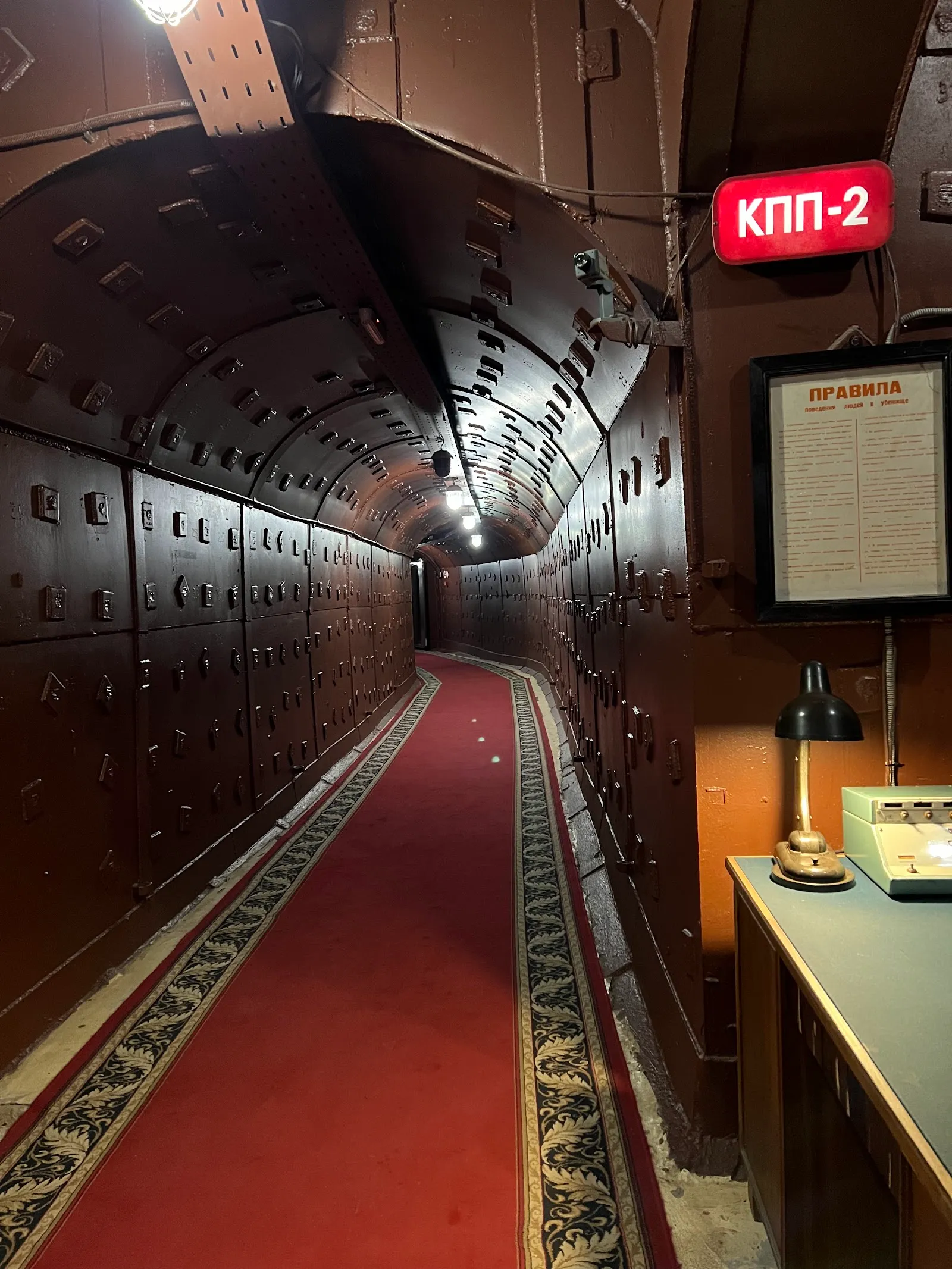
Bunker-42 was built in the 1950s as a protected facility for a possible nuclear attack. Its construction was kept secret: the site was referred to as a metro substation, and the bunker tunnels had access to Taganskaya metro station. The complex was accepted as a secret facility in 1956. Officers and employees of the Long-Range Aviation Headquarters then kept watch around the clock.
The site served as a spare command post for Soviet long-range aviation. It is 65 metres below ground and covers 7,000 square metres. Its former names included An-02, FS-293, FS-572 and GO-42; today it is known as Bunker-42 and houses the Cold War Museum. The bunker’s existence remained classified until 1995.
What you see underground
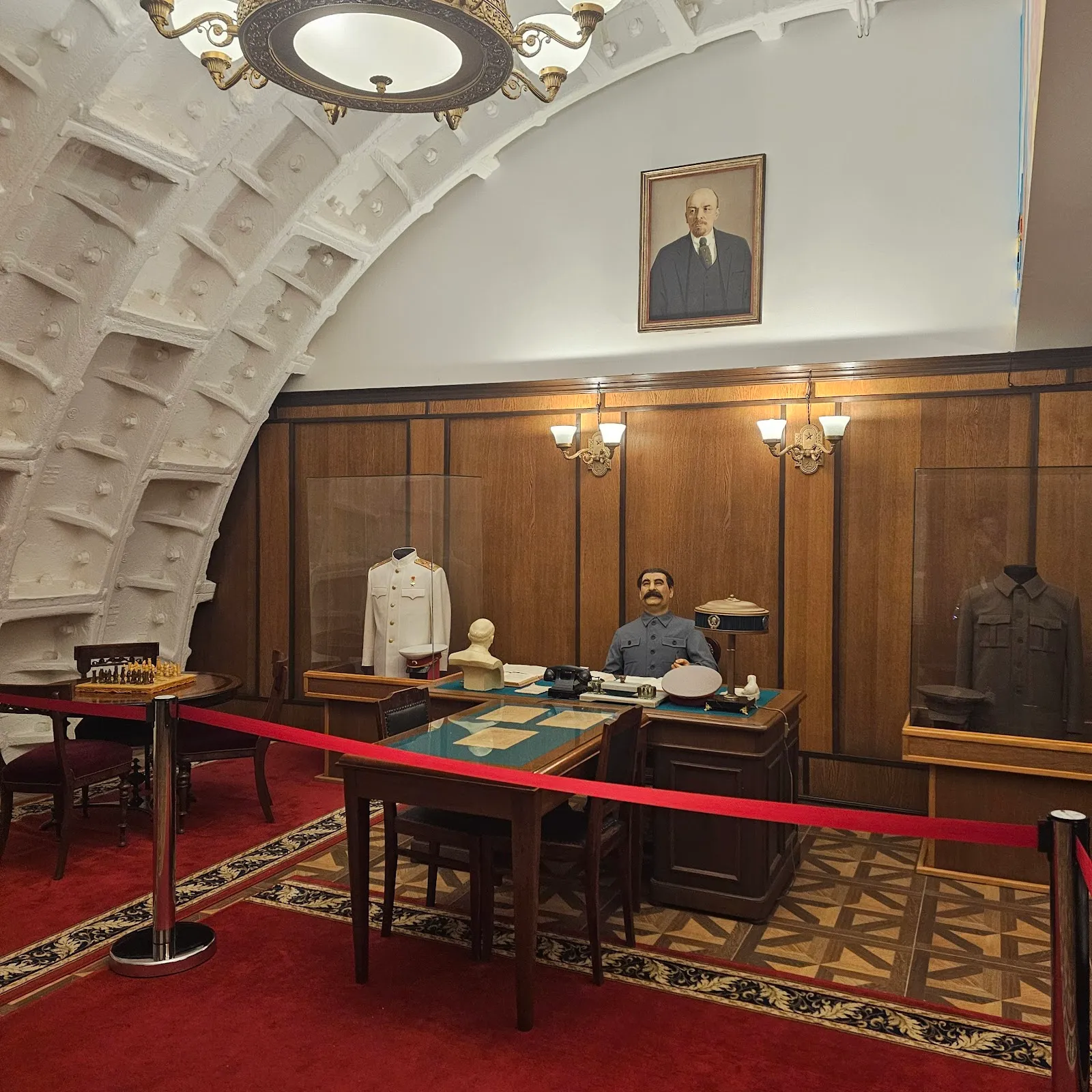
The visit leads through a network of narrow corridors and heavy blast doors, with equipment from the bunker’s working life on display. Rooms include underground work areas and living quarters furnished with basic necessities. Exhibits also include old objects, weapons and films or documentaries related to the Soviet era and preparations for nuclear conflict.
The bunker was conceived as an autonomous shelter, with supplies of water and food stored for an extended period. Its underground setting and practical rooms give context to the facility’s intended role: a protected place from which military staff could continue working during a crisis. The depth, enclosed passages and blast doors are central to understanding how the complex was designed.
Planning the tour
Bunker-42 is visited on a guided tour, which helps explain the history and purpose of the rooms as you move through the complex. Tour schedules should be checked before you go; the supplied information says tours operate hourly. The route involves almost 20 flights of stairs, so allow for a substantial climb and descent rather than treating the visit as an easy walk through a conventional museum.
The historical explanations may be difficult to follow if you do not speak Russian. Arranging a translator can help you understand the tour. The bunker is at 5-Y Kotel'nicheskiy Pereulok, 11, in Moscow’s Taganka district. Its underground passages, former command rooms and period displays make the visit most relevant to travellers interested in Soviet history and Cold War military infrastructure.
Häufige Fragen
How deep is Bunker-42?
The complex is 65 metres below ground.
How many stairs are there at Bunker-42?
Visitors should prepare to navigate almost 20 flights of stairs during the visit.
Are visits guided?
Yes. Guided tours take visitors through the bunker and explain its history; check the tour schedule in advance.
What can you see inside Bunker-42?
The museum includes narrow corridors, heavy blast doors, underground work rooms and living quarters, along with period equipment, weapons and films.