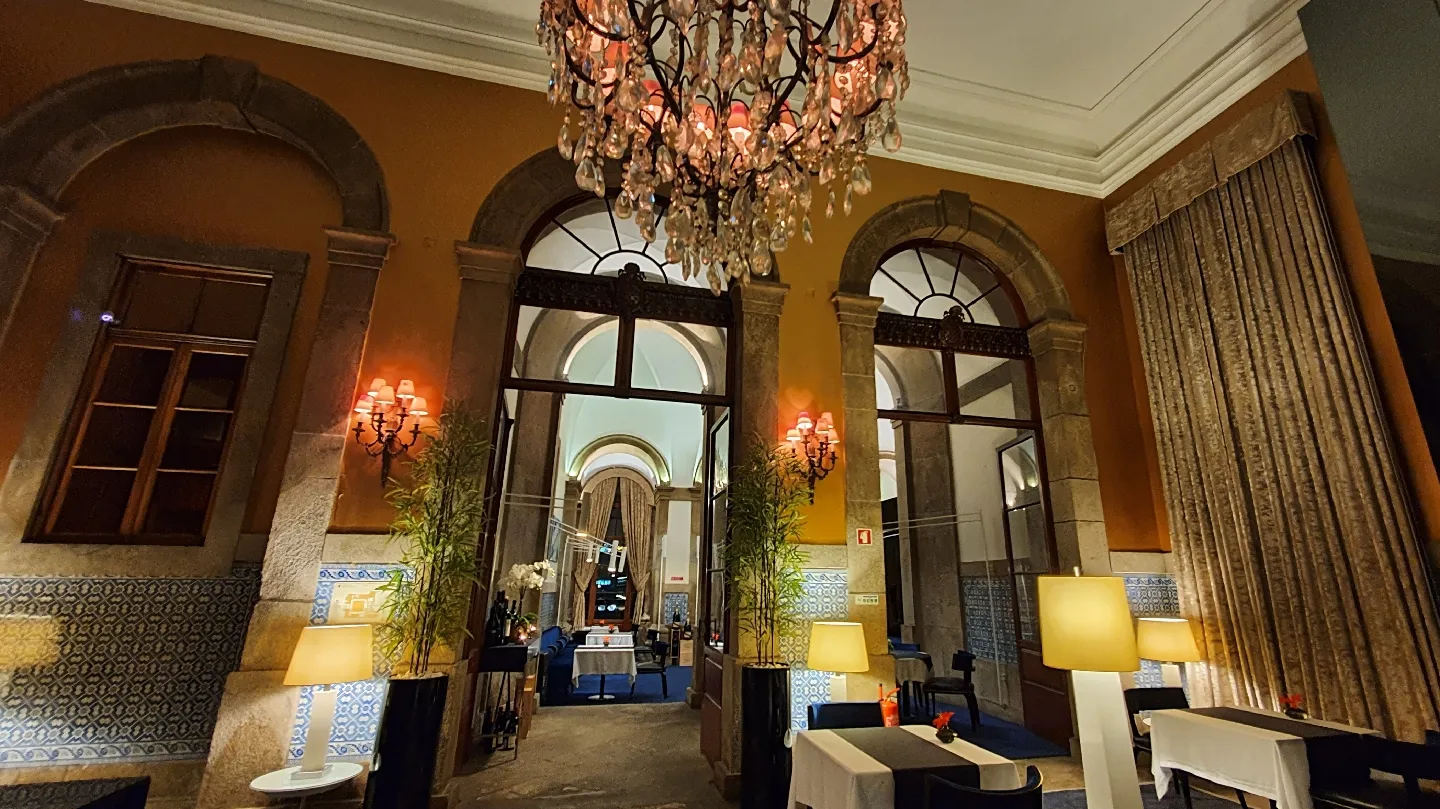
At Quinta do Campo Alegre in Porto, this four-hectare botanical garden brings together romantic-era paths, ponds, greenhouses and collections of plants from different climates. Look for the garden’s old camellias, rose beds, cacti, rhododendrons and water lilies, or take a quiet walk through the arboretum. The garden is free to enter; the adjoining museum has an admission fee. Spring is a good time to see flowers in bloom. Some paths lie close to a busy road, so traffic noise can be heard in parts of the grounds.
A garden on the Campo Alegre estate
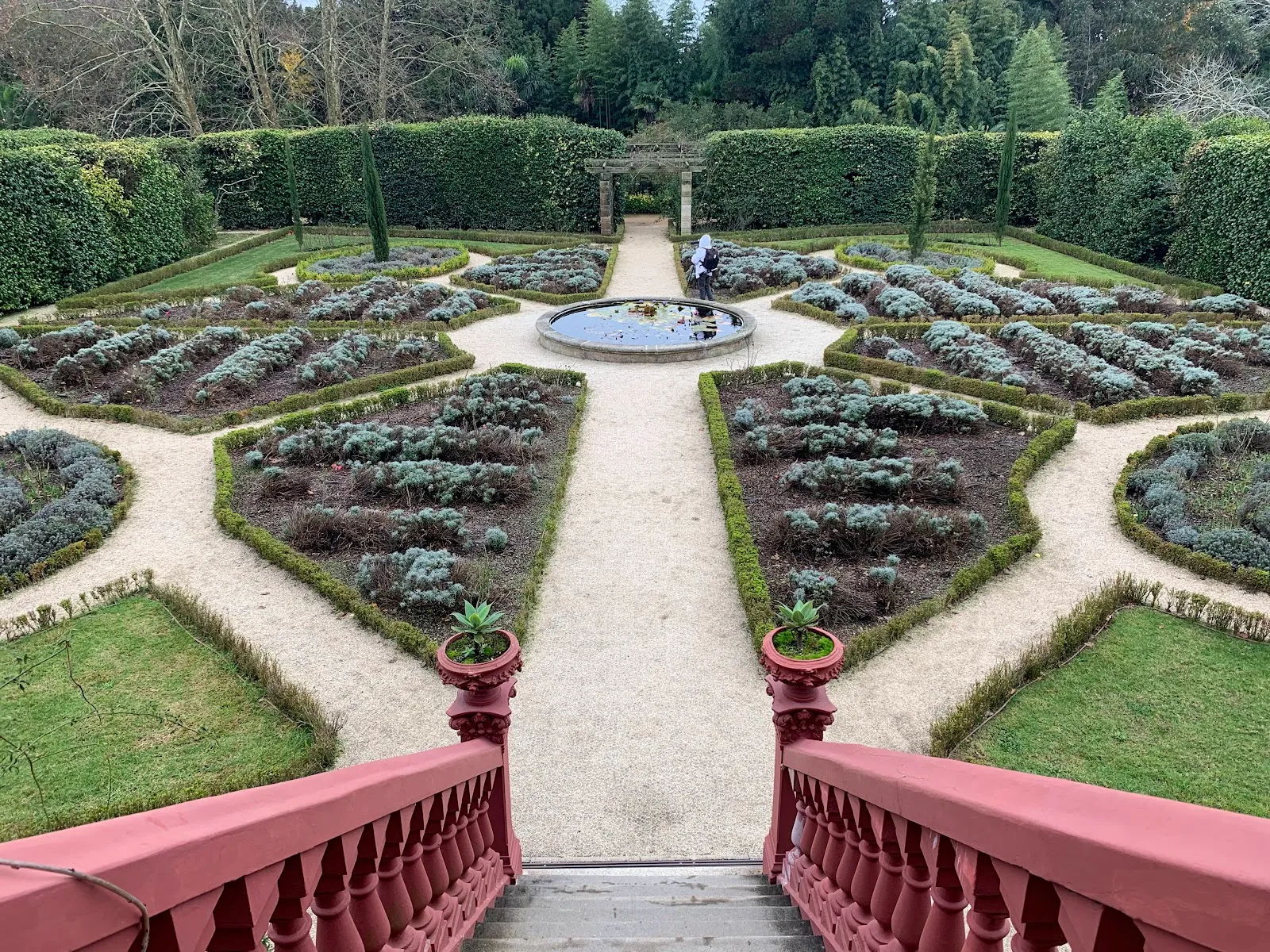
The Botanical Garden of Porto occupies part of Quinta do Campo Alegre, also known as the Andresen House estate. In 1895, port wine merchant João Henrique Andresen acquired the property to create a large romantic garden. The government took possession of the estate about fifty years later, and it became the city’s botanical garden.
The grounds cover nearly four hectares. The Andresen house anchors the estate, while paths connect a range of garden areas, an arboretum and ponds. The romantic garden retains a layout dating to the late 19th century. Its design and planting make a slow walk a good way to explore: the grounds are divided into smaller spaces, each with its own plants and character.
Plants, ponds and greenhouses
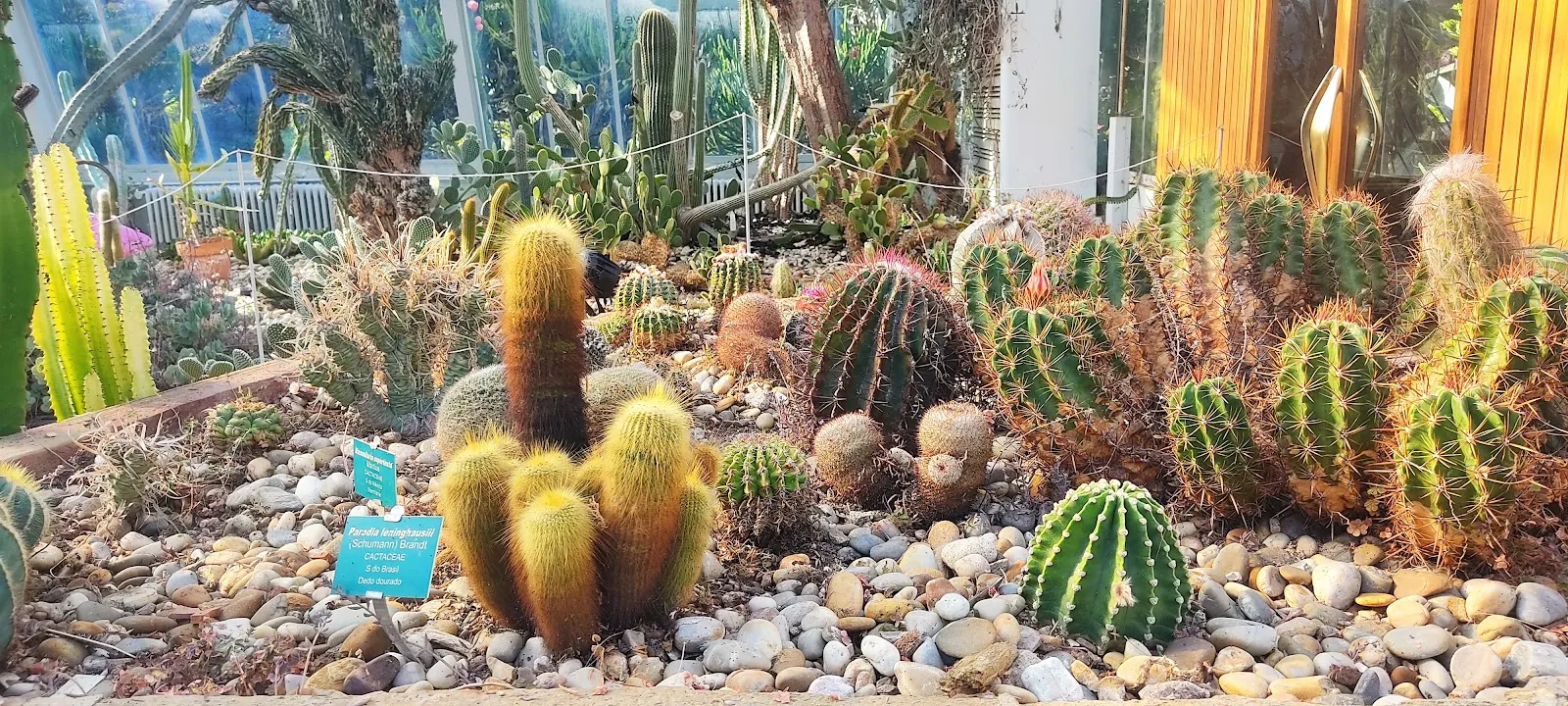
Plant collections span local and exotic species, with tropical and subtropical plants among them. The greenhouses include cacti and other warm-climate plants. Outside, look for roses, rhododendrons, water lilies and old camellias, a flower closely associated with Porto. Some camellias in the garden date to the 19th century.
The estate also has two lakes and several named garden areas, including a schist garden and a succulent-plant garden. A small arboretum adds trees to the mix. Rather than trying to cover every path quickly, take time to notice individual plants and the changes between the garden sections.
Adding the museum to your visit
The garden is part of the University of Porto’s Museum of Natural History and Science. The museum presents educational material on diversity and nature; the garden can be visited separately, with no admission charge. Museum entry has a fee, though the supplied information does not specify the amount.
Some visitors find the museum informative, while the garden itself is the main draw for a quiet outdoor visit. A café is also on the estate, beneath the main house. Parts of the grounds sit beside a busy road, where traffic noise can carry into the garden. Spring brings the garden’s flowers into bloom, making it a particularly rewarding season for a walk.
Häufige Fragen
Is Porto Botanical Garden free to enter?
Yes. The garden is free to visit. The adjoining museum has an admission fee.
What can you see at Porto Botanical Garden?
The grounds include roses, cacti, rhododendrons, water lilies, old camellias, ponds, greenhouses and an arboretum.
When is a good time to visit?
Spring is a good time to see flowers in bloom and fresh greenery.
Is there a museum at the botanical garden?
Yes. The garden is part of the University of Porto’s Museum of Natural History and Science, which has educational material about biodiversity and nature.