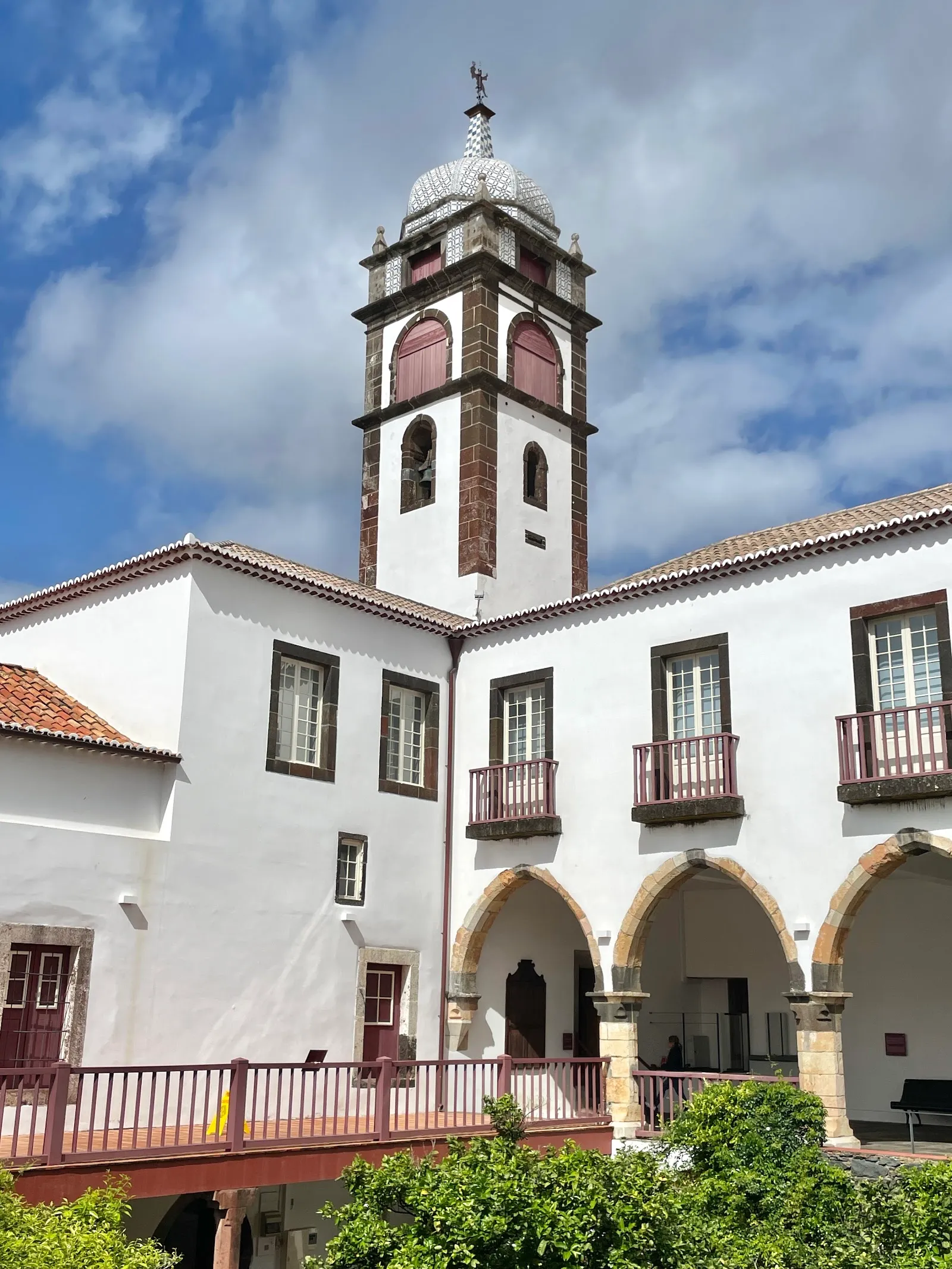
The Convent of Santa Clara is a 15th-century religious complex in Funchal, Madeira, with a church, chapels, an inner courtyard and rooms filled with historic art. Look for Hispano-Arabic tiles on the walls, carved wood with gold leaf, and restored paintings from the 17th and 18th centuries. The different spaces offer a quiet place to pause as well as a close look at Madeira’s religious and architectural history. Allow time to explore the rooms, and follow the signs that mark areas open to visitors.
A convent shaped by Funchal’s past
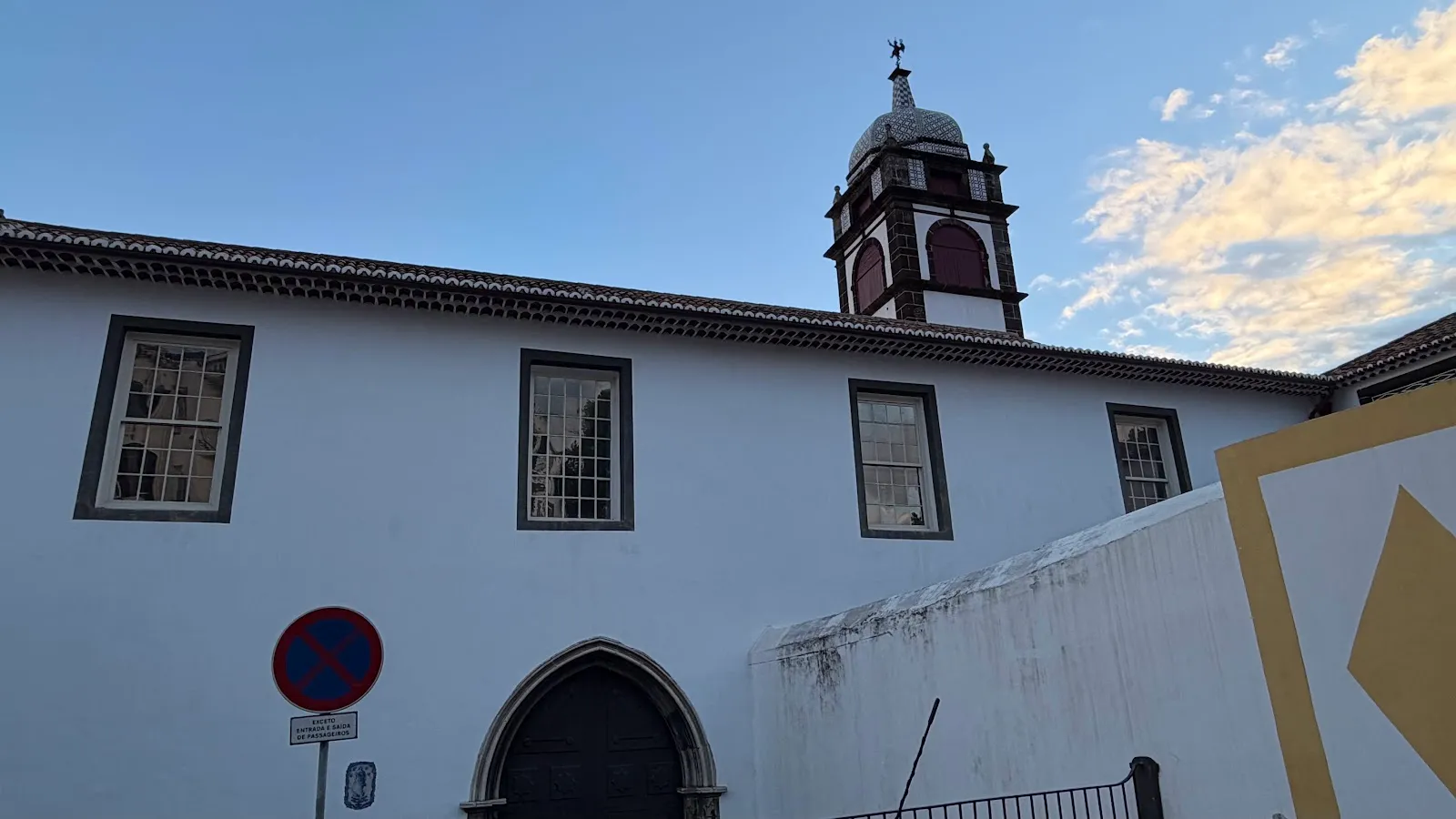
The Convent of Santa Clara dates to the 15th century and is closely tied to the history of Funchal. João Gonçalves da Câmara, a captain of Funchal, established the convent during a period when the island’s sugar trade was bringing economic and social change. It was a religious home for women from local noble families, including unmarried daughters and widows.
The complex gives visitors a sense of how religious life took place within the city. The church remains in use, while the convent’s rooms and chapels preserve objects and details associated with its long history. The building was occupied by a religious order of nuns until 1890.
Tiles, woodwork and paintings
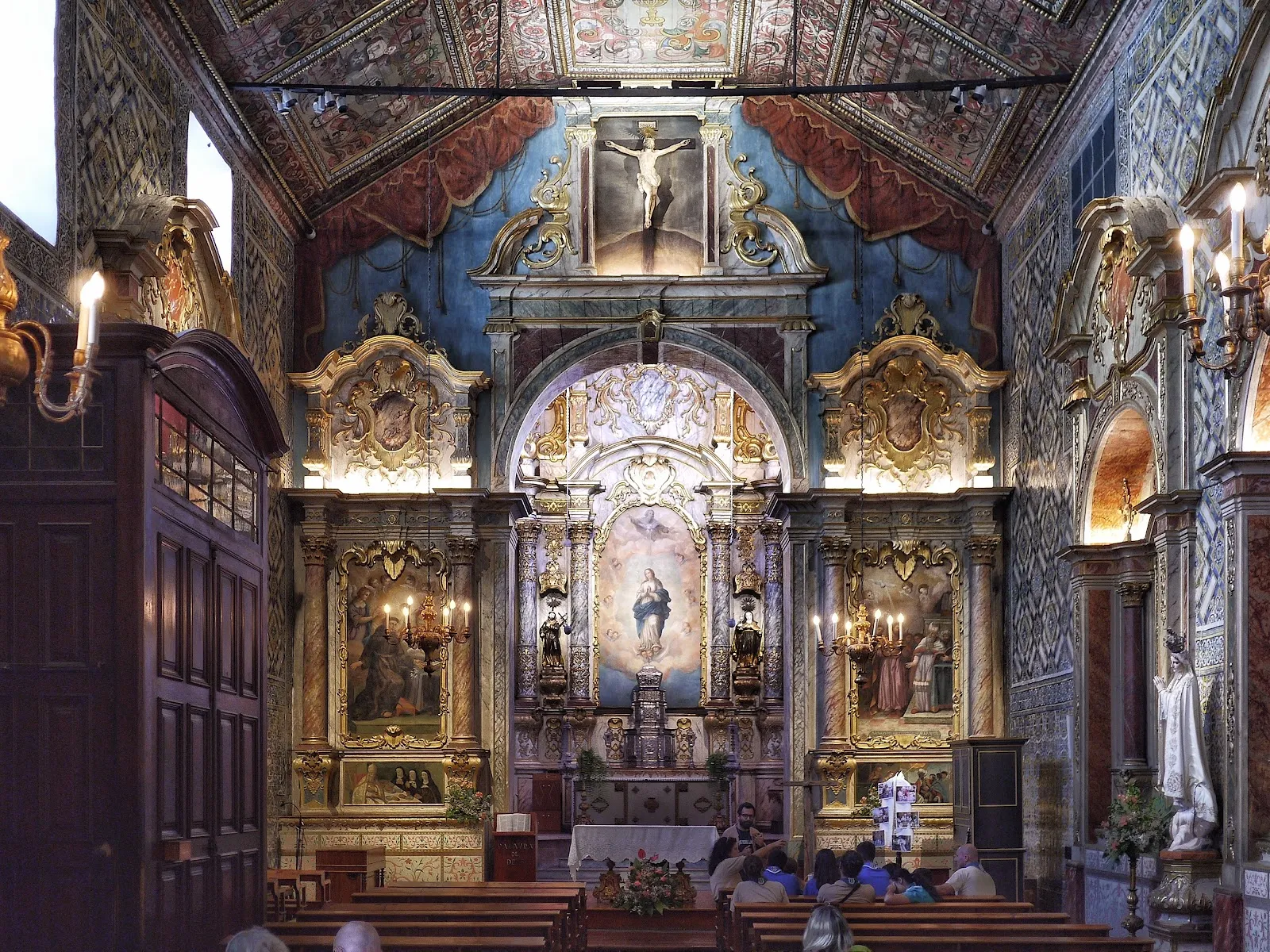
Take time with the tiled walls, including Hispano-Arabic tiles dating from the 17th century. The ceilings are worked in wood, and carved wooden decoration with gold leaf appears alongside Baroque features. These details reward a slower look through the rooms.
The collection includes restored canvases from the 17th and 18th centuries, as well as religious relics. In the church, visitors can see the main altar and an older altarpiece. Other spaces include an interior chapel and an oratory. Each room has its own character, so avoid rushing from one to the next.
The church and its memorials
The church is dedicated to Saint Clare. Its furnishings include a silver tabernacle dating from 1671 and a wooden altar painted to resemble marble and gold. The church also contains the tomb of João Gonçalves Zarco, along with the tombs of the convent’s first abbess, Isabel de Noronha, and her sister, Constança.
The bell tower has a dome in a Moorish style. Together with the church’s carved wood and painted surfaces, it gives the complex a distinctive mix of architectural and devotional details. Keep the setting in mind as you visit: this is a place of worship as well as a historic site.
Planning your visit
The listed visiting hours are Tuesday to Saturday, 2 to 5 pm; the convent is closed on Monday and Sunday. Access is through the entrance bell, and advance tickets are recommended. The church and convent have separate visitor areas, so check which parts your ticket covers.
A guided visit is an option if you want more context about the building and life in the convent. Some sections are open for visitors to walk through, while others are not; follow the signs and stay within the permitted route. The site has many rooms and objects to see, so set aside enough time to look around at an unhurried pace.
Häufige Fragen
When is the Convent of Santa Clara open?
The listed hours are Tuesday to Saturday, 2 to 5 pm. It is closed on Monday and Sunday.
How long should I allow for a visit?
Allow around 1 to 2 hours to explore the church, rooms, art and courtyard at an unhurried pace.
Do I need to book tickets in advance?
Advance tickets are recommended. Ring the bell at the entrance for access.
Can I take a guided tour?
Guided tours are available and can provide context about the convent’s history and the nuns who lived there.