
Beneath a Millennium BCP bank on Rua dos Correeiros in Lisbon’s Baixa, this archaeological site brings more than 2,500 years of occupation into view. Guided tours follow underground walkways past Roman fish-salting tanks, later walls and floors, and a fifth-century Christian burial chamber. Above the excavations, displays include ceramics, coins, rings and other finds; a glass floor gives another view of the remains. Book ahead for a free archaeologist-led tour, and take care in the narrow passages and low-ceilinged sections.
Layers beneath Rua dos Correeiros
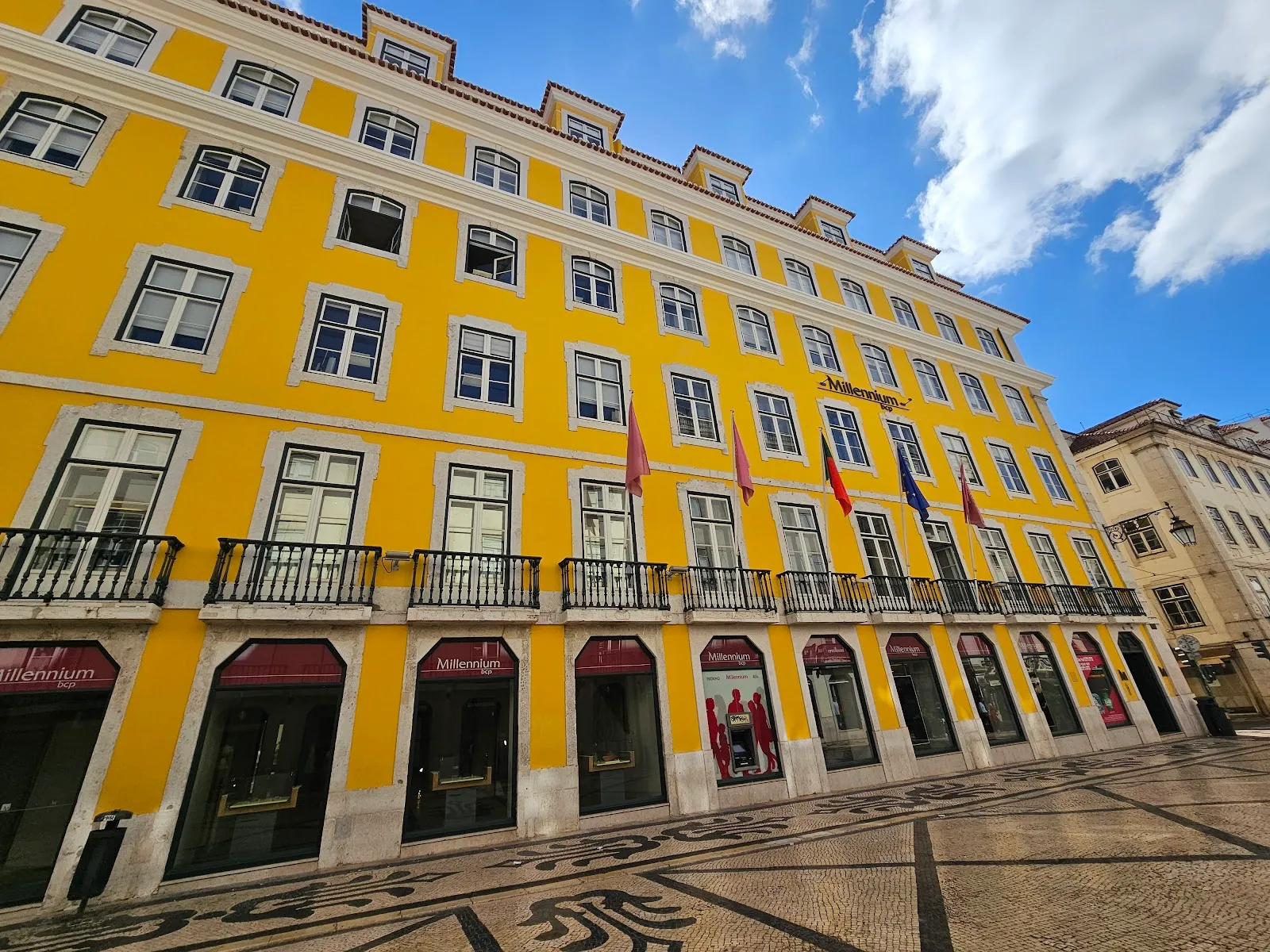
Excavations uncovered remains from several periods beneath the Millennium BCP building in central Lisbon. The site includes evidence of Iron Age dwellings and Roman structures, followed by remains from Visigothic, Islamic, medieval and Pombaline periods. Together, the finds trace changing uses of this part of the city across more than 2,500 years.
The remains came to light during building work in the 1990s. Archaeologists continued to uncover structures and objects as excavation progressed. Today, visitors follow subterranean walkways built alongside and above the excavated areas, where overlapping walls, floors and foundations reveal successive phases of occupation.
Roman tanks and objects from the excavation
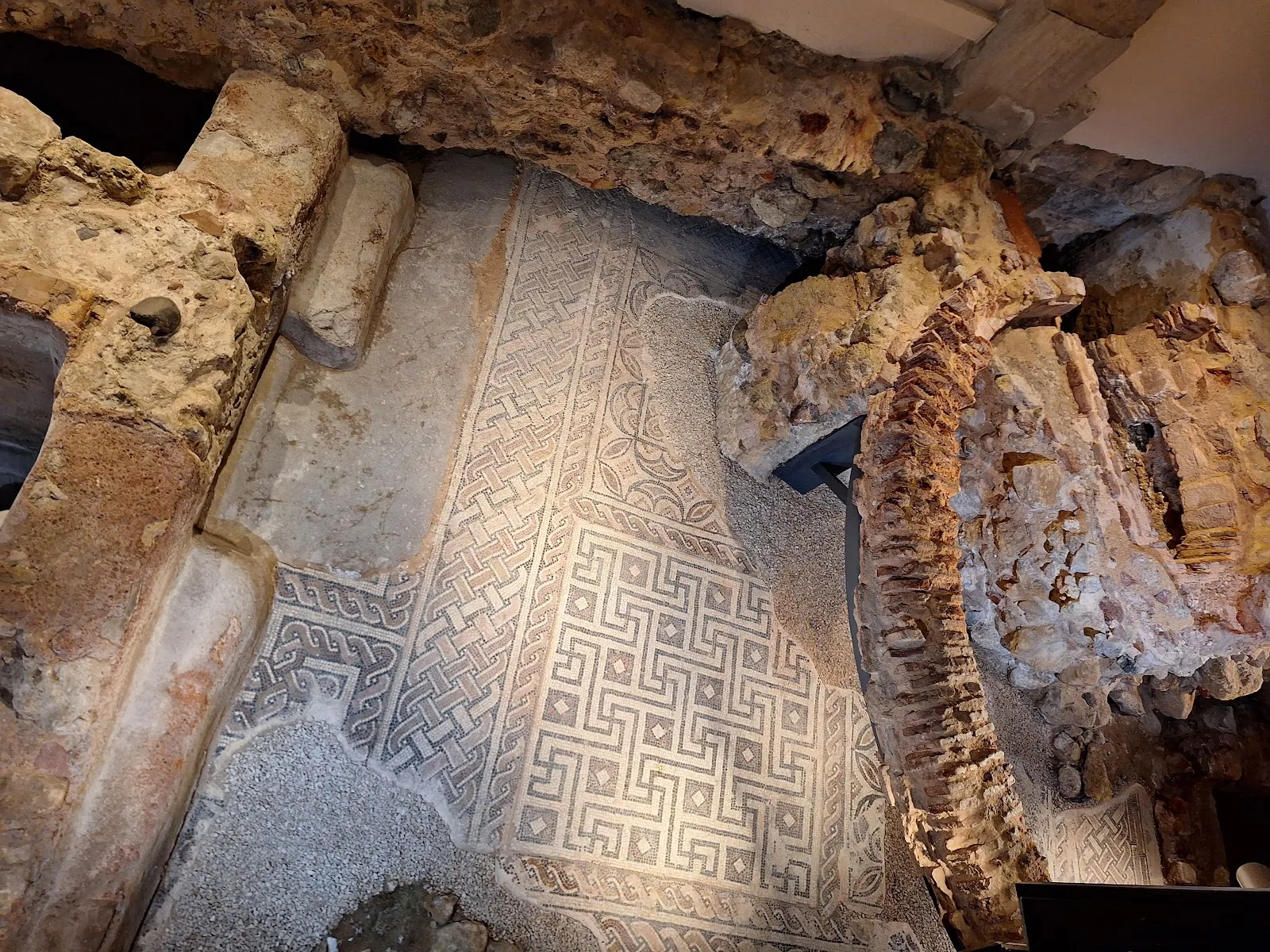
A major Roman use of the site was fish processing. Large tanks were used to make garum, a fermented fish sauce. The route also passes a fifth-century Christian burial chamber, where skeletal remains have been found, and foundations associated with later periods.
A small museum space displays objects recovered from the site, including ceramics, coins, rings, hairpins and brooches. A glass floor provides a view down onto the archaeological remains. The guided visit connects these objects and structures to the different communities that lived and worked in this area.
Taking a guided tour
Access is by guided tour led by archaeologists. Tours are available in English and Portuguese, with departures on the hour depending on bookings. The tour is free, but advance booking online or by telephone is recommended because capacity is limited.
The underground route has narrow passageways and low ceilings, so visitors may need to bend and should watch their heads. The site has a wheelchair-accessible entrance, though the excavated spaces include tight areas. Check the site’s visitor information when booking if you need details about access for your visit.
Häufige Fragen
Is entry to the Núcleo Arqueológico free?
The guided tour is free. Reserve ahead online or by telephone because places are limited.
Are tours available in English?
Yes. Tours are available in English and Portuguese.
What can you see at the archaeological site?
The route includes Roman fish-salting tanks, remains from several periods and a fifth-century Christian burial chamber. The museum displays finds such as ceramics, coins and jewelry.
Are there narrow or low passages?
Yes. Some passages are narrow and ceilings are low, so you may need to bend and should watch your head.


