
In Lisbon’s Alfama district, the Museu de Lisboa - Teatro Romano brings you close to the remains of the Roman theatre of Olisipo, built during Emperor Augustus’s reign. From the viewing platform, look down toward the stage and surviving traces of the terraced seating. Much of the theatre remains beneath the surrounding streets, so models and renderings help explain its original scale. Inside, a compact museum displays pottery, columns and other finds from nearby excavations. The terrace adds views across the neighbourhood and river.
The theatre of Roman Olisipo
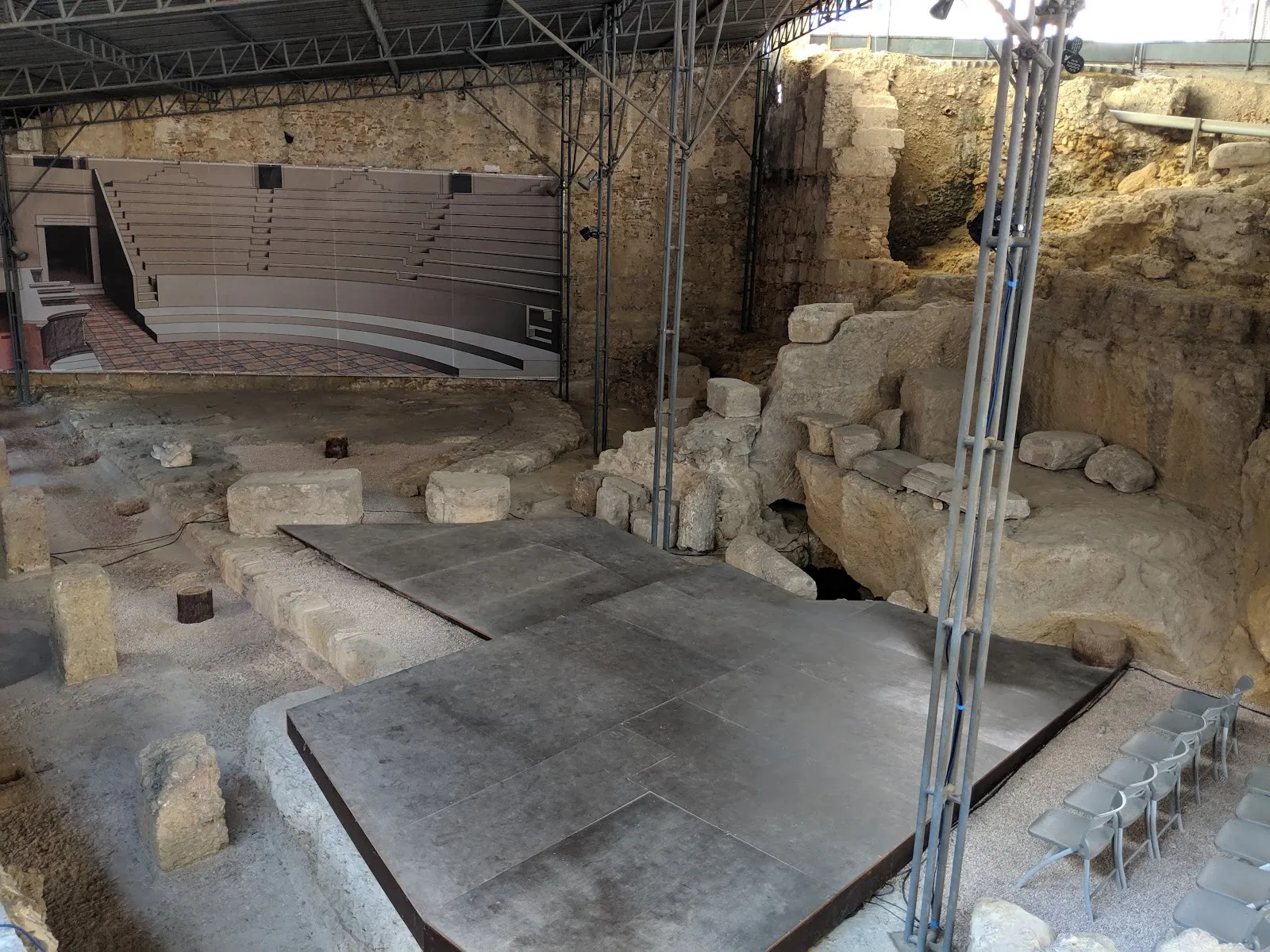
The museum is built around the remains of a Roman theatre in what was once Olisipo, the Roman city of Lisbon. The theatre was built during the reign of Emperor Augustus, and parts of it are dated to AD 57. It was an important cultural venue in the ancient city.
The surviving remains give only a partial view of the original structure. Much of the theatre still lies beneath the surrounding streets. From the viewing platform, you can look toward the area that formed the stage and make out traces of the seating arranged above it.
Reading the excavation
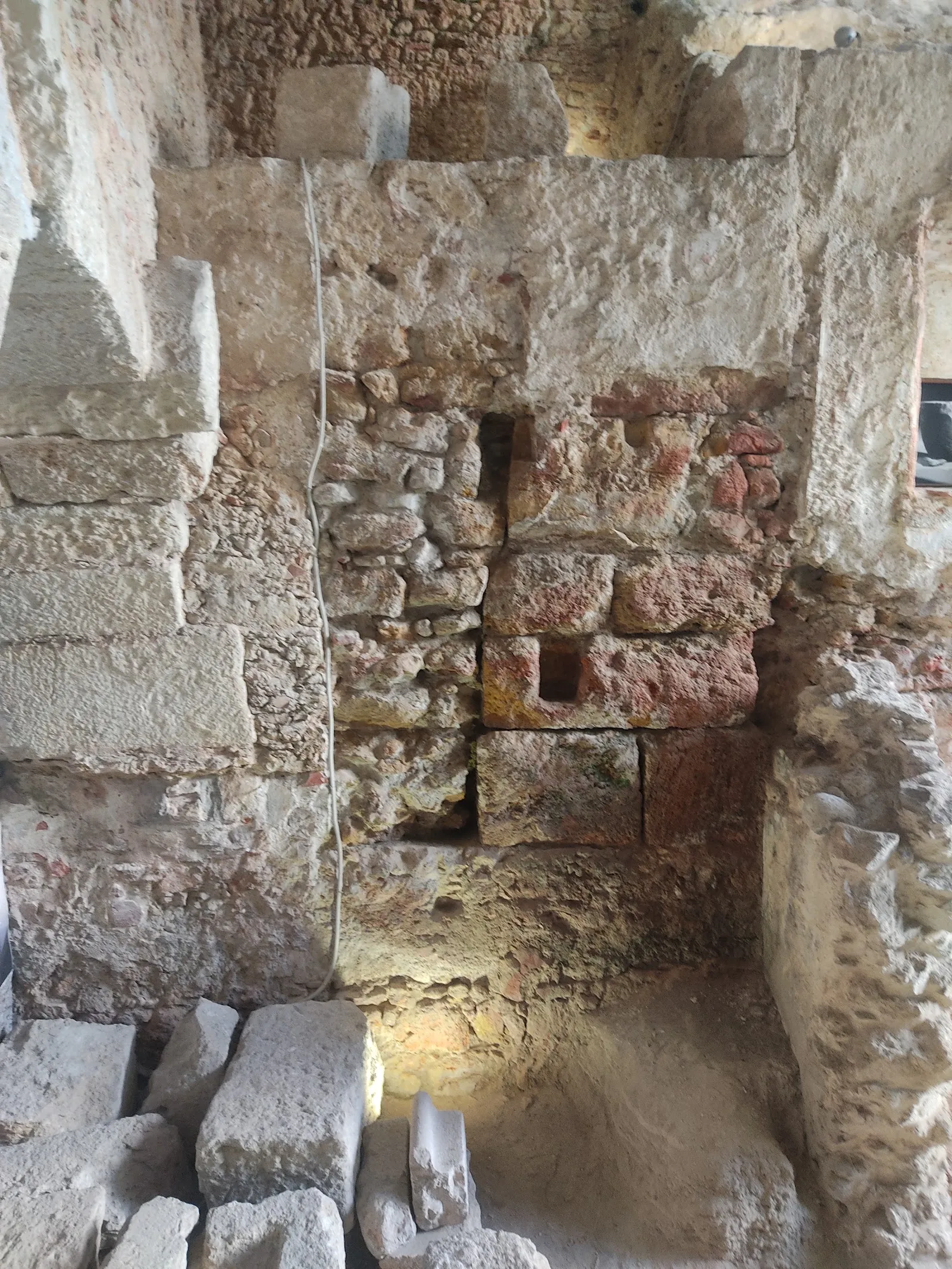
The displays help connect the exposed stones with the larger theatre that once stood here. Models and renderings show how the structure may have looked, while pottery, columns and other objects from nearby excavations add evidence of the site’s past.
The museum is compact, so the visit brings the archaeological remains and their interpretation together in a small space. If you want more context, ask the ticket desk about the theatre’s history and the Lisbon earthquake of 1755.
Views and performances
A terrace gives you a place to pause with views across Alfama and toward the river. Live performances have also taken place among the Roman remains. Check the museum’s current event calendar before planning a visit around a show, as schedules can change.
Häufige Fragen
Where is the Museu de Lisboa - Teatro Romano?
It is at Rua de São Mamede 3 A in Lisbon’s Alfama district.
What can you see at the Roman Theatre Museum?
The site includes remains of the Roman theatre, a viewing platform, models and renderings, and a small collection of pottery, columns and other excavation finds.
Can you see the Roman ruins without entering the museum?
The main archaeological remains can be viewed from the street. The museum provides a closer view and additional displays and explanations.
Does the museum host performances?
Live performances have taken place at the site. Check the current event calendar for dates and details.


