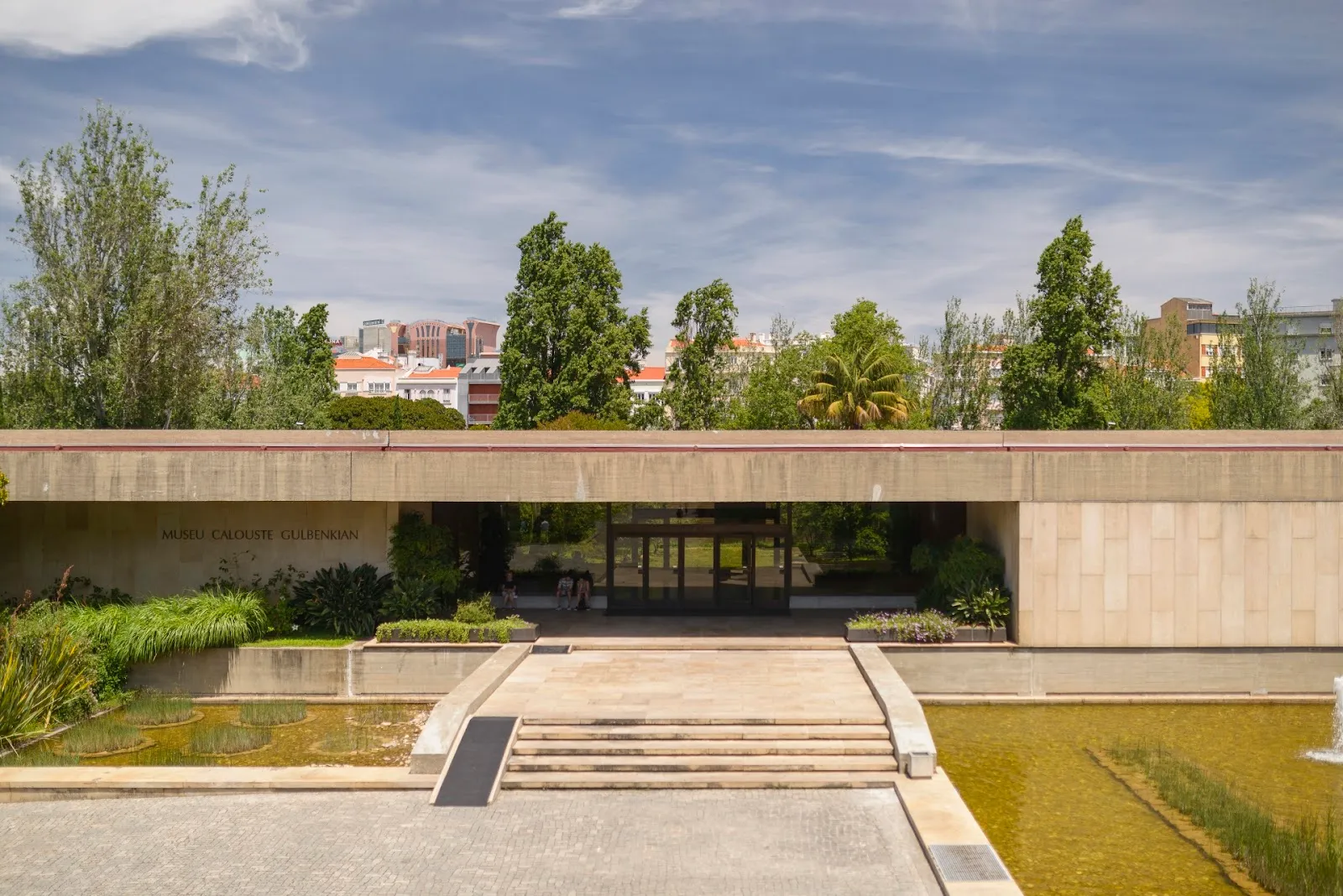
The Calouste Gulbenkian Museum is an art museum on Avenida de Berna in Lisbon, set among landscaped gardens. Its Founder’s Collection spans ancient Egyptian, Greco-Roman, Islamic, Asian and European art, with works by Rembrandt, Turner and Monet, alongside René Lalique jewellery. A separate Modern Collection focuses on Portuguese art. Leave time to walk the garden paths and see the outdoor sculptures as well as the galleries. The museum is closed on Tuesdays; Sunday entry is free after 2pm.
Two collections, different periods
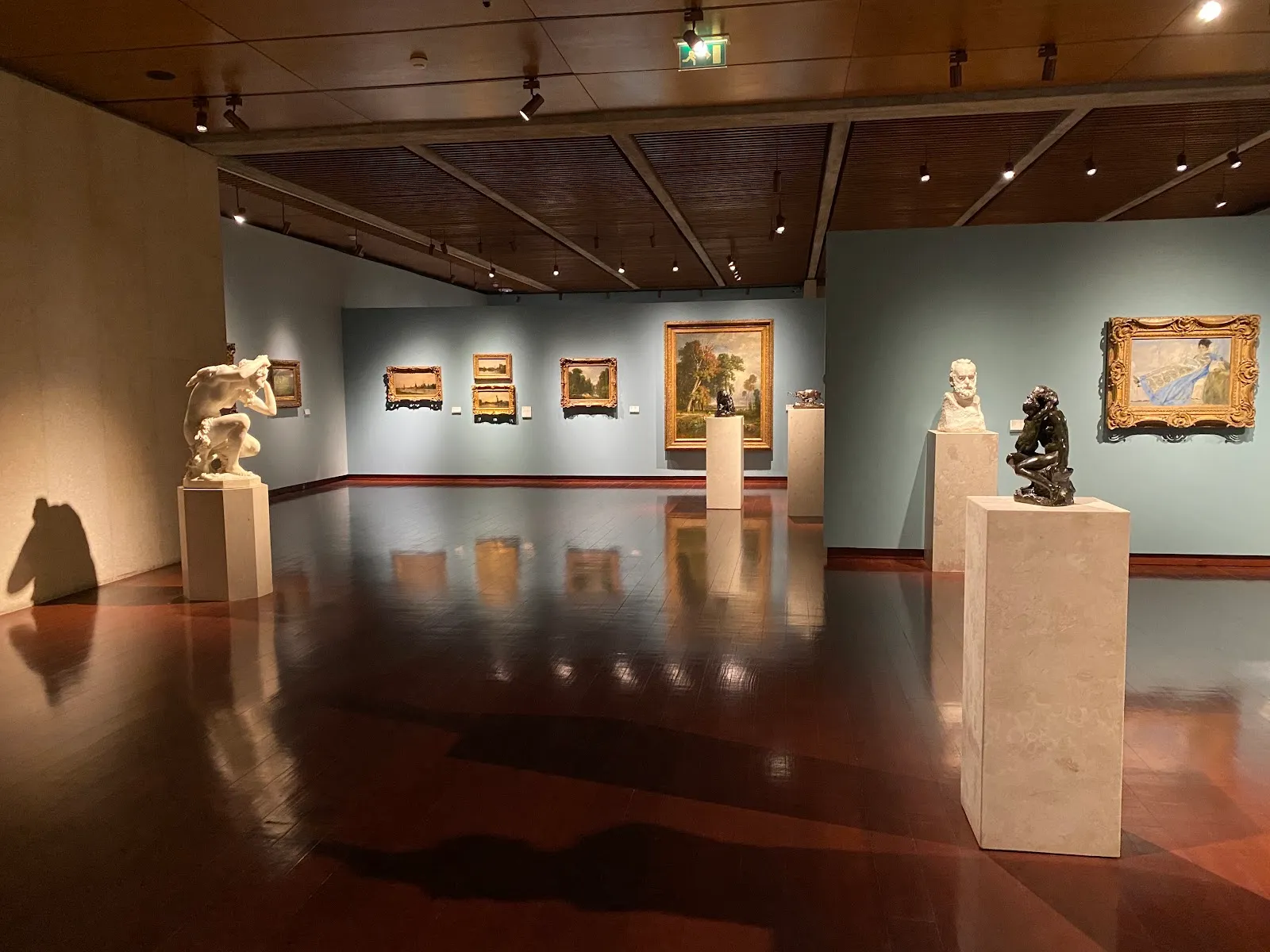
The museum’s Founder’s Collection brings together works collected by Calouste Gulbenkian, an Armenian businessman and philanthropist. It spans from antiquity to the early 20th century and includes objects from Egypt, Mesopotamia, the Islamic world, Armenia and the Far East, as well as European art.
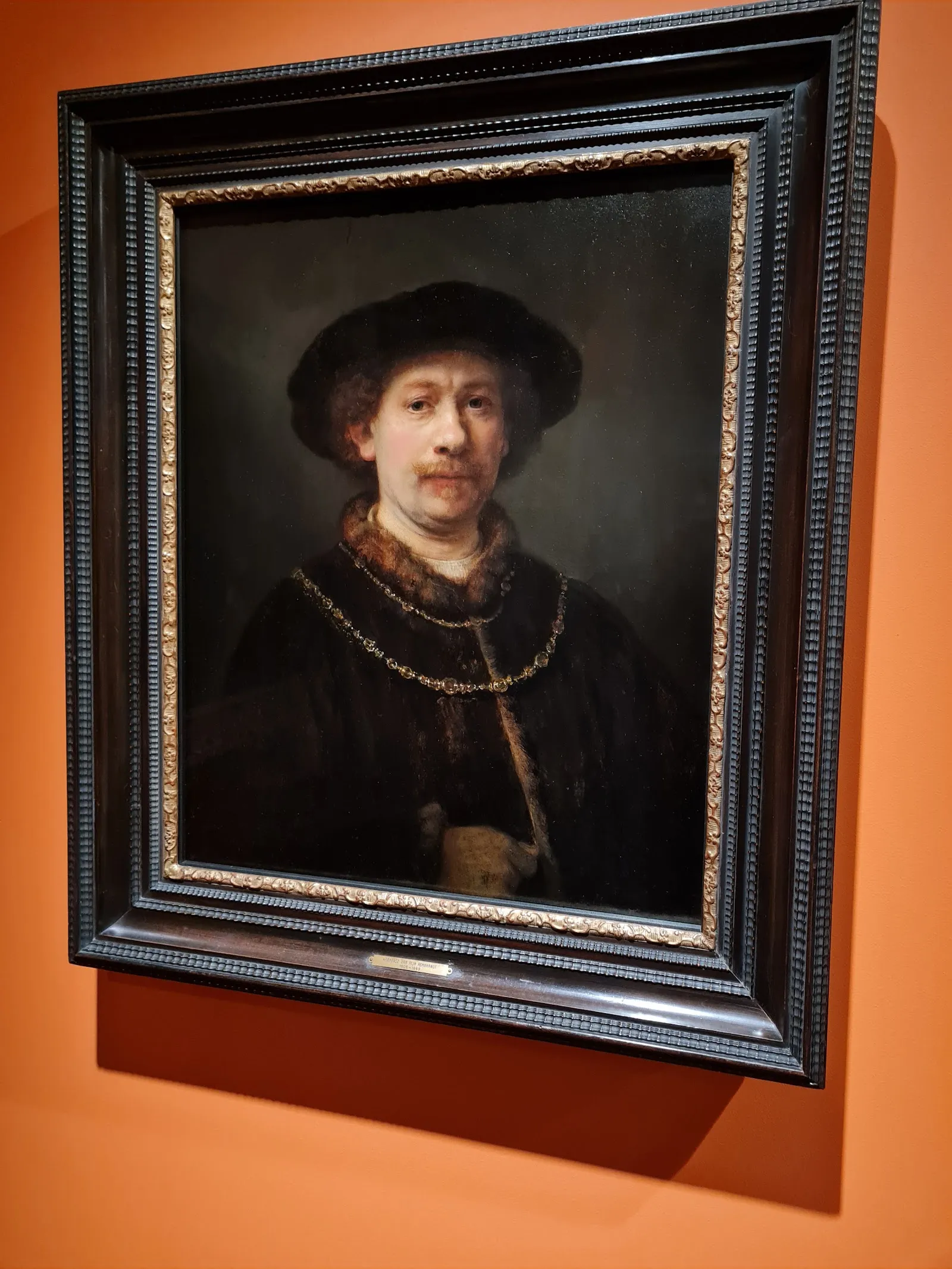
The galleries are arranged by subject and region. Sections include sculpture, book art, painting, 18th-century French decorative arts and works by René Lalique. Among the artists represented are Rembrandt, Rubens, Turner, Degas and Monet. The range extends beyond paintings to jewellery, coins, textiles and other objects.
The Modern Collection is housed separately and focuses on modern and contemporary Portuguese art. Works there change over time, so check the museum’s website if you are planning around a particular exhibition.
A museum built for the collection
The museum opened in 1969 in a purpose-built building designed by Portuguese architects Ruy Jervis d’Athouguia, Pedro Cid and Alberto Pessoa. The design and landscaped grounds were conceived together. Gulbenkian intended his collection to be displayed under one roof, and the museum’s galleries bring works from different times and places into a chronological, geographically organised visit.
The Founder’s Collection includes ancient Egyptian and Greco-Roman pieces, art from the Islamic world and Asia, and European painting and decorative arts. The collection gives particular attention to French works of the 18th century and to Lalique’s jewellery. Allow time to follow the galleries through these different sections rather than focusing only on the paintings.
Make time for the grounds
The museum sits within the Gulbenkian complex, where paths, ponds and garden areas offer a change of pace between or after the galleries. Outdoor sculptures are part of the visit, and the grounds can also be explored without going specifically for an exhibition.
The wider complex includes the Centro de Arte Moderna, which presents modern and contemporary work, with an emphasis on Portuguese artists. The museum also has a restaurant and café, and concerts and special exhibitions are held at the complex. Check the official website for current programming before you go.
Häufige Fragen
Is the Calouste Gulbenkian Museum free on Sundays?
Entry is free on Sundays after 2pm.
What can you see at the museum?
The Founder’s Collection includes ancient Egyptian, Greco-Roman, Islamic, Asian and European art, including works by Rembrandt, Turner and Monet and jewellery by René Lalique. The separate Modern Collection focuses on Portuguese art.
How long should you spend at the Calouste Gulbenkian Museum?
Allow around 2 to 3 hours to visit the galleries and walk through the gardens.
Is the museum open on Tuesdays?
No. The museum is closed on Tuesdays.


