St. Florian’s Church stands on Warszawska Street, just north of Kraków’s Old Town, where the Royal Route begins. Its Baroque façade and towers lead into an ornate interior with paintings, stained glass, a grand altar and detailed altarpieces. The church is dedicated to St. Florian, patron saint of firefighters, and has a close link to Pope John Paul II, who served here as a curate. Step inside for a quiet moment, but remember that it remains an active church and access for sightseeing can pause during services.
The church at the start of the Royal Route
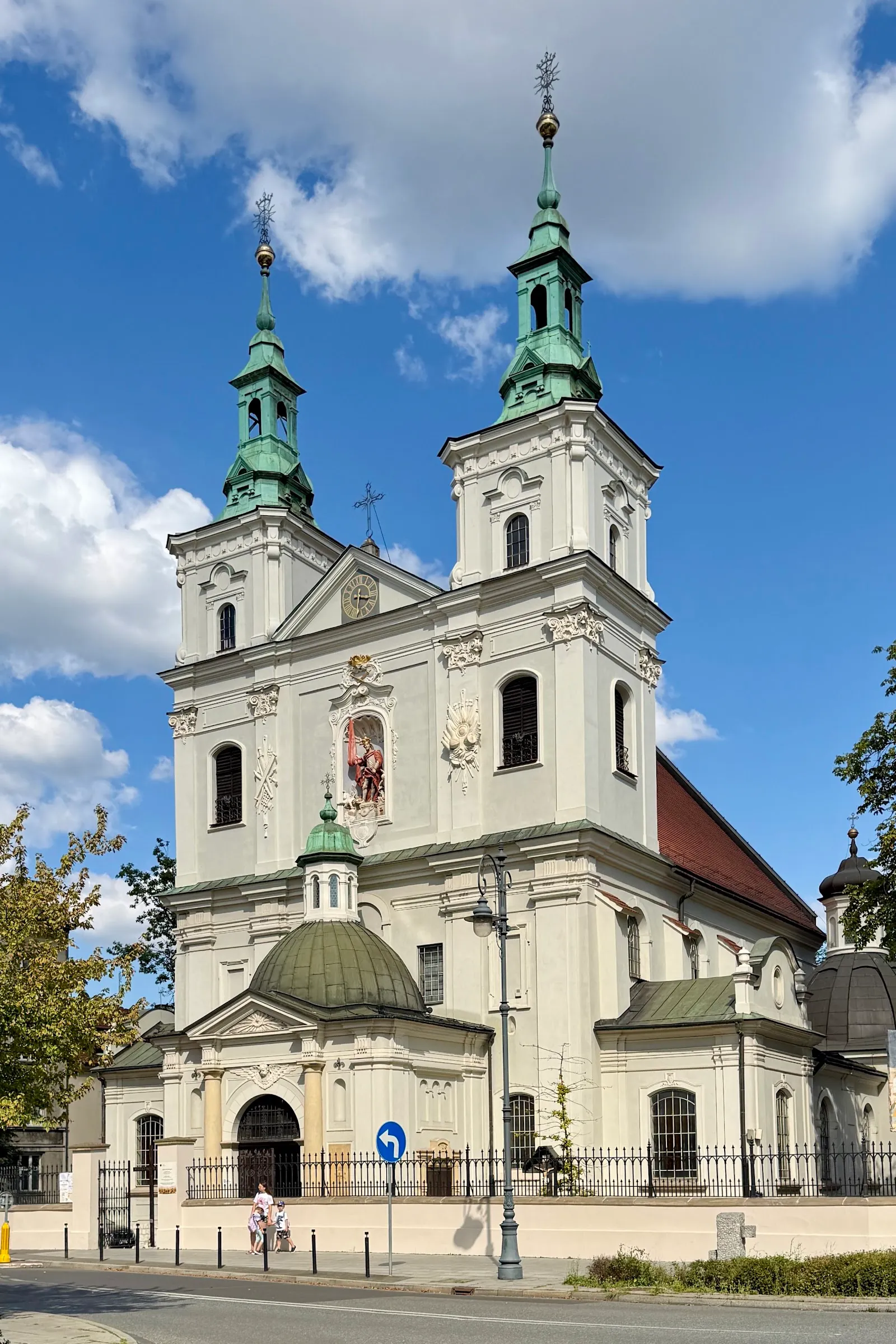
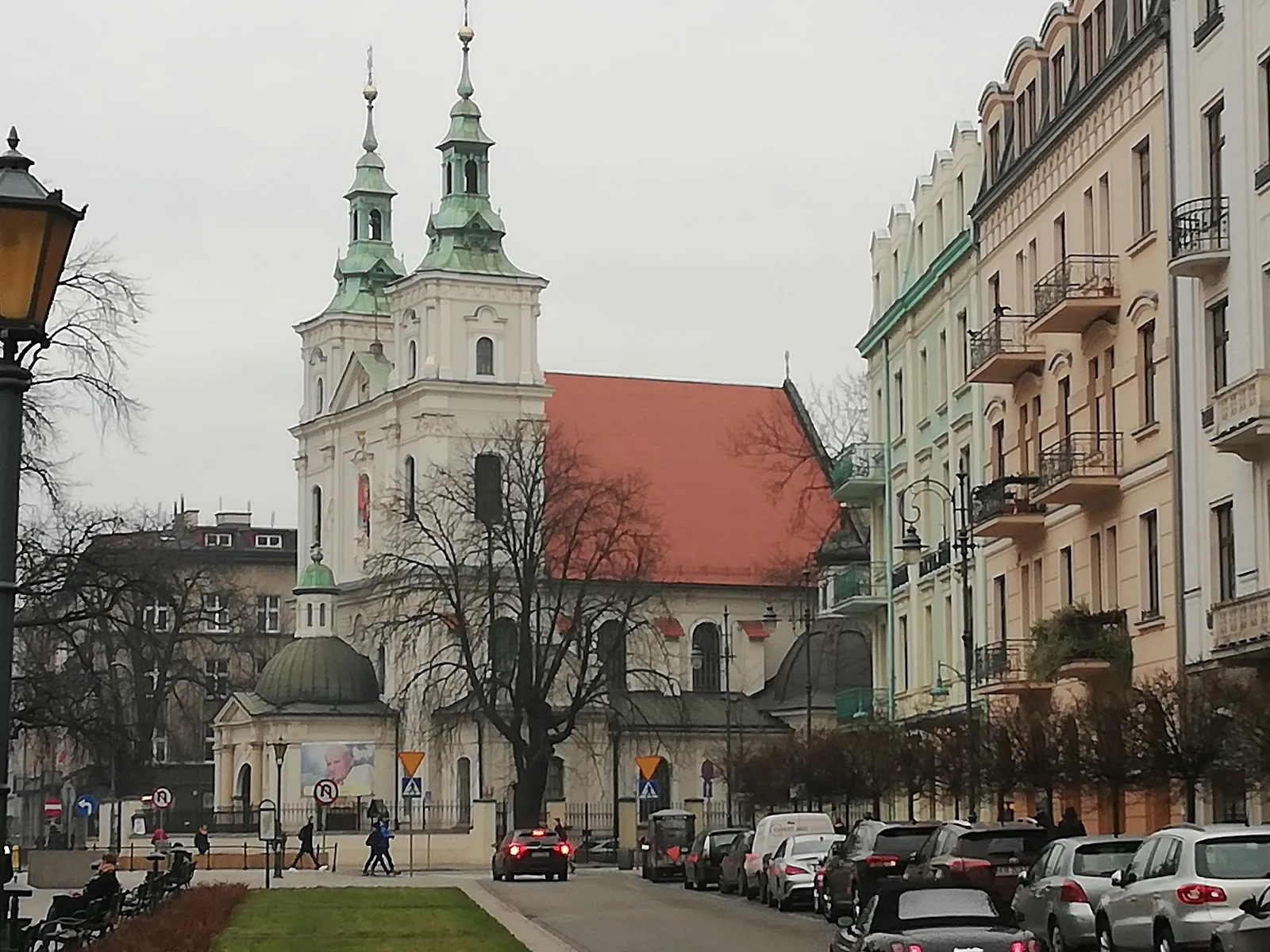
St. Florian’s Church stands in Kleparz, north of Kraków’s Old Town, and marks the beginning of the historic Royal Route. From here, the route continues past St. Florian’s Gate and along Floriańska Street to the Main Market Square. It then follows Grodzka Street towards Wawel Hill and the Royal Castle.
The church was originally built in 1184 to house the relics of St. Florian, a Roman soldier and martyr. It also became the starting point for royal funeral processions heading to Wawel Cathedral.
St. Florian and Pope John Paul II
St. Florian is the patron saint of firefighters and chimney sweeps. The church’s history is also tied to Pope John Paul II: before becoming pope, he served here as a curate from 1949 to 1951. An altar is dedicated to him and depicts him as a young priest.
The church remains a place of worship, with daily prayer and adoration. Visitors who come to see the interior should be prepared for access to pause during services or other church activities.
Häufige Fragen
Is there an entry fee for St. Florian’s Church?
A visitor account reports that entry is free. The church is active, so access for sightseeing may pause during services.
Where is St. Florian’s Church in Kraków?
It is at Warszawska 1b in Kleparz, north of the Old Town. The Royal Route begins here.
What is St. Florian’s Church known for?
It is associated with the relics of St. Florian, the start of royal funeral processions to Wawel Cathedral, and Pope John Paul II, who served here as a curate from 1949 to 1951.