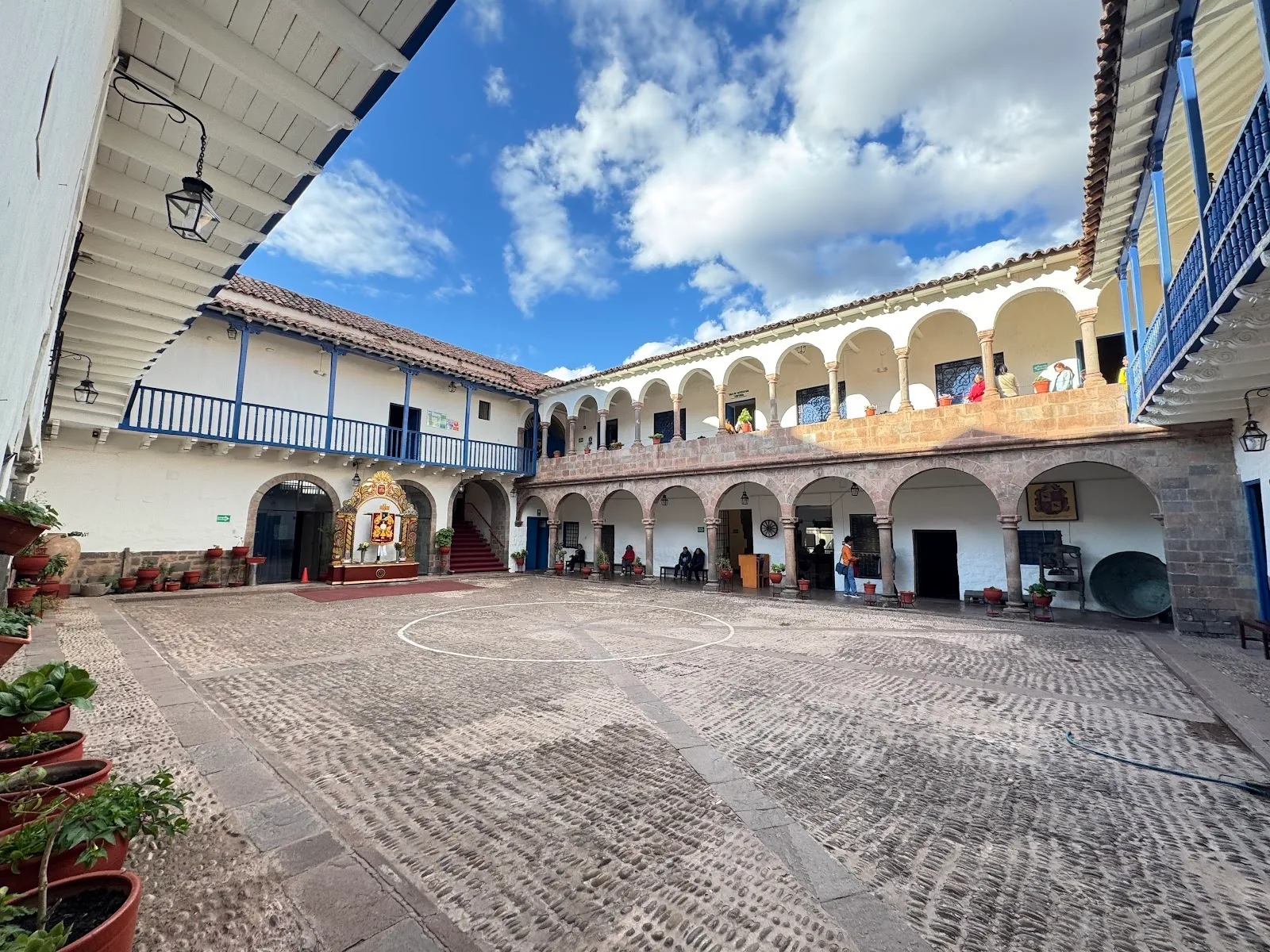
On Garcilaso Street, a short walk from Cusco’s Plaza de Armas, the Regional Historical Museum traces the region’s past from prehistoric and pre-Inca times through the colonial era and beyond. It occupies the former home of Inca Garcilaso de la Vega, the Inca-Spanish chronicler. Inside, archaeological objects share space with colonial furniture, textiles and paintings, including works by Cusco School artists such as Diego Quispe Tito. The house itself adds another layer to the visit, with colonial rooms built over Inca walls and a courtyard to explore.
The house of Inca Garcilaso de la Vega
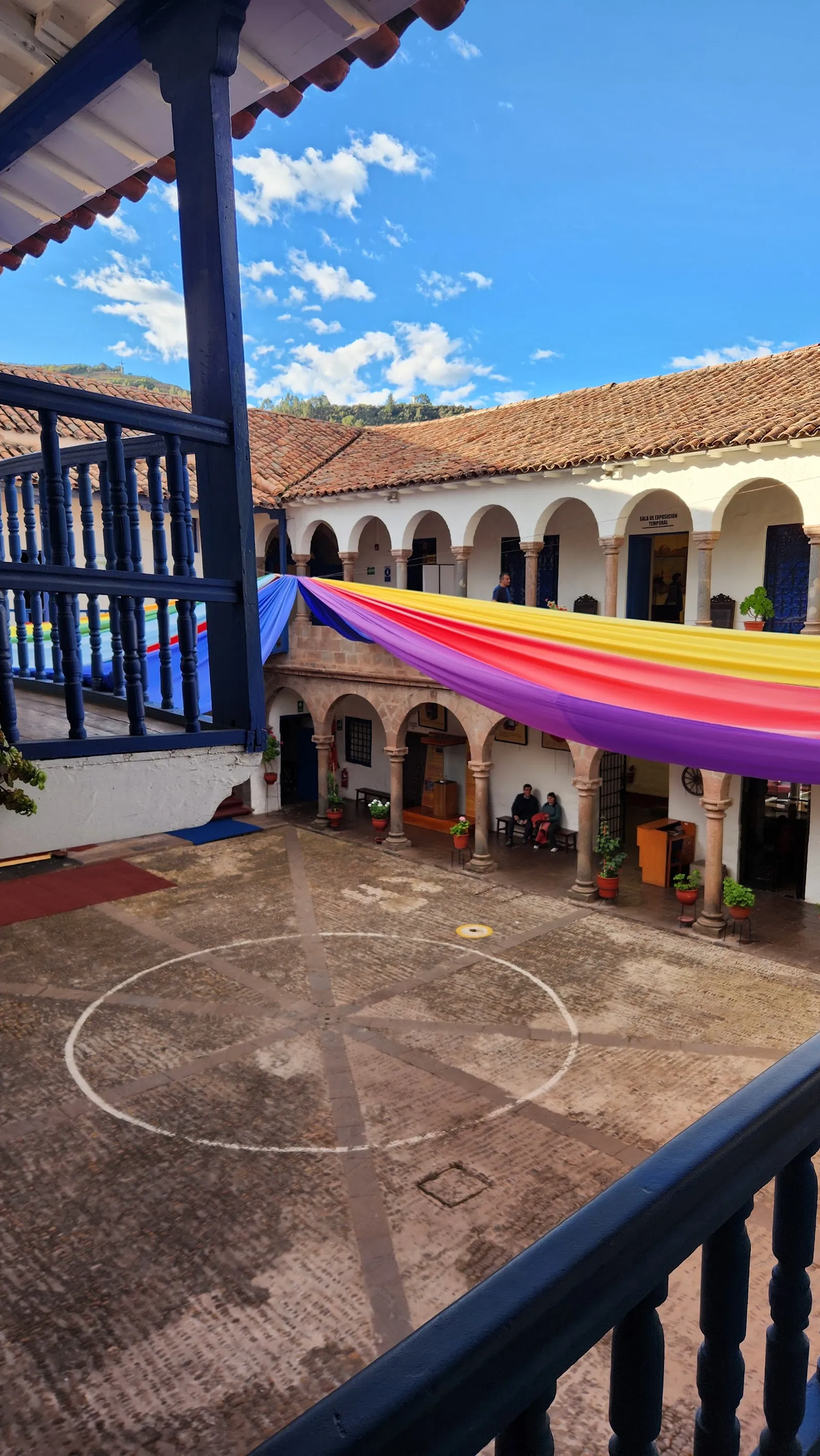
The museum is housed in the former home of Inca Garcilaso de la Vega Chimpu Ocllo, a chronicler whose writing documented Inca history. Born to a Spanish aristocrat and an Inca princess, he is an important figure in both cultures. His book, The Royal Comments of the Incas, is among the works associated with his legacy.
The mansion dates to the colonial period and was built over Inca walls. The site was part of Cusipata, an old Inca square whose name means “Place of Rejoicing.” Its setting gives the collection a direct connection to Cusco’s layered history: the building itself brings together the city’s Inca foundations and colonial architecture.
From early artifacts to colonial paintings
The exhibits take a chronological approach, covering the region from prehistoric times through the pre-Inca and Inca periods, the colonial era and later history. Archaeological displays include objects from Chavín and Nazca cultures as well as pre-Inca and Inca material. The museum also contains paleontological objects and artifacts related to the history of Cusco and its surrounding region.
On the upper floor, the focus shifts to colonial-era furnishings, textiles and paintings. The collection includes works by Cusco School artists, among them Diego Quispe Tito. Colonial furniture, including pieces with detailed marquetry, adds to the sense of how the house was furnished and used. A large painting depicting the execution of Tupac Amaru II is one of the more somber works in the collection.
How to explore the museum
The rooms are arranged across two floors, with different historical periods covered on each level. Moving through them in order helps make sense of the changes in Cusco’s culture and society over time. Explanatory text accompanies the displays; many exhibits have English translations, although some text may be faded or imperfect.
In the open courtyard, look for models of Inca sites, including Tipón. They offer a view of the sites in miniature and provide a change of pace between the indoor galleries. A brief visit can fit into about half an hour, while allowing closer attention to the objects and displays can take closer to an hour.
Häufige Fragen
Where is the Regional Historical Museum of Cusco?
It is on C. Garcilaso in Cusco, a short walk from Plaza de Armas.
How long should I spend at the museum?
Plan on about 30 to 60 minutes, depending on how closely you explore the exhibits.
Is the museum included in a tourist ticket?
It is included in a combined Cusco tourist ticket.
Are there English descriptions in the museum?
Many exhibits have English translations, though some text may be faded or imperfect.


