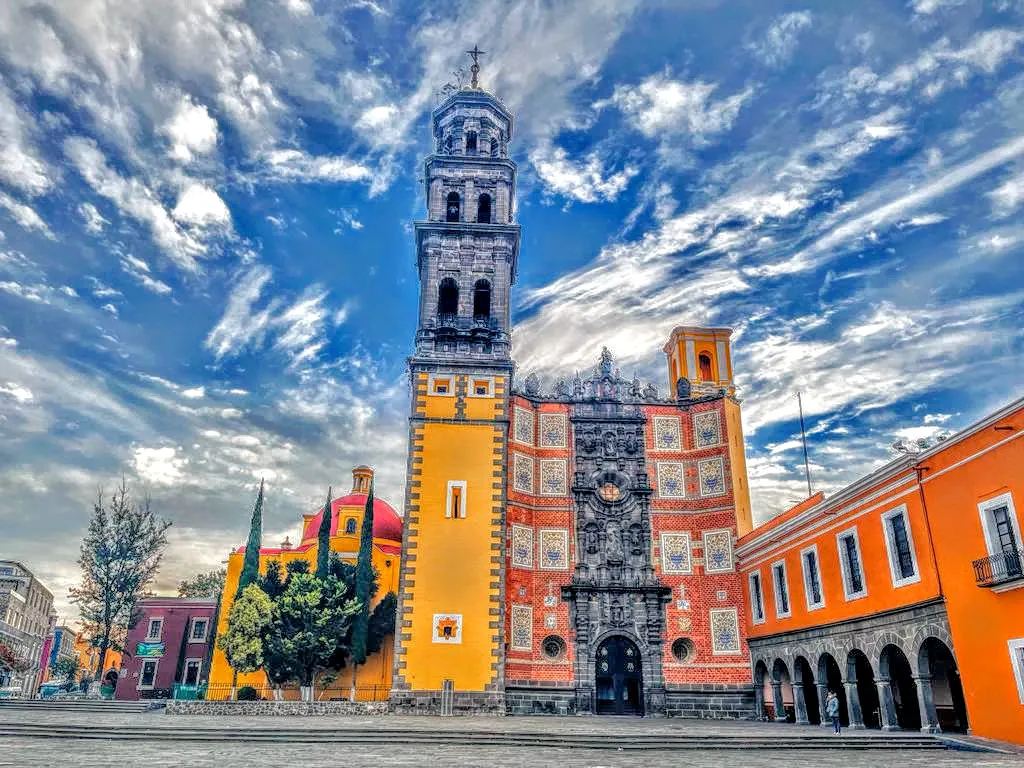
The Museo Internacional del Barroco sits in a modern business district on the southwestern edge of Puebla, in the Atlixcáyotl area. Japanese architect Toyo Ito designed the building, which opened in 2016 and is known for its curving white concrete walls around a courtyard with water. Inside, you will find Baroque paintings, sculpture and murals alongside modern works inspired by the style, plus an interactive model of the city's historic centre. Allow two hours or more, and finish with a walk through the park next door.
Baroque in Puebla
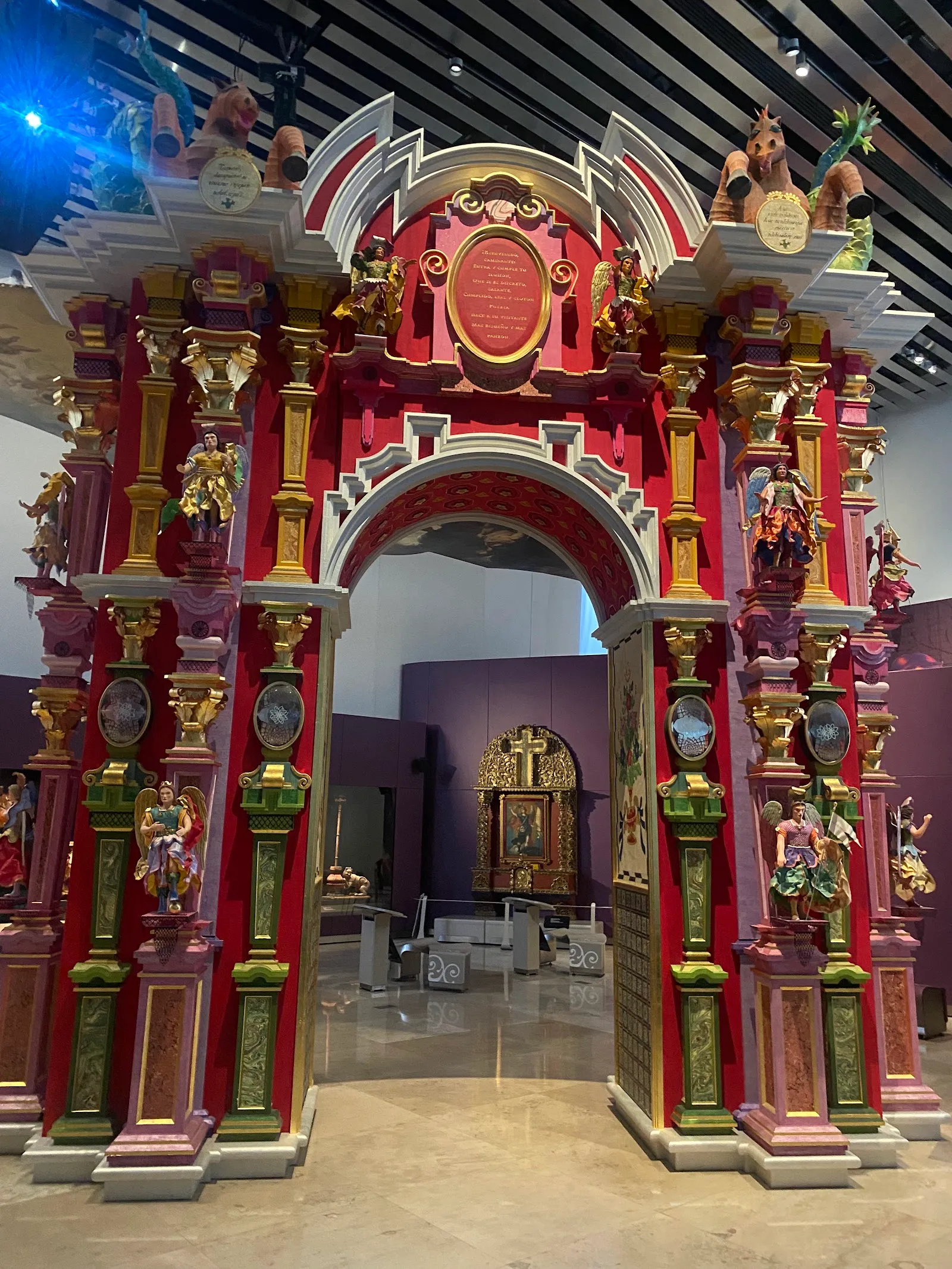
Spain's settlement of Puebla in the 1530s set the stage for the Baroque style, which spread across the city between the early 17th and mid-18th centuries. The museum builds its story around that period and the city's many buildings influenced by it.
The interactive scale model of the Centro Histórico lets you trace that influence on the city's streets. It is a useful starting point before you see the paintings and sculpture, because it shows where the style appears in everyday architecture.
The building
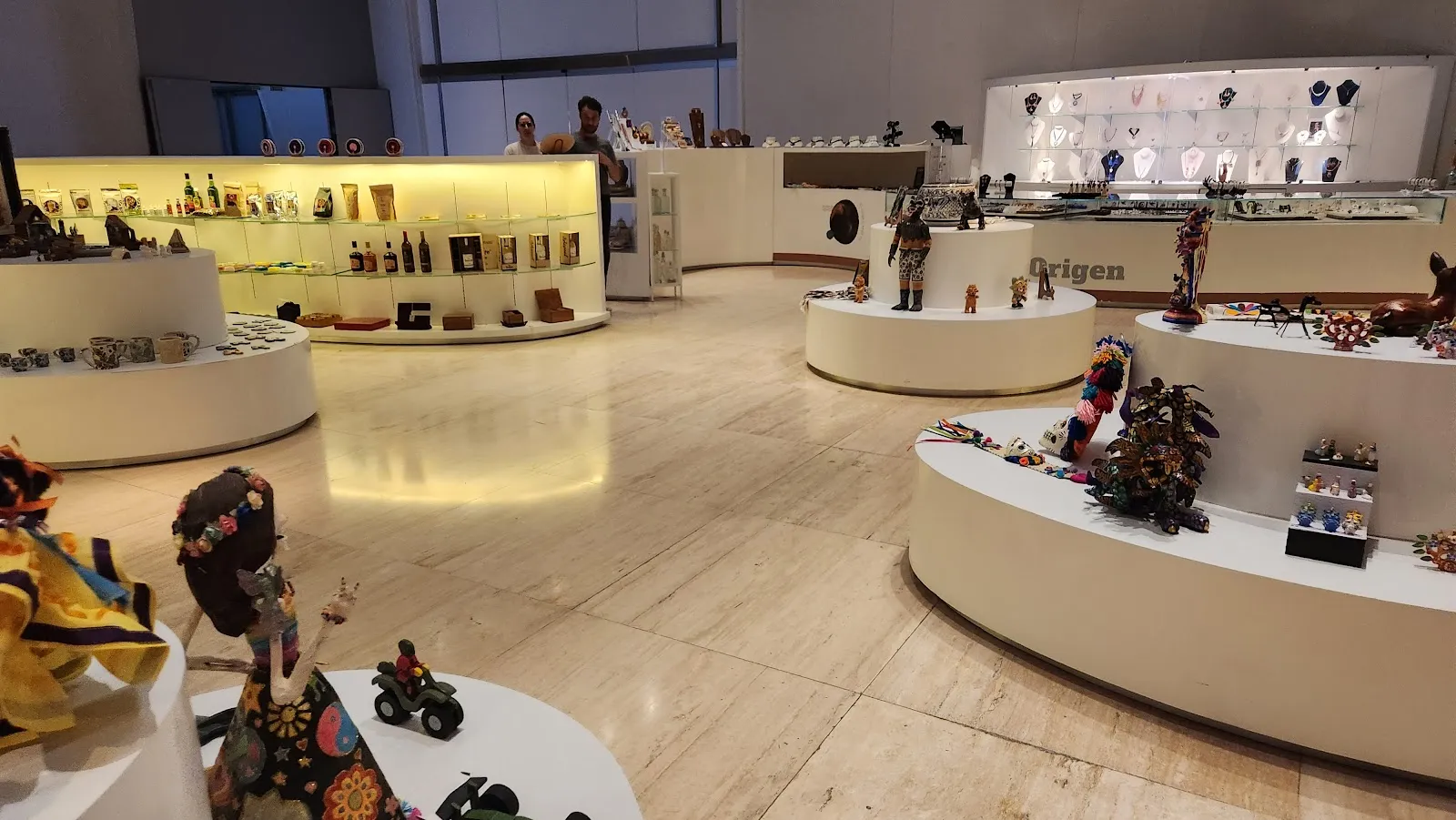
Toyo Ito, the Japanese architect who received the Pritzker Prize in 2013, designed the museum. It opened in 2016 in a contemporary building with curving white concrete walls that face a courtyard with a reflecting pool.
Eight themed exhibition halls surround the central courtyard and fountain. The design reads as a modern reflection of the movement and theatricality of the Baroque period, so the architecture is part of the experience rather than a backdrop to it.
What is inside
The museum holds hundreds of pieces from more than 14 countries. Its collection covers art, literature, music and fashion from the 17th and 18th centuries, with classic paintings, sculpture and murals. Modern works inspired by the Baroque also appear, so the displays show how the style has been reinterpreted.
Several rooms use video installations. Information is available in English, which helps when you want to understand how the pieces connect to the period.
Planning the visit
Admission is free on Sundays. On other days, pay at the entrance or check the museum's website before you go. Tickets can be bought in advance, which the museum recommends.
The building has wheelchair-accessible entrances, an elevator, a restroom and parking. A paid parking lot is available, and the museum has a restaurant on site. Allow at least two hours, and leave time for the park outside, which is pleasant to walk through.
Häufige Fragen
Is there an entry fee?
Admission is free on Sundays. On other days, check the museum's website for current prices.
How long do you need at the museum?
Plan for two hours or more, since the collection is large.
Can I take photos inside?
Photography is not allowed in some areas, so look for signs in each room.
Is the museum wheelchair accessible?
Yes. The entrance, elevator, restroom and parking lot are all wheelchair accessible.
Do I need to buy tickets in advance?
Buying tickets in advance is recommended.