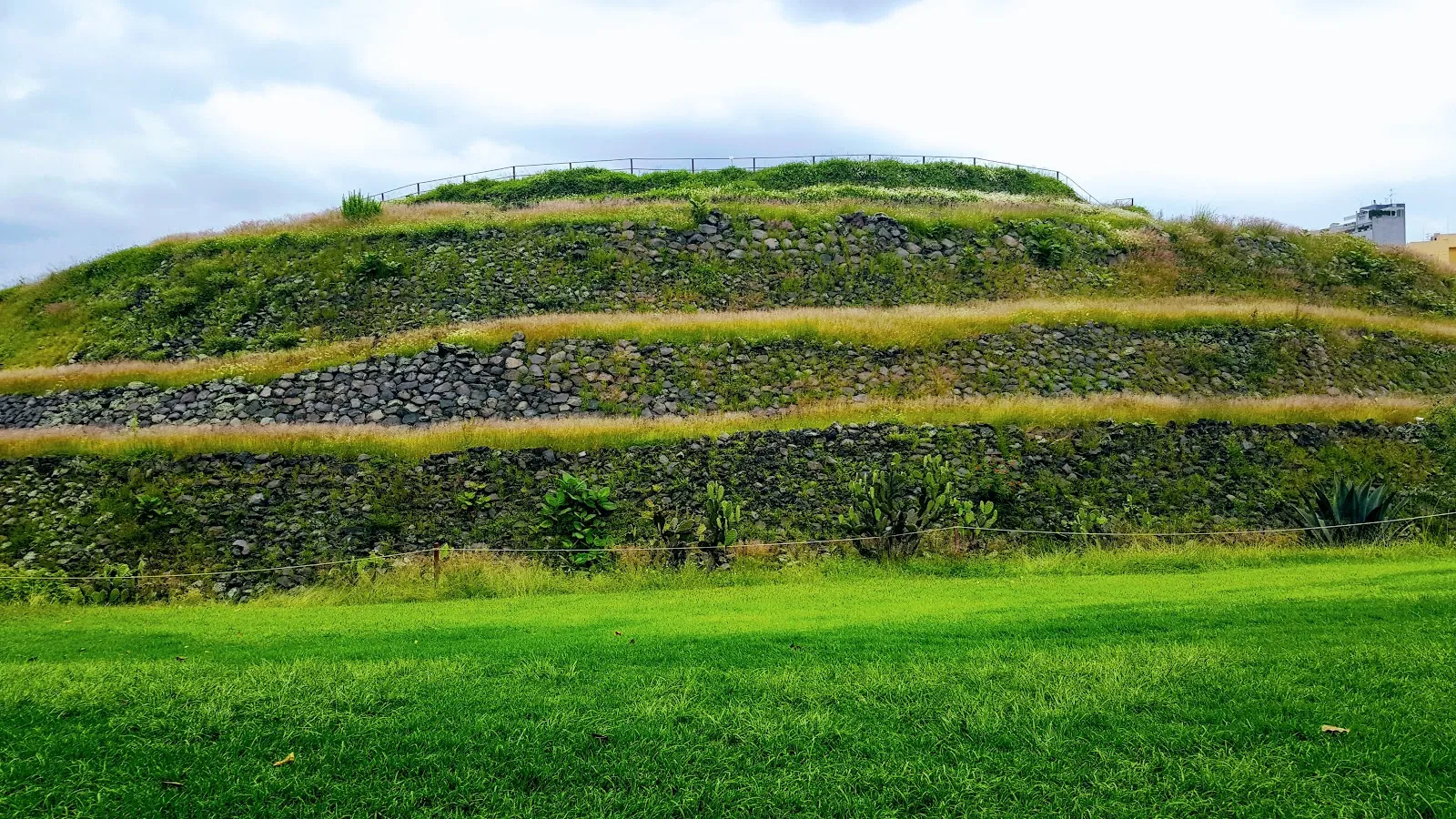
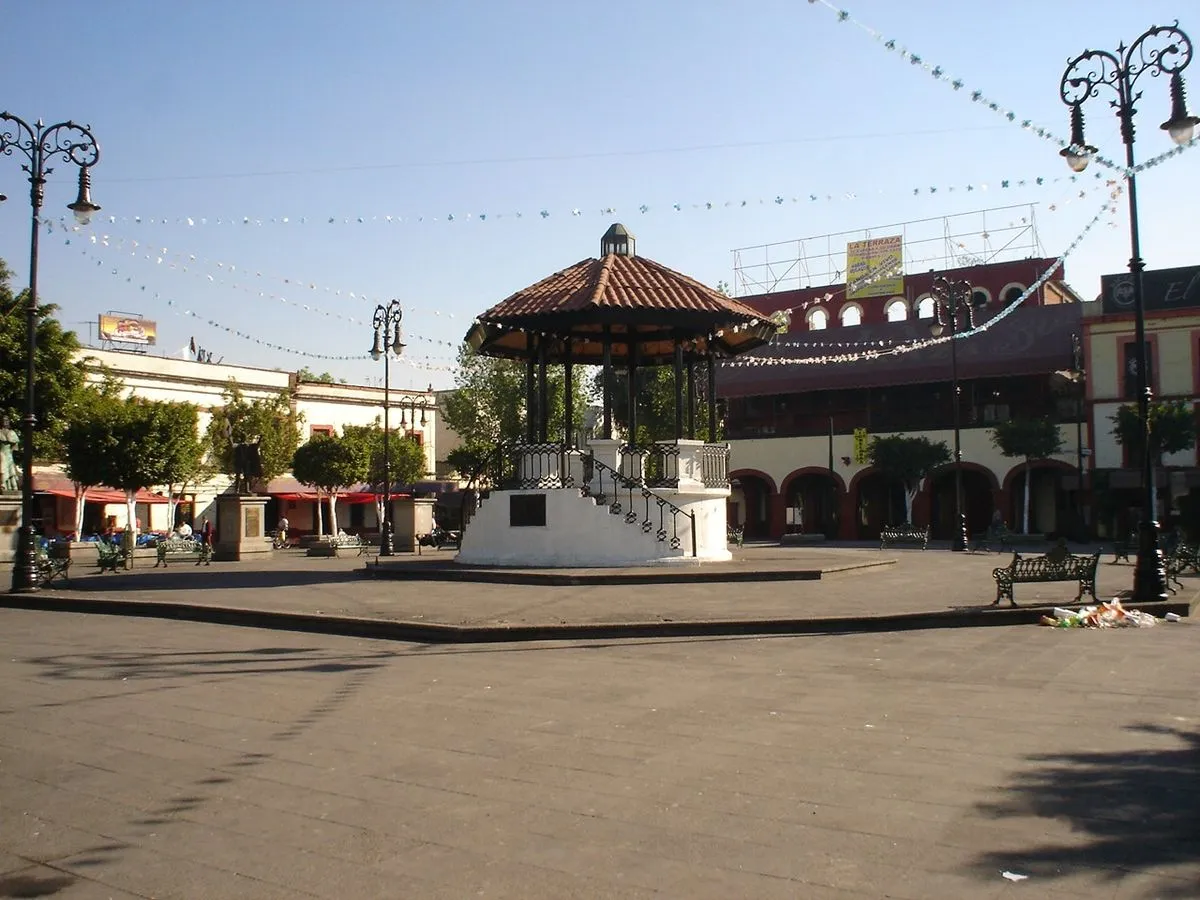
Plaza Garibaldi is the square in Mexico City's historic centre where mariachi bands gather every night, a few blocks north of the Palacio de Bellas Artes. Musicians in silver-studded or charro outfits wait here to be hired for a song, a party or a serenade, and groups from Veracruz and northern Mexico play among them. Restaurants and bars surround the square, and the Museo del Tequila y Mezcal stands on it. Listening from the side costs nothing. A song does cost money, so ask the price first.
Why mariachi is played here
Mariachi music comes from Jalisco, and its roots go back to at least the 18th century, when it developed in the Mexican countryside. It reached its height in the mid-1900s, when mariachis appeared regularly in Mexican films. Plaza Garibaldi is the place in the capital most closely tied to that tradition.
A local story says a man from Jalisco opened a cantina here and hired a band to play, and the square has been known for traditional music ever since. Today the area has the Barrio Mágico designation, and the plaza is twinned with Plaza Real in Barcelona.
Mariachi has been turned into a film image and a stereotype, but in the plaza it is still a working trade. Bands wait here nightly to be hired for events elsewhere in the city or for a serenade on the spot.
Who plays in the square
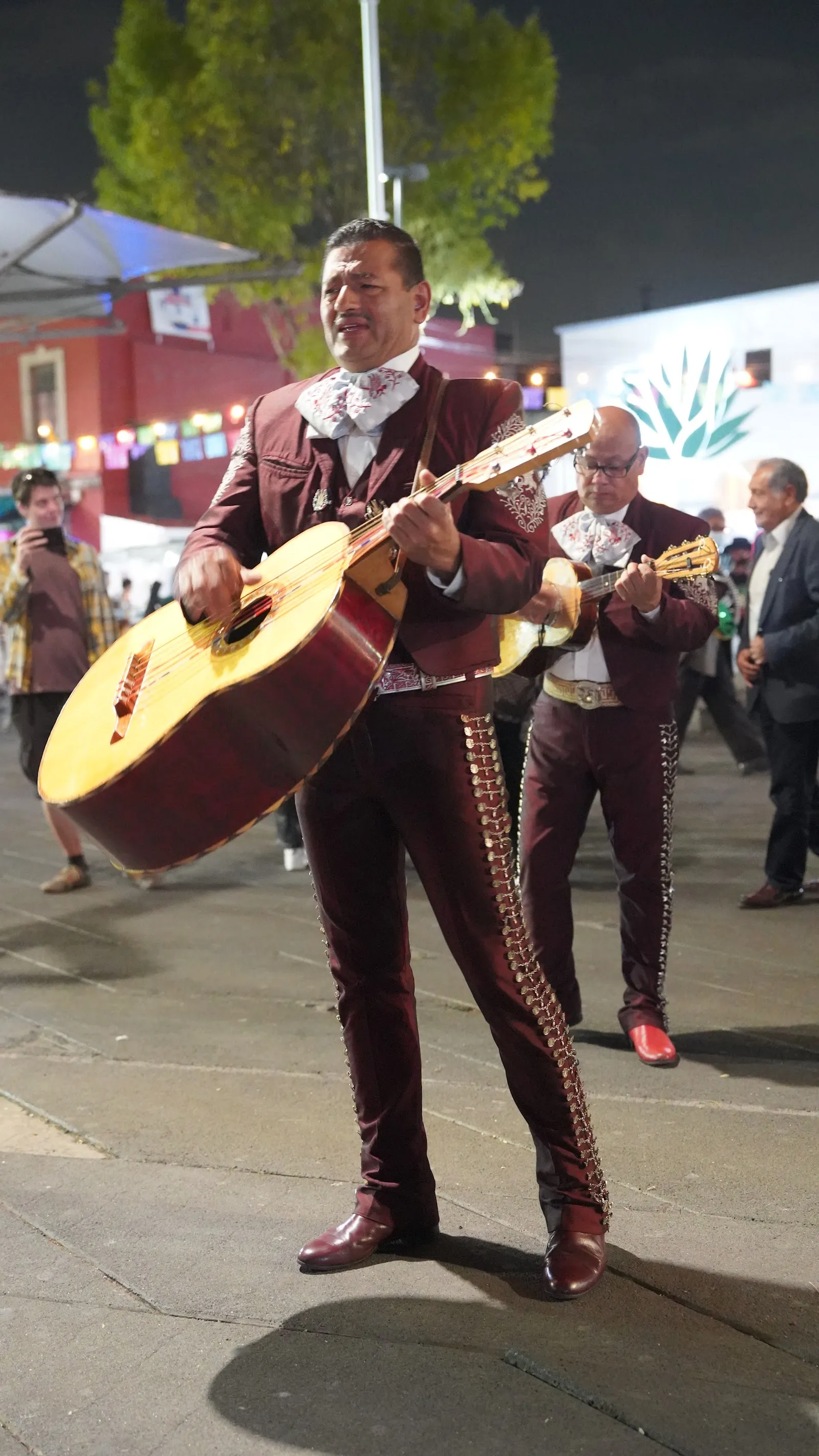
Mariachi groups wear charro outfits, often studded with silver, and play trumpets, violins, guitars and the guitarrón. They walk around the plaza and into the restaurants that line it, and they stop when someone offers to pay for a song.
You will also see other regional styles. Son jarocho groups, dressed in white, come from Veracruz. Norteño bands play folk music in the style of the north. Statues of famous singers stand around the plaza and are worth a short walk before the evening crowd arrives.
People also come to hire a band for a birthday or another celebration, so some of the activity around you is business being arranged.
Songs, prices and how it works
Standing nearby and listening to the bands costs nothing. If you want a song, you ask a band and agree on a price. The usual rate is about 100 pesos a song, and bands often name a lower figure if you show little urgency.
If you sit down at a restaurant or bar, bands will come and offer songs. You can decline, and someone at the next table will probably take them up on it, so you hear the music either way.
People who steer you toward a show are best treated with care. A bar with an unclear cover charge or service fee can end up costing more than expected, so agree on the terms first and check the bill. Bars with an established name, such as Tenampa, are the safer choice.
A few small costs come up on a visit. A game of toques, where a street vendor gives you a mild electric shock, costs around 20 pesos. There is a small food court behind the plaza sign, and the toilets there charge a few pesos.
Around the plaza
Tenampa is a cantina beside the plaza and a standard stop for a tequila. The Museo del Tequila y Mezcal is on the square, and its rooftop lets you taste tequila while the mariachis play below, late into the night.
The plaza has been renovated with public money and private investment, and security has been increased. It is a short detour north of the other downtown sights, a few blocks from the Palacio de Bellas Artes.
The square is open at all hours. Lunch with music works in daylight, sunset suits a drink, and the busiest time for performing bands is later at night, after 11 p.m.
Häufige Fragen
Is there an entry fee for Plaza Garibaldi?
No. It is an open public square, and you can stand and listen to the bands for free. You pay only if you ask a band to play a song for you.
How much does a mariachi song cost?
About 100 pesos a song. Ask the price before the band starts, as it can often be negotiated down.
What is the best time to visit Plaza Garibaldi?
The bands gather every night, and they are most active after 11 p.m. You can also come in the daytime for lunch with music, or around sunset for a drink.
Where is Plaza Garibaldi?
It is in the historic centre at Eje Central Lázaro Cárdenas 43, a few blocks north of the Palacio de Bellas Artes.
What else is there to do near the plaza?
Tenampa cantina is next to the plaza, and the Museo del Tequila y Mezcal is on it. Restaurants and bars surround the square, and a small food court sits behind the sign.