Museo Soumaya is a private art museum in the Polanco district of Mexico City, founded by Carlos Slim and named after his late wife, Soumaya Domit. Entry is free every day. The silver building, covered in hexagonal tiles, is the first thing you see. Inside, a spiral ramp leads past European masters, Mexican painting, pre-Hispanic art and a large group of Rodin sculptures on the top floor. Plan two to three hours, and walk around the exterior as well as through the galleries.
The building in Polanco
The Plaza Carso building opened in 2011 and was designed by the Mexican architect Fernando Romero. It stands about 45 metres high and is covered in some 16,000 hexagonal tiles. It has no windows, and the surface looks different depending on the time of day, the weather and where you stand.
It sits among the corporate towers of Plaza Carso, in a part of Polanco known for high-end shops. Museo Jumex, a minimalist gallery for contemporary art designed by David Chipperfield, is next door. Acuario Inbursa is just across from the museum. At the east side of the building there is a living wall of succulents, only a few steps away.
Who founded it and how it is organised
The museum was established in 1994 by the businessman Carlos Slim and named for his wife, Soumaya Domit, who died in 1999. It is a not-for-profit cultural institution and the flagship museum of the Carlos Slim Foundation.
The museum has three sites: Plaza Carso, Plaza Loreto and Casa Guillermo Tovar de Teresa. The silver building most visitors know is Plaza Carso. The collection numbers more than 60,000 works across about thirty centuries, and only a fraction is on display at any one time.
What is in the collection
Most of the European holdings date from the 15th to the 20th centuries. Names include Titian, Turner, Monet, Renoir, Picasso, Dalí and Miró, with a good deal of impressionist and expressionist work. Mexican art is also well represented, with Diego Rivera, David Alfaro Siqueiros, José Clemente Orozco and Rufino Tamayo among the painters.
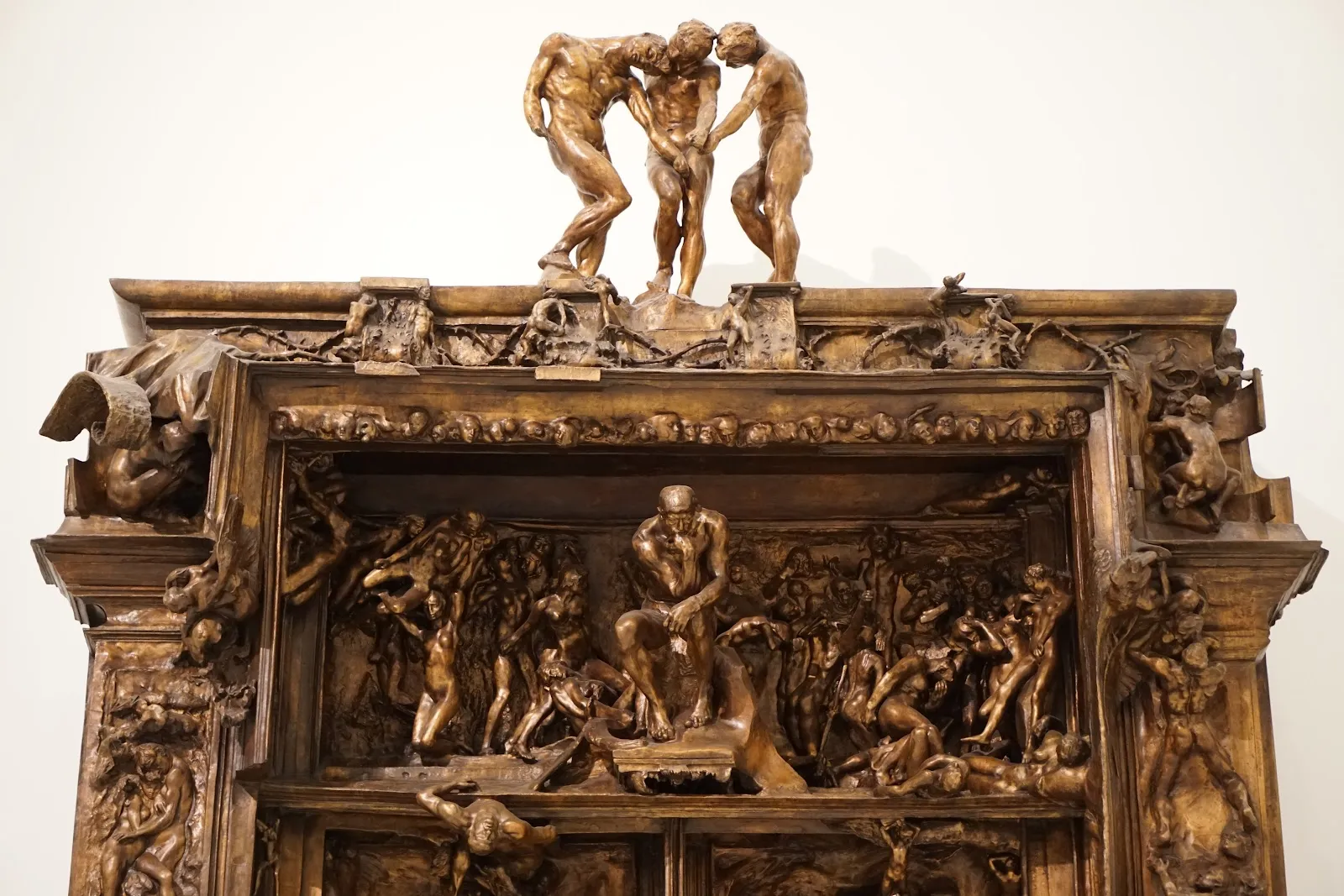
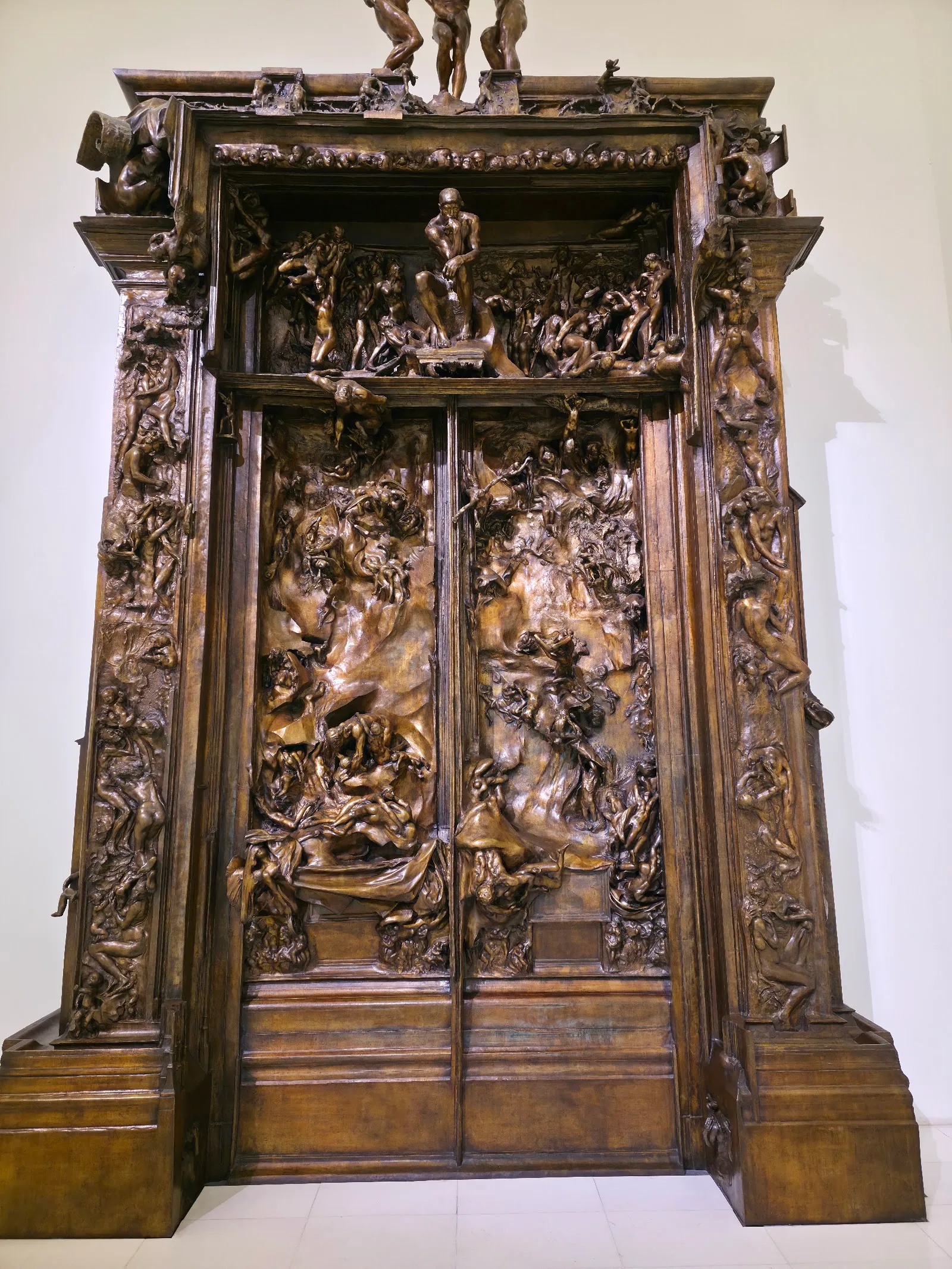
The top floor is given to Auguste Rodin. The museum holds more of his cast sculpture than any collection outside France, and it includes "The Thinker" and "The Gates of Hell". The light comes from a skylight above.
The museum also has pre-Hispanic ceramics and Mesoamerican art, religious works and historical documents. It holds what is described as the world's largest collection of pre-Hispanic and colonial-era coins. There are Japanese and Chinese ivories, too, and a first-floor display on the history of technology with phones, watches and musical instruments.
Walking the ramp
Inside, the galleries open off a continuous spiral ramp, which is similar in layout to the Guggenheim in New York. The usual route is to take the elevator to the upper floor and walk down. Along the ramp, information panels set events in Mexican history beside events elsewhere in the world.
The building has wheelchair-accessible entrances, restrooms, parking and an elevator, and there is a restaurant on site. Tickets are not needed, though the line outside can be long at busy times.
Häufige Fragen
Is Museo Soumaya free?
Yes. Entry is free every day for everyone, including foreign visitors. You do not need to buy or reserve a ticket online.
How long do you need at Museo Soumaya?
Two to three hours is enough to go through all the floors. A shorter visit works if you focus on the top-floor Rodin sculptures and a few galleries on the way down.
What is the best time to visit?
Early morning, since a line can form later in the day. For photographs of the exterior, a clear day or the hour before sunset suits the reflective tiles.
What can you see inside?
European works by artists such as Monet, Renoir, Picasso and Dalí, Mexican painting, pre-Hispanic art, colonial coins and ivories. The top floor has the Rodin sculptures.
Where is Museo Soumaya?
It is at Blvd. Miguel de Cervantes Saavedra 303, in Polanco, Mexico City, within Plaza Carso. Museo Jumex is next door.
Is the museum open every day?
Yes, it opens daily. Check the hours shown on the page before you go.