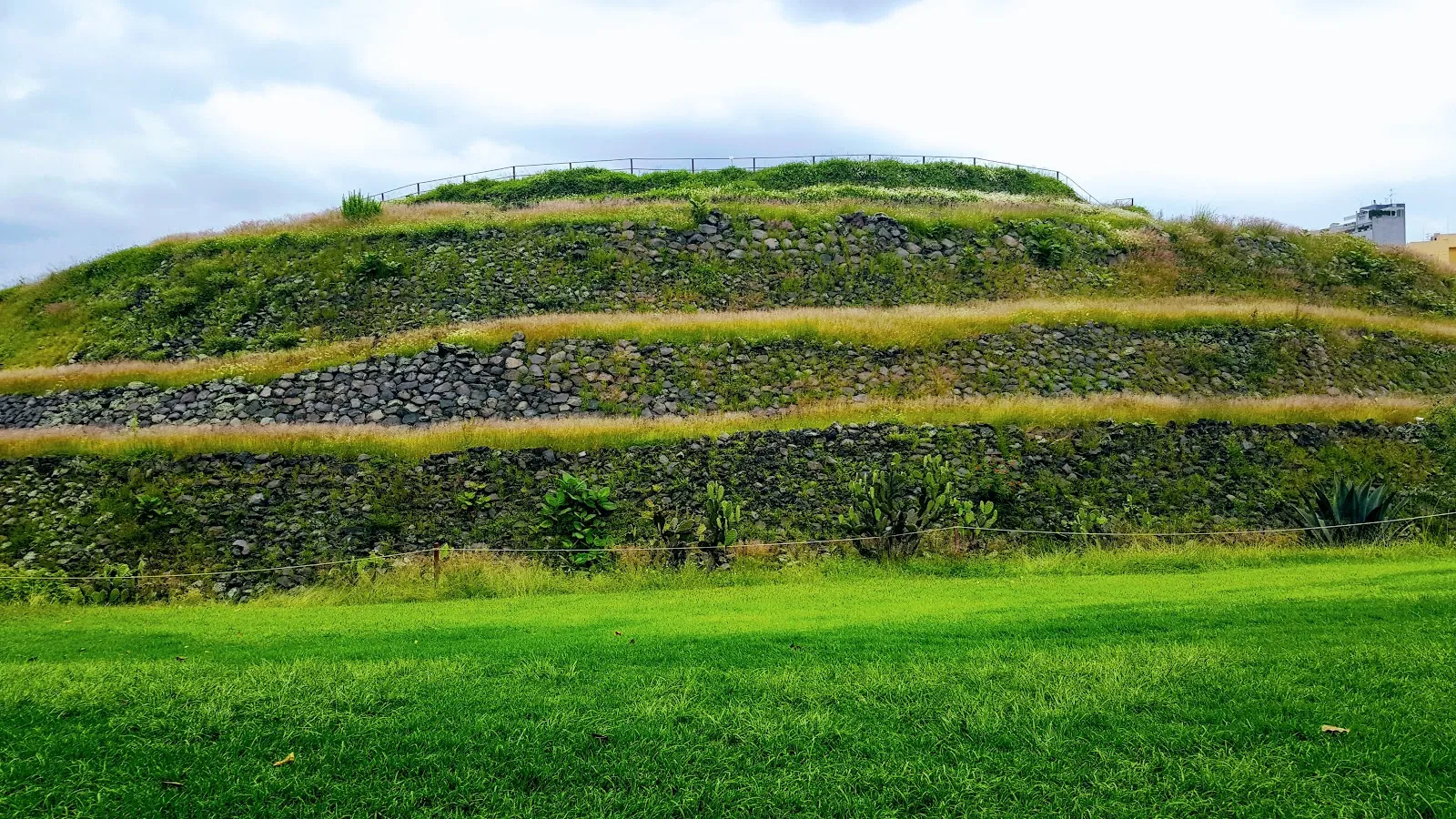
Bosque de Chapultepec is a large public park west of the historic centre of Mexico City, between Polanco and the Roma and Condesa neighbourhoods. Shaded paths lead to a lake with pedal boats, a zoo, several museums and Chapultepec Castle on its hill. The Museo Nacional de Antropología stands in the first section, the oldest and most visited. Families, joggers and cyclists use the park, and food vendors line the main paths. Walking the grounds costs nothing, while the castle charges a small entrance fee.
The park's sections
Major roads divide the park from east to west into separate sections, and each has its own character. The first section is the oldest and the most frequented. It lies closest to the city centre and holds most of the museums and other attractions. The second section is much quieter. It has plenty of space for recreation, a more local feel, and you will mostly see joggers and people walking their dogs. The third section is largely undeveloped and works as an ecological reserve.
If you have one day, the first section is the natural choice. If you have a second, the second section shows a calmer side of the park.
Chapultepec Castle and the Young Heroes
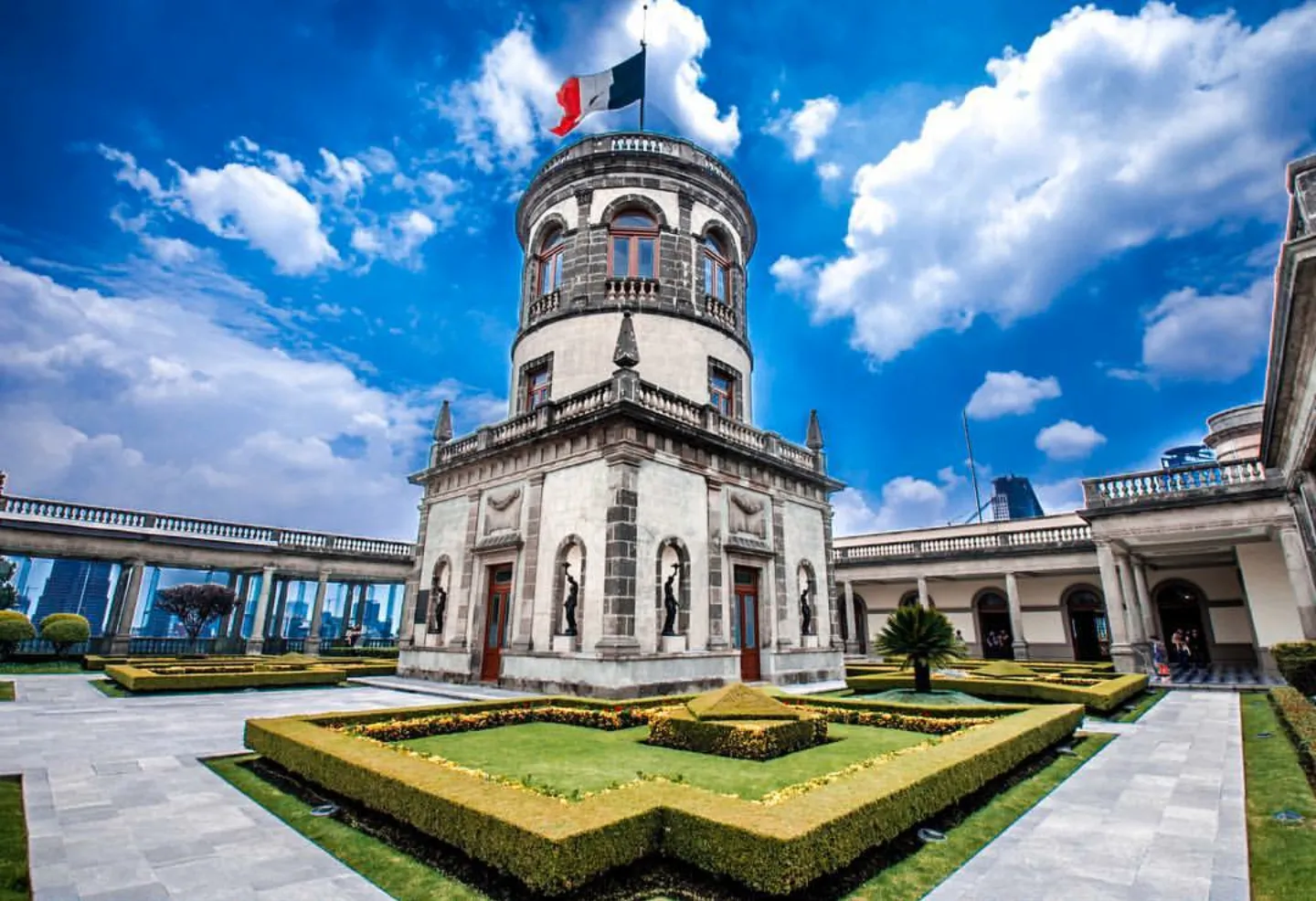
The castle stands at the highest point of the park and looks out over the city. It was the residence of Emperor Maximilian of Habsburg before it became a museum, and it is the only castle in the Americas that European royalty ever lived in. Today it houses the National Museum of History. Inside and around it you will find murals, tiled floors, stairways, stained glass windows and gardens. A piano recital has been held in an open area of the castle.
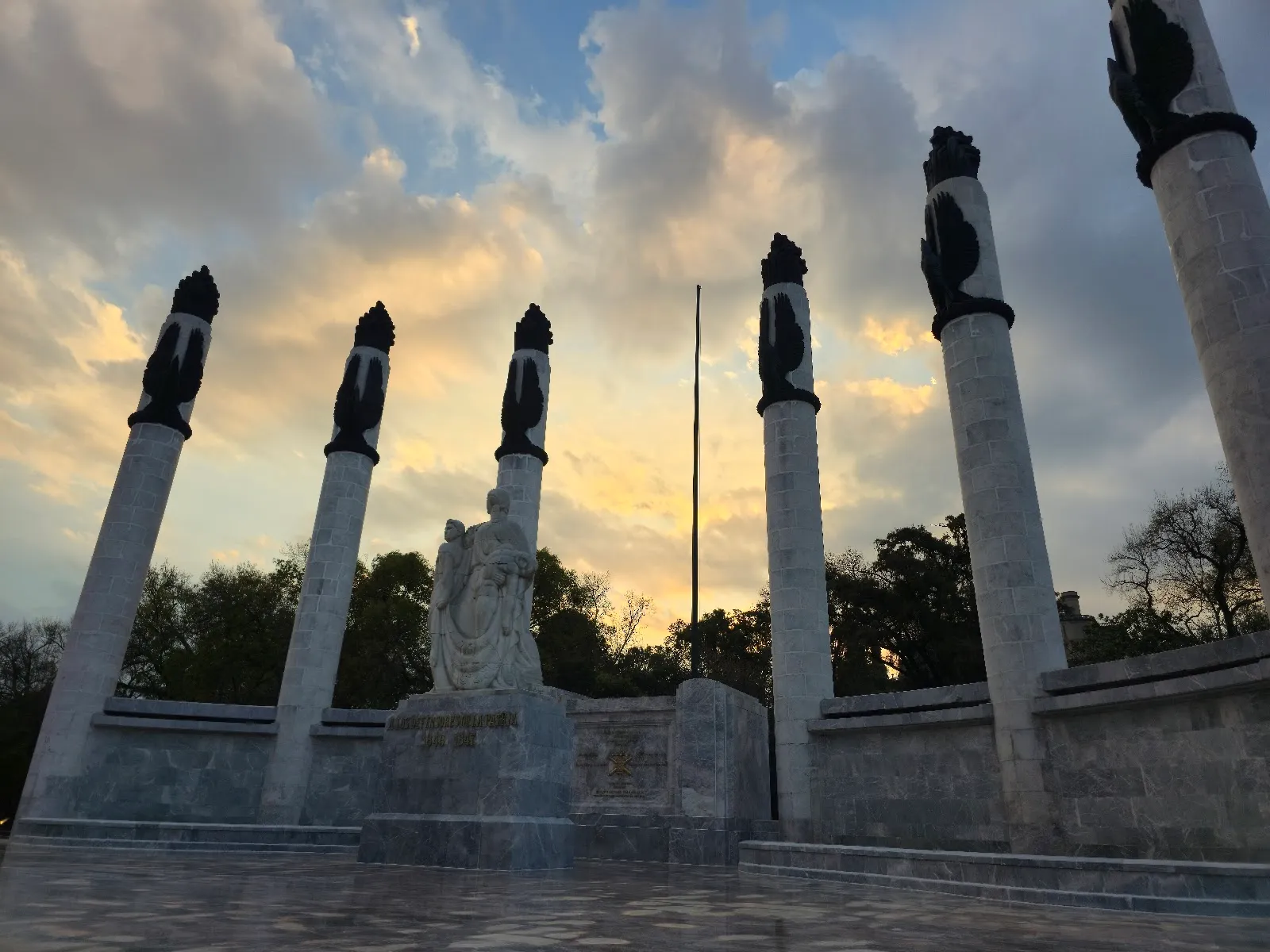
The hill is also tied to the Battle of Chapultepec in 1847, during the Mexican-American War. Near the main entrance of the park, the Monument to the Young Heroes honours six young cadets who refused to surrender. From there, a road leads up to the castle. A visit to the castle itself can take about two hours.
Museums, murals and the zoo
The first section is home to the Museo Nacional de Antropología, the Museo Tamayo Arte Contemporáneo and the Museo de Arte Moderno. In front of the Anthropology Museum, the Voladores de Papantla perform their ritual, in which the dancers swing from a tall pole. Diego Rivera's large mosaic sculpture of the rain god Tláloc is also in the park, and a botanical garden grows rare orchids.
The zoo is free to enter. Its animals live in spacious, landscaped enclosures, and the axolotl is a favourite stop.
Lake, picnics and quiet corners
The lake, Lago del Bosque de Chapultepec, is lined by jogging trails and mature trees, and you can rent pedal boats on it. Some boats are pushed together in the evening to make seating for an open-air cinema. Grassy picnic areas lie below the castle, and many visitors bring a torta to eat there.
Vendors along the main paths sell roasted corn, cotton candy, chicharrón, snacks, toys and souvenirs. For a quieter pause, the Audiorama lets you borrow a book and read under the trees while classical music plays. The park also has a designated quiet area where talking is not allowed.
A paved circuit through the park suits strollers and visitors with reduced mobility, though some parts are cobblestone. Dogs are welcome in most of the park. The area near Lago Menor is popular with dog walkers, and on Sundays dogs may run off leash in the first section between 9 am and 3 pm.
The name and the older history
Chapultepec comes from the Nahuatl language and means grasshopper hill. The area has been inhabited since around the 10th century BC. In the 13th century it was a temporary home of the Aztecs after they migrated to the valley. Later, a spring here supplied fresh water to their island capital through an aqueduct on one of four causeways. The Spanish word bosque means forest, which suggests how the place looked before paving covered much of the soil.
Häufige Fragen
Is there an entry fee for Bosque de Chapultepec?
Walking through the park is free. Chapultepec Castle charges a small entrance fee, and visitors aged 60 or over enter the castle free. The zoo is also free.
How long do you need at Bosque de Chapultepec?
The park is large enough for several days. A first visit of two to four hours covers the castle and part of the first section, and a full day lets you add museums and the lake.
Is Bosque de Chapultepec open on Mondays?
On Mondays the first section is closed to pedestrians, though one report says bicycles may enter. The second section stays open on Mondays.
Are dogs allowed in Chapultepec Park?
Dogs are welcome in most of the park. The area near Lago Menor is popular for dog walking, and on Sundays dogs may run off leash in the first section from 9 am to 3 pm.
How do you get to Bosque de Chapultepec?
The park lies right off Paseo de la Reforma, which has many entrances. You can also leave the metro at Chapultepec station and walk in. From the Reforma neighbourhood the park is within walking distance.