The 1991 Barricades Museum in Riga’s Old Town tells how citizens defended key buildings during Latvia’s struggle to restore independence. Its three rooms bring the January 1991 events into focus with photographs, a timeline, a map of barricade sites and a model of Dome Square. You can also see pieces of the barricades and learn about the people involved. The collection draws on historical objects and personal testimonies. English explanations are limited, so an information leaflet or a guided visit can help put the displays in context.
Why the barricades were built
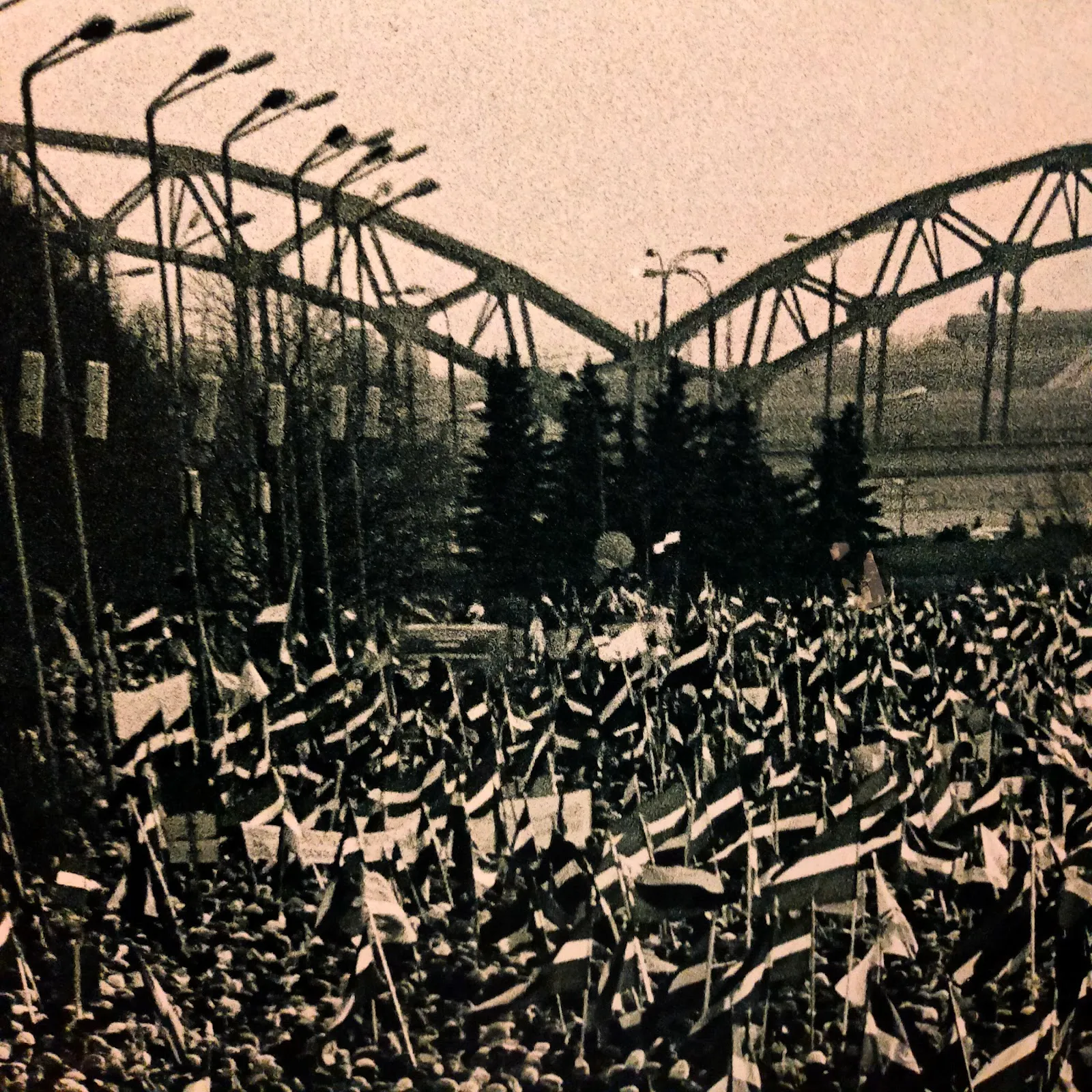
The museum focuses on Latvia’s barricade days in January 1991 and the wider struggle to restore the country’s independence. After Latvia reasserted independence in 1990, people feared the Soviet Union would use force to prevent the country from leaving. Citizens erected barricades around important buildings and structures in Riga to guard against a military invasion.
The displays explain where the barricades stood and why protecting these sites mattered. They connect the events in the streets with the effort to defend Latvia’s renewed state independence. The museum also covers August 1991, another period tied to the country’s independence struggle.
The institution was founded in 2001 by an association of participants in the January barricades. Its collection grew from historical objects and personal testimonies. Preserving accounts and material evidence gives the exhibition a focus on both the events and the people who experienced them.
Objects, maps and photographs
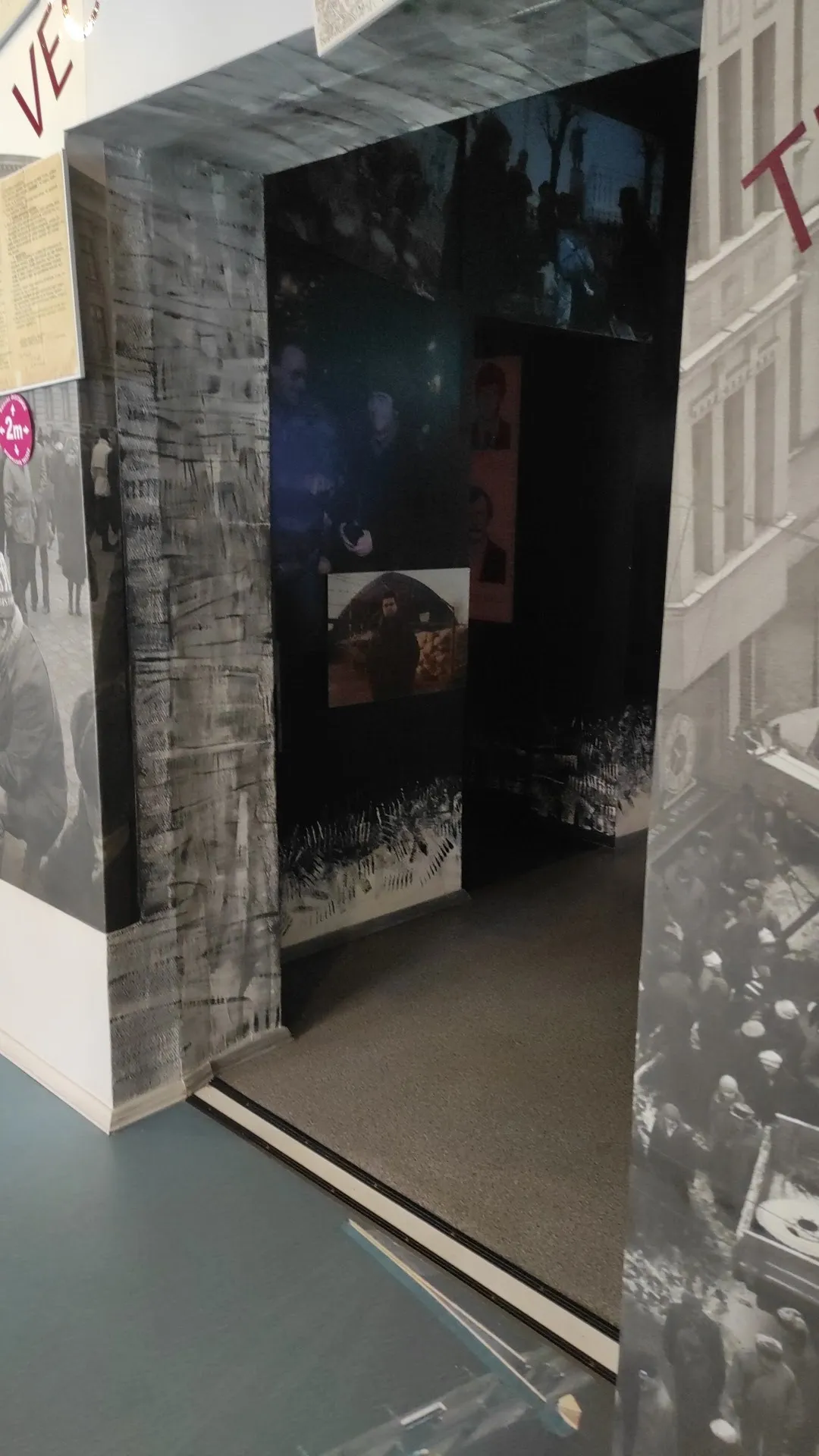
The exhibition is arranged across three rooms. A model of Dome Square depicts fires and lorries, bringing the setting of January 1991 into view. A map marks the Riga sites defended during the barricade days, helping visitors understand the locations at the centre of the events.
Other displays include photographs and a chronology of the period. Pieces of the barricades add physical evidence to the accounts and images. Together, these objects trace what happened and show how the city’s public spaces became part of the defence effort.
The museum’s compact layout concentrates on this specific chapter of recent Latvian history. Rather than covering the whole story of Latvia, it gives attention to the barricades and the events of January and August 1991.
Getting context during your visit
English-language interpretation is limited in the exhibition. Information leaflets are available in several languages, including English, and can help explain the displays. If you want more context, ask the museum staff about what you are seeing; a translation app or guidebook can also help you follow the exhibition.
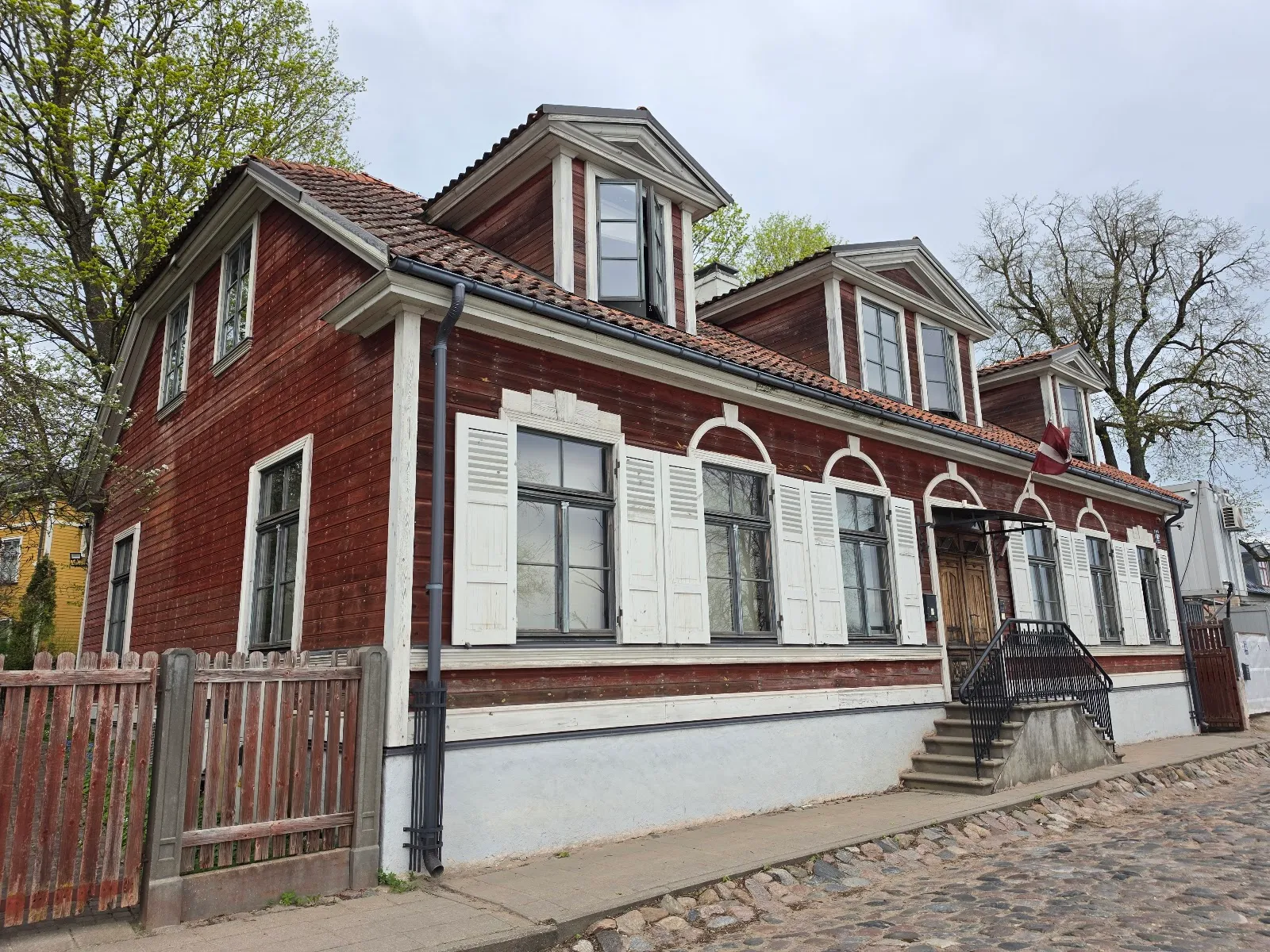
The museum is in Riga’s Old Town, in an area where participants in the barricades once gathered to rest and share meals. Its entrance has a stone portal dating to the first half of the 18th century. The location links the present-day museum with a place associated with the events it documents.
The museum’s purpose is to preserve, study and communicate evidence of the barricades and the 1991 events, as well as to remember those who died during the struggle for independence. Its collection brings that purpose into focus through local testimony, photographs, maps and objects.
Häufige Fragen
What does the 1991 Barricades Museum cover?
It focuses on the barricade events of January 1991 and related events in August, during Latvia’s struggle to restore independence.
What can you see inside the museum?
The three-room exhibition includes a Dome Square model, a map of defended sites in Riga, photographs, a timeline and pieces of the barricades.
Is there information in English?
English explanations in the exhibition are limited. Information leaflets are available in several languages, including English.