
On the second floor of the Silk Center in Yokohama, this museum traces the city’s connection to silk, from production and trade to finished garments. You can follow silk from silkworms and cocoons through weaving and dyeing, then see historical Japanese clothing, including kimonos, alongside different silk types. Displays explain the processes in English as well as Japanese, and some exhibits can be touched. Loom activities add a hands-on element for children and adults interested in textiles or how silk is made.
Yokohama and the silk trade
The museum was established in 1959 to mark the centenary of Yokohama’s port opening. Its subject is closely tied to the city’s history: from the opening of Japan’s borders until the early 20th century, silk was the country’s leading export, and almost all of it passed through Yokohama.
Exhibits connect that trade to the material itself. They cover the development of Japan’s silk industry and show how a fibre produced by silkworms became a valuable export. Historical advertisements for silk sit alongside displays of fabrics and clothing, giving visitors a view of how the material was presented and used over time.
From cocoon to cloth
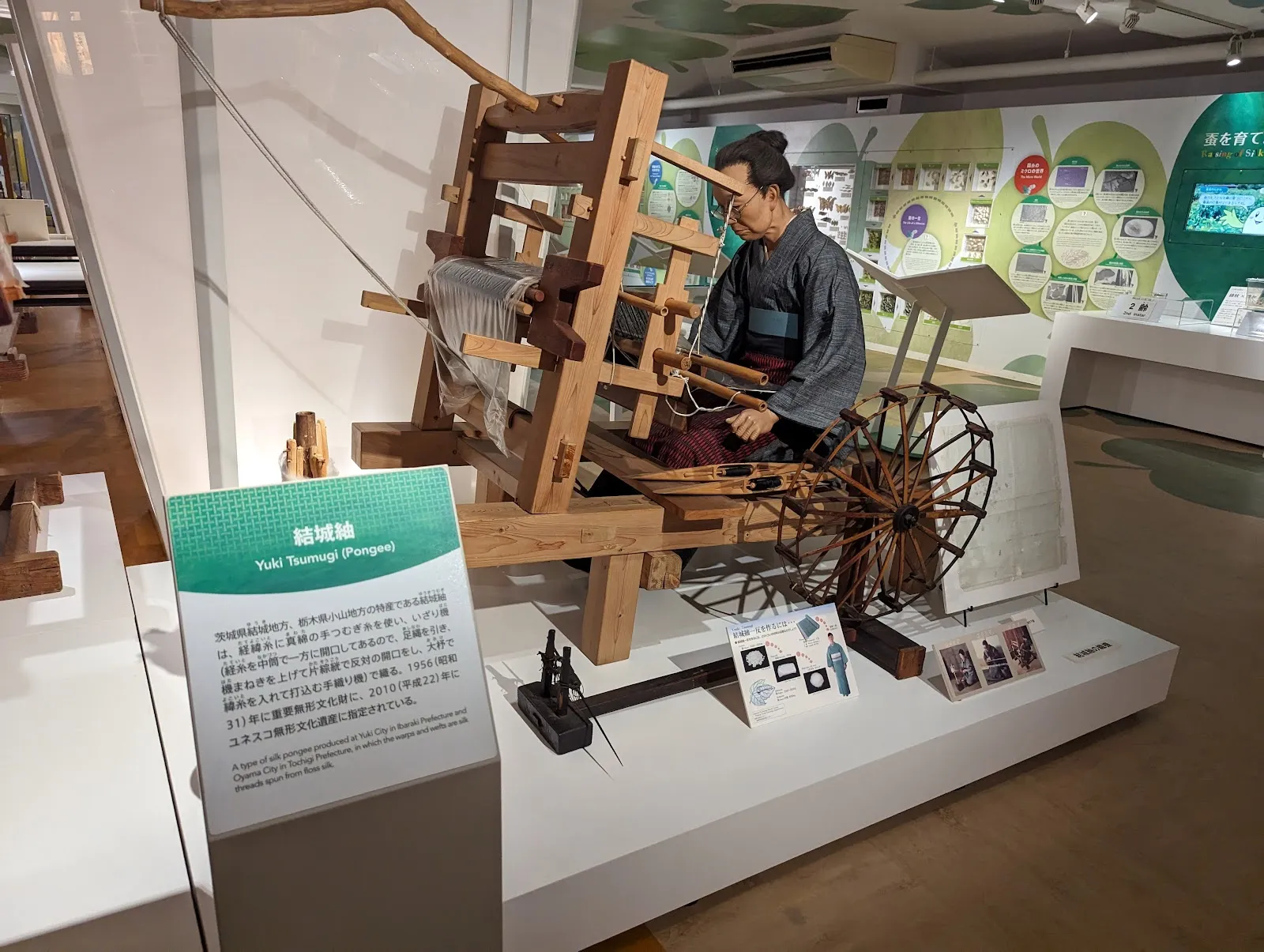
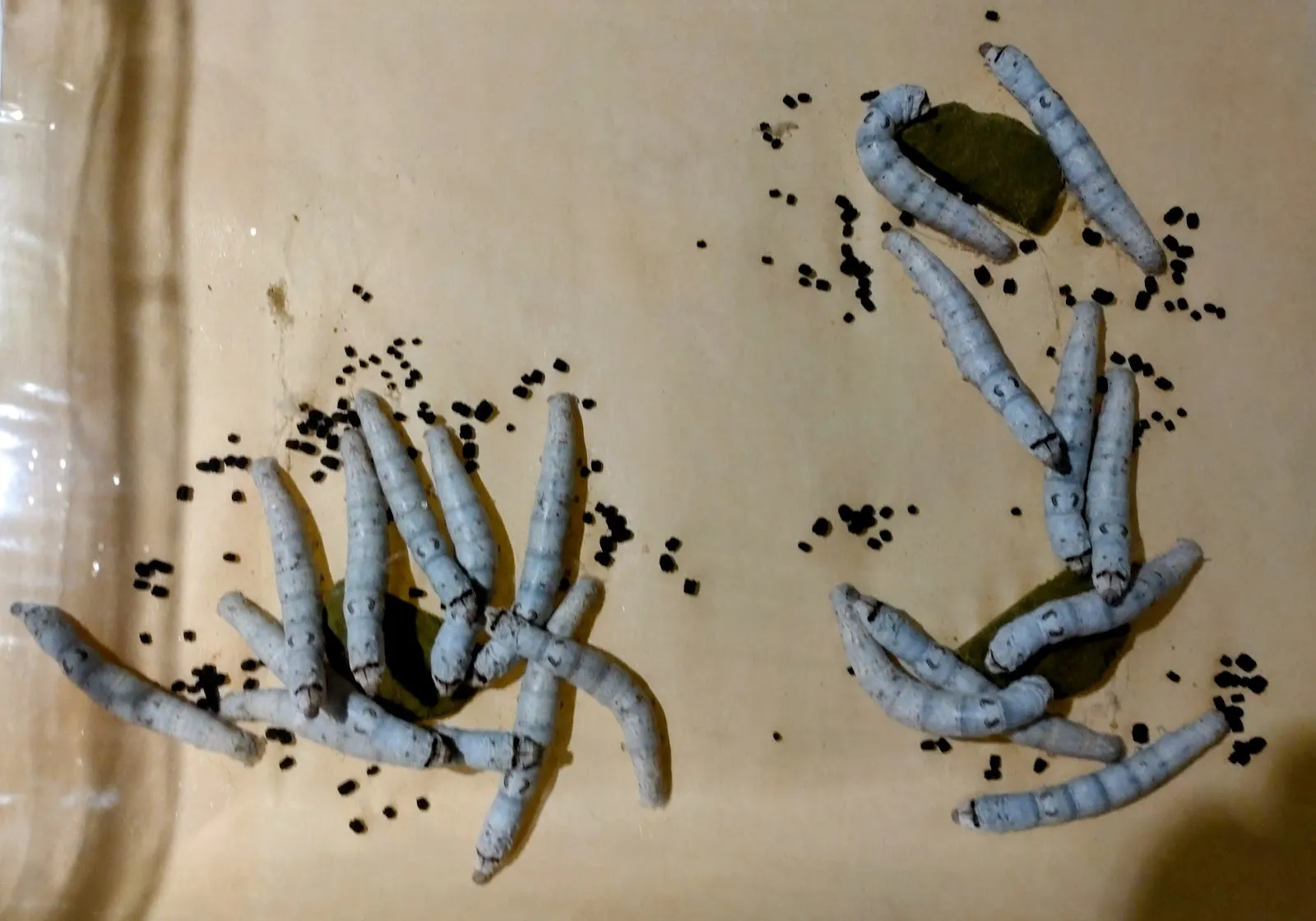
The production displays trace silk through several stages, including silkworms and cocoons, extraction, weaving and dyeing. Live larvae have been shown in the museum, and touchable samples let you compare silk at different points in its production. The exhibits also explain weaving methods and how colour can be worked into the fabric.
Activities give you a chance to handle the processes rather than only read about them. Depending on what is available during your visit, you may be able to try a loom or work with two colours to make a textile pattern. The displays suit both adults curious about fabric-making and families with children.
Garments and silk types
The collection includes Japanese garments from different periods, with antique kimonos among the highlights. Other displays present silk types and show how the material has been used across Japanese industries, not only for clothing. Look closely at the fabrics and construction to see how weaving and dyeing contribute to the appearance of each piece.
English explanations accompany most of the museum’s information, including material on the silk-making process and trade. Some cards describing kimonos and tapestries are in Japanese only, so the garments themselves provide much of the detail in those cases. A shop sells a range of silk-related items at the end of the visit.
Häufige Fragen
How long do you need at the Silk Museum Yokohama?
Allow about one to two hours to explore the exhibits and try activities.
Is there information in English?
Most exhibit information is available in English. Some cards describing kimonos and tapestries are in Japanese only.
How much is admission?
A visitor reported paying 500 yen per person. Check the museum’s current admission information before your visit.


