Tsukiji Hongwan-ji is an active Jōdo Shinshū Buddhist temple in Tokyo’s Tsukiji district, close to Tsukiji Outer Market. Its stone façade, domed roof and arches draw on ancient Indian Buddhist architecture, giving the building a different profile from many Japanese temples. Inside, the spacious main hall holds a statue of Amida Buddha and detailed decoration with gold accents. The grounds provide a quiet place to pause between market streets and city buildings. Visit for the architecture, or sit quietly during a morning chanting service.
A temple moved from Asakusa
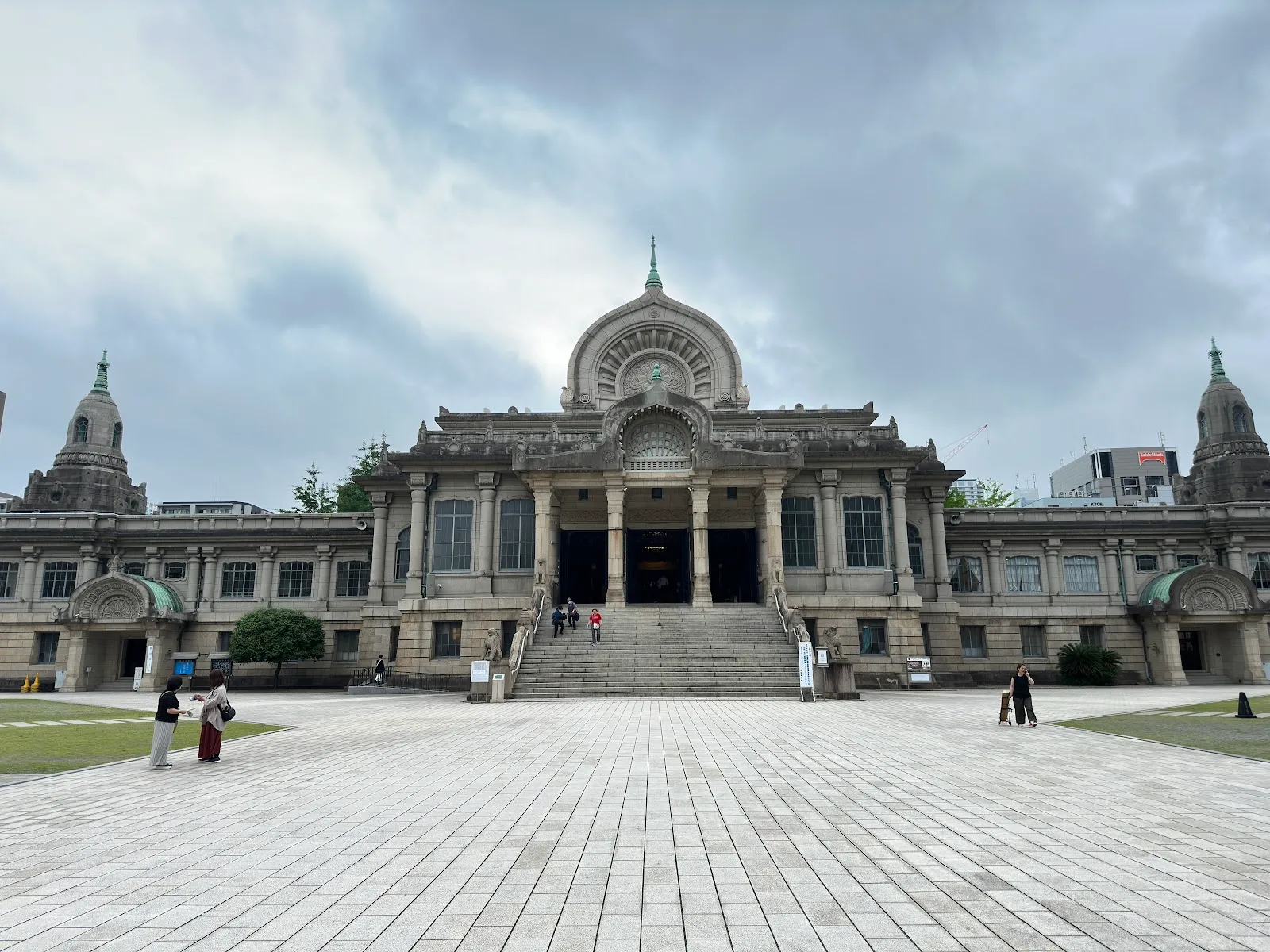
The temple’s history in Tokyo began in Asakusa in the 17th century, when it was known as Edo-Asakusa Gobo. After a fire, it was moved to Tsukiji. Further disasters damaged the site, including the Great Kantō Earthquake of 1923, after which the earlier wooden temple was not rebuilt in wood.
The present building, completed in the 1930s, was designed by architect Chūta Itō. Its stone construction and bold forms set it apart from more familiar Japanese temple architecture.
Inside the main hall
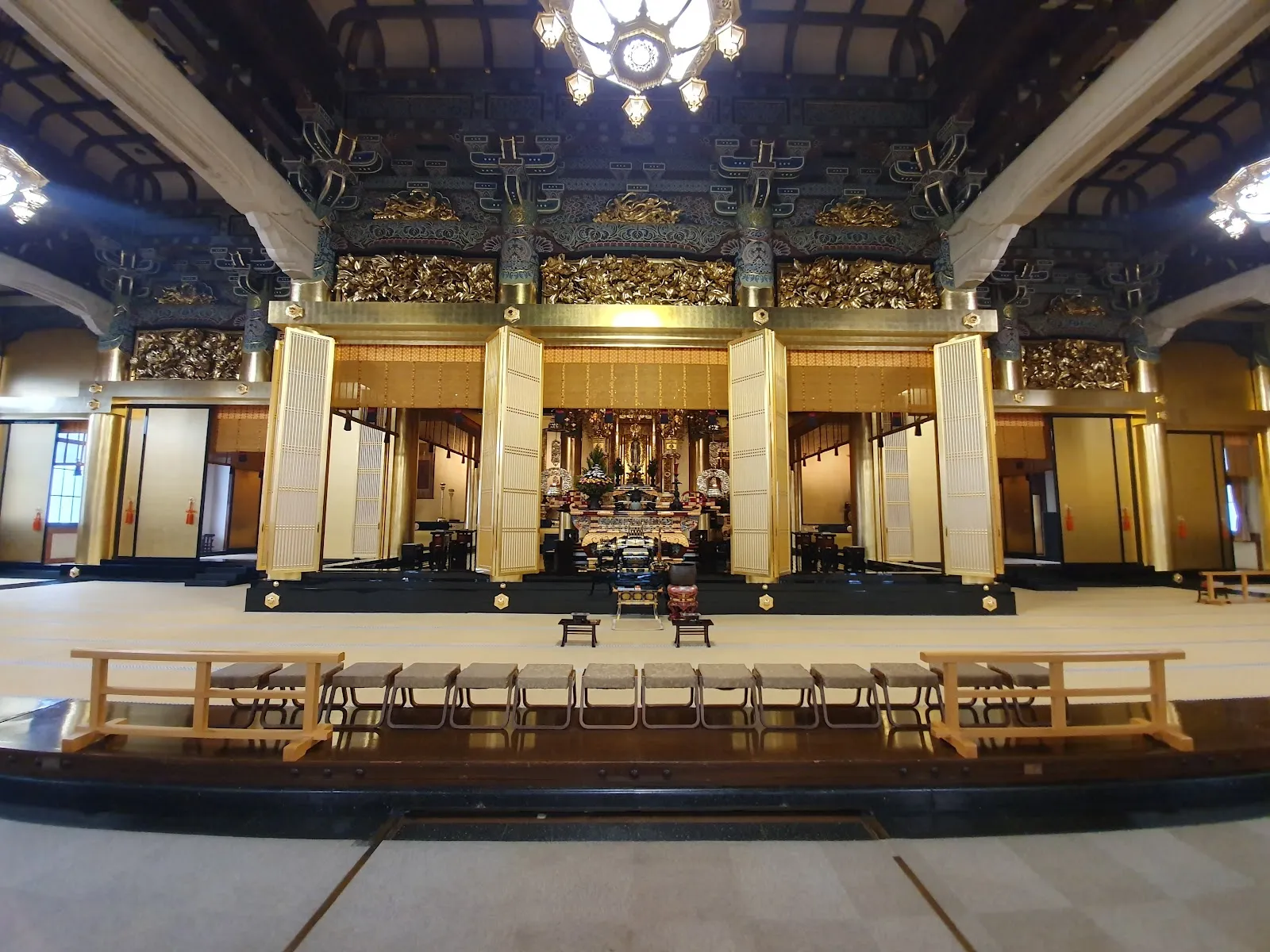
The main hall is spacious, with a statue of Amida Buddha at its centre. Look for Indian-inspired forms alongside details drawn from other architectural traditions, including stained-glass windows and a pipe organ. The combination gives the interior a distinct character while remaining a functioning place of Buddhist worship.
The temple serves the Jōdo Shinshū school of Buddhism. Morning chanting is open to visitors, so you can observe quietly if a service is taking place.
A pause near Tsukiji Market
The temple stands close to Tsukiji Outer Market, making it an easy addition to a market visit. Its grounds offer a quieter change of pace from the surrounding streets. Take time to look at the stone exterior and the details inside rather than treating the stop as only a quick photograph.
The building is illuminated in the evening. Check the temple’s current visiting information before planning an interior visit late in the day, since listed visiting hours end before the illumination does.
Häufige Fragen
Is Tsukiji Hongwan-ji Temple free to visit?
A visitor account describes entry as free. Check the temple’s official website for current visitor information.
What is unusual about the temple’s architecture?
The design draws on ancient Indian Buddhist architecture, with a stone exterior, domes and arches. Inside, you can also see stained glass and a pipe organ.
Can visitors attend morning chanting?
Morning chanting is open to visitors. Stay quiet and follow the lead of people attending the service.
How close is the temple to Tsukiji Outer Market?
It is right beside the market, so the two are easy to combine in one visit.