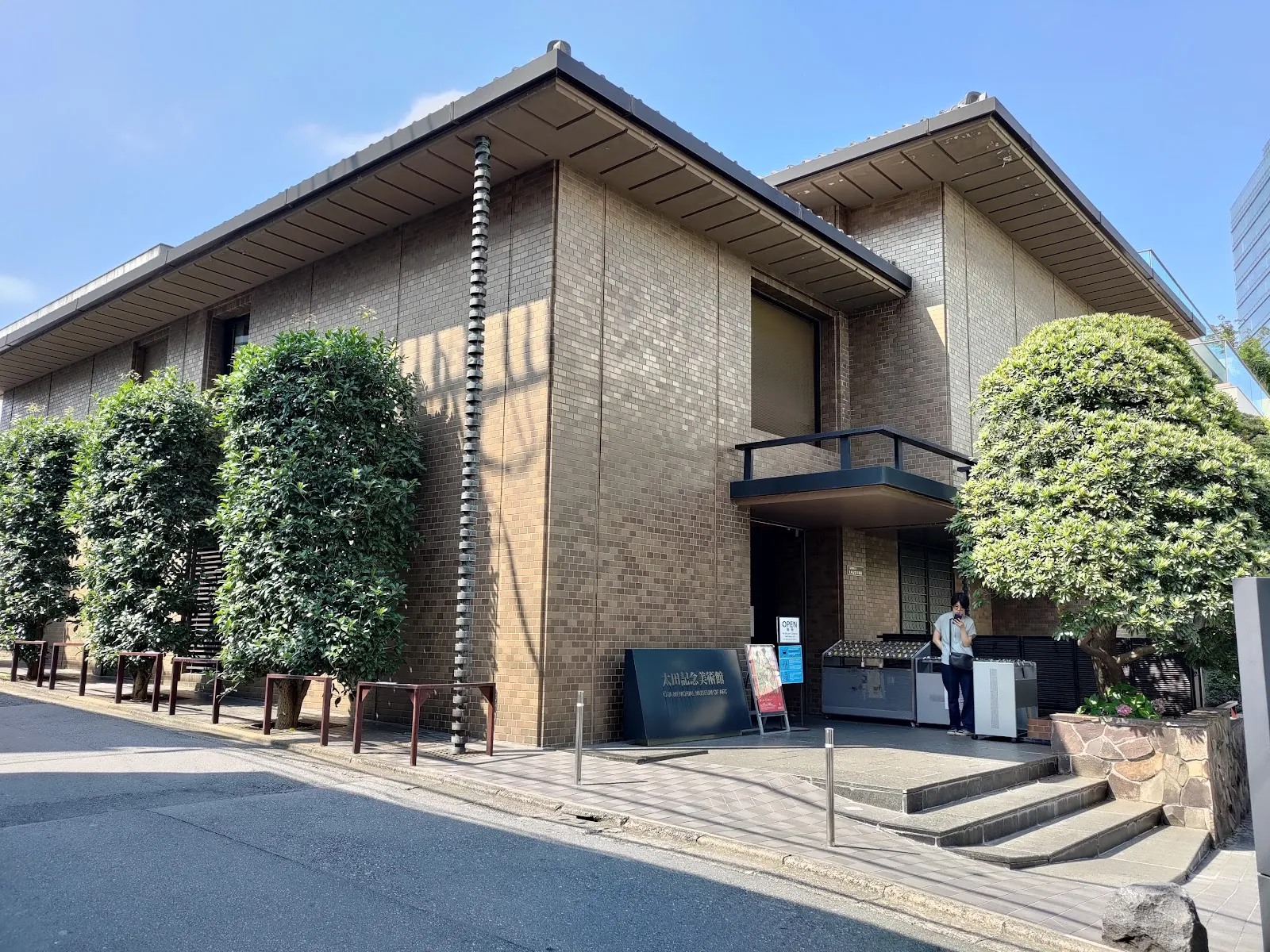
Ōta Memorial Museum of Art is a specialist ukiyo-e museum on Jingumae in Harajuku, Tokyo. Its collection of Japanese woodblock prints appears in changing exhibitions, often arranged around a season, subject or artist. Look for images of Edo life, landscapes, kabuki actors and beautiful women, with English notes to explain the works and their makers. The compact galleries span two floors, so allow time to take in the details. Photography is not permitted, but you can use a pencil to make notes on the museum guide.
A collection saved for public view
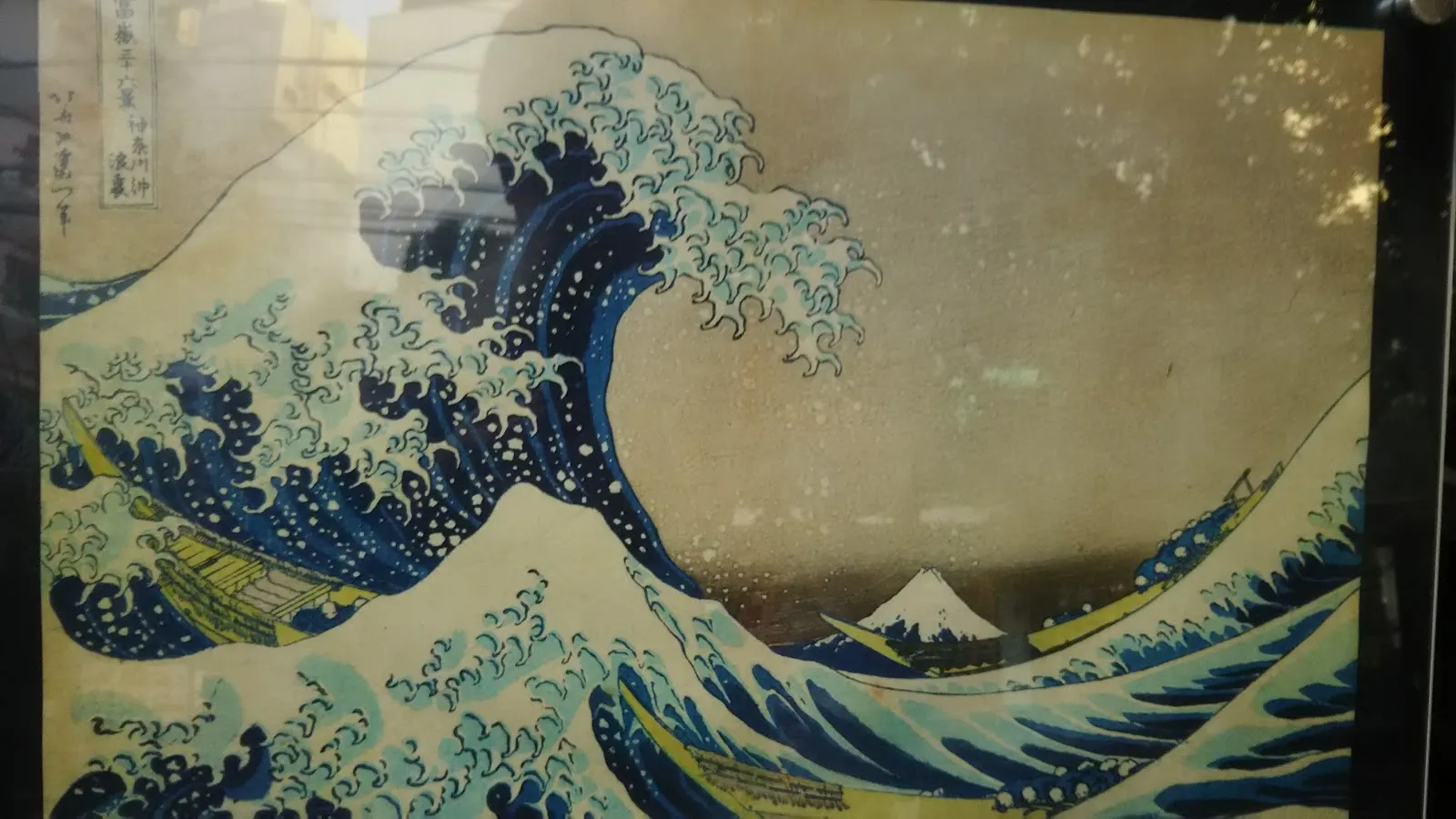
The museum grew from the collection of Ōta Seizō V, a businessman who spent decades acquiring ukiyo-e prints. He was concerned that works admired abroad were leaving Japan, and sought to bring prints back into the country. After his death in 1977, his collection became accessible to the public. The museum opened in 1980.
Ukiyo-e depicts aspects of life and culture during the Edo period. The prints in the collection range across the art form’s development, with subjects that include landscapes, kabuki performers and beautiful women. The museum draws on this collection for its exhibitions, showing only a selection at a time.
Changing exhibitions and artists
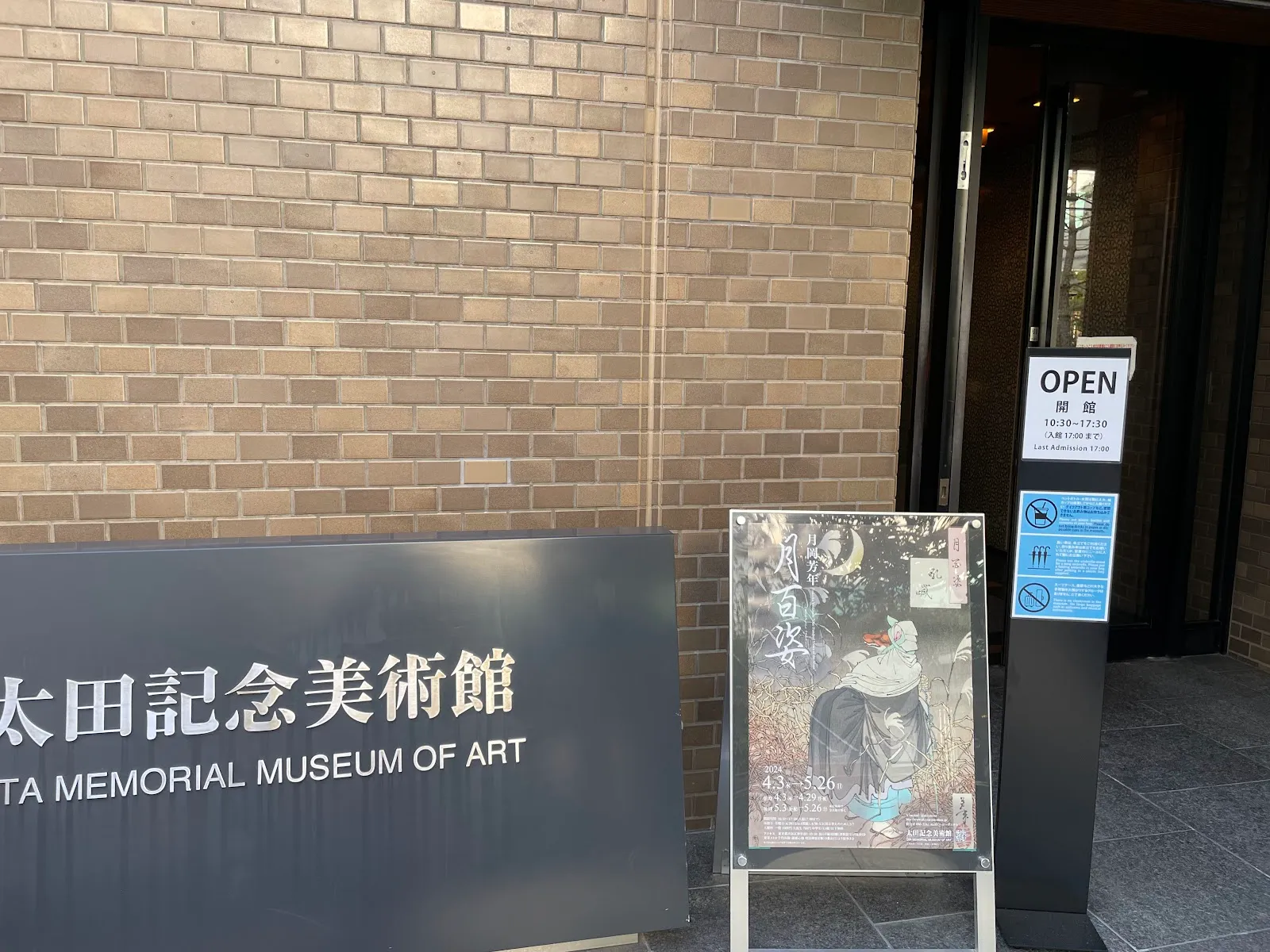
Exhibitions rotate around themes, which can include seasonal motifs, flowers, historical figures and landscapes. Displays also focus on individual artists. Works by well-known printmakers such as Hokusai and Hiroshige may appear alongside other artists, while past exhibitions have explored artists including Hirezaki Eiho and Utagawa Hirokage.
The museum also presents shin-hanga, a modern, Western-influenced form of woodblock printing. Kasamatsu Shiro, who began producing prints for publisher Watanabe Shōzaburō in 1919, is known for delicate scenes of Tokyo neighbourhoods, hot-spring resorts and countryside settings. Exhibition subjects change, so the works on view depend on when you visit.
Finding your way through the galleries
The exhibition is arranged over two floors. English explanations accompany artworks, giving context about the prints and the people who made them. A museum guide lists the works and artists, and can help you keep track of pieces you want to remember. If you plan to write notes, use a pencil; pens are not permitted. Pencils can be borrowed.
Photography is not allowed inside. The galleries are compact, with narrow walkways, and a busy exhibition can take longer to move through. A visit can be brief if you are short on time, but an hour gives you more space to read the notes and look closely at the prints. A small shop sells souvenirs such as postcards.
Häufige Fragen
How long should I spend at Ōta Memorial Museum of Art?
Allow about 30 to 60 minutes. The exhibition spans two floors, and reading the English notes can add time.
Can you take photos inside the museum?
No. Photography is not allowed in the galleries.
Can I take notes during my visit?
Yes, but use a pencil rather than a pen. Pencils are available to borrow, and the museum guide lists the works and artists.
What kind of art does the museum show?
It specialises in ukiyo-e, Japanese woodblock prints. Exhibitions rotate by theme and may include works by artists such as Hokusai and Hiroshige.