
Kyoto Botanical Gardens is a public garden in Shimogamo, in northern Kyoto, with more than 12,000 plant species across themed outdoor sections and a large glass conservatory. Follow paths through Japanese and European-style gardens, bamboo, rose and bonsai displays, ponds and seasonal flower beds. Spring brings hundreds of cherry trees, with varieties that bloom from early March into late April; autumn color adds another reason to visit. The grounds have room for a slow walk or a picnic, and Kitayama Station is about a five-minute walk away.
A garden with collections from around the world
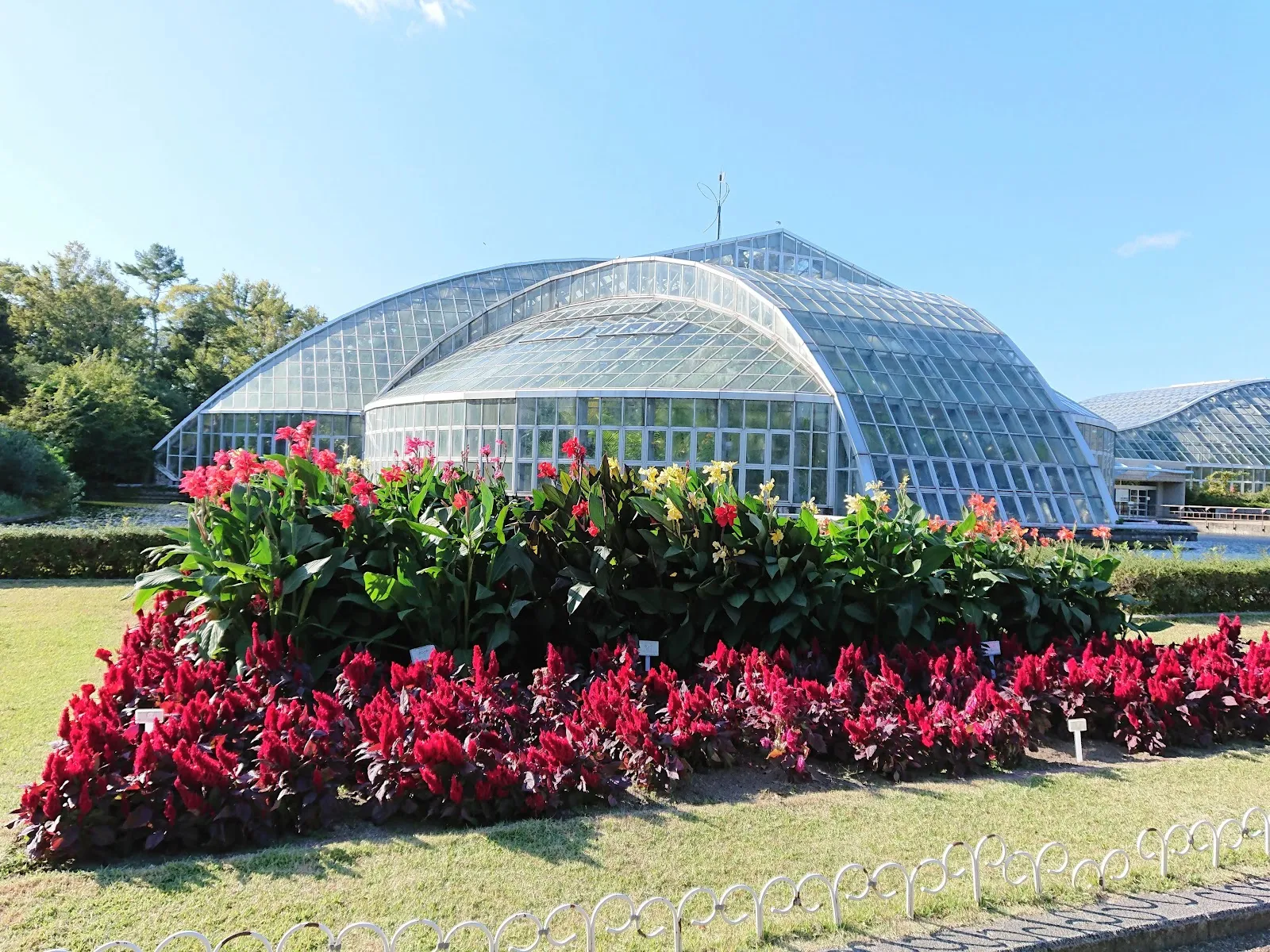
Kyoto Botanical Gardens opened to the public in 1924 and is described as Japan’s oldest public botanical garden. Its grounds cover about 240,000 square metres, with roughly 12,000 plant species from Japan and overseas. The collections are arranged in distinct sections, so a walk can take you from cultivated beds to groves, ponds and more natural-looking areas.
The garden’s variety makes the season part of the visit. Spring brings flowering trees and other blooms; autumn brings color among the trees, including maples and ginkgo. Even outside these periods, the themed sections and conservatory give you different plant environments to explore.
Themed gardens and the conservatory
Outdoor areas include Japanese and European-style gardens, a bamboo garden, a rose garden, a sunken garden, a plum grove and a lotus pond. There are also bonsai displays and plant collections such as hydrangeas, Japanese irises and peonies. The range means you can choose a particular section to focus on or take a longer circuit through the grounds.
The glass conservatory opened in 1992 and contains plants from several climate zones, including tropical lowlands, tropical highlands and temperate alpine environments. Its rooms include designs modeled on Kyoto’s Kinkaku-ji Temple. Set aside time for it alongside the outdoor gardens, especially if you want to see plants that do not grow in Kyoto’s outdoor climate.
Cherry blossoms through the season
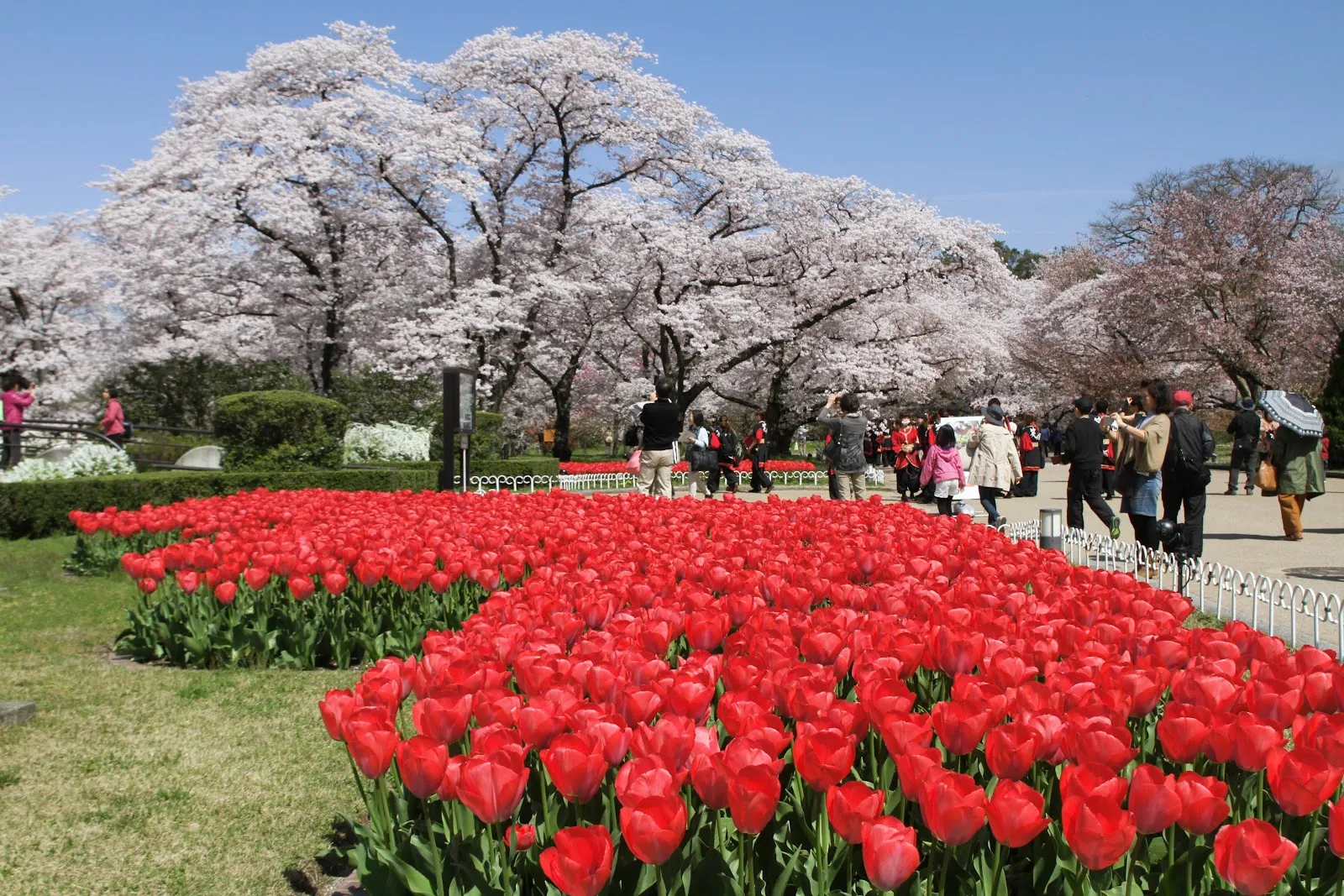
Cherry trees are one of the garden’s main spring draws. The collection includes hundreds of trees and many varieties, with flowering that can stretch from early March into late April. Kawazu cherries bloom early, while later types such as Kikuzakura extend the season beyond the familiar peak for Somei-yoshino. Dates vary by variety and season, so check current bloom information if blossoms are the main reason for your visit.
A cherry grove lies north of the conservatory, and a large weeping cherry stands near the central lawn. The open grounds also suit a picnic among the trees. Arriving early can help you avoid school groups later in the day.
Planning your visit
The garden is in Shimogamo, Sakyo Ward, in northern Kyoto. Kitayama Station on the Karasuma subway line is about a five-minute walk away. The grounds are extensive: allow around two to three hours if you want to see several sections and the conservatory rather than making a quick stop.
The garden is open daily from 9 a.m. to 5 p.m. The supplied entrance-fee information differs by date and source, so confirm current admission and conservatory charges on the official website before setting out. A stamp card is another small activity to consider during your visit.
Häufige Fragen
How long do you need at Kyoto Botanical Gardens?
Allow about two to three hours to explore the grounds and conservatory.
When can you see cherry blossoms at Kyoto Botanical Gardens?
Different varieties bloom from early March into late April. Timing varies, so check current bloom information before your visit.
How do you get to Kyoto Botanical Gardens?
Kitayama Station on the Karasuma subway line is about a five-minute walk from the garden.
Is there a conservatory at Kyoto Botanical Gardens?
Yes. The glass conservatory contains plants from tropical lowland and highland environments as well as temperate alpine regions.


