
Daitoku-ji is a large Rinzai Zen Buddhist temple complex in northern Kyoto, made up of a main temple and more than 20 subtemples linked by stone-paved lanes. Its draw is the variety of gardens: look for carefully raked dry landscapes, old bonsai and maple trees, and quieter corners among the pines and bamboo. Several subtemples, including Daisen-in, Kōtō-in, Ryōgen-in and Zuihō-in, are open to visitors, though access varies. Allow time to walk slowly and check which gardens are open on the day.
A temple complex shaped over centuries
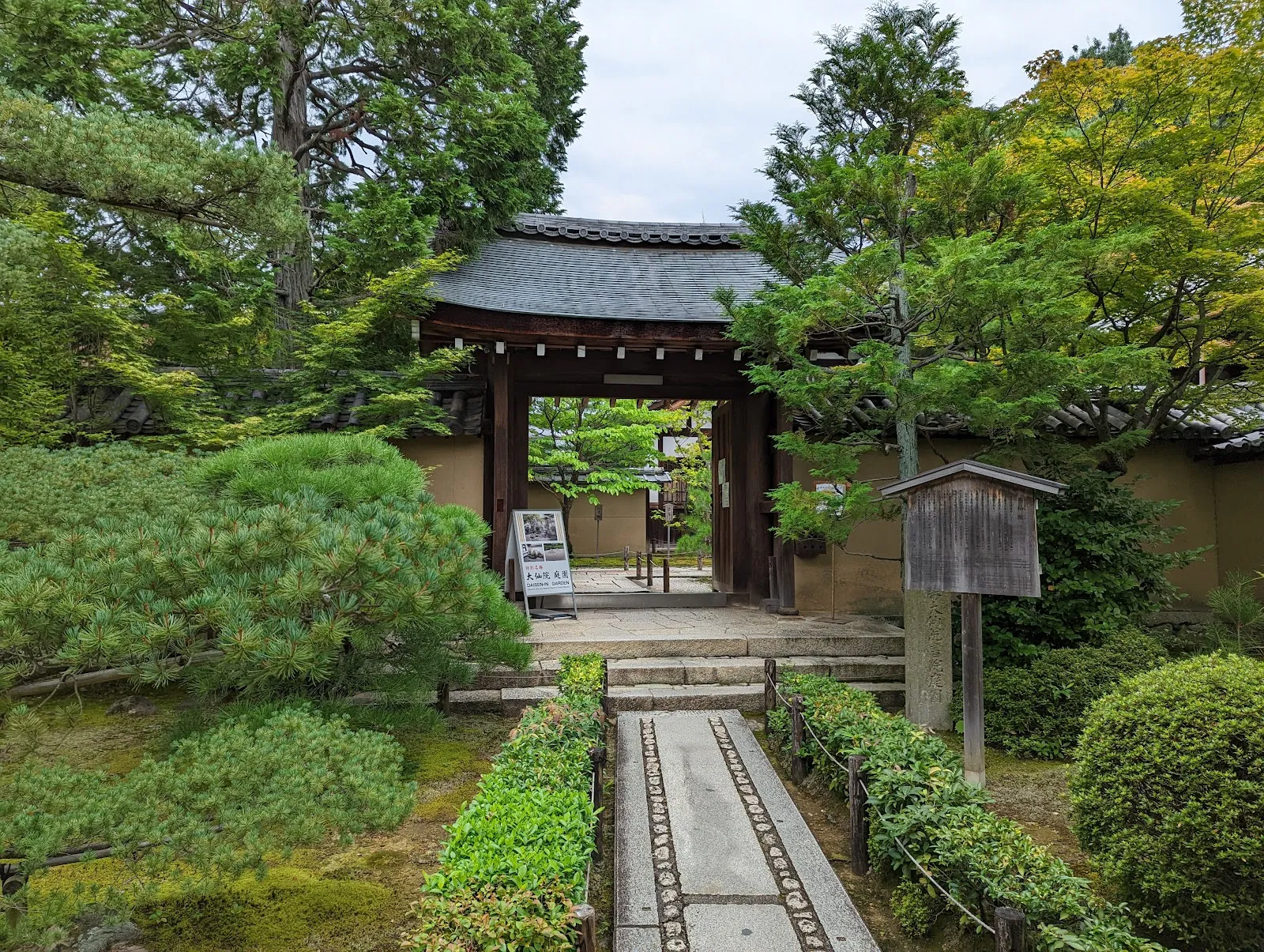
Daitoku-ji is a major center of the Rinzai school of Zen Buddhism. The complex was founded in the early 14th century, with sources placing its establishment in 1315 or 1319. Fires during the Ōnin War damaged the temple in the 15th century; it was rebuilt, and many of the buildings now standing date from the late 16th century, when the warlord Toyotomi Hideyoshi supported its reconstruction.
The grounds form a network of temples rather than one building to visit. More than 20 subtemples sit within the walled compound, connected by paved paths and rows of trees. The main temple is not usually open to the public, so a visit often centers on the subtemples and their gardens. Some halls within the complex can be seen from outside but are not open for entry.
Different gardens in the subtemples
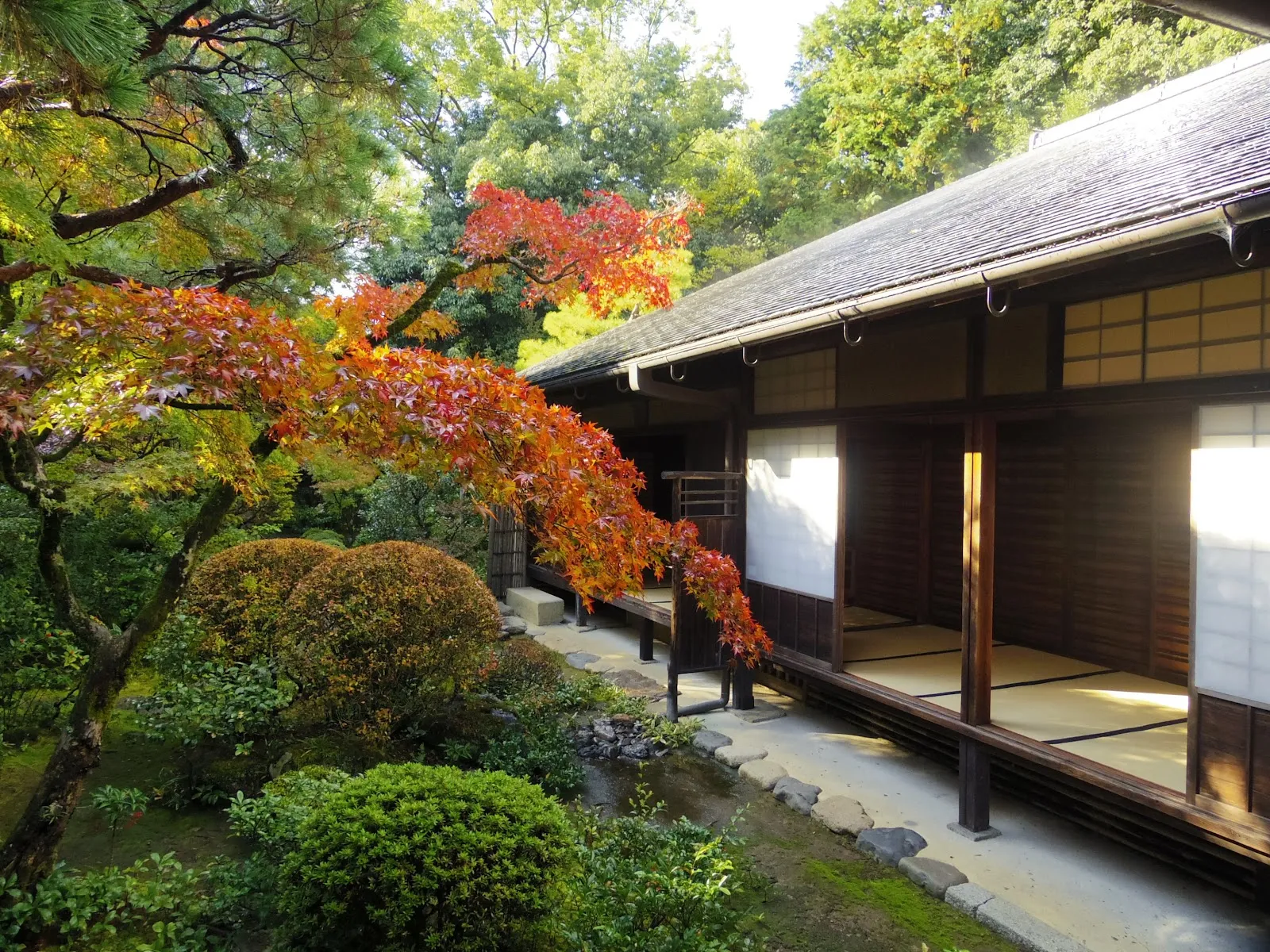
Each subtemple has its own setting and garden. Daisen-in is known for its rock garden, while Ryōgen-in has five dry landscape gardens. Kōtō-in is associated with maple trees, which bring strong autumn color to its entrance. Zuihō-in is another subtemple to look for when open. These gardens reward a slower visit: observe their arrangement of stones, raked lines and planted areas rather than moving quickly from one building to the next.
The complex also has areas with bamboo and a bonsai garden with trees reported to be as old as 800 years. Access to individual gardens is not constant; several subtemples welcome visitors during much of the year, while others open seasonally. Check current access before setting out, especially if a particular garden is central to your plans.
Tea culture and a quieter walk in Kyoto
Daitoku-ji has a long association with Japanese tea culture. The tea master Sen no Rikyū is linked to the temple, and several notable tea masters studied there. That connection gives the complex another layer of interest beyond its gardens and buildings.
A walk here takes place along paved lanes between temple walls, garden entrances and tree canopies. The grounds are free to walk through, but the visitor-accessible interiors and subtemples are separate from the open paths. With only some subtemples open at a time, the experience depends on what is accessible during your visit. Taking time to pause in each garden gives you a better sense of how differently the spaces are arranged.
Häufige Fragen
How long should I spend at Daitoku-ji?
Plan for at least four hours if you want to explore several temples and gardens at an unhurried pace.
Which subtemples can visitors see?
Daisen-in, Kōtō-in, Ryōgen-in and Zuihō-in are among the subtemples open to visitors. Access varies, so check which ones are open before you go.
Is the main temple open to visitors?
The main temple is not usually open to the public. Visitors generally explore the subtemples and their gardens.
What should I wear to Daitoku-ji?
Wear shoes that are easy to remove, as you may need to take them off when entering some areas.


