In Venice’s Castello district, San Francesco della Vigna is a Franciscan church known for its Renaissance architecture, artworks and quiet setting away from the busiest routes. Jacopo Sansovino began rebuilding it in 1534, and Andrea Palladio designed its facade. Inside, look for paintings including a work by Giovanni Bellini and explore the smaller chapels. The nearby convent garden, with cypress trees and a vineyard maintained by the Franciscan order, adds another peaceful stop to the visit.
A Franciscan church in Castello
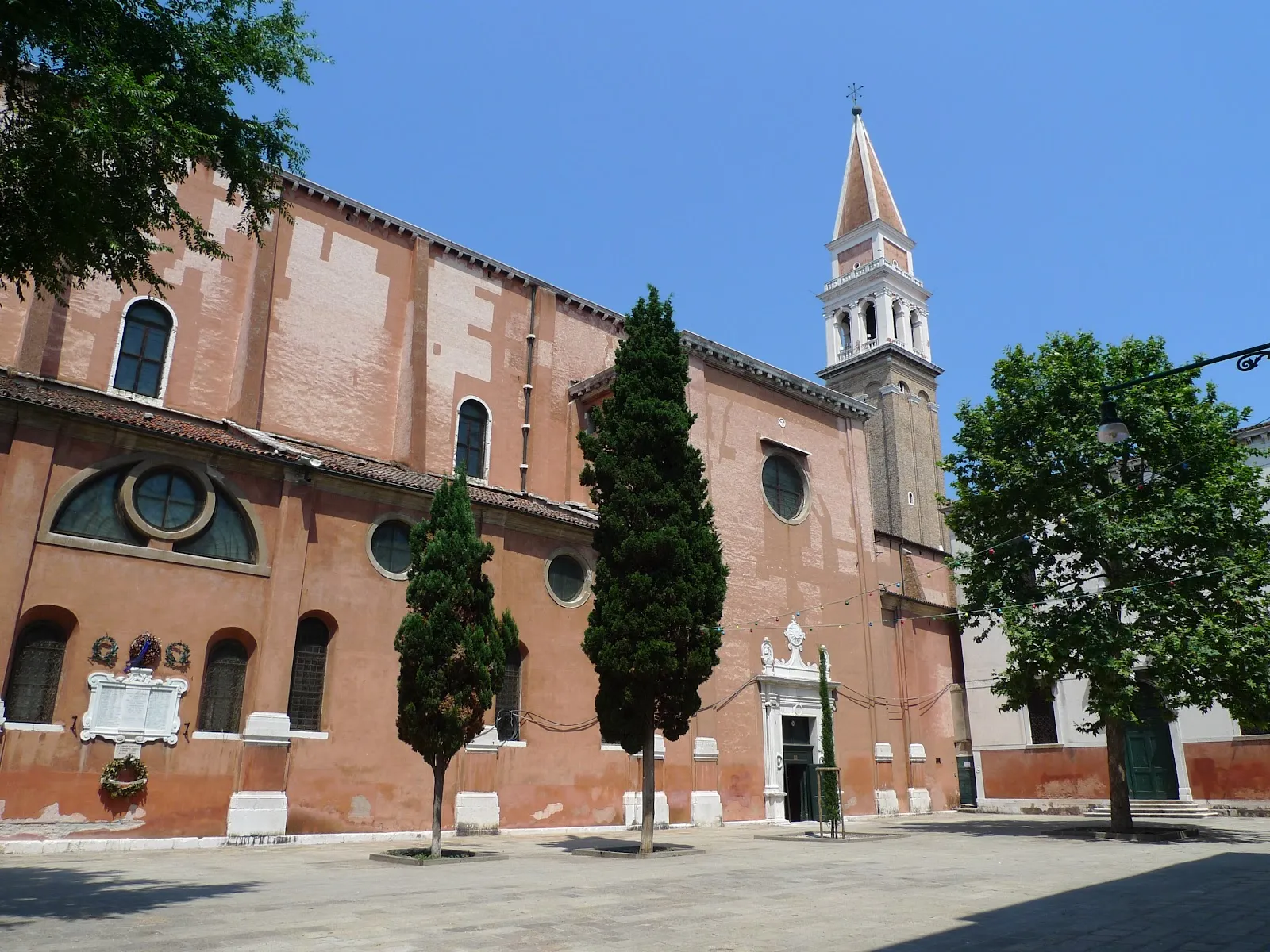
San Francesco della Vigna stands in the Castello district, on the site of a former vineyard. The name preserves that connection: vigna means vineyard in Italian. A chapel occupied the site before the Franciscans replaced it with a church in 1253.
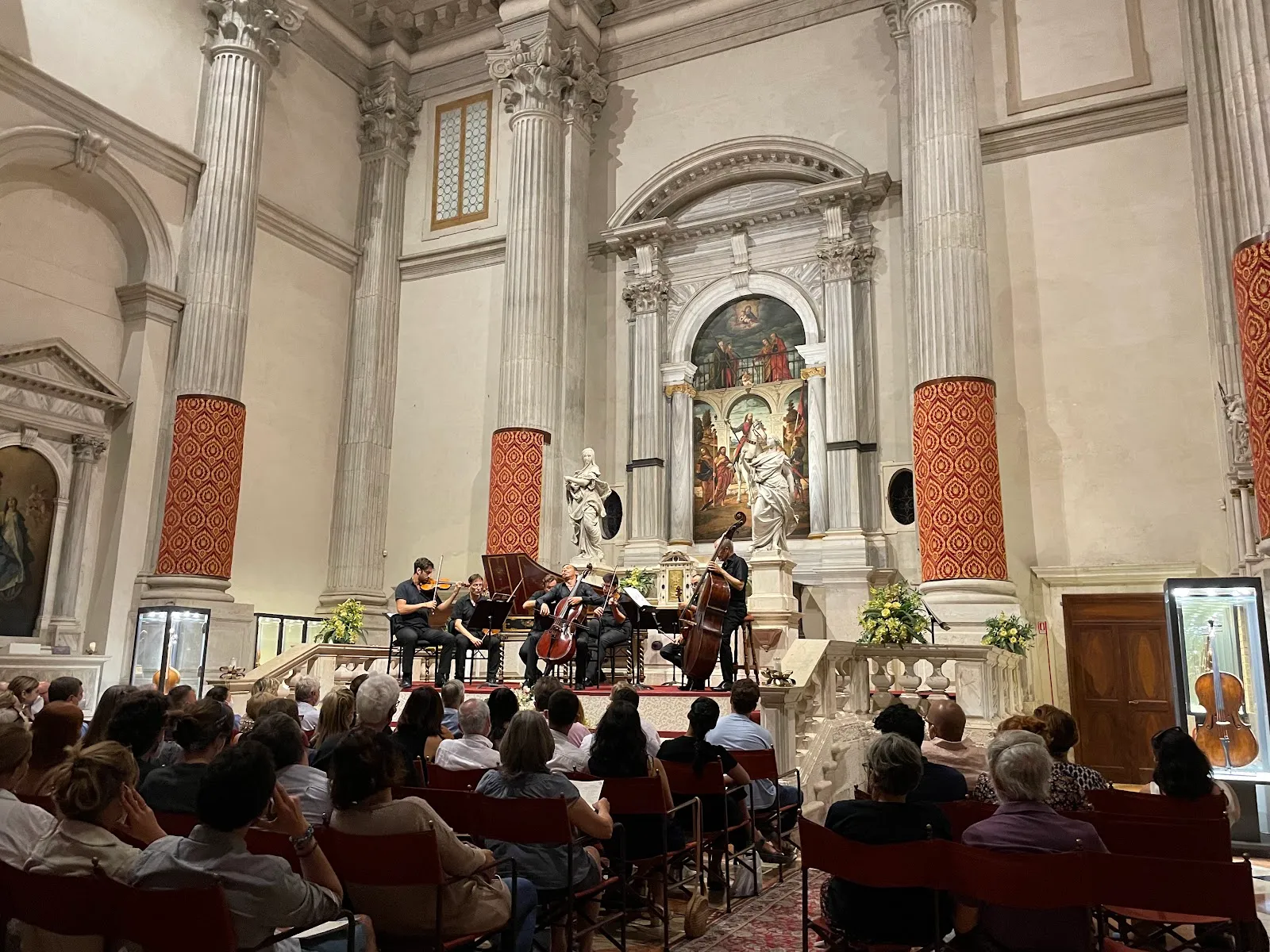
The present church took shape later. Jacopo Sansovino began its reconstruction in 1534, and the work was completed in 1554. Its interior is considered Venice’s first Renaissance interior. The proportions have also been linked to the Renaissance interest in the symbolic significance of the numbers three and seven.
Sansovino’s interior and Palladio’s facade
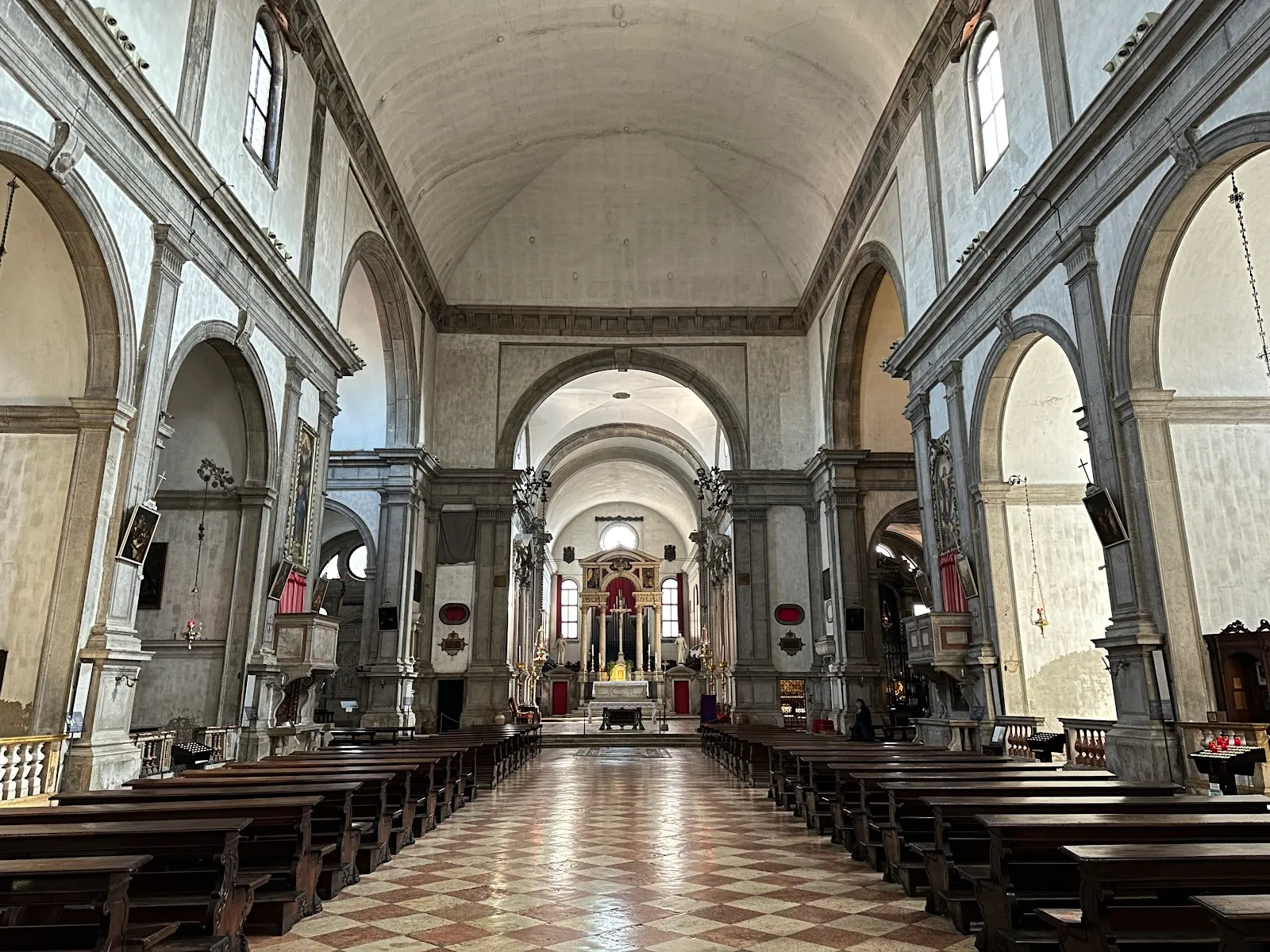
The architecture is the main reason to make the journey to this quieter part of Castello. Inside, look at the Renaissance design and the church’s paintings and sculptures, including a work by Giovanni Bellini. Smaller chapels contain further artistic details.
Andrea Palladio designed the facade, added in 1562. The church’s tall brick bell tower is a prominent feature of this part of Venice’s skyline. Together, the facade, interior and tower give the church a distinctive presence among the surrounding residential streets.
The convent garden and vineyard
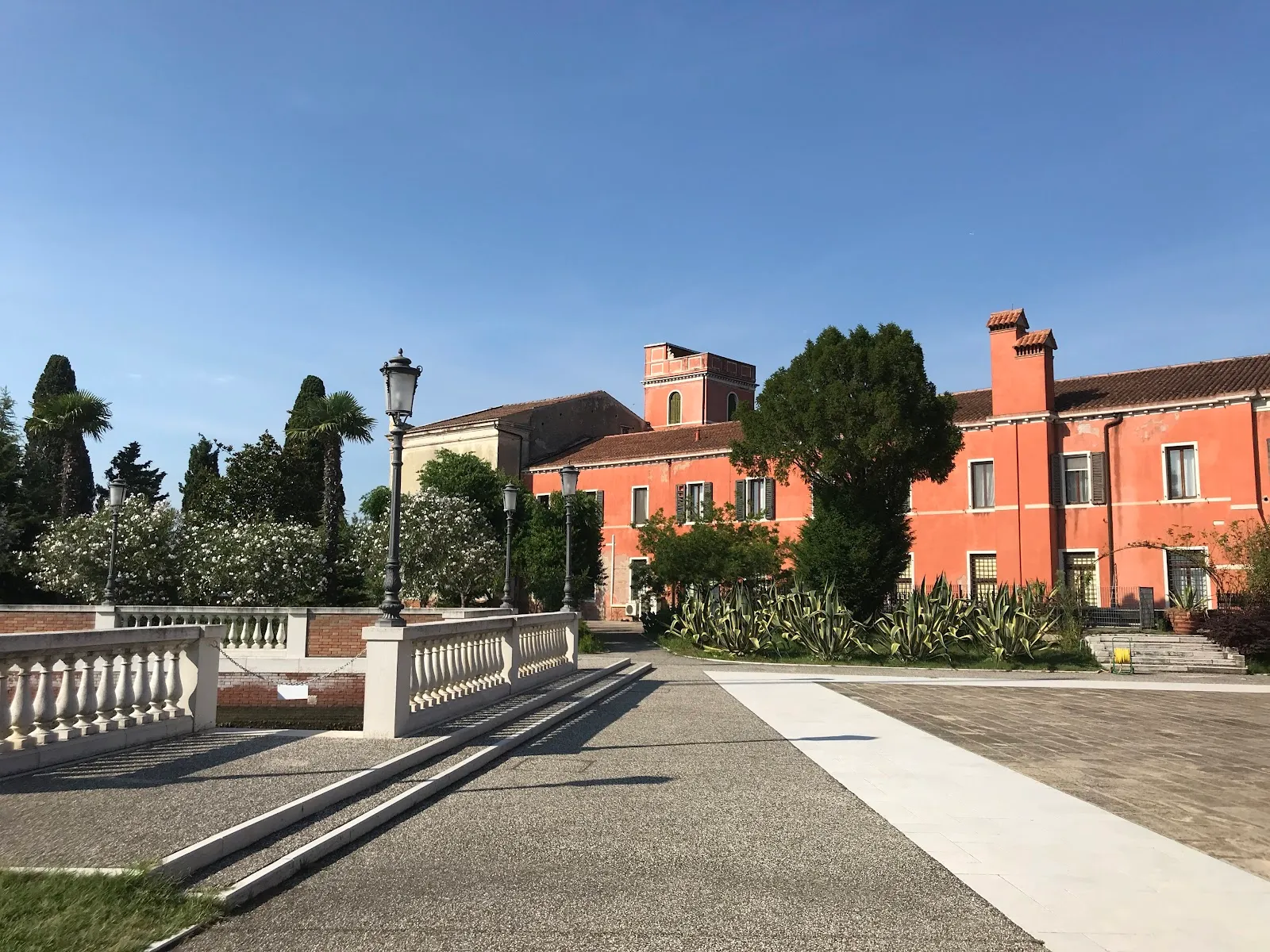
The Franciscan convent garden provides a quieter counterpart to the church. It has tall cypress trees, flowering oleanders, a grassy courtyard and a statue of Saint Francis. Colonnades around the garden provide shade.
The friars still manage nearby green spaces, where vines are the main crop. The gardens connect the church’s name to its earlier vineyard setting and offer another reason to explore this corner of Castello. Keep your visit quiet inside the monastery, and check whether the garden is accessible when you arrive.
Häufige Fragen
Where is San Francesco della Vigna?
The church is in Venice’s Castello district, at Calle S. Francesco, 2786.
What is worth seeing inside the church?
Look for its Renaissance interior, paintings including a work by Giovanni Bellini, and the smaller chapels.
Who designed the church?
Jacopo Sansovino began rebuilding the church in 1534. Andrea Palladio designed its facade, which was added in 1562.
Can you visit the convent garden?
A garden and vineyard are associated with the Franciscan convent. Check access when you arrive.