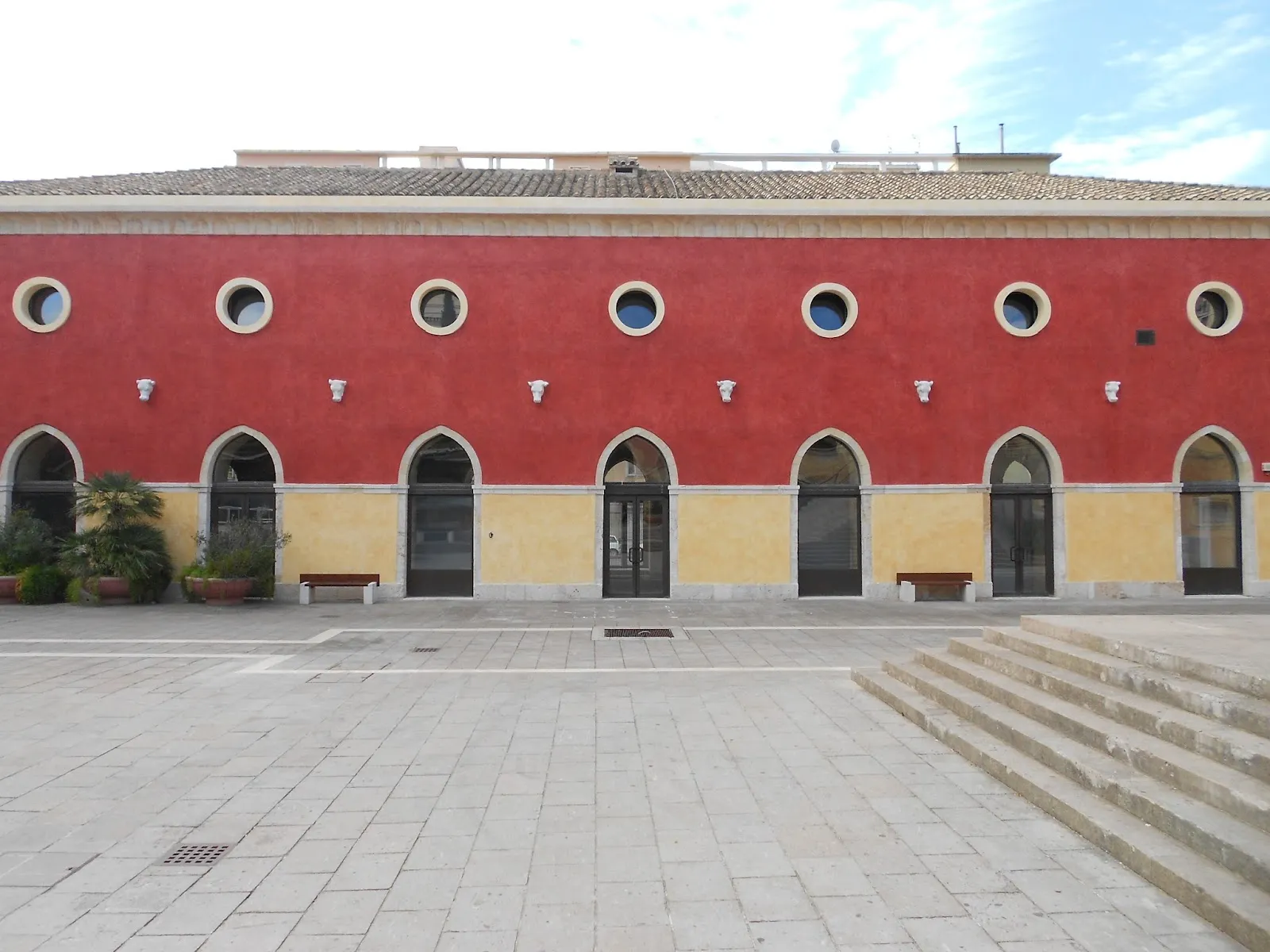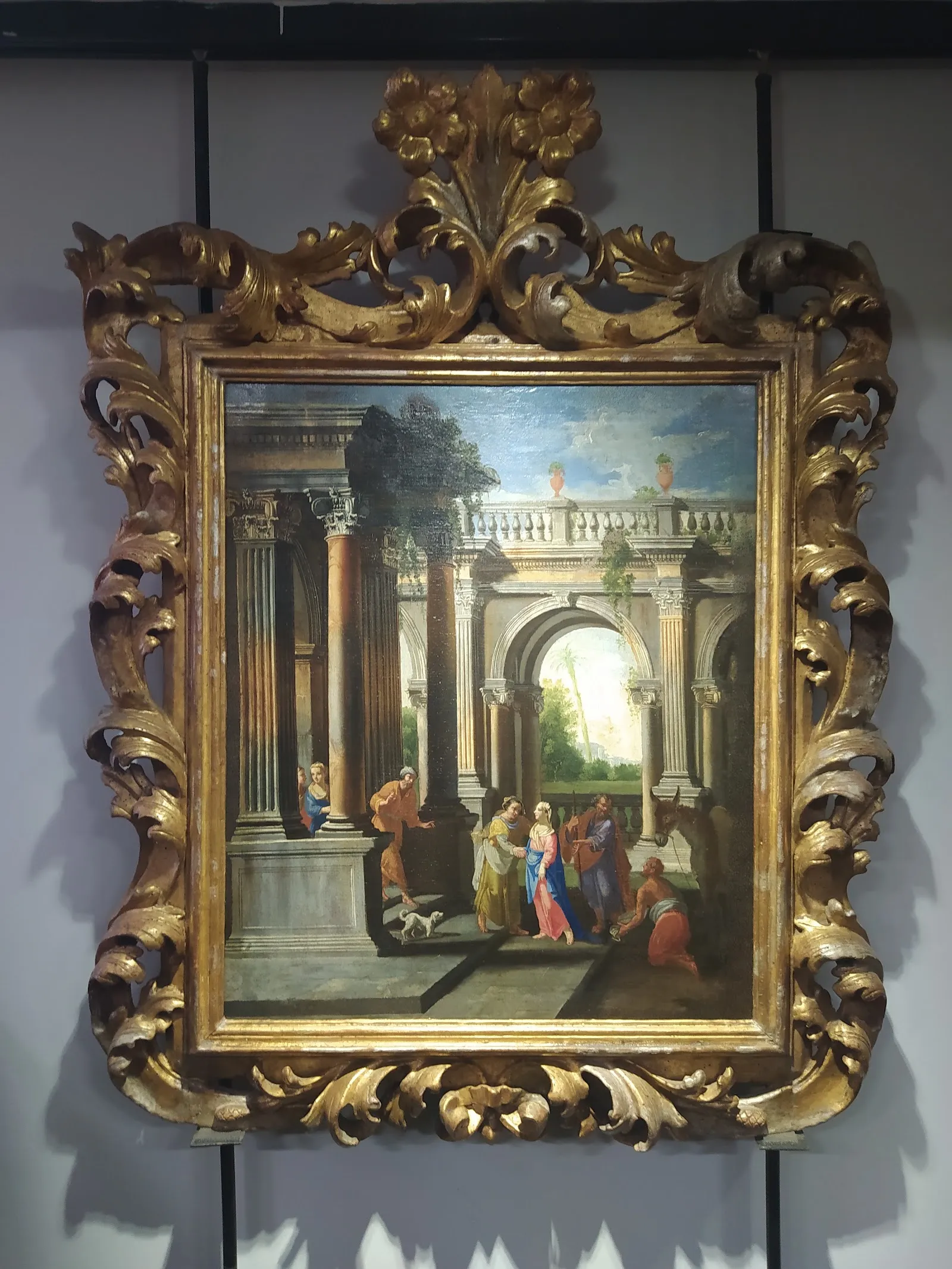
Inside Cagliari’s Citadel of Museums at Piazza Arsenale 1, the National Pinacotheca displays religious art from the city and beyond, including well-preserved paintings and triptychs once made for church interiors. Other floors hold more modern collections, with English commentary available for some works. The adjoining archaeology museum is included in the same ticket, so you can pair the galleries with a second museum visit. Check the official website for temporary closures before making the climb to the complex.
Religious art and modern collections
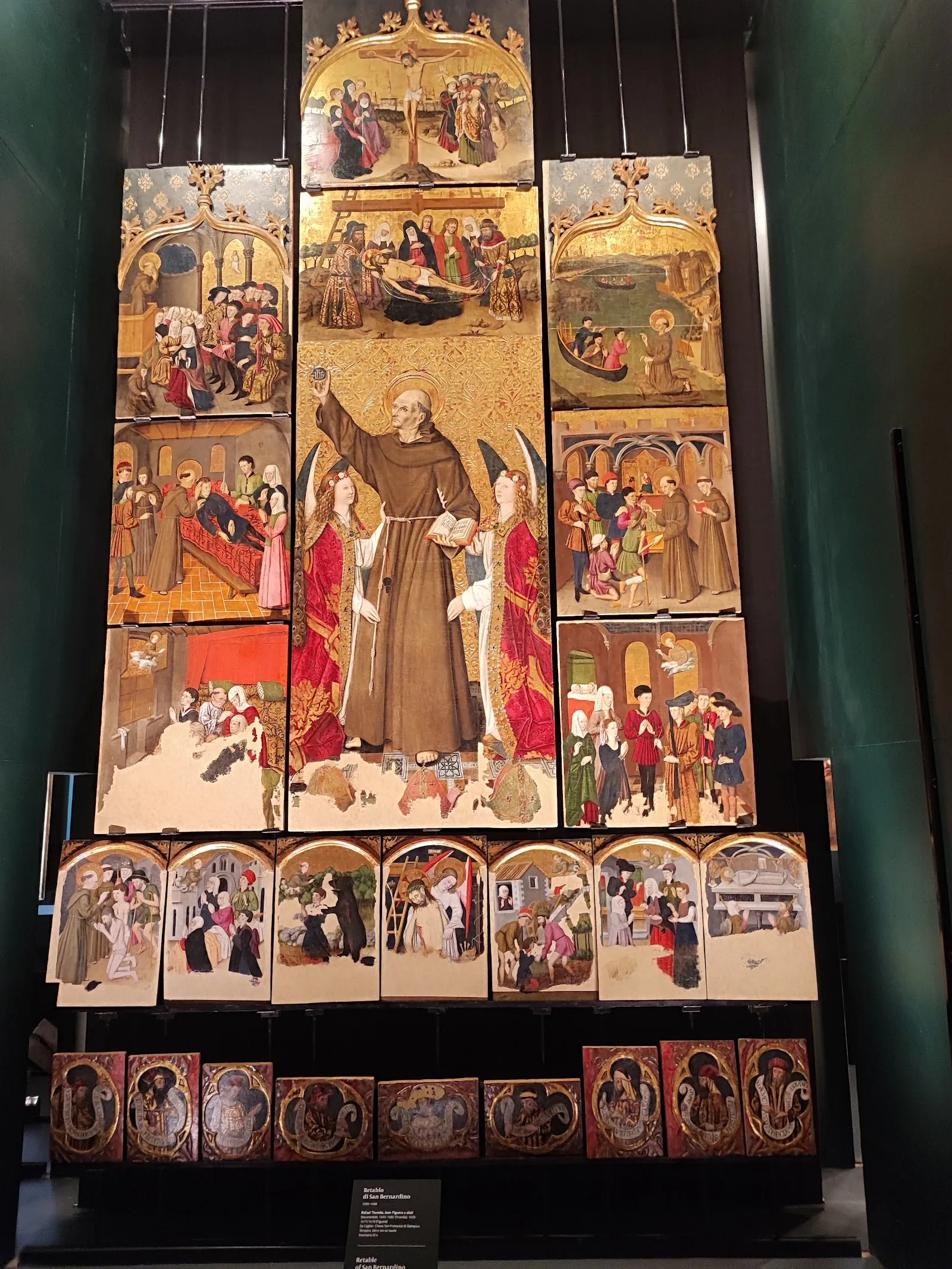
The Pinacotheca brings together religious artworks from Cagliari and beyond. Many of the older pieces are in notably good condition. Triptychs and paintings once associated with churches make up much of the collection.
Modern works appear on other floors. English commentary is available for some displays, though labels are mostly in Italian. The works span different periods, from medieval pieces to art from the 1920s, without a consistently clear link between them. If you want a guided sense of the changes in style and context, ask museum staff about the exhibits.
Part of the Citadel of Museums
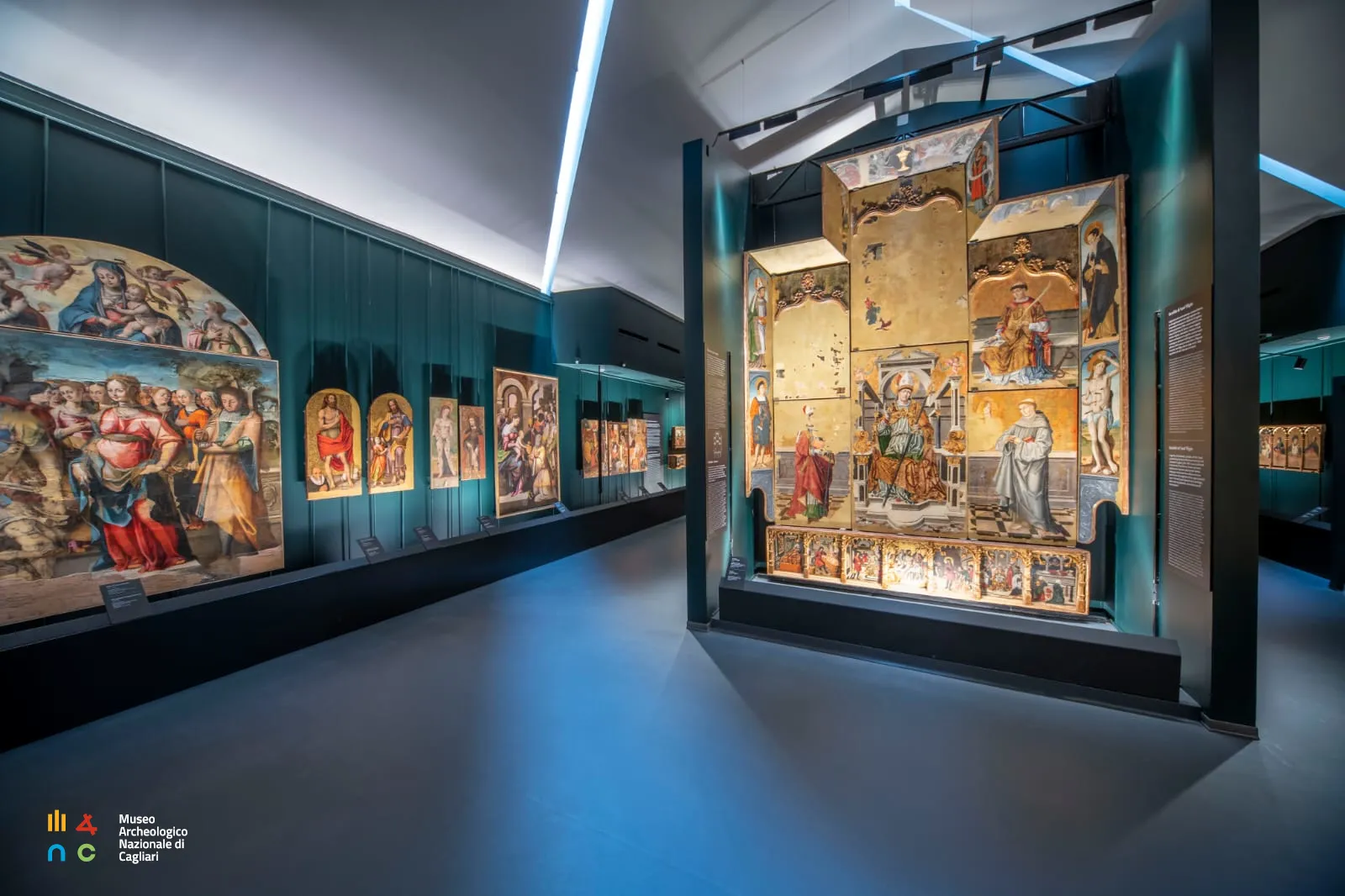
The museum is at Piazza Arsenale 1, within Cagliari’s Citadel of Museums. The archaeology museum is next door and is included in the same ticket, making it a practical companion for a visit focused on the city’s museums.
Temporary closures have caused confusion for people arriving at the complex. Check the museum’s official website before you go, especially if your visit depends on seeing the Pinacotheca.
Häufige Fragen
Where is the National Pinacotheca of Cagliari?
It is at Piazza Arsenale 1, inside Cagliari’s Citadel of Museums.
What can you see at the Pinacotheca?
The collection includes religious paintings and triptychs from Cagliari and beyond, as well as more modern works on other floors.
Is the archaeology museum included in the ticket?
Yes. The adjoining archaeology museum is included in the same ticket.
Is there English information in the galleries?
Some works have English commentary, while labels are mostly in Italian.