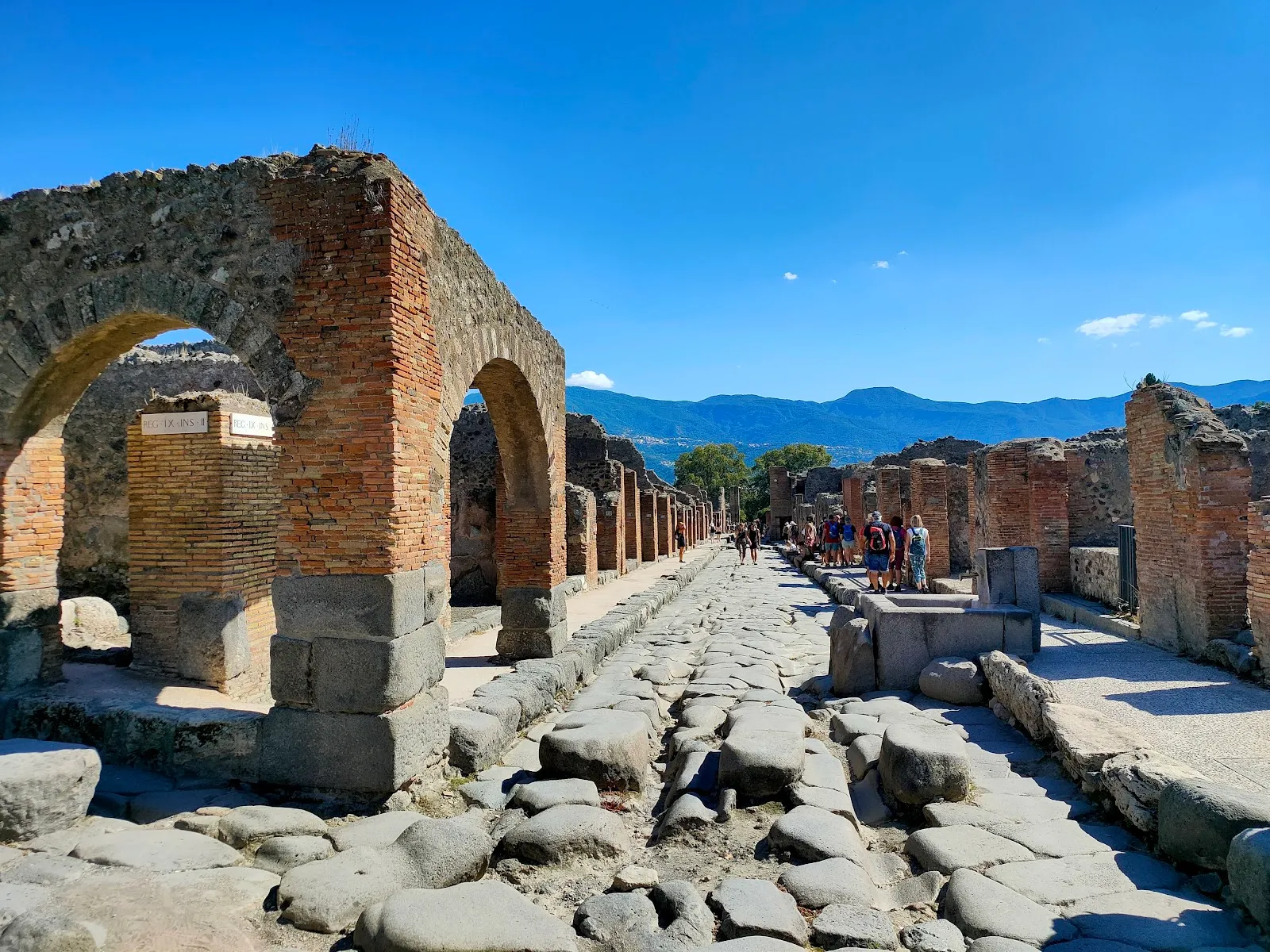
The Lupanar, also called the Lupanare Grande, is a two-storey brothel in the archaeological site of Pompeii, east of the Forum. Its small rooms, built-in stone beds, erotic wall paintings and graffiti offer a direct look at an intimate part of Roman city life. The building is thought to be the only one in Pompeii designed specifically as a large brothel; other identified sites were usually single rooms within shops or inns. A guide or audio tour can help put what you see into historical context.
A purpose-built brothel in Pompeii
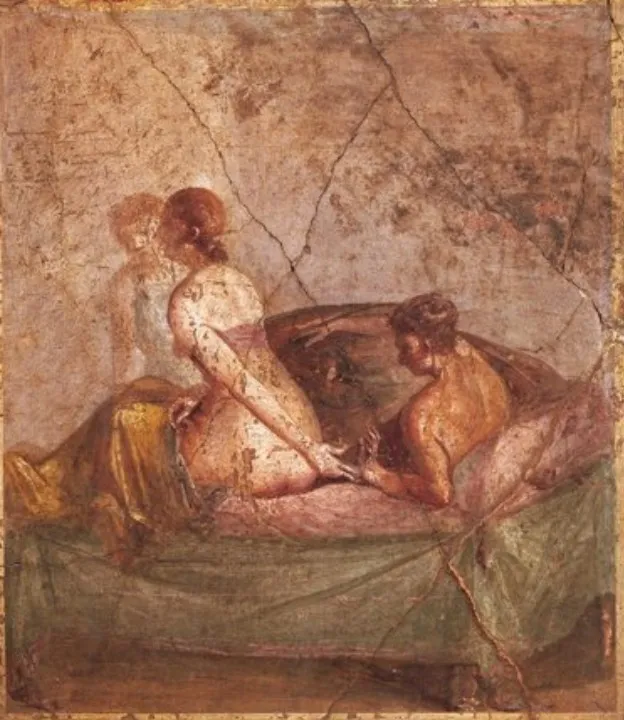
The Lupanar, known as the Lupanare Grande, is the most famous brothel excavated in Pompeii. It stands east of the Forum and is notable for being built specifically for this use. Other sites identified as brothels in the city were generally smaller rooms within taverns, inns or wine shops, rather than buildings planned as brothels from the ground up.
Archaeologists have identified about 25 brothels in Pompeii. The Lupanar’s two floors contain five small rooms each. A separate entrance served the upper floor. The simple arrangement and narrow spaces make the building a very different stop from Pompeii’s larger houses, public baths and temples.
Rooms, beds and wall paintings
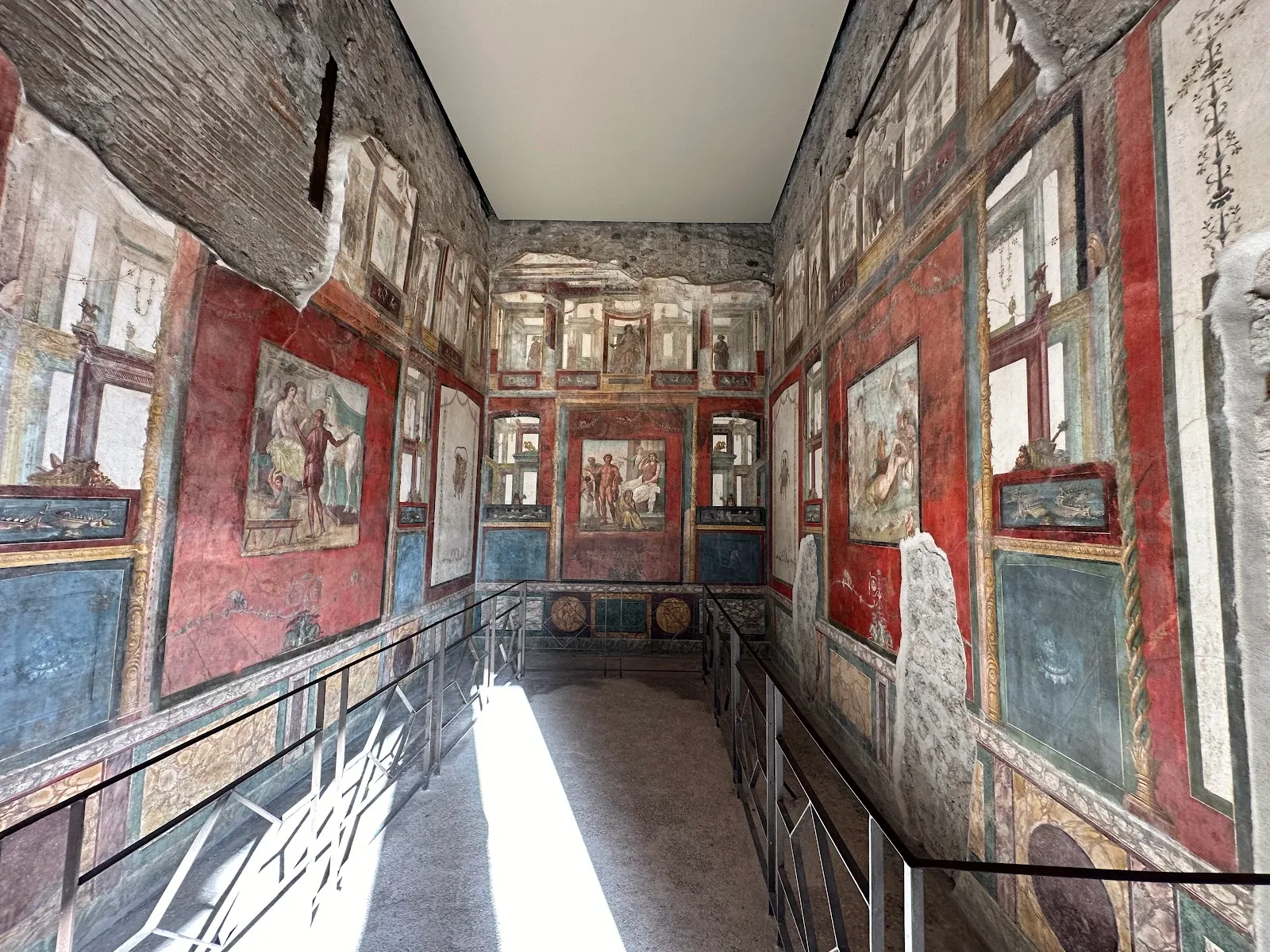
Inside, each small room has a masonry bed. Brick platforms once supported mattresses, and stone beds remain visible in the ruins. The walls preserve erotic paintings as well as graffiti, giving the building much of its distinctive character.
The paintings are often interpreted as a kind of visual menu for customers. Together with the inscriptions, they offer evidence of how the rooms were used and how sexuality was represented in Pompeii. The material is explicit, so this may not be a suitable stop for every visitor or for all children.
Putting the site in context
The Lupanar gives a glimpse of transactional relationships in Pompeian society, but the history also calls for care. Some people working in brothels were enslaved, and the rooms were cramped. The building’s remains cannot tell every individual story, but they sit within a wider archaeological record of prostitution in the city.
The name lupanar is linked to lupa, the Latin word for she-wolf, which was also used as a term for a prostitute. Pompeii was associated with Venus, the Roman goddess of love and fertility. These details offer context for the site, but the rooms, paintings and graffiti remain the clearest things to examine during a visit.
How to explore the Lupanar
The rooms are small, and the building can become a bottleneck when tour groups arrive. If you want time to study the paintings and inscriptions, avoid rushing through with a group moving at a set pace. A guided tour can explain the archaeological and social context; the free app is an option for exploring independently. An audio guide is another possibility, though some devices require headphones with a jack plug.
The Lupanar is one stop within the much larger Pompeii archaeological site. Tickets bought online can help you avoid the queue at the entrance, and entering the wider site from Piazza Anfiteatro is suggested as a way to begin in a less crowded area.
Häufige Fragen
Where is the Lupanar in Pompeii?
It is in the Pompeii archaeological site, east of the Forum.
What can you see inside the Lupanar?
The building has small rooms on two floors, masonry beds, erotic wall paintings and graffiti.
Is a guided tour useful at the Lupanar?
A guide can add historical context and explain what you are seeing. The free app is an option if you prefer to explore on your own.
Can you buy Pompeii tickets online?
Yes. Buying tickets online is suggested to avoid long queues for tickets at the entrance.


