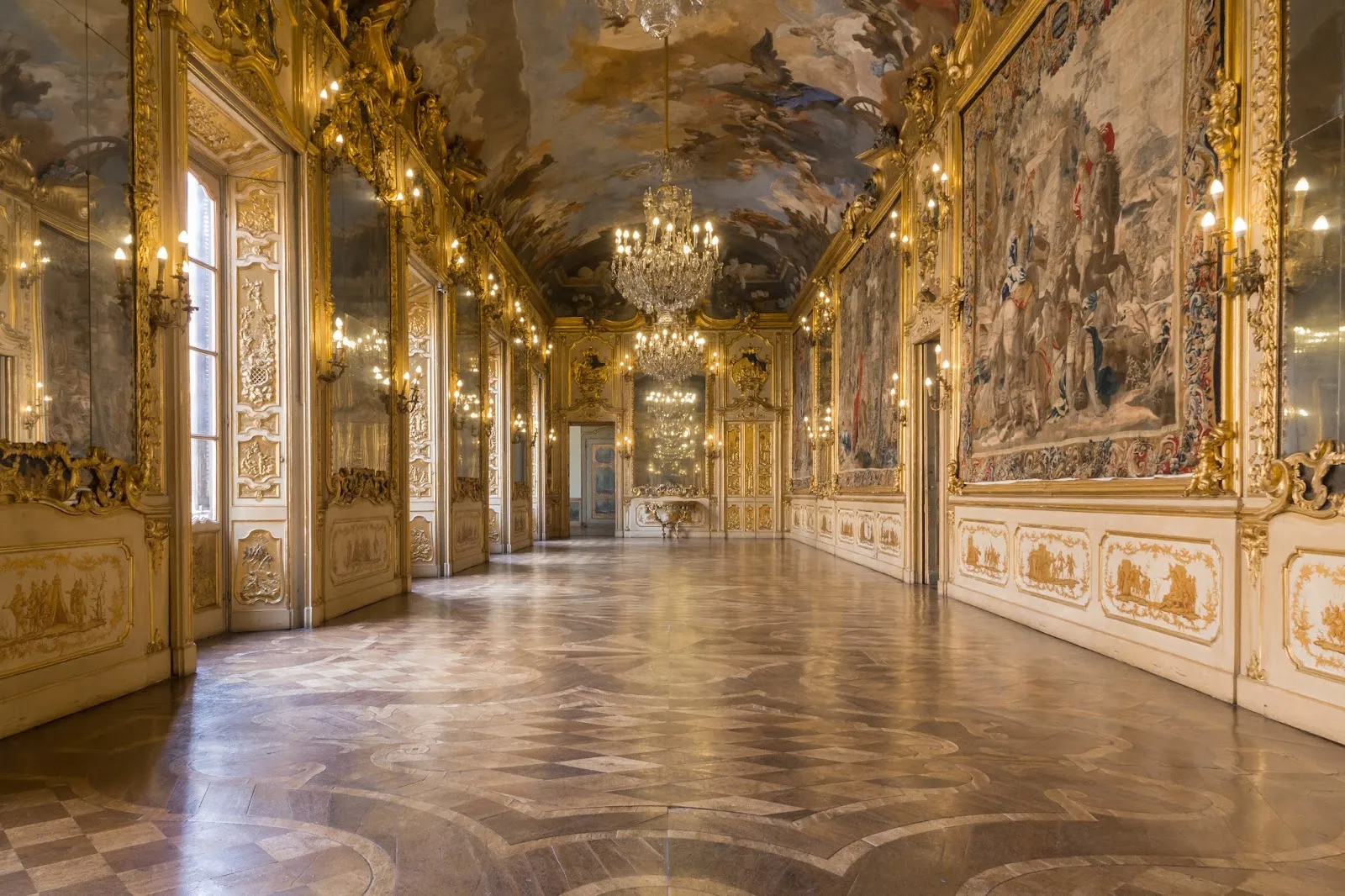
Pinacoteca Ambrosiana is an art museum and historic library in central Milan, at Piazza Pio XI, a short walk from the Duomo. Its collection brings together Italian and Flemish art, sculpture, decorative objects and manuscripts. Look for Caravaggio’s Basket of Fruit, Leonardo da Vinci’s Portrait of a Musician and Raphael’s preparatory drawing for The School of Athens. The adjoining Biblioteca Ambrosiana is known for Leonardo’s Codex Atlanticus, a collection of drawings and notes. Allow time to explore the galleries and library together.
A gallery founded for art education
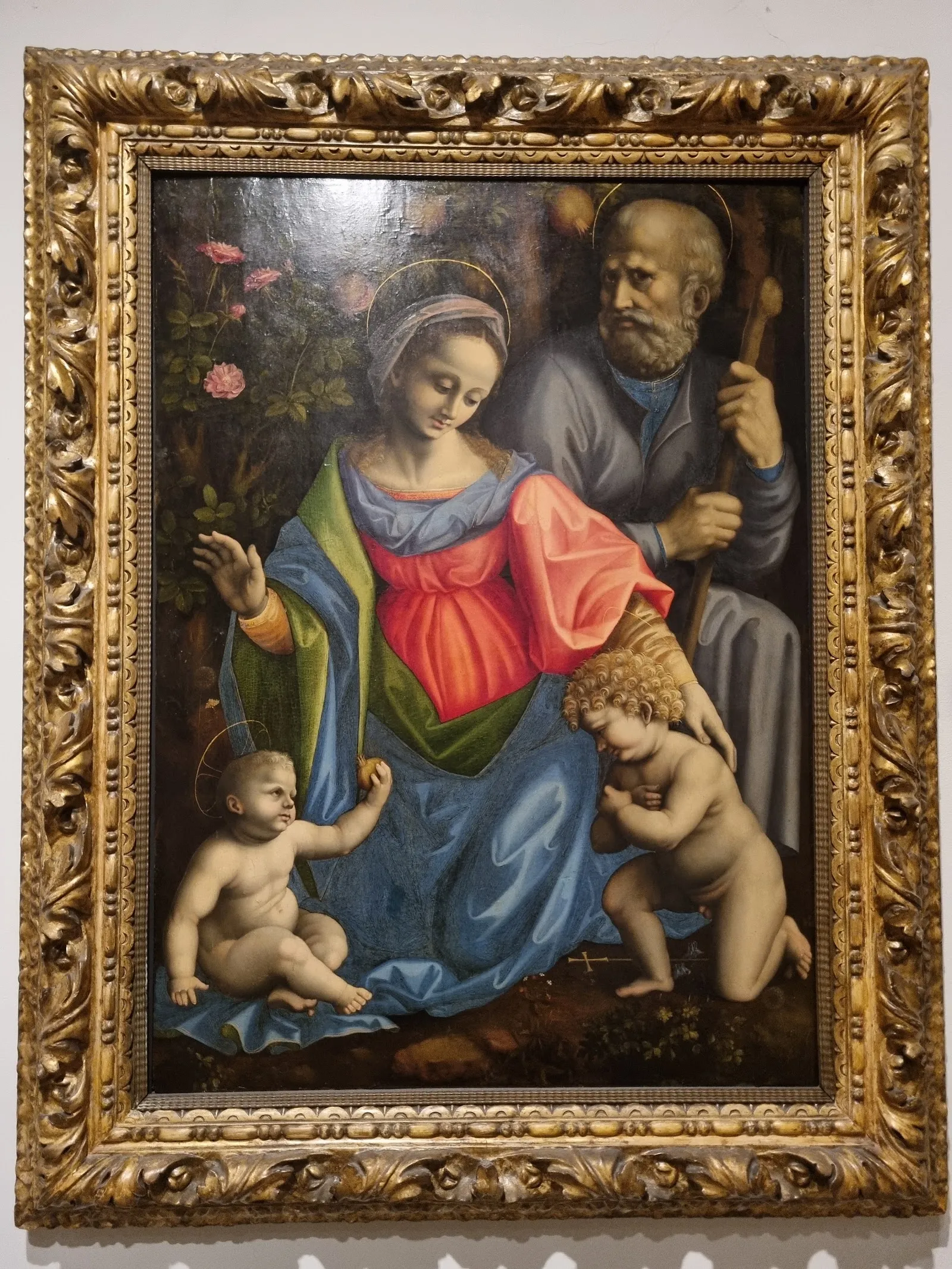
Cardinal Federico Borromeo founded the Pinacoteca Ambrosiana in 1618, adding his art collection to a library established for public learning. The institution was intended to support cultural education and encourage people with artistic ability. Its early role as a place for study remains part of the story behind the collection.
The gallery is housed in the Palazzo dell’Ambrosiana, which also contains the Biblioteca Ambrosiana. The art collection sits within a larger institution devoted to books and learning. Together, the gallery and library give the visit a broader scope than a walk through paintings alone.
Paintings to look for
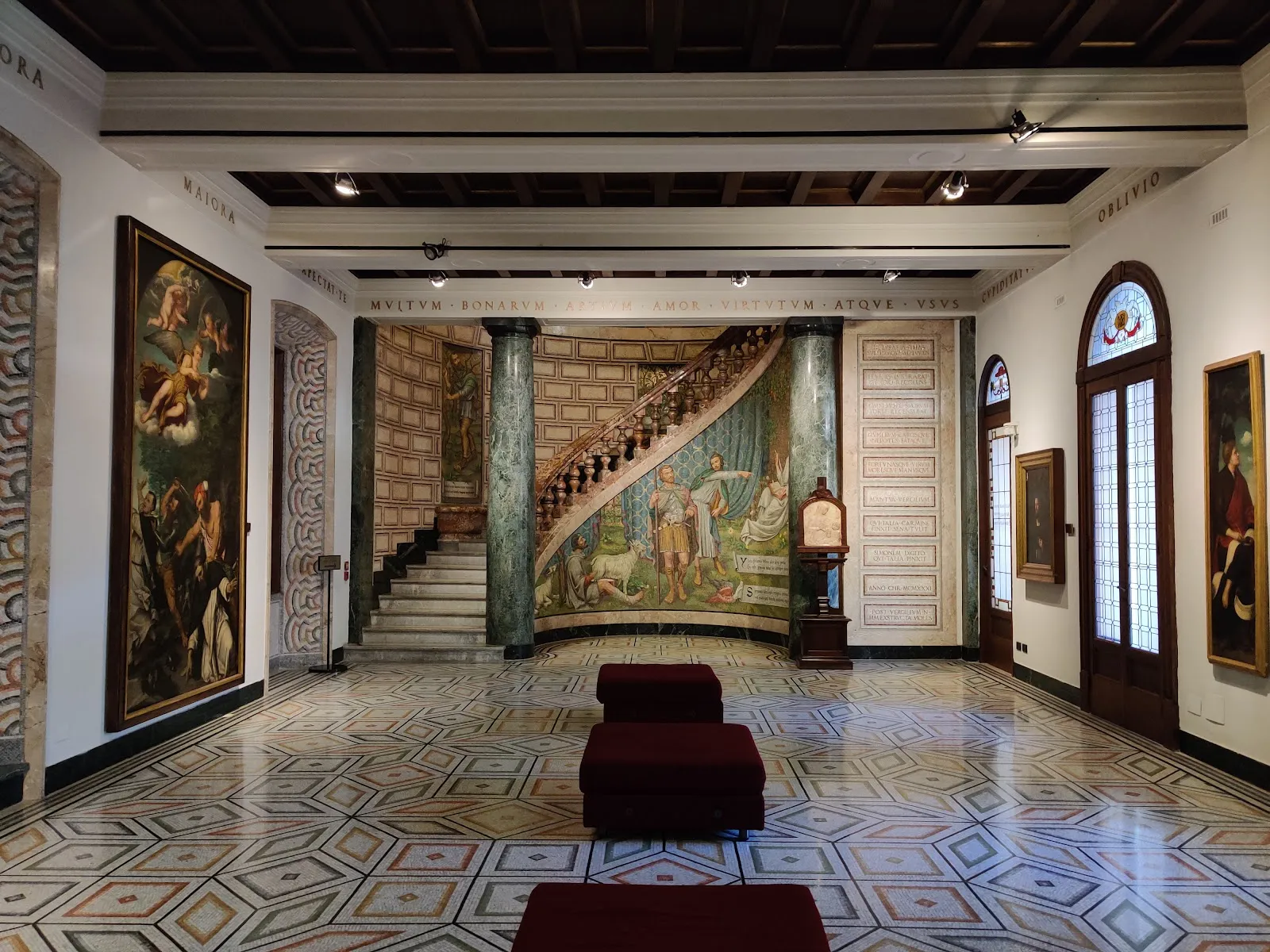
Caravaggio’s Basket of Fruit is one of the gallery’s best-known works. The fruit appears close to the edge of the painted space, giving the arrangement an unusually immediate presence. Raphael’s large preparatory drawing for The School of Athens is another central work. The finished fresco is in the Vatican, while the Ambrosiana preserves this earlier stage of its creation.
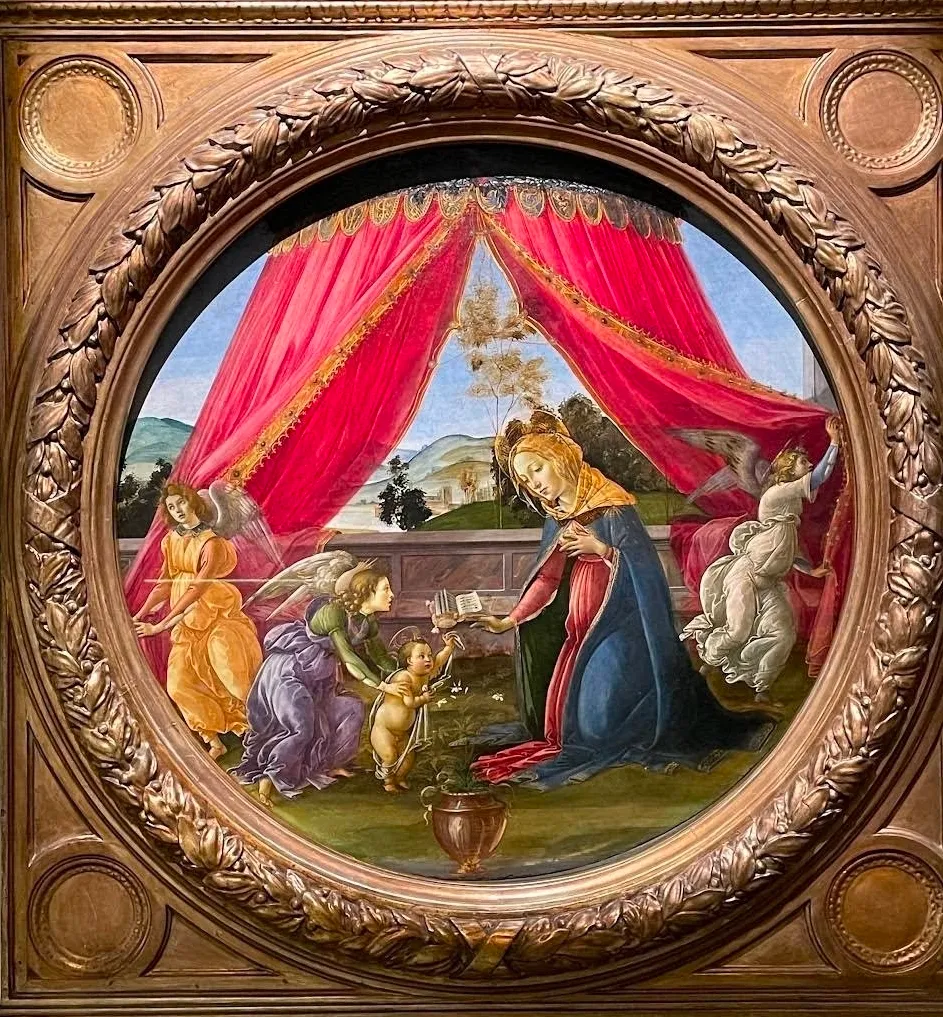
Leonardo da Vinci is represented by both Portrait of a Musician and the Codex Atlanticus. Other works in the collection include Botticelli’s Madonna of the Pavilion, Titian’s paintings and works by Flemish artists such as Jan Brueghel. The gallery also holds sculpture and decorative objects, so the collection extends beyond paintings.
The Codex Atlanticus and the library
The Codex Atlanticus is a major reason to visit for anyone interested in Leonardo’s working ideas. It contains drawings and written notes, including sketches connected with his studies and inventions. The material is preserved in a large collection of bound manuscripts, and the pages on display offer a close look at Leonardo’s drawings and handwriting.
The Biblioteca Ambrosiana is in the same complex as the Pinacoteca. Its historic books and manuscripts give context to the gallery’s artistic holdings, linking works of art with the written record of their time. Plan to include both the library and the galleries in your visit.
Planning your visit
The collection includes paintings, manuscripts, sculpture and objects, so a visit can take more than a quick circuit. Allow two to three hours if you want time for both the gallery and library. The museum has lockers for bags; because visitors leave by a different exit from the one used to enter, you will need to go back outside to retrieve items stored there.
Admission is paid, and booking ahead is recommended. If you choose an audioguide device, bring suitable headphones, since wired headphones may involve an extra fee. The museum has a wheelchair-accessible entrance and restroom.
Häufige Fragen
How long should you spend at Pinacoteca Ambrosiana?
Allow about two to three hours to explore the galleries and library.
What are the highlights of Pinacoteca Ambrosiana?
Look for Caravaggio’s Basket of Fruit, Raphael’s preparatory drawing for The School of Athens, Leonardo’s Portrait of a Musician and the Codex Atlanticus.
Should you book Pinacoteca Ambrosiana tickets in advance?
Advance booking is recommended.
Does Pinacoteca Ambrosiana have lockers?
Yes. Lockers are available for bags. The exit is separate from the entrance, so return outside to collect your belongings.