Milan’s Natural History Museum is at Corso Venezia, 55, inside the Indro Montanelli Public Gardens near Porta Venezia. Its collections span dinosaurs and fossils, minerals, insects, plants, animals and human development. Look for the dinosaur displays, the extensive butterfly collection and detailed dioramas recreating animal habitats. The museum suits adults and children, with exhibits that mix natural science and close-up displays of wildlife. Plan to pair the visit with a walk through the gardens; the museum is also near the GAM and PAC museums.
A museum founded in 1838
The Milan Natural History Museum began in 1838, when naturalist Giuseppe de Cristoforis gave his collections to the city. Giorgio Jan became its first director. The museum opened to the public in 1844, on the site of a former convent, before moving to its present location in the Porta Venezia gardens.
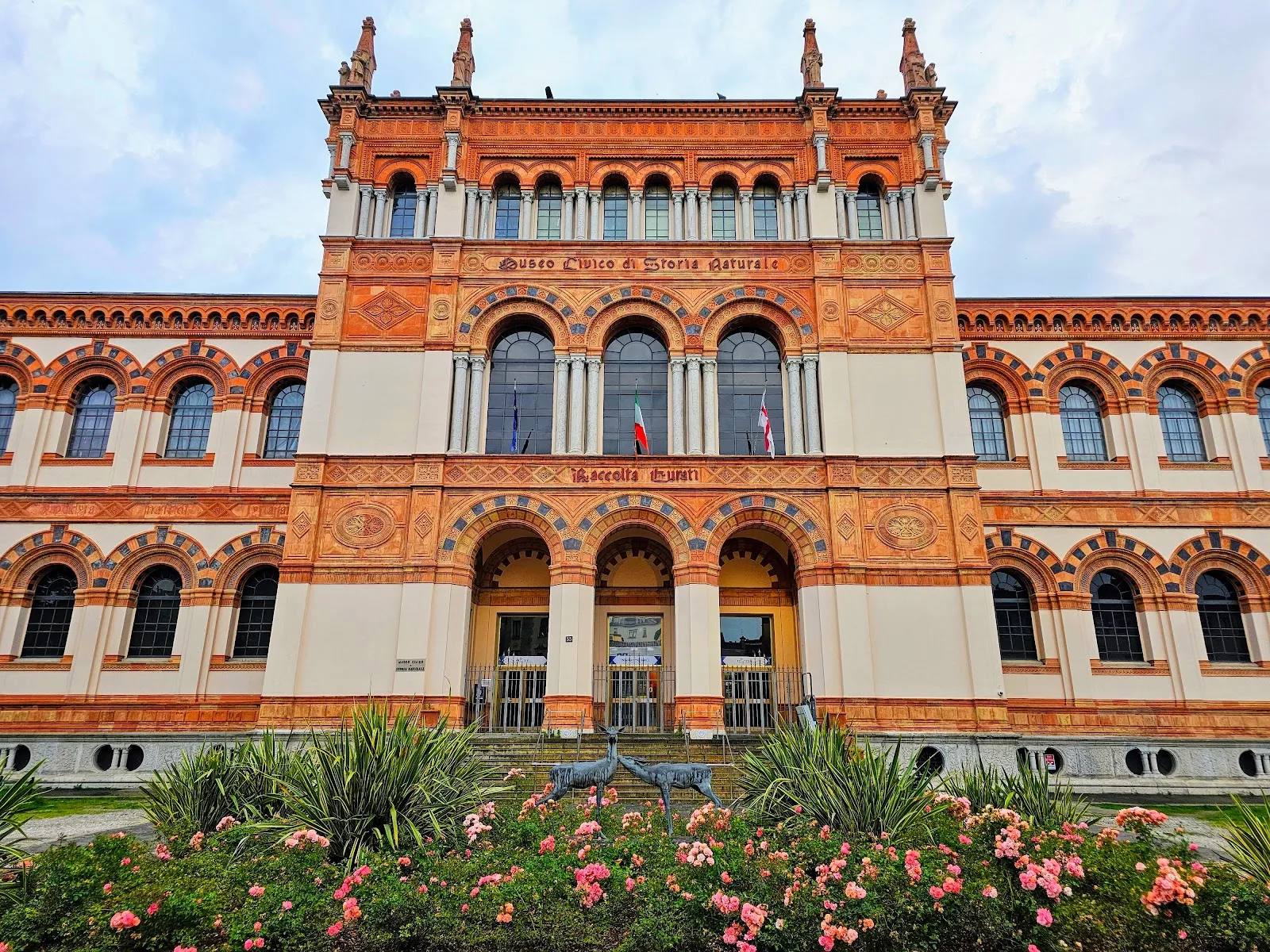
The current building is a 19th-century structure with neo-Gothic and Gothic elements. It was built between 1888 and 1893. Bombing in 1943 damaged the building, which was later restored. The museum’s long history is reflected in its broad collections, covering the natural world from minerals and fossils to plants, insects and animals.
Five areas of natural history
The permanent displays are organised into five main areas: mineralogy and geology, palaeontology, the natural history of humans, and zoology covering vertebrates and invertebrates. The museum’s rooms also include material on botany. Together, they trace changes in the Earth and the development of life, with fossils and dinosaur skeletons among the central draws.
The mineral and geology displays include rocks and minerals arranged chronologically. In the zoology sections, collections of insects sit alongside examples of vertebrate and invertebrate life. The butterfly displays are extensive, while a collection of mummified animals brings another perspective to the museum’s study of wildlife. Displays of fossils range from ancient organisms to dinosaurs.
Dioramas and displays for families
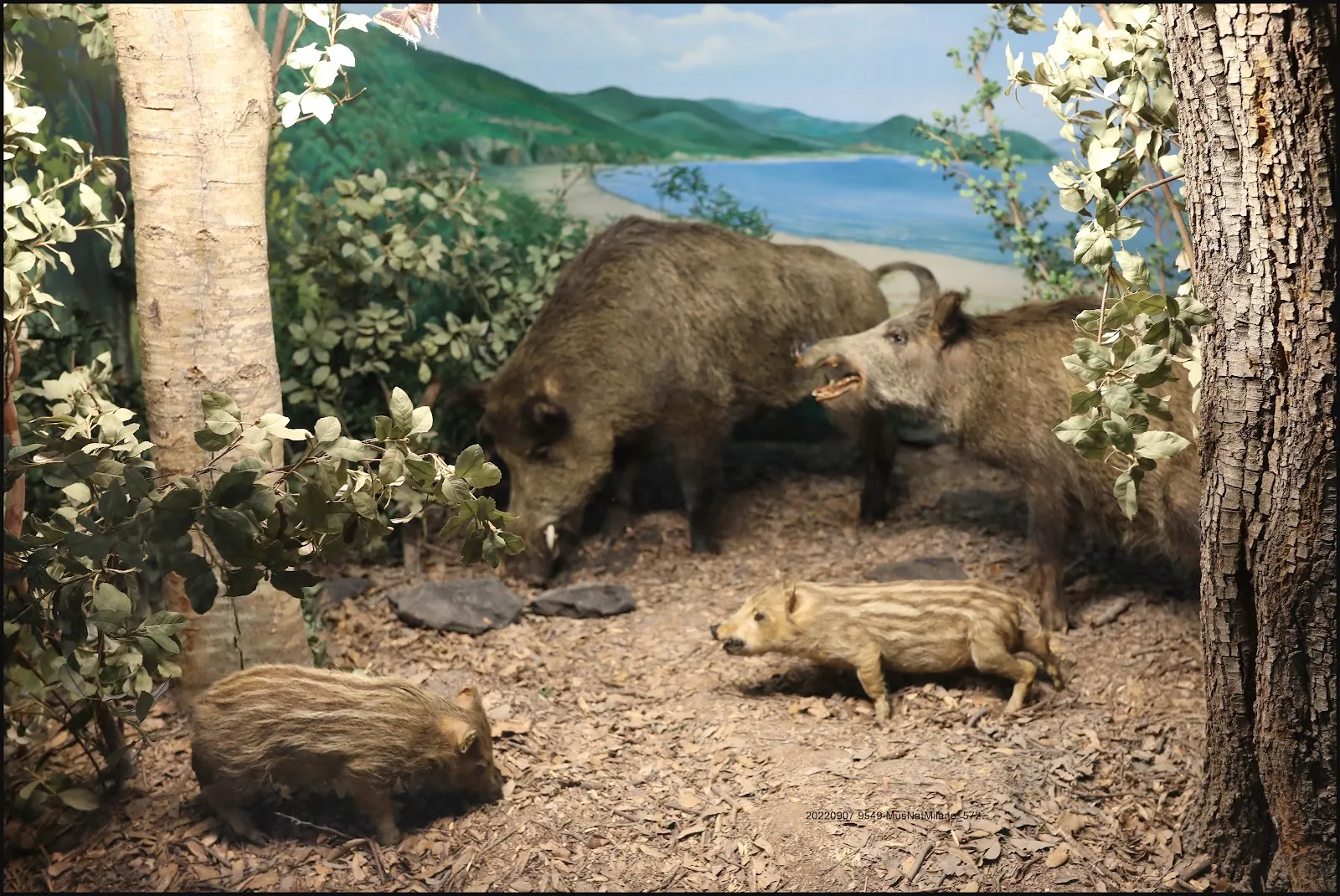
Detailed dioramas recreate natural environments and show animals within their habitats. They give the zoology collections a sense of place, complementing the specimens and fossils in the galleries. Other displays cover human development and the relationship between animals and their environments.
Children can explore the dinosaur skeletons, fossils, minerals and animal displays, and some exhibits include interactive elements. The range of subjects makes it possible to focus on one area or move between geology, palaeontology and zoology. Descriptions are in Italian, so a translation app can help if you need to read the labels.
Häufige Fragen
Where is Milan’s Natural History Museum?
It is at Corso Venezia, 55, inside the Indro Montanelli Public Gardens near Porta Venezia.
Is Milan’s Natural History Museum suitable for children?
Yes. The dinosaur skeletons, fossils, minerals and animal displays make it a suitable visit for families, and some exhibits are interactive.
When is the museum closed?
It is closed on Mondays. It is open Tuesday to Sunday, 10 am to 5:30 pm.