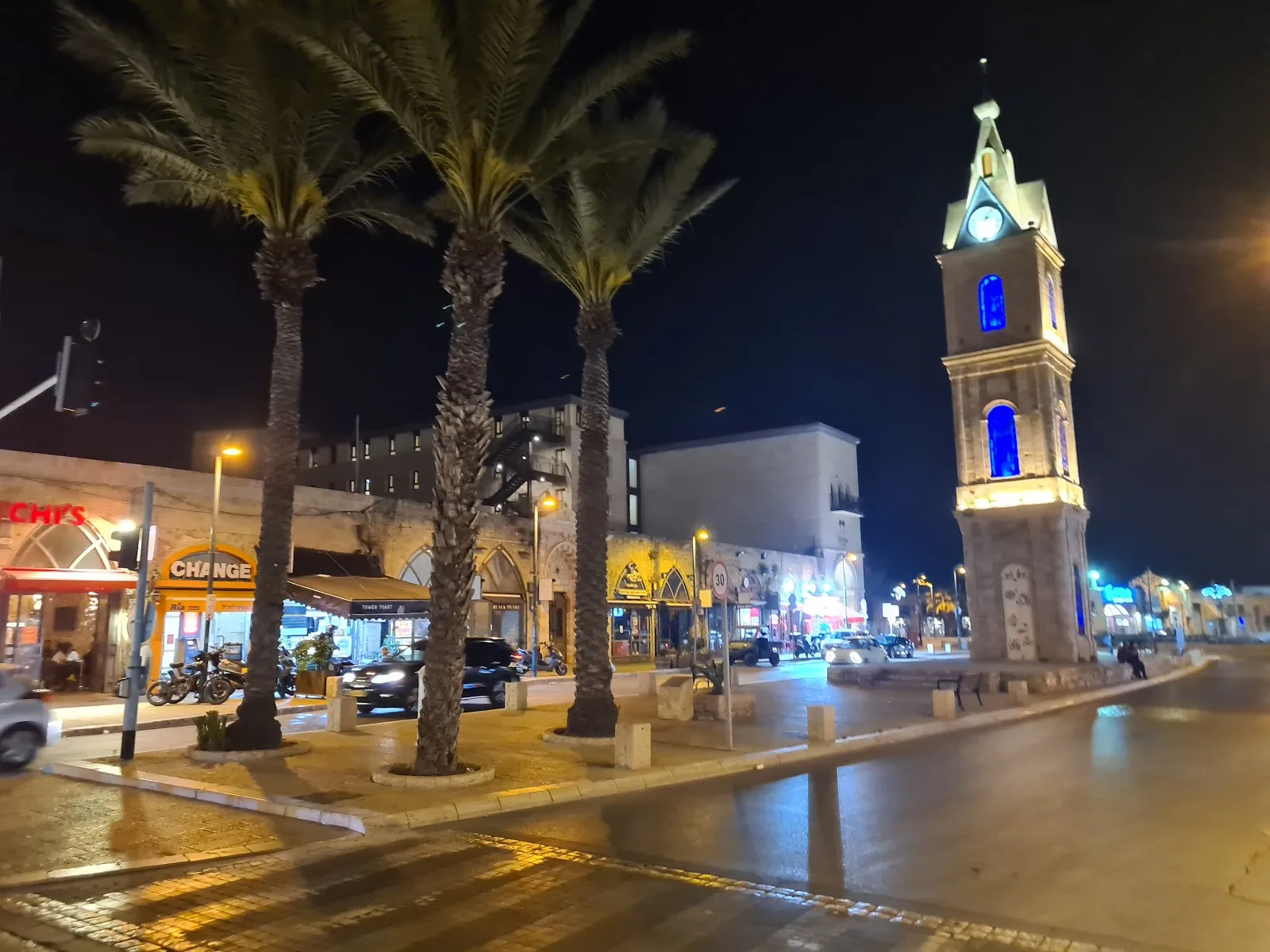
The Clock Tower stands in the central square of Jaffa's old town, at the entrance to the historic quarter. Completed in 1903, the limestone tower was built to mark the 25th anniversary of Sultan Abdul Hamid II's reign, and it is one of seven clock towers in what is now Israel. The square is small and busy, lined with bakeries, cafés and shops, and the Jaffa flea market is a short walk away. Come for the architecture, the square's atmosphere and an evening stroll toward the port.
Why the tower was built
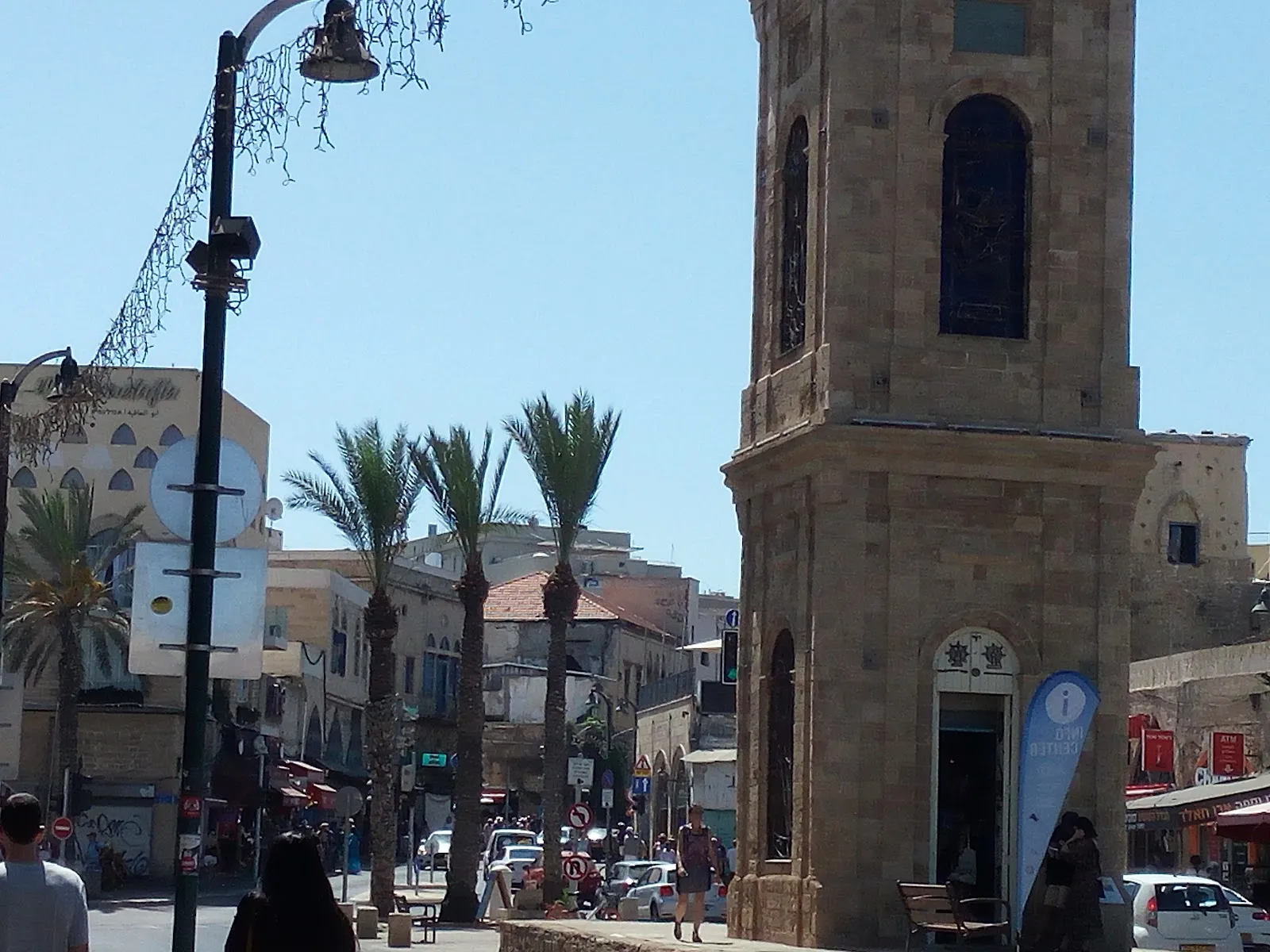
The tower was built during the reign of Sultan Abdul Hamid II to mark 25 years on the throne. It was part of a set of modern reforms he guided, which aimed to run the empire's cities by accurate, Western timetables. More than a hundred clock towers were built across the Ottoman Empire for this purpose, and seven of them are in what is now Israel.
Jaffa's residents helped pay for it. Jewish and Arab residents made donations, and the city's Maronite and Armenian communities also took part. The tower is built of limestone, and one account says the stone came from a quarry in nearby Zakaria's Cave.
Locals tell a story about a Jaffa watch seller who was tired of being asked the time every day, and who asked for a tower so that everyone could check it.
Around the tower
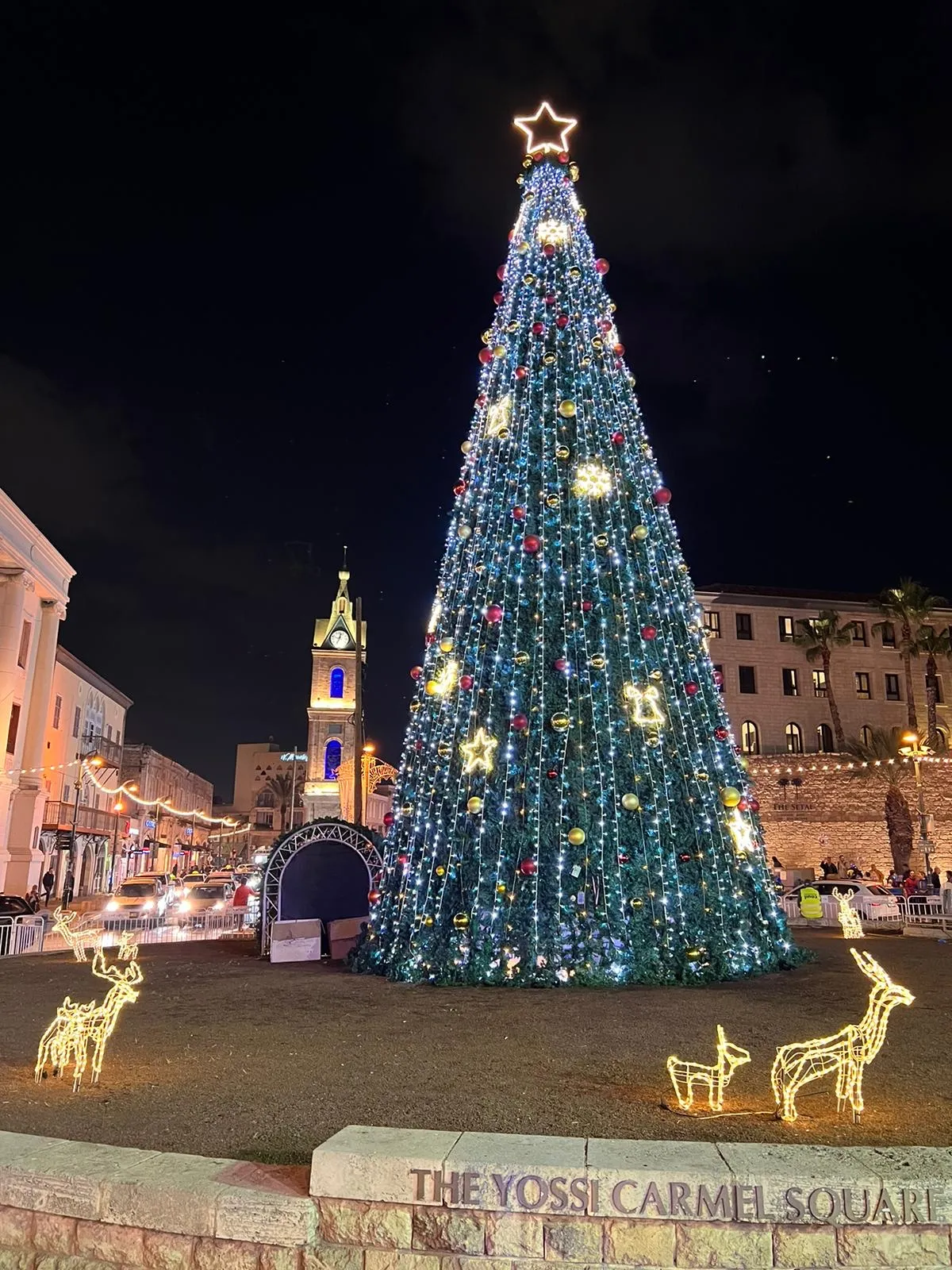
The square is small and surrounded by old buildings, restaurants and little shops. Across from the tower is the Abulafia bakery. Its sesame bagel and sambusak, a fried or baked pastry with a savory filling, make a good snack while you sit in the square and watch the people pass.
The Jaffa flea market lies southeast of the tower, on and around Yefet Street. It grew to take in the Greek Market next to it and has operated for more than 70 years. Vendors spread goods over the sidewalks and hang them from beams, so you can find clothing, jewelry, antiques, old records, second-hand goods and kitchenware. Bargaining is part of the visit.
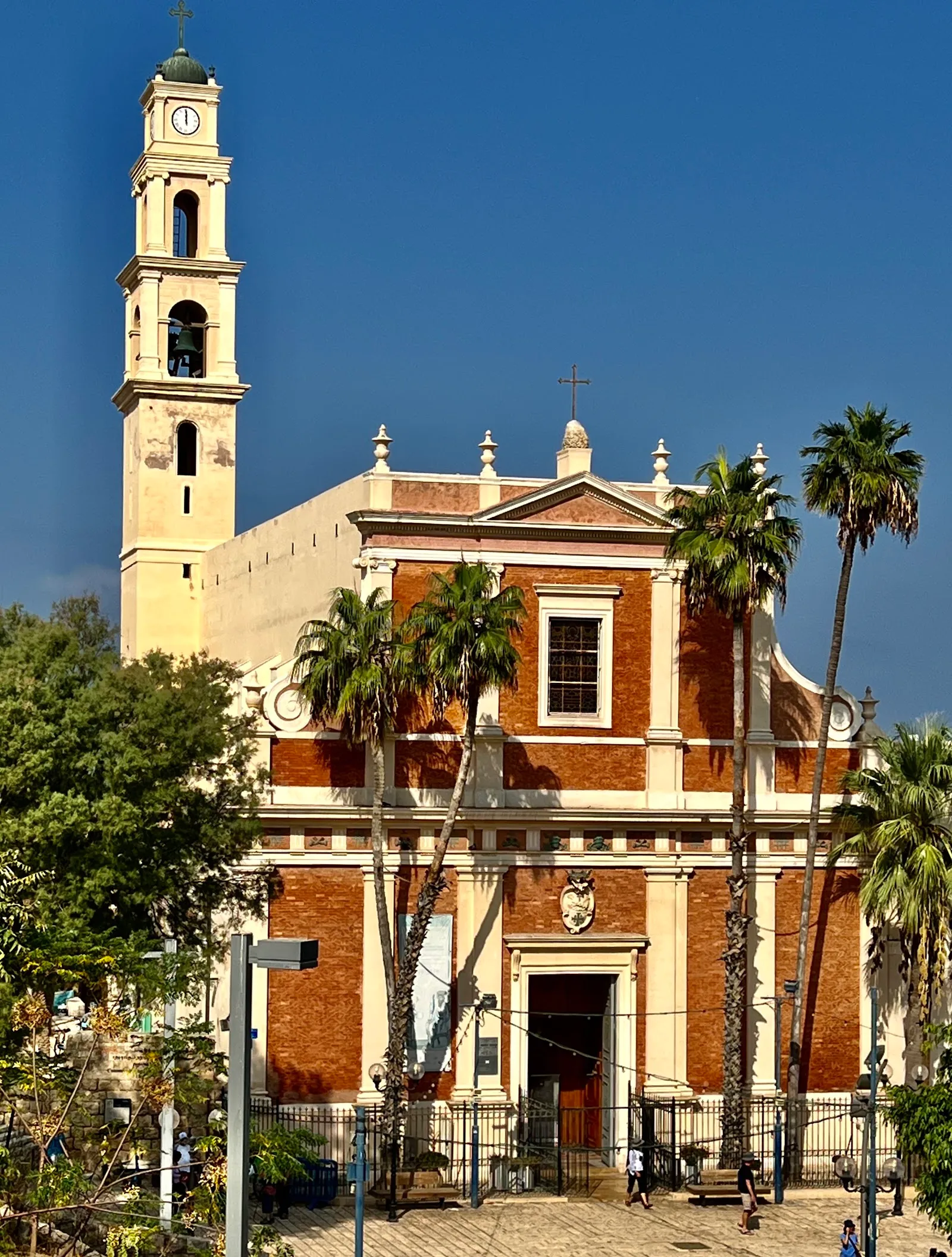
St. Peter's Church is also nearby, another of Jaffa's older landmarks. Beyond the square, walk down to the old port and the seafront promenade. The park beside the promenade was once a landfill and is now one of the city's greenest areas.
The square has its own rhythm. On weekday afternoons, school children stop by the open-air eateries for flaky pastries. On weekend evenings, the bars fill, and people look for a late-night bite.
What you see on the tower
The tower has clocks on its faces and stained glass windows that were installed during a renovation in 1965. The windows illustrate different periods of Jaffa's history. The sultan's name is inscribed on all four sides. The tower has three storeys and was designed by the architect Joseph Beys Moyal.
The design combines Ottoman and European architectural styles. Stand back from the tower to take in its full height, then look at the details on each side.
The square is accessible at all hours, and the tower's entrance is wheelchair accessible. There is free street parking in the area.
Häufige Fragen
Is the Clock Tower open 24 hours?
Yes, the Clock Tower is listed as open 24 hours, so you can visit the square at any time of day.
Is the Clock Tower wheelchair accessible?
Yes, the entrance is listed as wheelchair accessible.
Is there parking near the Clock Tower?
There is free street parking in the area.
What should I eat near the Clock Tower?
Across from the tower is the Abulafia bakery, known for its sesame bagel and sambusak, a pastry with a savory filling.