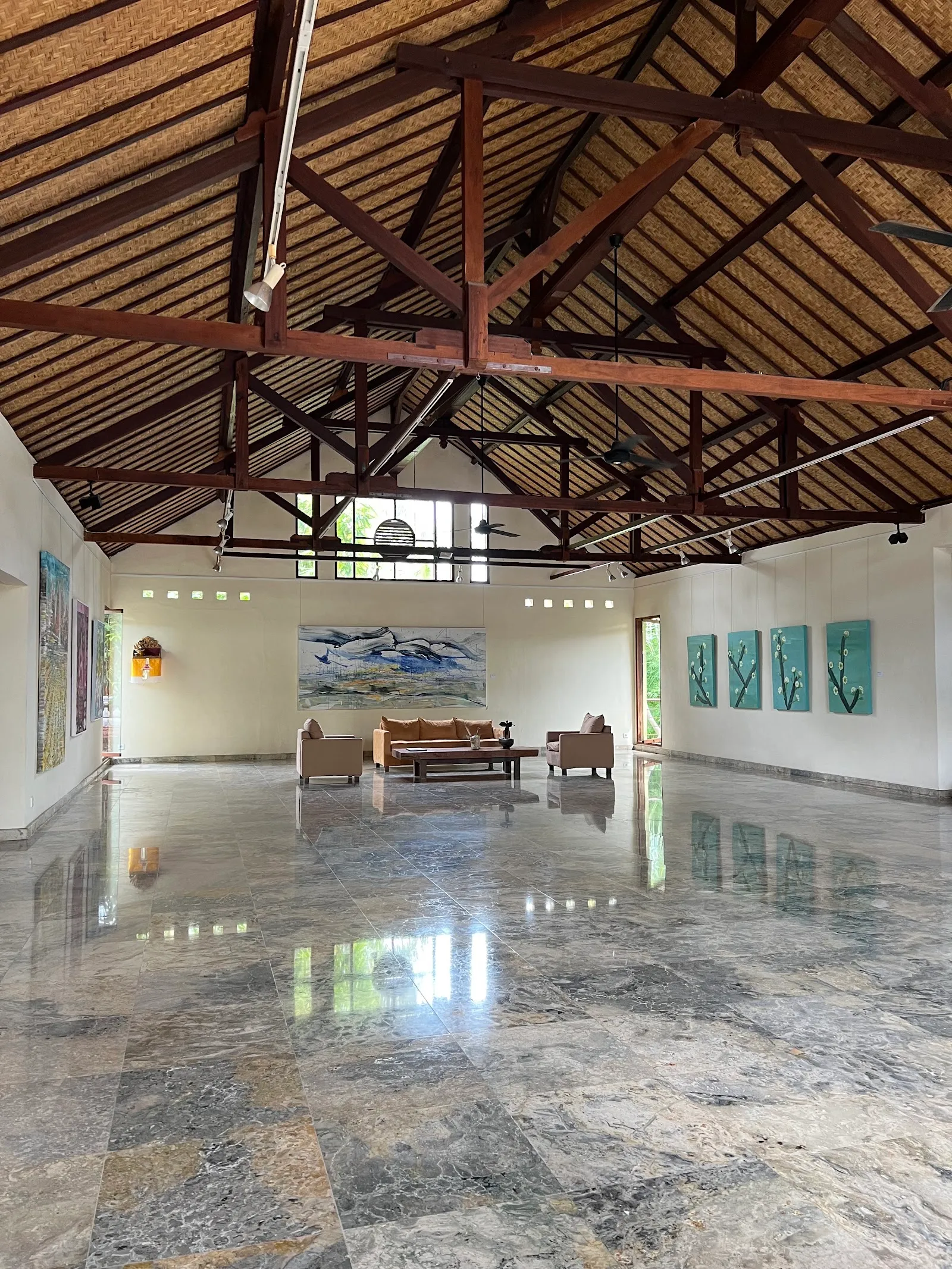
Bali Bird Park is a two-hectare bird sanctuary in Singapadu, Gianyar, near Ubud. Its collection includes around 1,000 birds from 250 species, with Indonesian birds alongside species from Africa and South America. Walk through themed areas designed around different habitats, look for the endangered Bali starling, and catch presentations with free-flying birds. Children can get close to some residents and join feeding activities at Papua Corner. The landscaped grounds also contain about 2,000 tropical plants, giving you plenty to see between bird encounters.
Bird habitats from several regions
Bali Bird Park is in Singapadu, in Gianyar Regency, and covers about two hectares. Its bird collection includes around 1,000 individuals from 250 species, with birds from Indonesia as well as Africa and South America. The park’s themed areas recreate habitats associated with different regions, so the walk takes you through several settings rather than one continuous aviary.
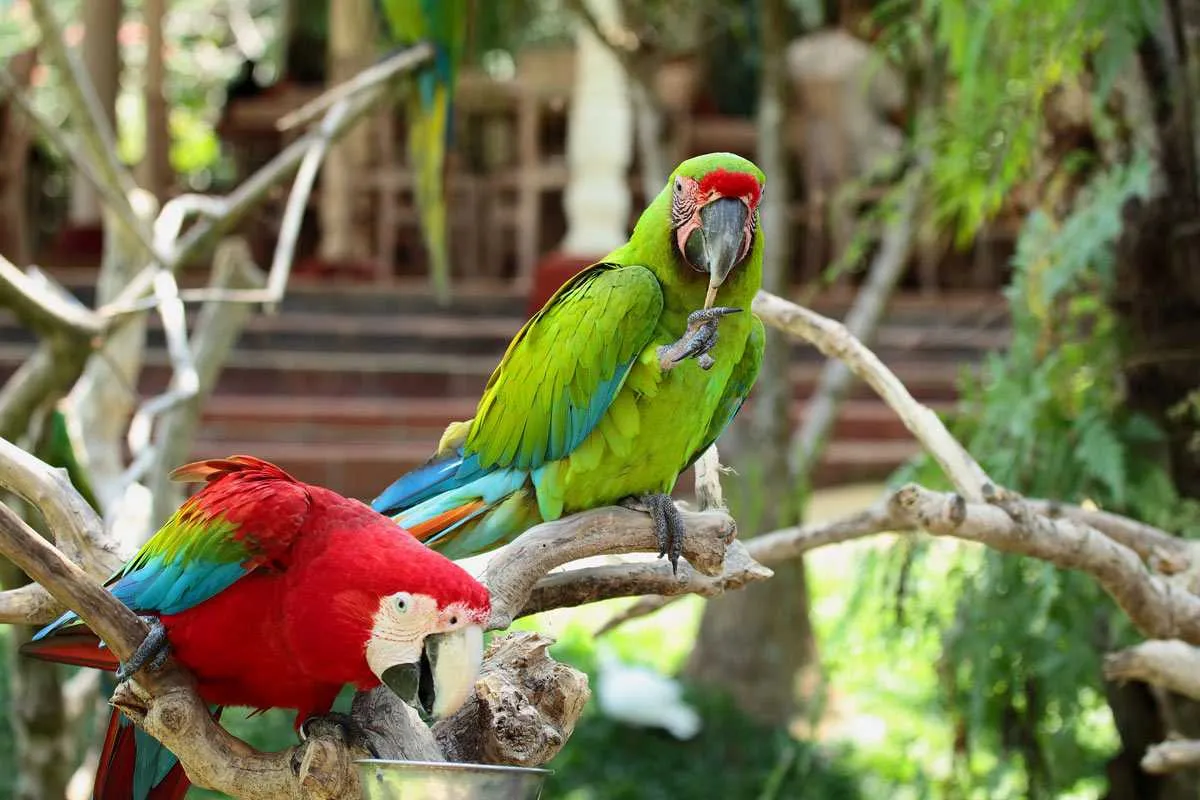
Large walk-through aviaries let you observe some birds at close range. Species mentioned among the park’s residents include parrots, peacocks, hornbills, cranes, pelicans, flamingos and birds of paradise. The collection also includes the endangered Bali starling, a native bird to look out for as you explore.
Presentations and feeding activities
Bird presentations take place throughout the day, with schedules described as starting early and continuing into the evening. Individual shows are reported at intervals of roughly 30 minutes to an hour. They include free-flight displays and demonstrations of bird behaviour. Check the day’s programme on arrival so you can plan your route around the presentations you most want to see.
Papua Corner is one of the areas where you can feed birds. Other close-up activities can include photographs with birds and feeding raw fish. These encounters are not for everyone, so you can simply watch if you would rather keep your distance. Take care on surfaces that may become slippery near fish-feeding spots.
Plants and conservation
The grounds contain about 2,000 tropical plants, including palms, alongside the bird habitats. The planting contributes to the park’s botanical character and gives you a chance to notice more than the birds as you move between areas.
Conservation and education are part of the visit. The park has facilities connected with endangered species, and activities invite visitors to take part in initiatives focused on fighting extinction. One programme described in the park material involves completing forms and uploading photos in exchange for small rewards such as pins or stickers. Ask on site which activities are available during your visit.
Planning your visit
The park is at Jl. Serma Cok Ngurah Gambir, Singapadu, Batubulan, in Sukawati, Gianyar. It is suitable for families as well as visitors with a specific interest in birds, and the mix of landscaped paths, presentations and interactive activities gives children several ways to engage with the collection.
Advance ticket purchase is recommended. A café and gift shop are listed among the on-site facilities, and there is also a playground. The park is listed as having a wheelchair-accessible entrance and parking. For a visit centred on particular presentations or feeding activities, check the programme and availability before setting out.
Häufige Fragen
Where is Bali Bird Park?
It is in Singapadu, Gianyar Regency, at Jl. Serma Cok Ngurah Gambir, Batubulan, Sukawati.
What birds can you see at Bali Bird Park?
The collection includes around 1,000 birds from 250 species, including Indonesian species and birds from Africa and South America. Parrots, hornbills, flamingos and the endangered Bali starling are among those mentioned.
Are there bird shows at Bali Bird Park?
Yes. Presentations include free-flight displays and demonstrations of bird behaviour. Shows are reported at intervals of roughly 30 minutes to an hour; check the schedule on arrival.
Can you feed birds at Bali Bird Park?
Feeding activities are available at selected spots, including Papua Corner. Some encounters involve raw fish, so take care around slippery areas.