Chhatrapati Shivaji Maharaj Terminus, known as CSMT or CST, is a railway station in Fort, South Mumbai, and a UNESCO World Heritage Site. Frederick William Stevens designed it, and it was built in 1887 as Victoria Terminus. The building joins Victorian Gothic Revival with Indian styles, with a central dome, turrets, carved stonework and stained glass. It is still a working station, so you see the architecture with commuters passing through. You can admire the facade and the halls without boarding a train.
From Victoria Terminus to CSMT
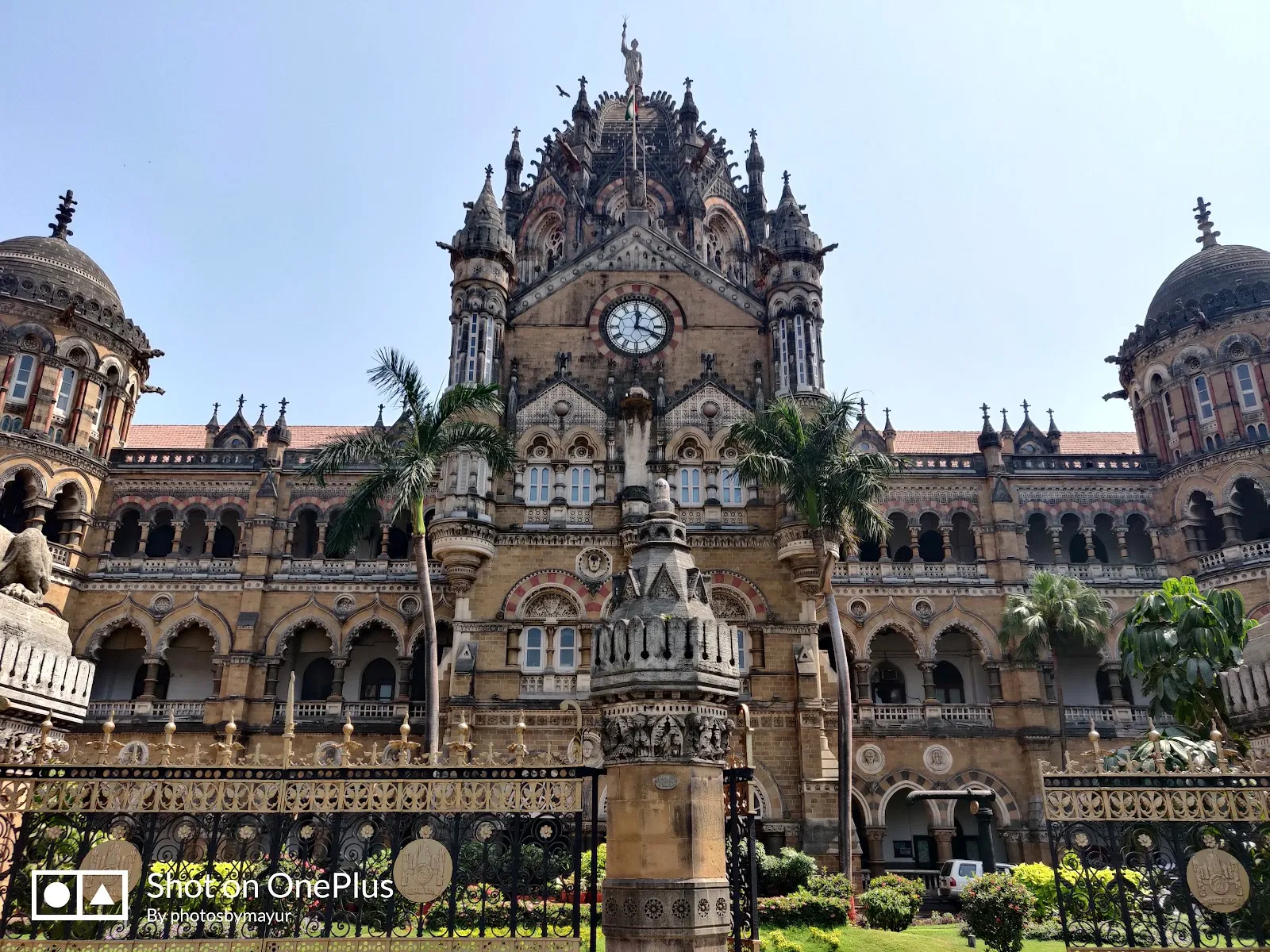
The station was built in 1887 under British rule and first named Victoria Terminus. It marked the Golden Jubilee of Queen Victoria, fifteen years into her reign by one account. The architect was Frederick William Stevens, and construction took almost ten years.
The name changed in 1996, when the station was renamed after the Maratha ruler Chhatrapati Shivaji Maharaj. UNESCO added it to the World Heritage list in 2004, citing its historical and architectural significance. You will still hear VT, CST and CSMT used for the same place.
The station connected Mumbai with other regions of the country through the expanding railway network. It is the first and last stop on the Central and Harbour lines, and it is a headquarters building for Central Railway.
Reading the building
Stevens combined Victorian Italianate Gothic Revival with traditional Indian architecture, drawing on Mughal and Hindu forms. One writer compares the result to St Pancras Station in London. The skyline is a crowd of buttresses, domes, turrets and spires, with a central dome and a clock tower at the middle.
Look closely at the stonework. The facade is covered in carvings and sculpture, and the balustrades are finely detailed. The animal faces that project from the walls are not only decoration. They are drainage outlets.
Inside, the ceilings are high, the pillars are carved and the arched windows hold painted and stained glass. Walking through the main halls is part of the visit, even if you are not travelling.
A working station
CSMT is among the busiest stations in India and serves millions of passengers. Local trains, long-distance trains, buses, taxis and the metro all meet here, and subways link the station to the surrounding streets so commuters can cross the busy road safely.
Facilities include waiting areas, food stalls, drinking water, inquiry counters and clear signboards. There are restrooms and baggage storage, and the entrance, seating and parking are wheelchair accessible. Security staff are visible, including late in the day.
The building belongs to the city and its people, so treat it with care. Do not litter or spit on the walls.
Getting there and what to pair it with
The station sits in the Fort area of South Mumbai, and the CSMT metro station is nearby. Taxis and buses wait outside. If you arrive in Mumbai from another state, you can reach CSMT from the airport by cab, or by train via Dadar on the Central line.
South Mumbai's colonial buildings stand close together, among them the Kala Ghoda Art Precinct, Rajabhai Clock Tower and the High Court. The Gateway of India is a short cab or bus ride away.
Häufige Fragen
Is CSMT a UNESCO World Heritage Site?
Yes. UNESCO declared Chhatrapati Shivaji Maharaj Terminus a World Heritage Site in 2004, for its historical and architectural significance.
Who designed Chhatrapati Shivaji Maharaj Terminus?
The British architect Frederick William Stevens designed it. It was built in 1887 and was first called Victoria Terminus.
Can you visit CSMT without catching a train?
Yes. You can walk around the facade and look inside at the halls, pillars and stained glass without boarding a train. Expect heavy crowds at rush hour.
When is the best time to see CSMT?
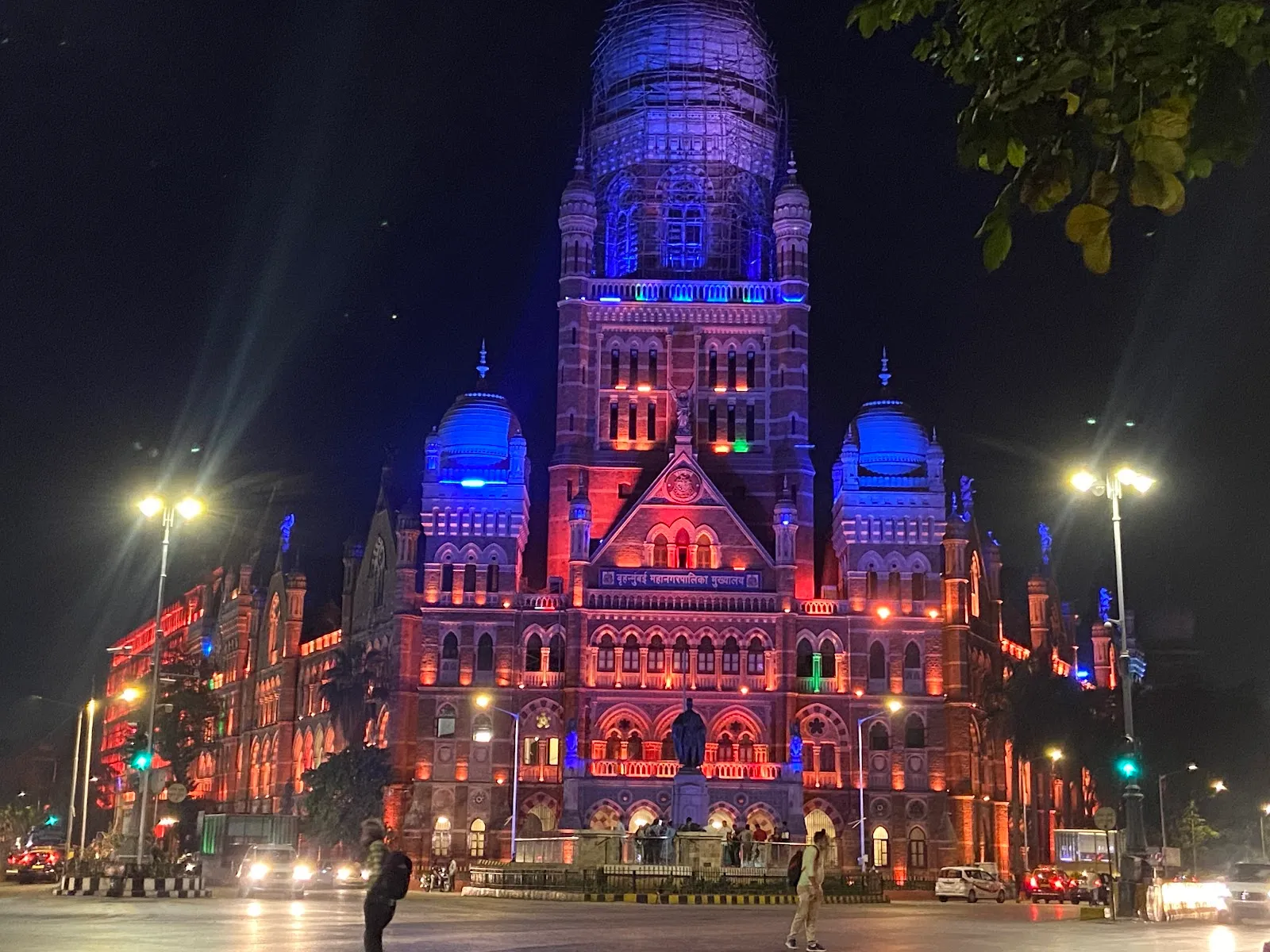
Early morning or evening. The building is lit after dark and the crowds are lighter than at peak commuting times.
How do you get to CSMT?
Central and Harbour line trains stop here, and the CSMT metro station is nearby. Taxis and buses also run from outside the station.
Is CSMT wheelchair accessible?
The station has a wheelchair accessible entrance, seating, restroom and parking. It also has baggage storage.