
Chandi Devi Temple stands on Neel Parvat, the eastern summit of the Shivalik Hills, on the east bank of the Ganges in Haridwar. It is dedicated to Goddess Chandi and is a Siddha Peetha, a place where devotees come to ask for their wishes to be granted. The present building dates from 1929, while the black stone idol is traced to the 8th century. You get up the hill on a forest trek of about 3 km from Chandighat or by ropeway, and the hilltop looks over Haridwar and the river below.
Neel Parvat and the legend of Chandi
The temple sits on Neel Parvat, the Blue Mountain, the eastern summit of the Shivalik Hills on the east bank of the Ganges. Neel Parvat is one of the Panch Tirth, the five pilgrimage sites of Haridwar, alongside Har Ki Pauri (Gangadwara), Kushwart Ghat, Kankhal and Bilwa Tirth, where Mansa Devi Temple stands. The temple is also known as Neel Parvat Teerth.
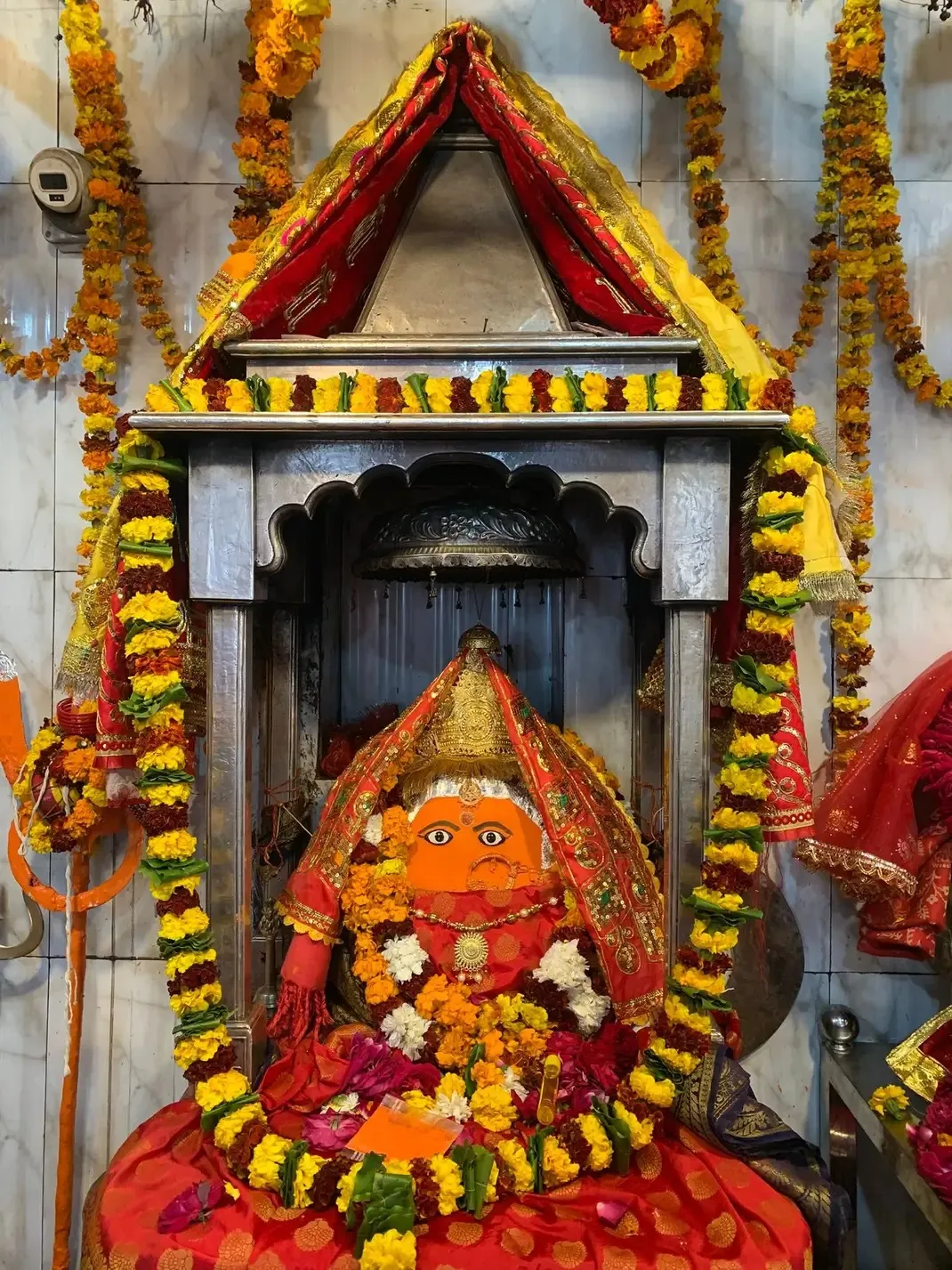
It is dedicated to Goddess Chandi, a form of Durga. According to tradition, this is the place where she rested after slaying the demon kings Shumbha and Nishumbha. Some accounts add that she first destroyed their commanders Chanda and Munda here. Devotees regard the temple as a Siddha Peetha, where wishes are believed to be fulfilled, and it forms a trio of sacred sites in Haridwar with Mansa Devi and Maya Devi.
The idol and the 1929 temple
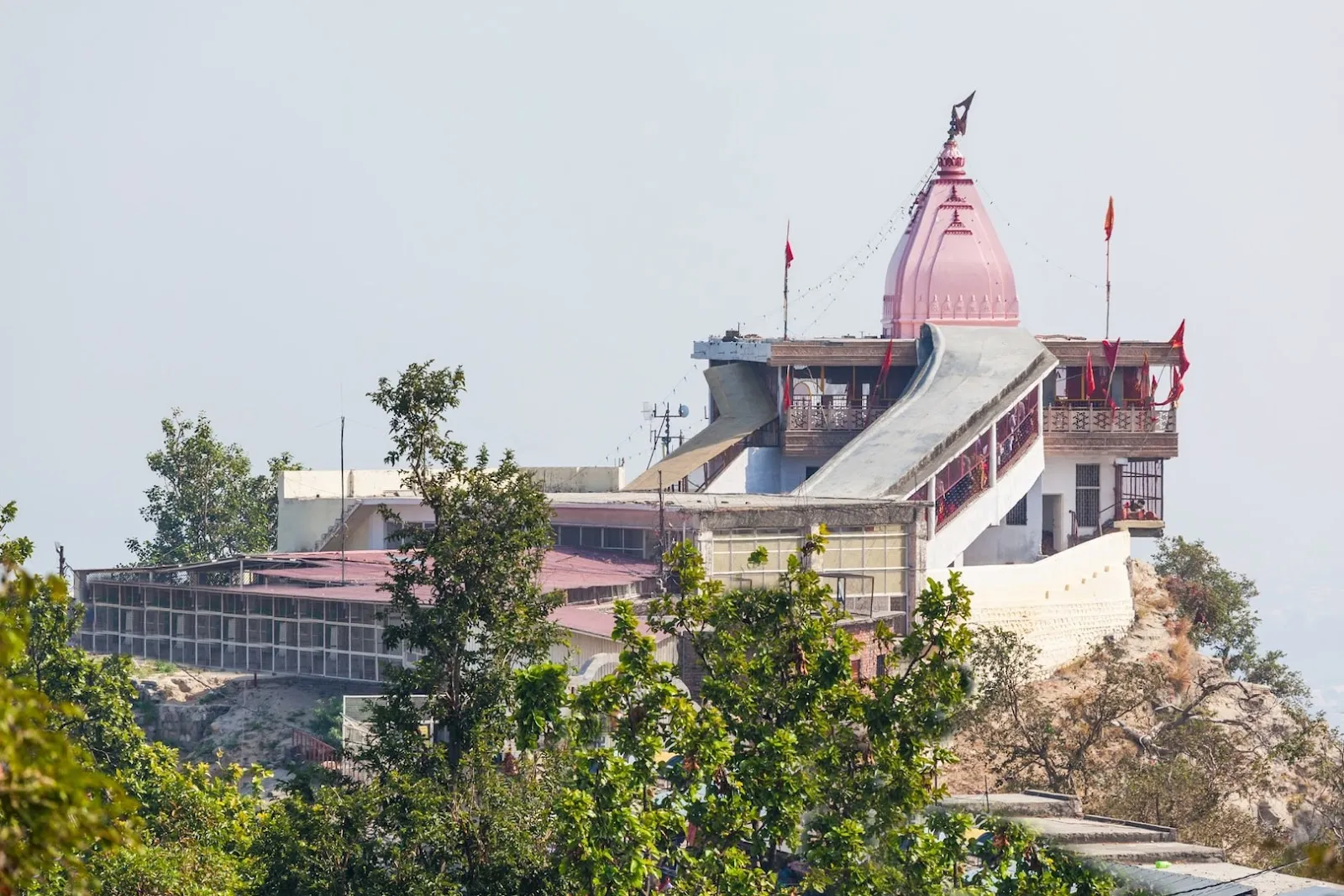
The temple has two layers of history. The black stone idol of the goddess is traditionally said to have been installed in the 8th century by Adi Shankaracharya, the Hindu philosopher. The present temple building is much newer. It was built in 1929 by Suchat Singh, the king of Kashmir.
The temple is open from morning to evening, with darshan from 7 AM to 7 PM. Priests perform daily rituals for the goddess. Pilgrims come in the greatest numbers during Navratri and the Kumbh Mela, when Haridwar as a whole is at its busiest.
Reaching the temple on foot or by ropeway
The traditional route is the walking path (paidal marg) from Chandighat, about 3 km uphill through forest. Monkeys live along the way, so keep food out of sight. The trail is also popular with hikers, and those who walk it treat the climb as part of the pilgrimage.
The alternative is the ropeway, known locally as Udan Khatola. The ride takes a few minutes and passes over the city, the Ganges and the surrounding hills. From the upper station, steps lead to the temple gate. Tickets can be booked online or bought at the counter, and a combined option covers the Mansa Devi ropeway too. Waits are shorter on weekdays and longer on festival days and weekends.
The ropeway queue has no separate line for older visitors, so plan extra time if anyone in your group finds long waits or steps hard.
At the top
The temple complex looks out over Haridwar and the river valley, and the view is at its best in the early morning. The grounds are green and the temple is kept clean. Expect vendors near the temple and photographers offering prints, which have cost up to 300 rupees, so agree on the price first. The prasad sold by the temple management comes in small portions.
Häufige Fragen
What are the opening hours of Chandi Devi Temple?
The temple is open daily from 7 AM to 7 PM.
How do you get to Chandi Devi Temple?
You can walk about 3 km uphill from Chandighat through forest, or take the Udan Khatola ropeway. The ropeway ride takes a few minutes, and steps lead from the upper station to the temple gate.
Can you buy ropeway tickets online?
Yes. Tickets can be booked online or bought at the counter. A combined ticket option also covers the Mansa Devi ropeway.
When is the ropeway queue shortest?
On weekdays, when waits are usually 30 to 45 minutes. Queues are longer at busy times, especially during festivals.
Who built Chandi Devi Temple?
The present temple was built in 1929 by Suchat Singh, the king of Kashmir. The idol inside is traditionally said to have been installed in the 8th century by Adi Shankaracharya.
Which festivals are celebrated here?
Navratri and the Kumbh Mela draw the largest numbers of pilgrims to the temple.


