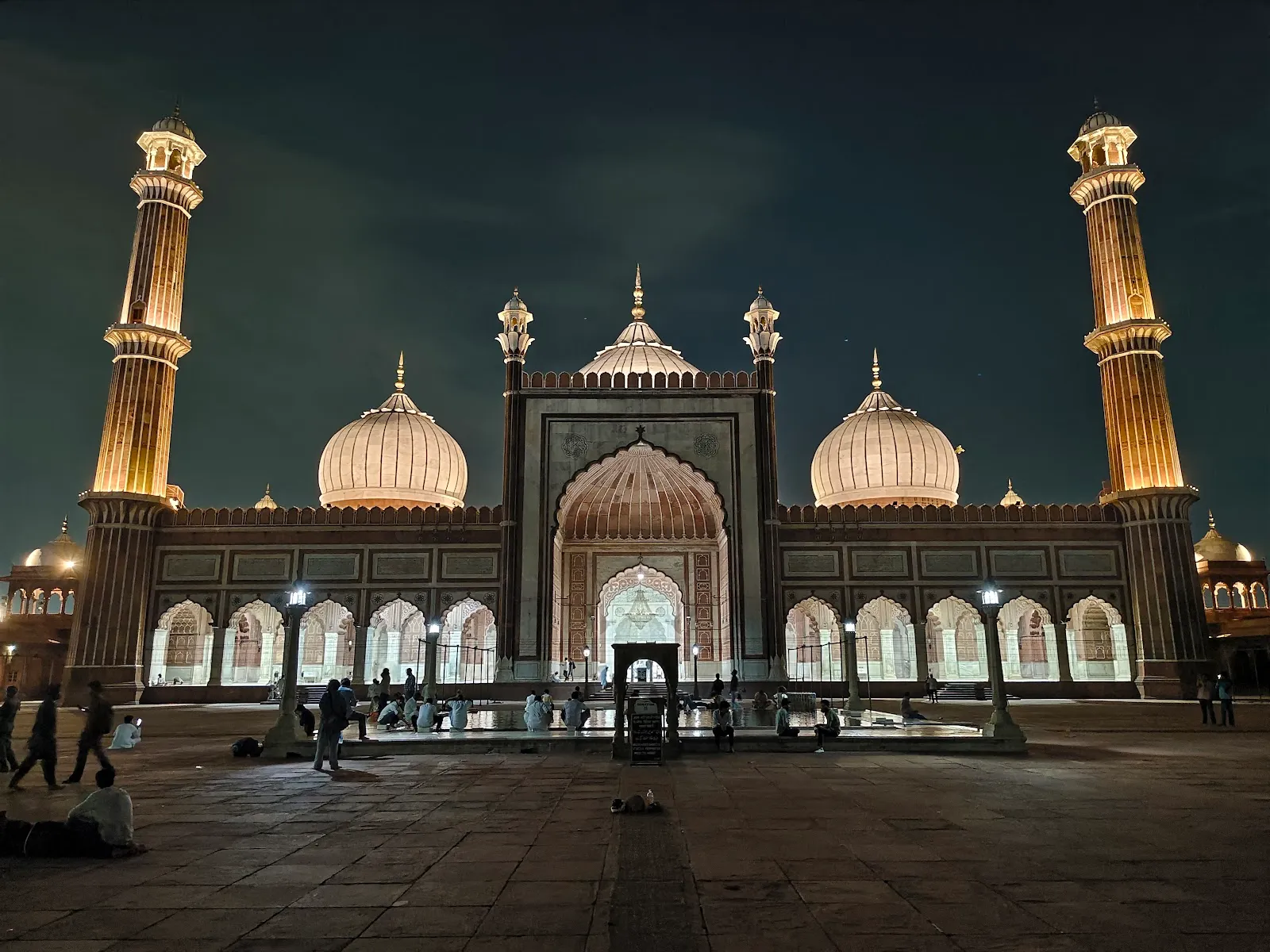
Hijron ka Khanqah is a historic Islamic burial complex in Mehrauli, South Delhi, set just off the busy bazaar. Its graves are associated with the transgender community and date to the Lodi period, before the Mughal era. A mosque stands at the western end of the grounds. Inside the enclosure, the street noise gives way to a quiet space that remains a place of prayer and remembrance. Visit to see the graves and mosque, and to learn about a site with a distinct place in Delhi’s history.
A burial ground from the Lodi period
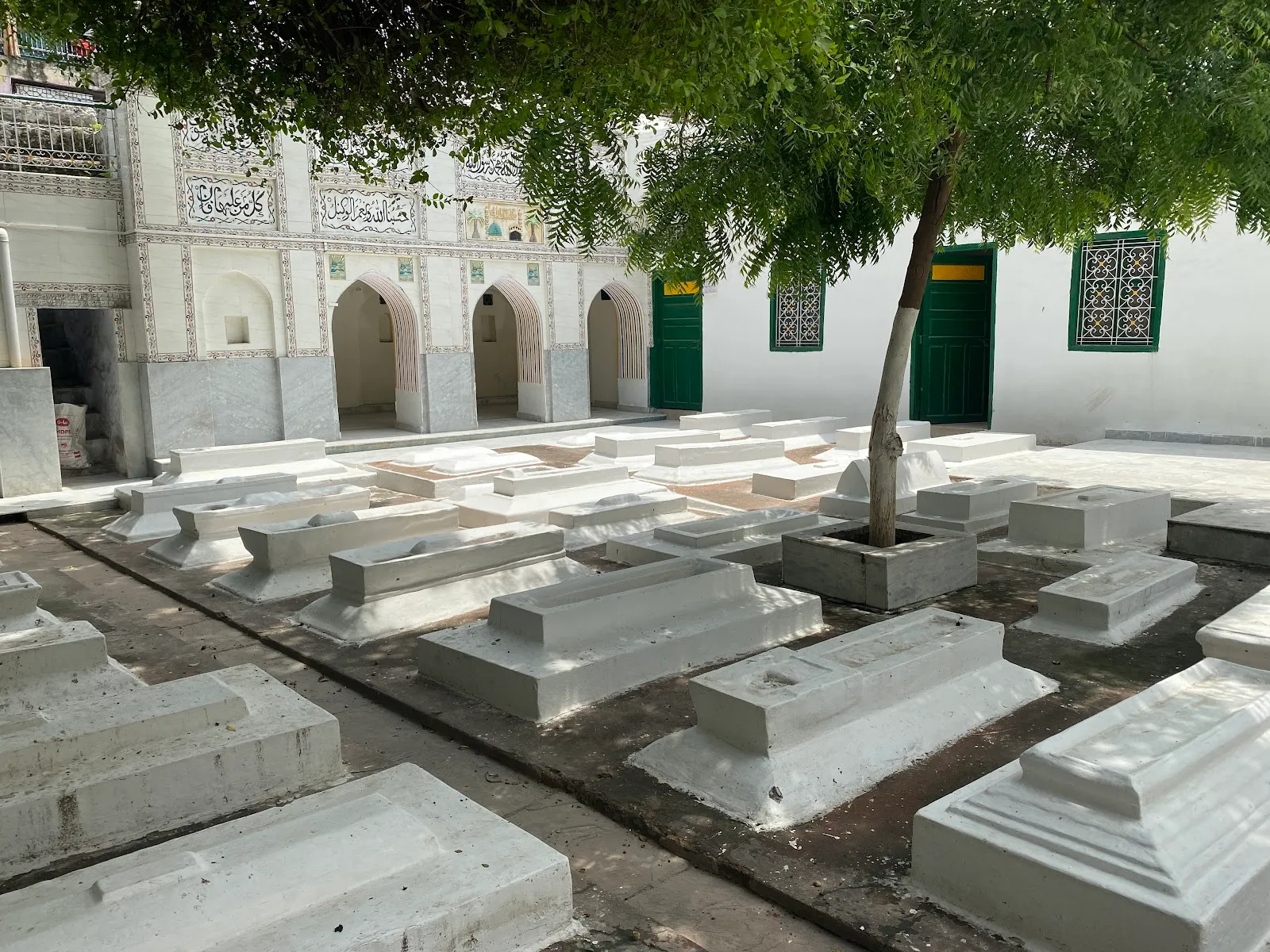
Hijron ka Khanqah is an Islamic monument in Mehrauli, within the area known for its archaeological sites. The complex contains graves of members of Delhi’s transgender community from the Lodi period, before the Mughal rulers. A Sufi saint’s tomb is also here. The site is no longer used for burials, but it remains a place of prayer and remembrance.
The name refers to a spiritual retreat associated with hijras, a transgender community across the Indian subcontinent. The monument’s history offers a chance to learn about a community’s religious and cultural ties to Delhi through a place of burial and worship.
The mosque and the grounds
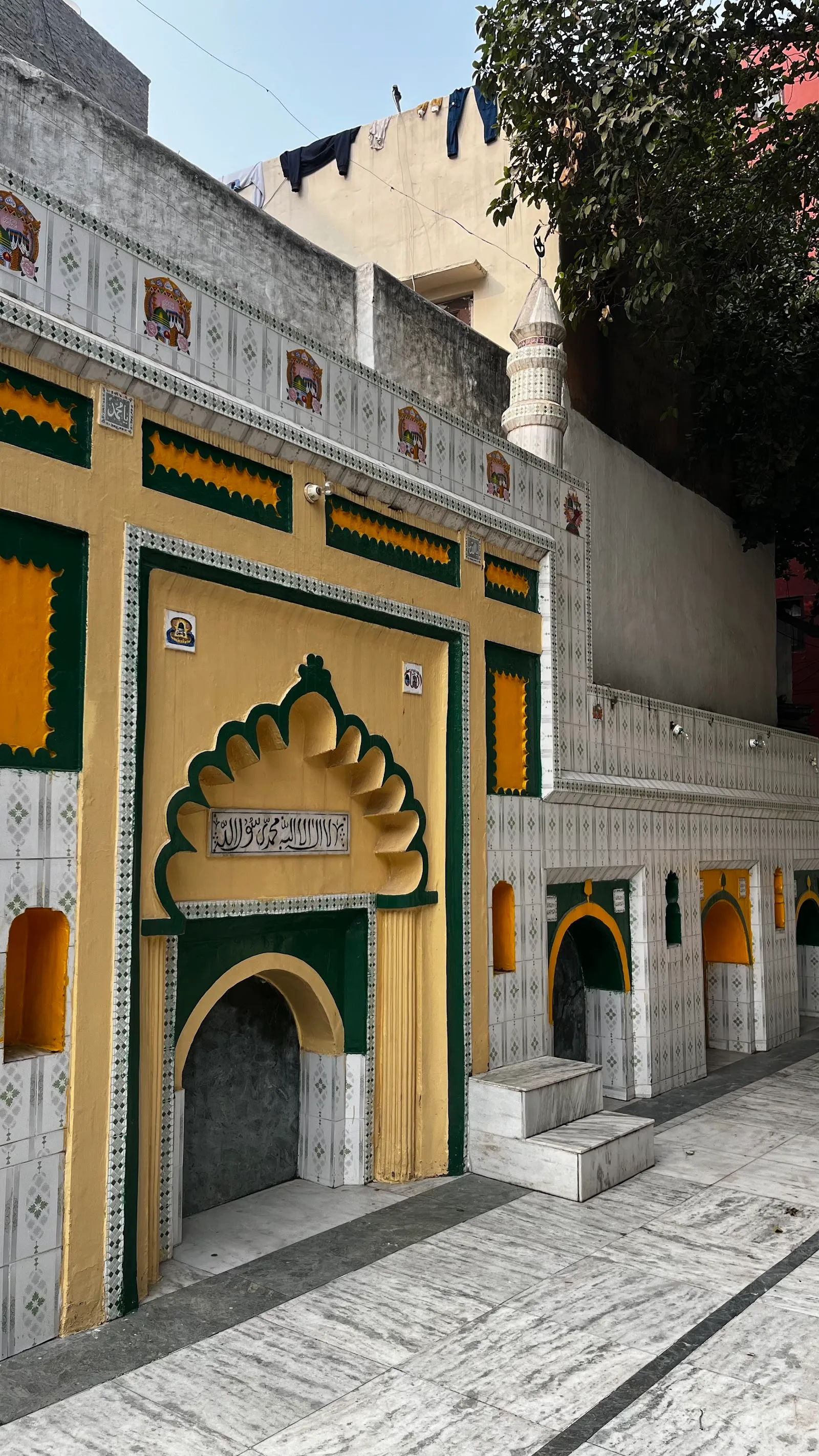
A mosque stands at the western end of the complex. The graves are kept in a maintained enclosure, and the grounds offer a quiet pause from the market streets outside. Take time to look around respectfully and leave the graves undisturbed.
The site is cared for by a Hindu caretaker whose family has looked after it for generations. The community connected to the monument also continues to visit for prayer, including on Thursdays.
Visiting with care
The entrance may be locked when the caretaker is away, so an early visit does not guarantee access. The quieter periods noted for a visit are before 9 am and in the evening before sunset. A small donation is suggested to support the people responsible for the grounds.
Shaab-e-Barat brings larger gatherings, with food distributed to people in need. This is a different experience from a quiet visit, so consider whether you would prefer to see the complex in a more active religious setting or at a calmer time.
Häufige Fragen
Where is Hijron ka Khanqah?
It is in Mehrauli, South Delhi, within the area known for its archaeological sites.
What can you see at Hijron ka Khanqah?
The complex has Lodi-period graves associated with Delhi’s transgender community, a Sufi saint’s tomb and a mosque at its western end.
When is a good time to visit?
Early morning before 9 am or in the evening before sunset is described as quieter. The entrance may be locked if the caretaker is away.
What happens at Hijron ka Khanqah on Shaab-e-Barat?
Gatherings take place, and food is distributed to people in need.