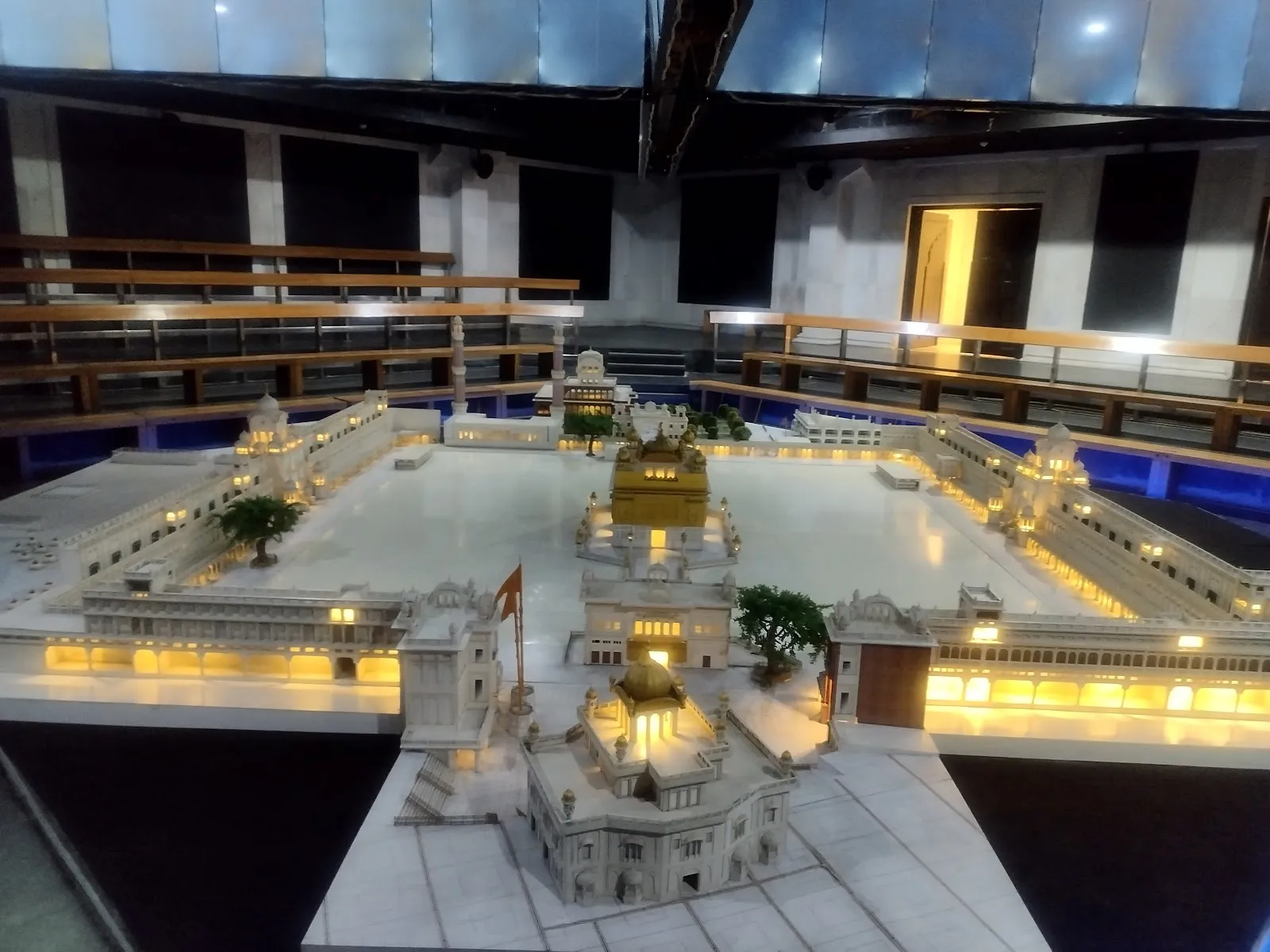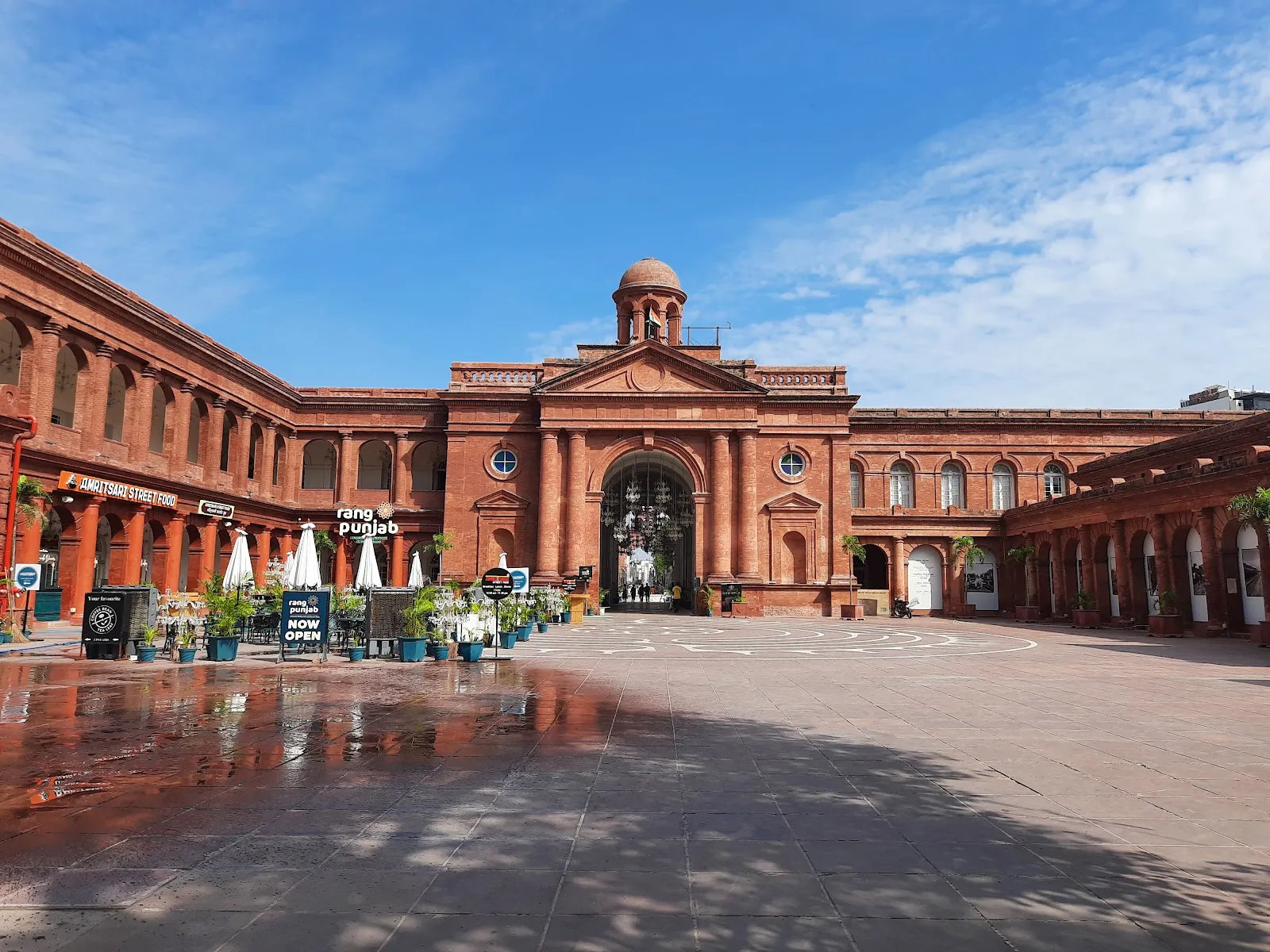
The Partition Museum is in Amritsar's Town Hall, about a kilometre from the Golden Temple. It tells the story of the 1947 division of British India through photographs, newspaper clippings, letters, personal belongings and recorded testimonies, many of them donated by families who lived through it. The galleries follow events in order, from maps of undivided India to the migrations and the resettling of refugees. The mood inside is quiet and reflective. Some images are hard to look at, so go when you have time to read slowly.
The Town Hall building
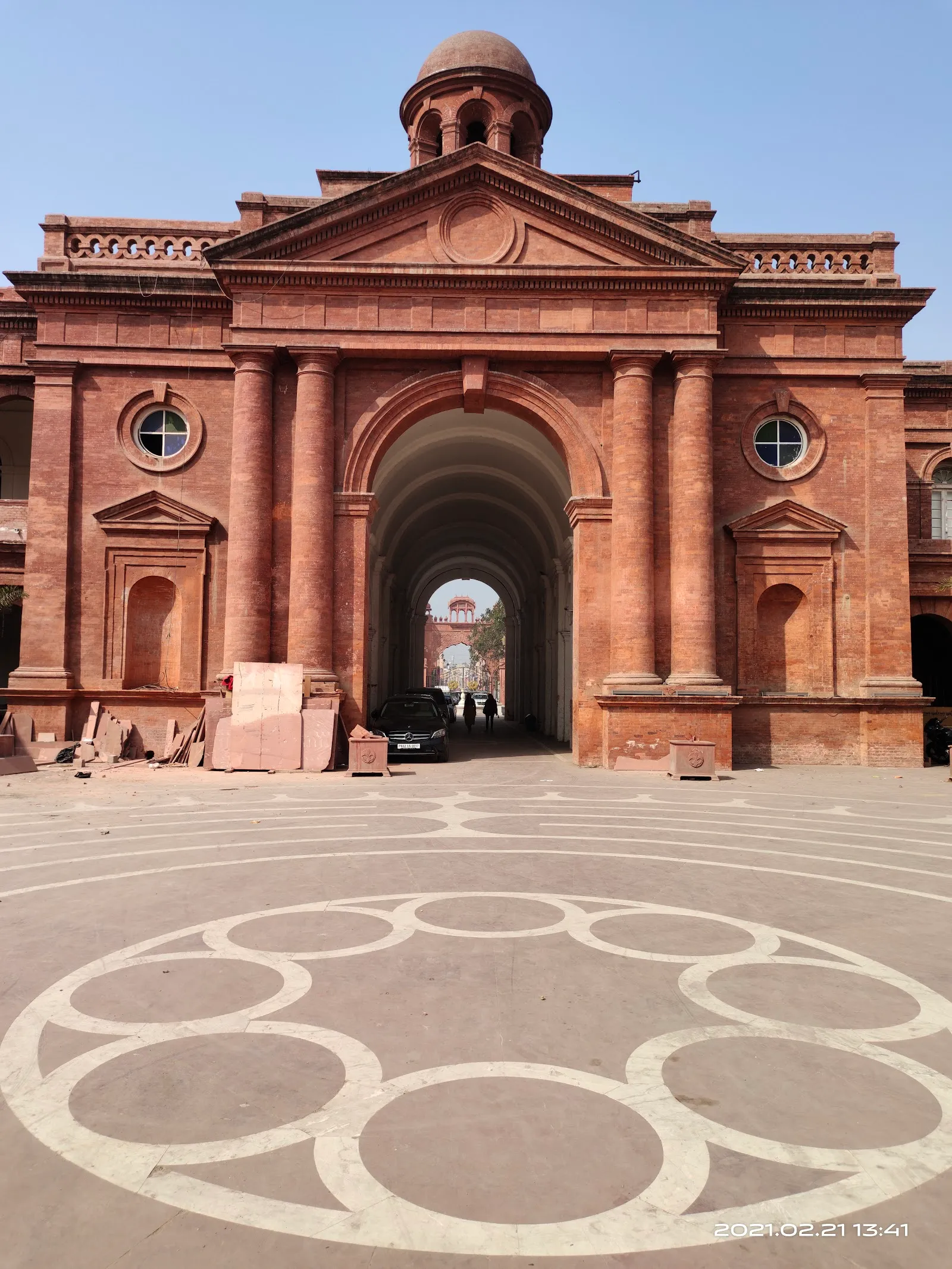
The museum is housed in Amritsar's Town Hall, a colonial-era administrative building that has been renovated. Before its present use it held municipal offices and a court of small causes. It also served as a police headquarters (kotwali), complete with jail cells.
The architecture is part of the visit. Look for the arched verandahs, doors with Venetian glass, patterned floor tiles and the belfry, whose bell was cast in 1897. The building also holds a library.
What the galleries hold
The collection includes newspaper clippings, photographs, documents, letters, audio recordings, video interviews and art installations. Together they cover the period before, during and after the partition of British India in 1947. Maps of undivided India open the story, and photographs record the migrations that followed. Punjab, Bengal and Amritsar each get detailed attention.
The route is chronological, which makes it easy to see how events unfolded and how they changed ordinary lives. Families had to leave their homes, communities and everything built over generations, and the exhibits keep returning to that loss. One section looks at how Partition affected women. The Tree of Hope is one of the installations that stays with visitors.
Some of the photographs are disturbing. Take the galleries at your own pace and step out when you need to.
A people's museum
The museum was set up by the Arts and Cultural Heritage Trust (TAACHT) and is privately funded. It calls itself a People's Museum because many of its objects were donated by survivors and their families. Visitors often find their own family's story reflected in what is shown. The museum is dedicated entirely to Partition.
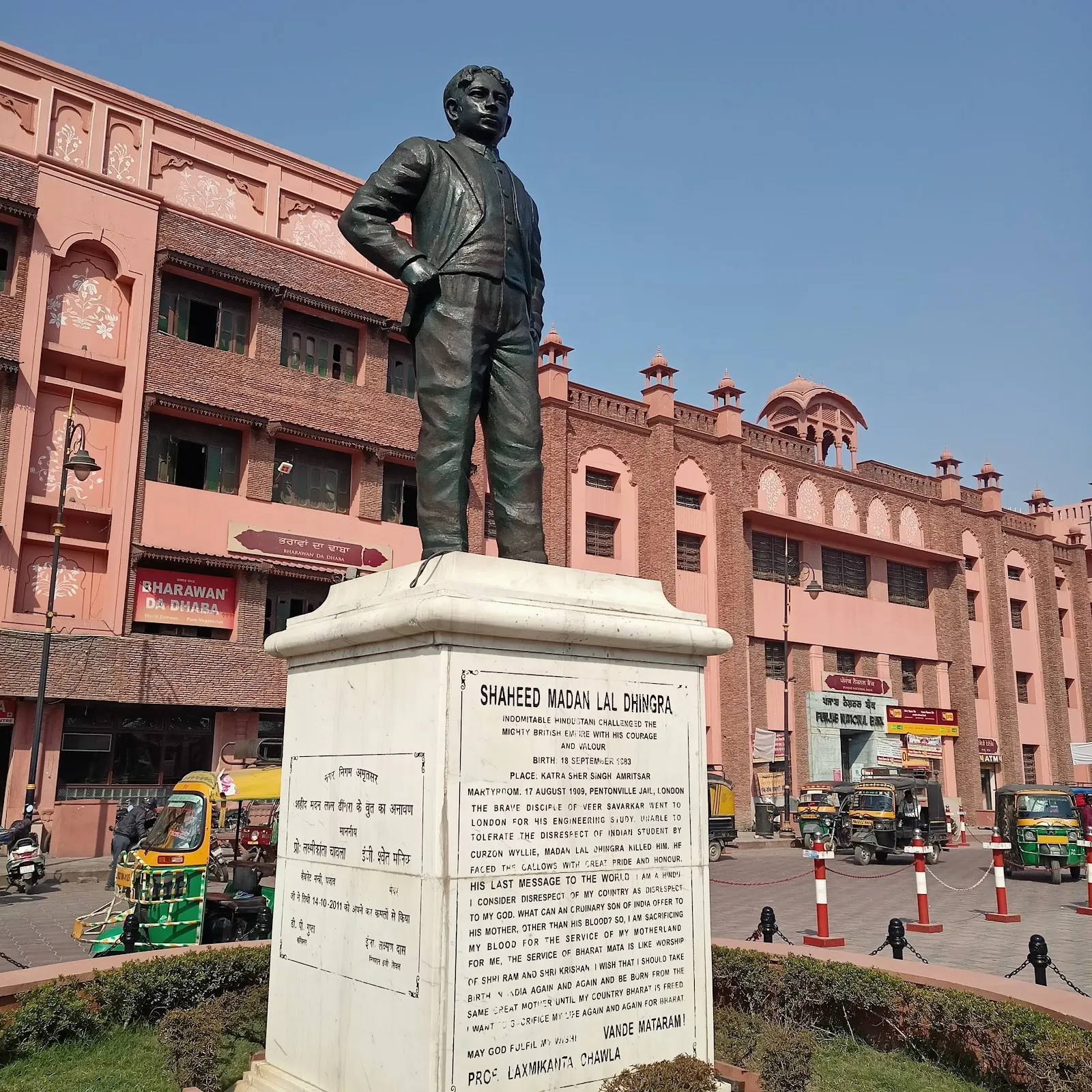
It is one of three important sites on the Heritage Mile, with the Golden Temple and the Jallianwala Bagh memorial garden. A pedestrian, vehicle-free Heritage Street of about 800 m links the Town Hall to the Golden Temple, so the three can be visited on foot in one outing.
Planning your visit
Tickets are charged at ₹10 for Indian nationals and ₹250 for foreign nationals. The entrance, elevator, restrooms and parking are wheelchair accessible. Paid parking is available on site and on the street.
The exit route is unusual. It leads past an upper-floor terrace to the restrooms and a gift shop, and then to the exit gate.
When you step out, food stalls, cafés and small eateries are close by. After the museum closes in the evening, the lit-up street-food stalls and coffee shops around the Town Hall stay busy. It is an easy place to sit and take in what you have seen.
Häufige Fragen
Is there an entry fee at the Partition Museum?
Yes. Tickets cost ₹10 for Indian nationals and ₹250 for foreign nationals. Buying tickets in advance is recommended.
How long do you need at the Partition Museum?
Plan on 1.5 to 2 hours to read the displays and listen to the recorded stories without rushing.
Where is the Partition Museum in Amritsar?
It is in the Town Hall on Hall Road, about a kilometre from the Golden Temple. The pedestrian Heritage Street connects the two.
Can you take photos inside the Partition Museum?
No. Photography is not allowed inside the museum.
Is the Partition Museum wheelchair accessible?
Yes. The entrance, elevator, restroom and parking lot are wheelchair accessible.
Is the museum suitable for children?
It is family-friendly, but some photographs are disturbing and the subject is heavy. Parents may want to look through the galleries first and decide what suits their child.