
On the eastern bank of the Yamuna in Agra, Chini Ka Rauza is the tomb of Allama Afzal Khan Mullah, a Persian poet and minister under Shah Jahan. Its Persian-inspired design stands apart from Agra’s marble monuments: the walls and dome retain patches of glazed tile in turquoise, green and orange, with floral patterns and calligraphy. Much of the original decoration has weathered away, but surviving colour and the quiet riverside setting reward a short stop. Look inside as well as around the facade, where painted surfaces preserve more of the tomb’s decorative detail.
The tomb and its patron
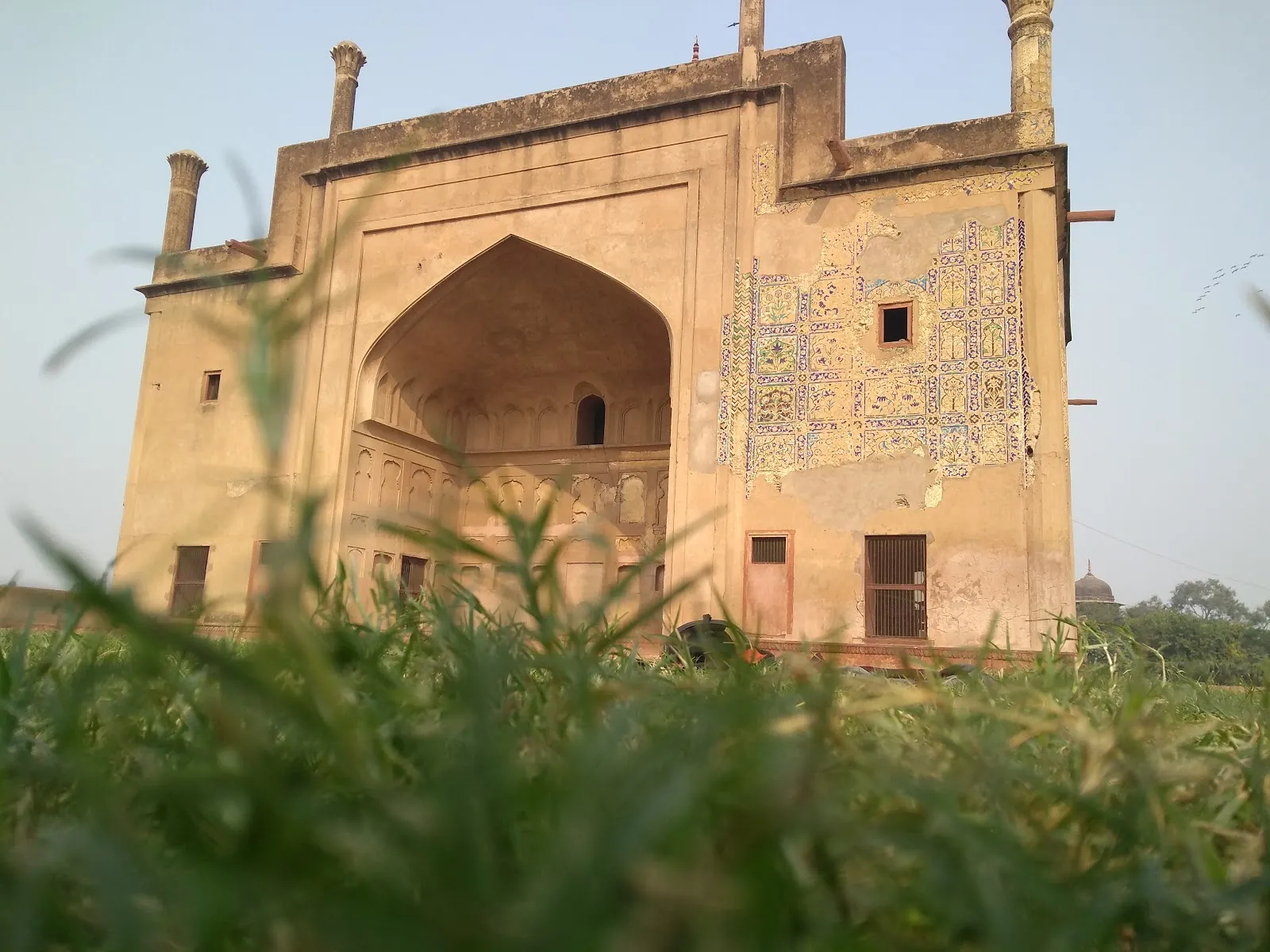
Chini Ka Rauza is the mausoleum of Allama Afzal Khan Mullah, a Persian poet and scholar who became a minister in the court of Mughal emperor Shah Jahan. Built in the 17th century, the tomb stands on the eastern bank of the Yamuna, about 1 kilometre north of Itimad-ud-Daulah’s Tomb.
The monument’s name refers to its glazed ceramic decoration. It is an unusual change of style from Agra’s better-known marble buildings, with Persian influences shaping both the architecture and the ornament.
Look for colour in the tilework
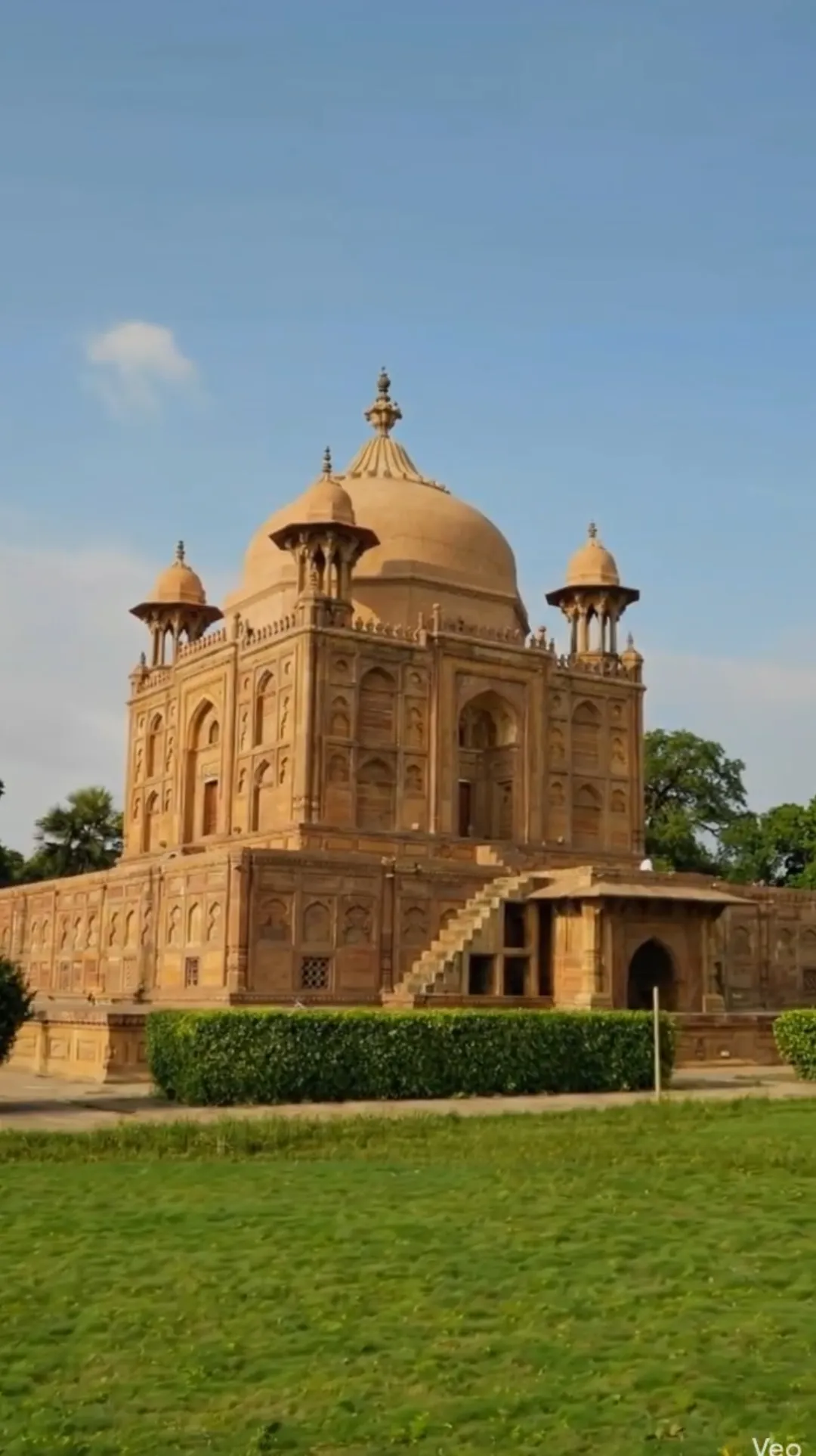
The facade and dome were decorated with glazed tiles in shades including turquoise, green, yellow and orange. Floral motifs, calligraphy and geometric designs appear in the decorative scheme. Much of the tilework has been lost to weathering, so the remaining patches are most visible when you take time to look closely at the walls and dome.
The exterior is not the only place to examine. Painted decoration survives inside, including on the walls and ceiling. Walk around the structure before leaving, then step inside to see how its surfaces differ from the exposed outer walls.
A quieter stop by the Yamuna
The tomb’s riverside location and relative quiet offer a different pace from Agra’s busiest monuments. The setting includes a garden and views toward the Yamuna, though the outlook and upkeep can vary across the grounds. The building itself is weathered, and some areas show signs of neglect; plan your visit for its architecture and surviving decoration rather than expecting a fully restored monument.
Early morning or evening light can bring out the colour in the tiles. Chini Ka Rauza is a compact stop, and it fits naturally with a visit to Itimad-ud-Daulah’s Tomb, around a kilometre away.
Häufige Fragen
Who is buried at Chini Ka Rauza?
The tomb is the mausoleum of Allama Afzal Khan Mullah, a Persian poet and scholar who served as a minister under Shah Jahan.
What is Chini Ka Rauza known for?
It is known for Persian-inspired architecture and glazed ceramic tiles in colours such as turquoise, green, yellow and orange. Some tilework and interior painted decoration survive.
Is there an entry fee for Chini Ka Rauza?
Admission is free.
How long should I allow for a visit?
Around 15 to 30 minutes is enough for a short visit to the tomb and its decoration.
When is a good time to visit?
Early morning or evening can bring sunlight onto the remaining glazed tiles.


