At Aðalstræti 16 in central Reykjavík, this underground museum is built around the excavated remains of a Viking-age hall. The finds date the earliest evidence of settlement at the site to around 871, give or take two years, the date behind the exhibition’s name. Walk around the preserved foundations, then use archaeological objects, models and multimedia displays to explore how Iceland’s early inhabitants farmed, fished, hunted and raised cattle. A fragment of an even older wall is another detail to look for.
The hall beneath Aðalstræti
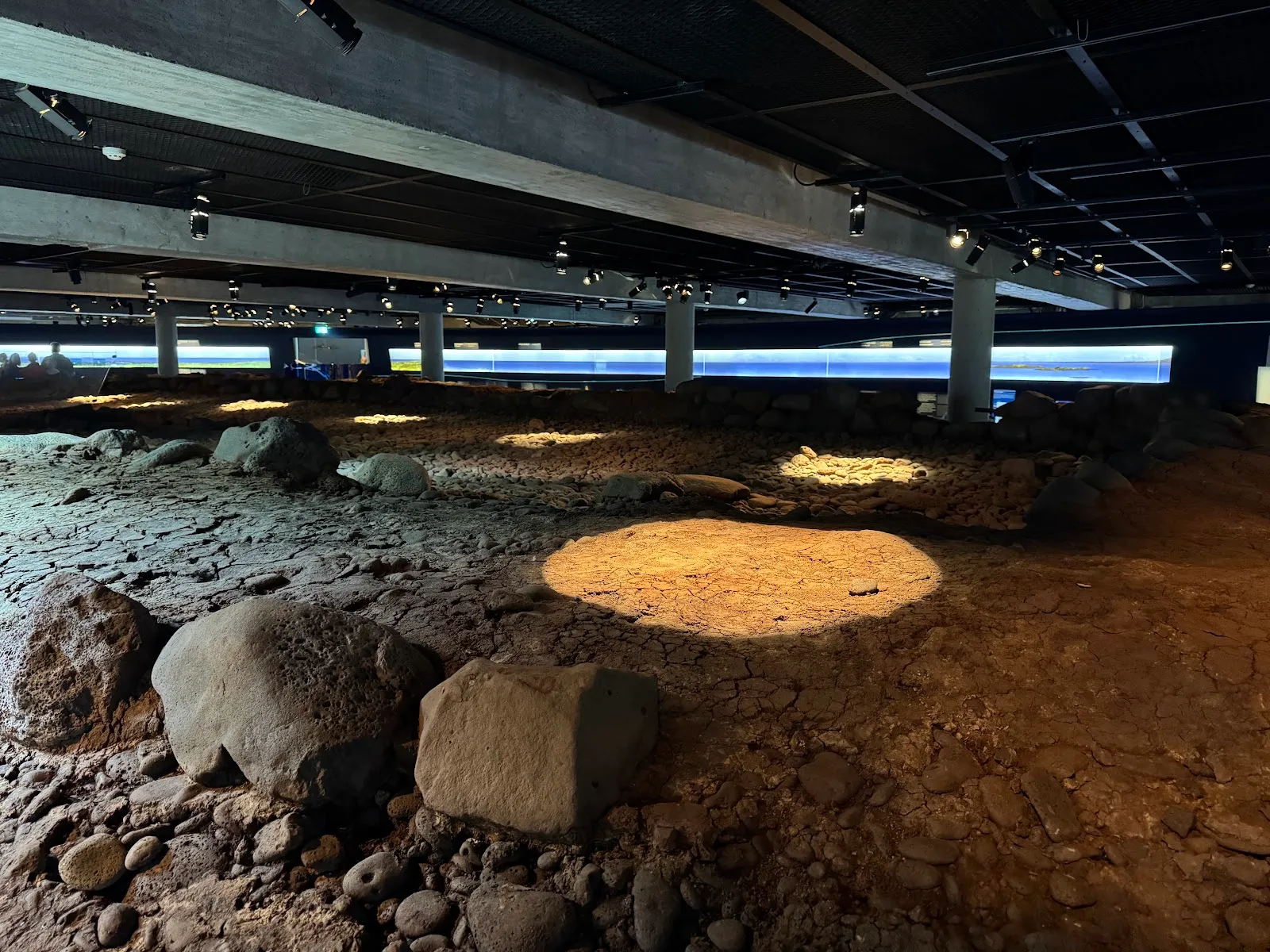
The exhibition centres on a hall uncovered during archaeological work in 2001. The remains are presented in the place where they were found, beneath the streets of central Reykjavík. The site preserves some of the earliest evidence of human settlement in the city, and its name, Reykjavík 871±2, refers to the approximate date assigned to the oldest settlement evidence there.
The hall belongs to the Settlement Age. Material at the site points to a longhouse used between about 930 and 1000, while other finds indicate human presence in Reykjavík around 871, plus or minus two years. The distinction matters: the exhibition brings together evidence from different periods and archaeological discoveries, rather than presenting every structure as part of one moment in time.
A fragment of a wall nearby is older than the hall and is identified as one of Reykjavík’s oldest human-made structures. Look closely at the preserved remains as you move around the excavation; the traces of buildings give the displays a physical setting for the story of the first inhabitants.
Reading the archaeological evidence
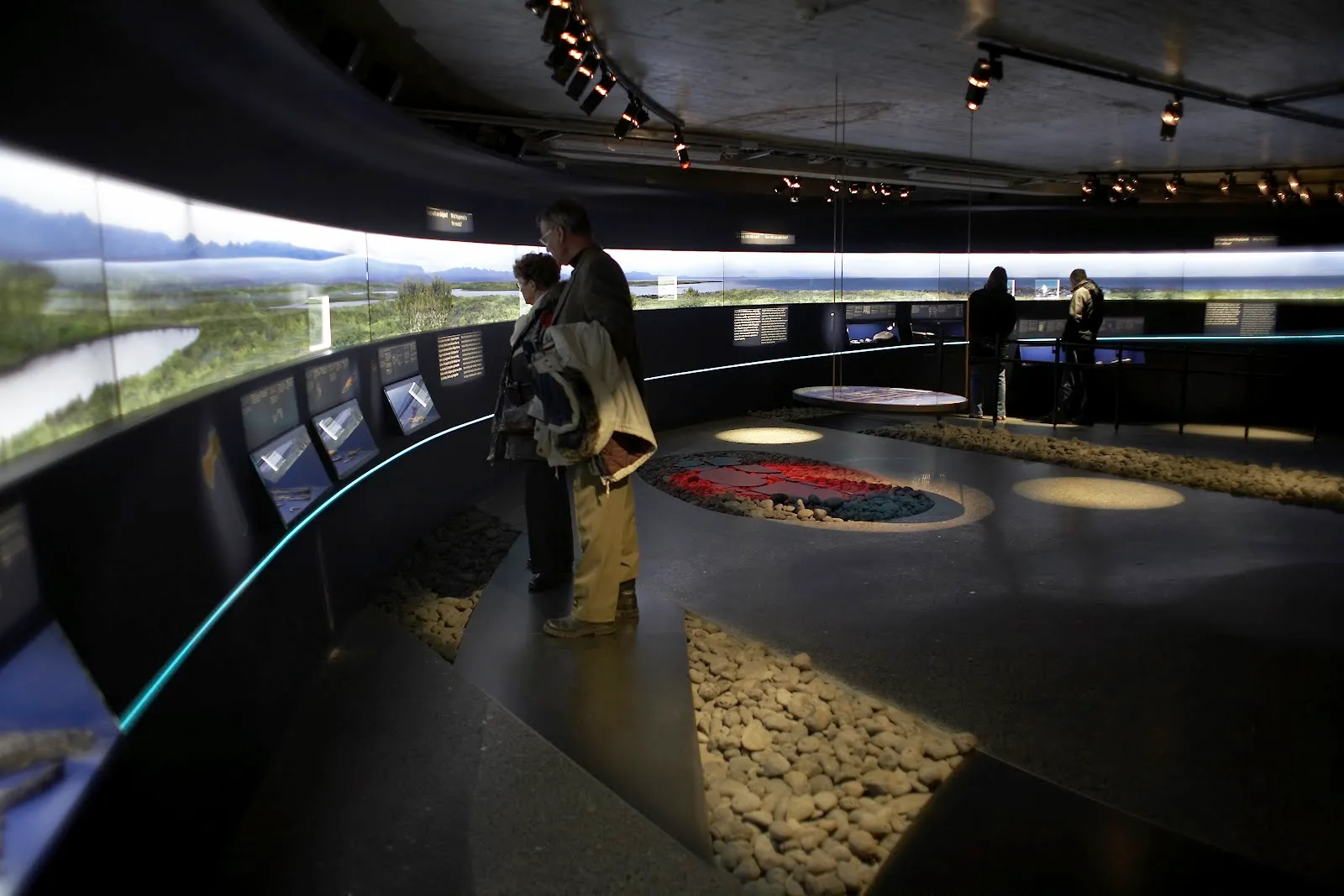
The objects and displays help explain what the remains can tell us about life in early Iceland. Models and multimedia presentations set the longhouse within its period and introduce the customs and challenges of the people who lived there. The exhibition also covers practical work: farming, cattle-raising, fishing and hunting.
Some of the archaeological material comes from other excavations in central Reykjavík, giving the exhibition a wider view of the settlement than the hall alone. Objects and reconstructions help connect those finds with daily routines and building methods. The museum also explains the work of excavation and preservation, including how researchers interpret the site.
A layer of volcanic ash over the remains is thought to date from the late 10th century. Fine volcanic deposits have also helped researchers date nearby archaeological evidence; one account links an older layer to an eruption around 870. These layers are part of the evidence used to understand the site’s age, rather than simply a backdrop to the display.
A broader view of Reykjavík’s history
The Settlement Exhibition is run by Reykjavík City Museum and focuses on the city’s early history. Its archaeological displays concentrate on the settlement period, while the wider story of Reykjavík continues nearby at Aðalstræti 10, the city’s oldest surviving wooden building. That building presents photographs and objects tracing the capital’s development.
Together, the excavated hall and the later material at Aðalstræti 10 connect the beginnings of settlement with the growth of the city. The exhibition itself remains focused on the archaeological site: its preserved structures, finds from central Reykjavík and explanations of how people lived and worked. It is a useful stop for understanding the physical evidence beneath the modern streets, especially if you want to go beyond accounts of Viking-era conflict and learn about everyday life.
Häufige Fragen
Where is The Settlement Exhibition?
It is at Aðalstræti 16 in central Reykjavík, just off Ingólfstorg Square.
What can you see at The Settlement Exhibition?
The main display surrounds the excavated remains of a Viking-age hall. You can also see archaeological finds, models, multimedia displays and a fragment of an older wall.
What does the name Reykjavík 871±2 mean?
It refers to the approximate date, 871 plus or minus two years, assigned to the oldest settlement evidence at the site.
Is entry included with the Reykjavík City Card?
The exhibition is reported as included with the Reykjavík City Card.