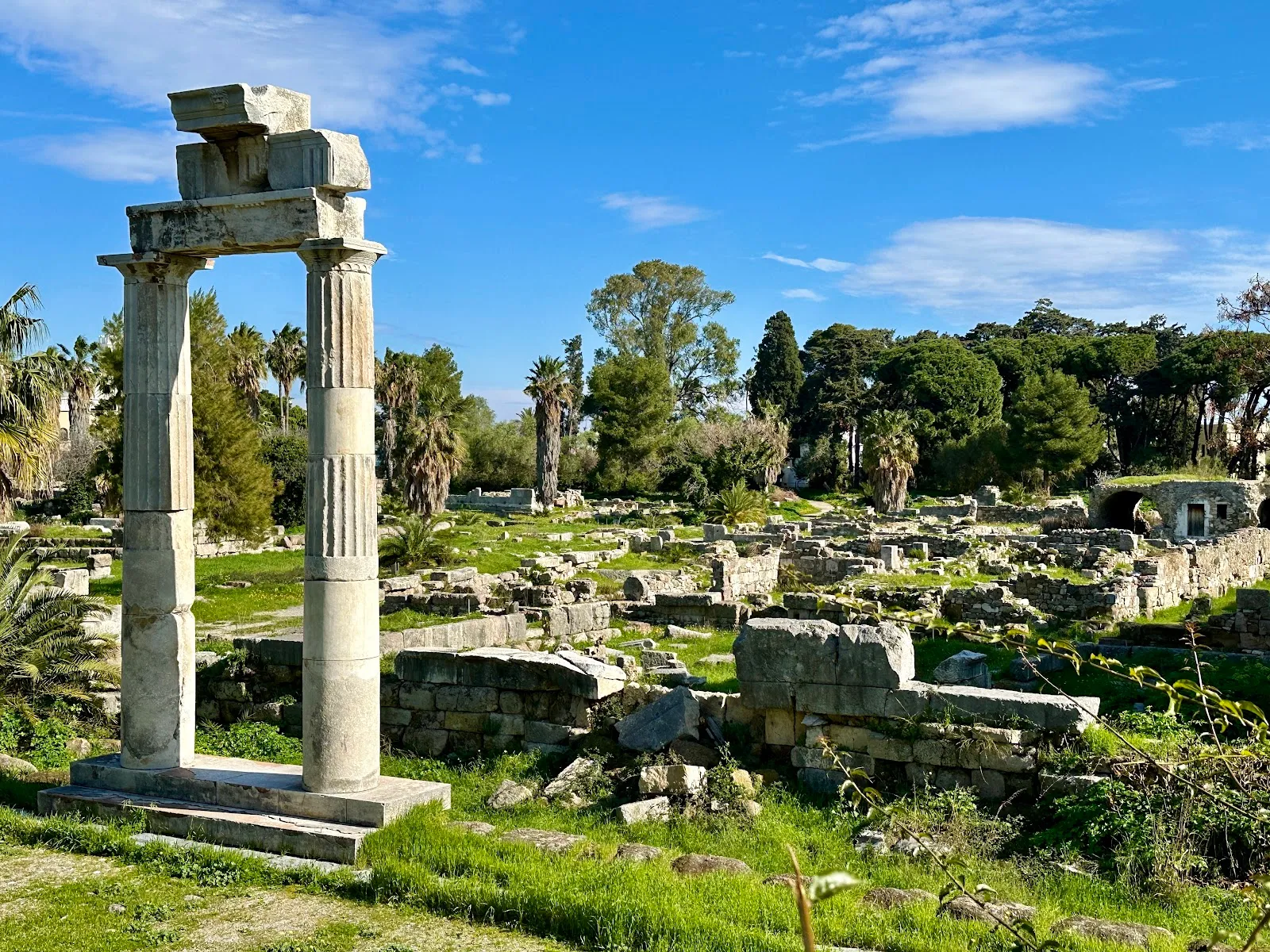
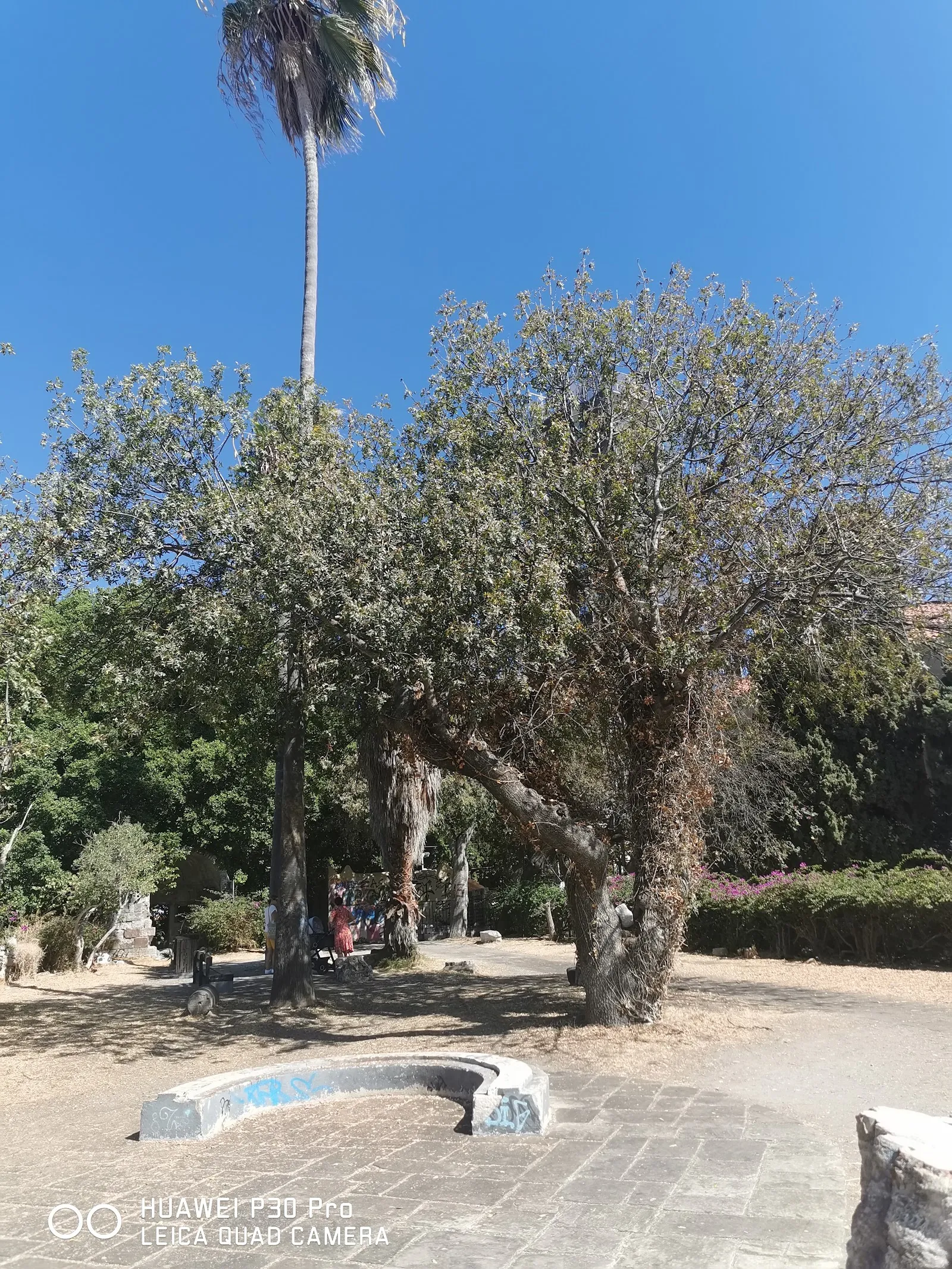
Casa Romana is a restored Roman villa in Kos Town, built over an earlier Hellenistic home. Its rooms and courtyards give a sense of the scale of an affluent residence, while floor mosaics, wall decoration, statues and household finds offer details to look for as you walk through. Information panels explain the different sections and help distinguish ancient remains from reconstructed parts. Pair the visit with the garden and nearby Roman Odeon for a closer look at Kos Town’s Roman-era remains.
A Roman home on Hellenistic foundations
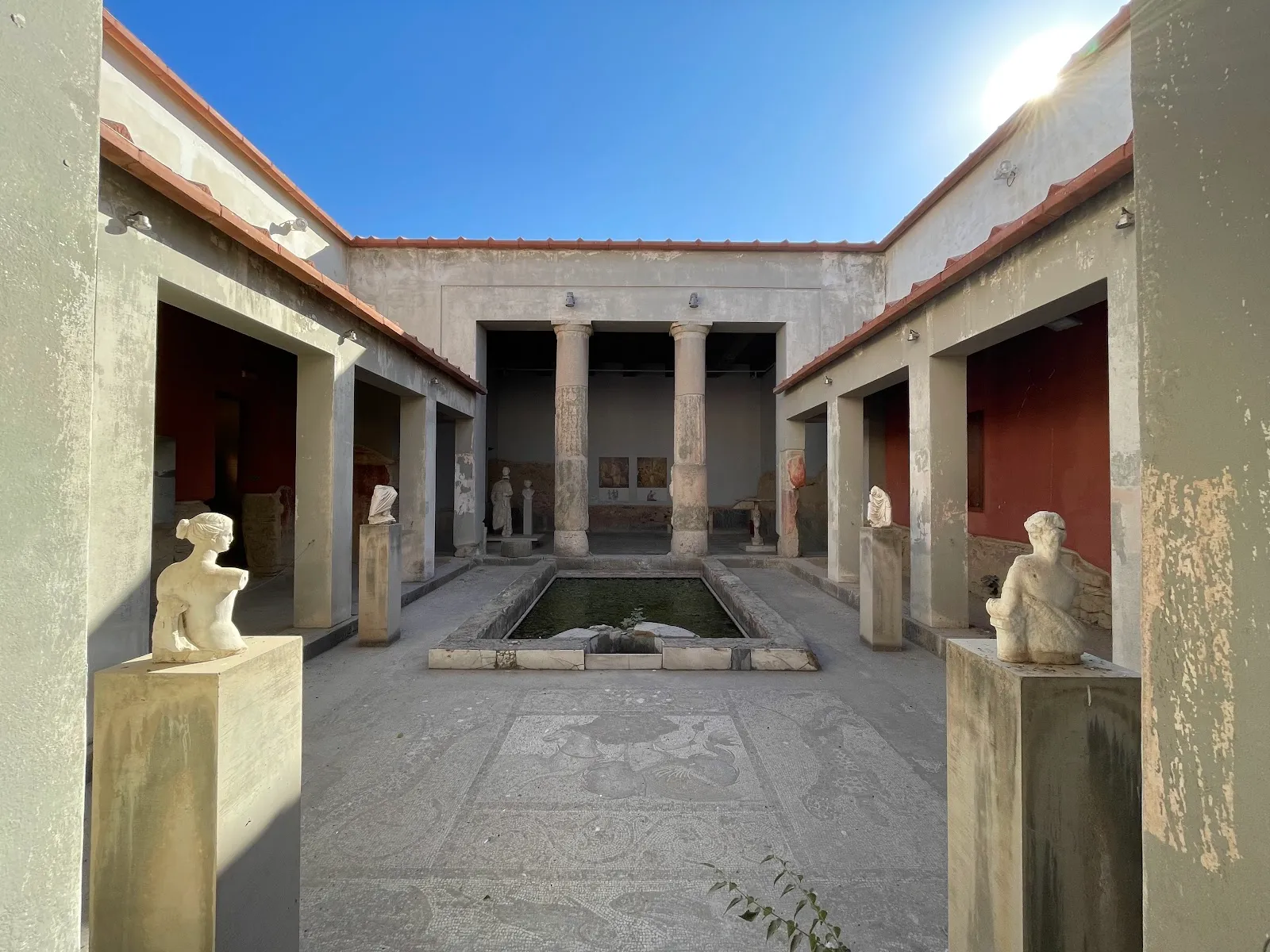
Casa Romana was built over an earlier Hellenistic residence in the southern part of ancient Kos. The villa dates to the Roman Imperial period, with accounts placing its construction in the 2nd century AD and later changes in the 3rd century. Its original owners are unknown, but the size and decoration point to a prosperous household.
The house was uncovered after the 1933 earthquake, which severely damaged Kos Town. Excavations carried out during the Italian administration brought ancient structures to light as the town was rebuilt. The villa was later restored, with much of the work on its decoration dating to the 1940s. The restoration makes a distinction between surviving remains and rebuilt sections, so the present layout can help explain the original house without implying that every wall is ancient.
Courtyards, rooms and decoration
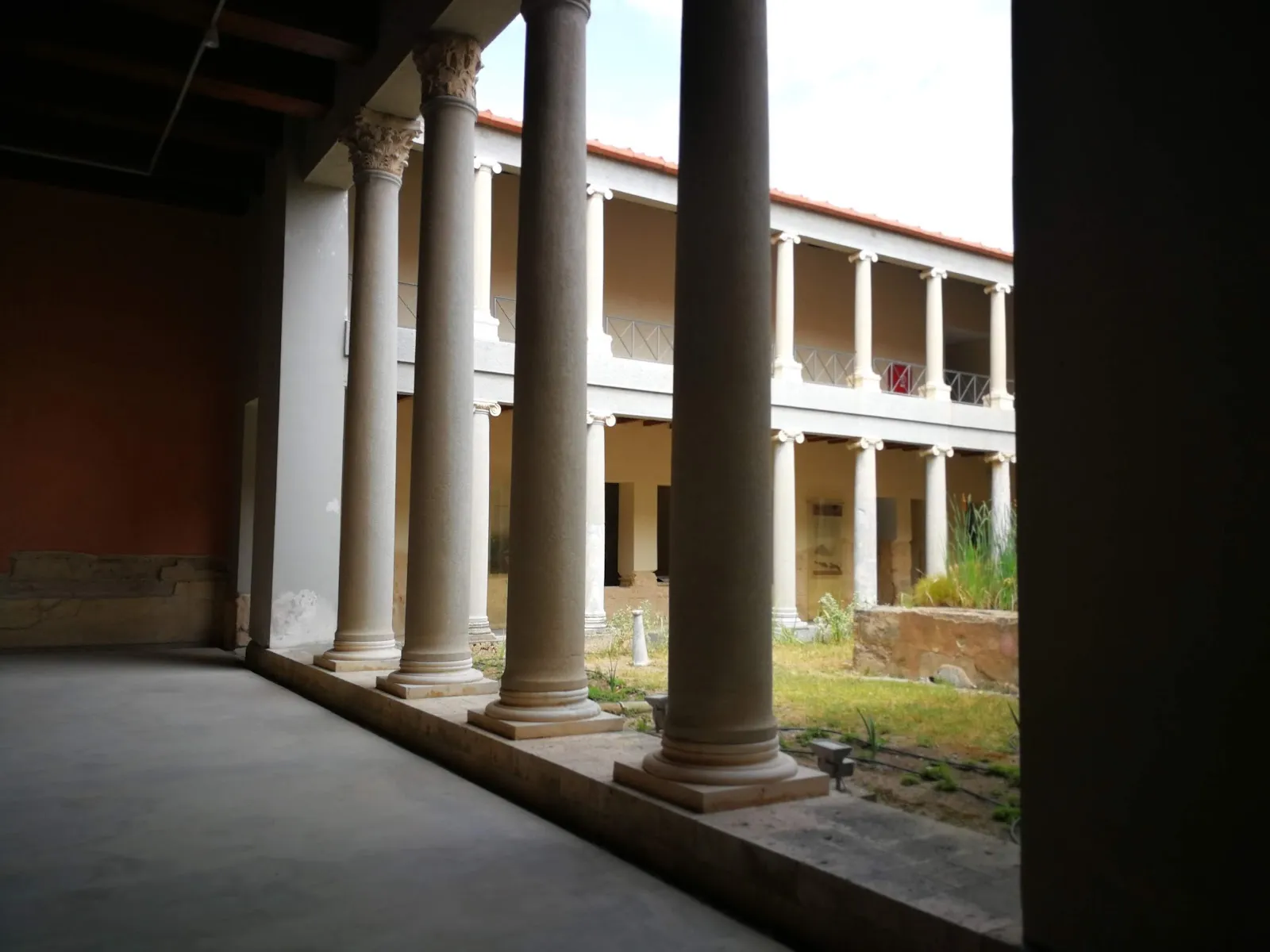
The villa is commonly described as having 36 rooms arranged around three open areas: two peristyles and a smaller atrium. Columns frame the courtyards, which help make the scale of the residence easier to grasp. The layout gives visitors a sense of how rooms and outdoor spaces were connected in a wealthy Roman home.
Look down as well as around. The mosaics include animal and marine imagery, with descriptions identifying creatures such as dolphins and large cats. Wall paintings and frescoes survive in places, alongside marble details and other decorative elements. Statues associated with figures including Athena, nymphs and Asclepius are among the finds displayed at the house. Amphorae and coins provide further examples of objects linked to ancient life on Kos.
Some of the decoration and architectural details belong to later phases of the building, rather than its earliest form. The villa’s foundations reach back to the Hellenistic period, while the Roman house was altered over time. Reading the panels as you move through the rooms helps place the visible remains in that sequence.
Understanding the site as you walk through
Information panels identify parts of the house and explain its domestic setting in Greek and English. They are useful for following the layout and interpreting the mosaics, wall decoration and objects, especially where reconstruction has restored the building’s volume. Take time to compare the panels with the remains in front of you; the difference between ancient fabric and restored work is part of understanding the site.
Casa Romana sits near the Roman Odeon and other archaeological remains in Kos Town. The villa’s garden is another part of the visit, and the nearby Odeon makes a natural addition if you have time to explore more of the Roman city. The house is a focused stop for visitors interested in ancient domestic architecture and material culture, rather than a broad museum collection covering every period of the island’s history.
Häufige Fragen
Where is Casa Romana?
It is on Leofóros Grigoríou E' in Kos Town, near the Roman Odeon.
What can you see inside Casa Romana?
The restored villa has courtyards, mosaics, wall decoration, statues and other archaeological objects. Information panels explain the rooms and remains.
How old is Casa Romana?
The villa was built during the Roman Imperial period, with its main construction dated to the 2nd century AD and later alterations. It stands on the foundations of an earlier Hellenistic home.
Is Casa Romana closed on any day?
The listed weekly schedule shows it closed on Tuesday. Check current arrangements before visiting, as opening details can change.