
On Prinzregentenstraße in Munich, the Bavarian National Museum traces European and Bavarian art and cultural history through objects from the Middle Ages to Art Nouveau. Its collections include medieval sculpture, Nymphenburg porcelain, furniture, folk art and finely carved ivory. Look out for the nativity scenes in the basement, a major highlight, and notice how the rooms’ ceilings and floors shift with the periods on display. The museum’s grand historic building is part of the visit, with halls and staircases that reward a slower look.
A museum for art and everyday history
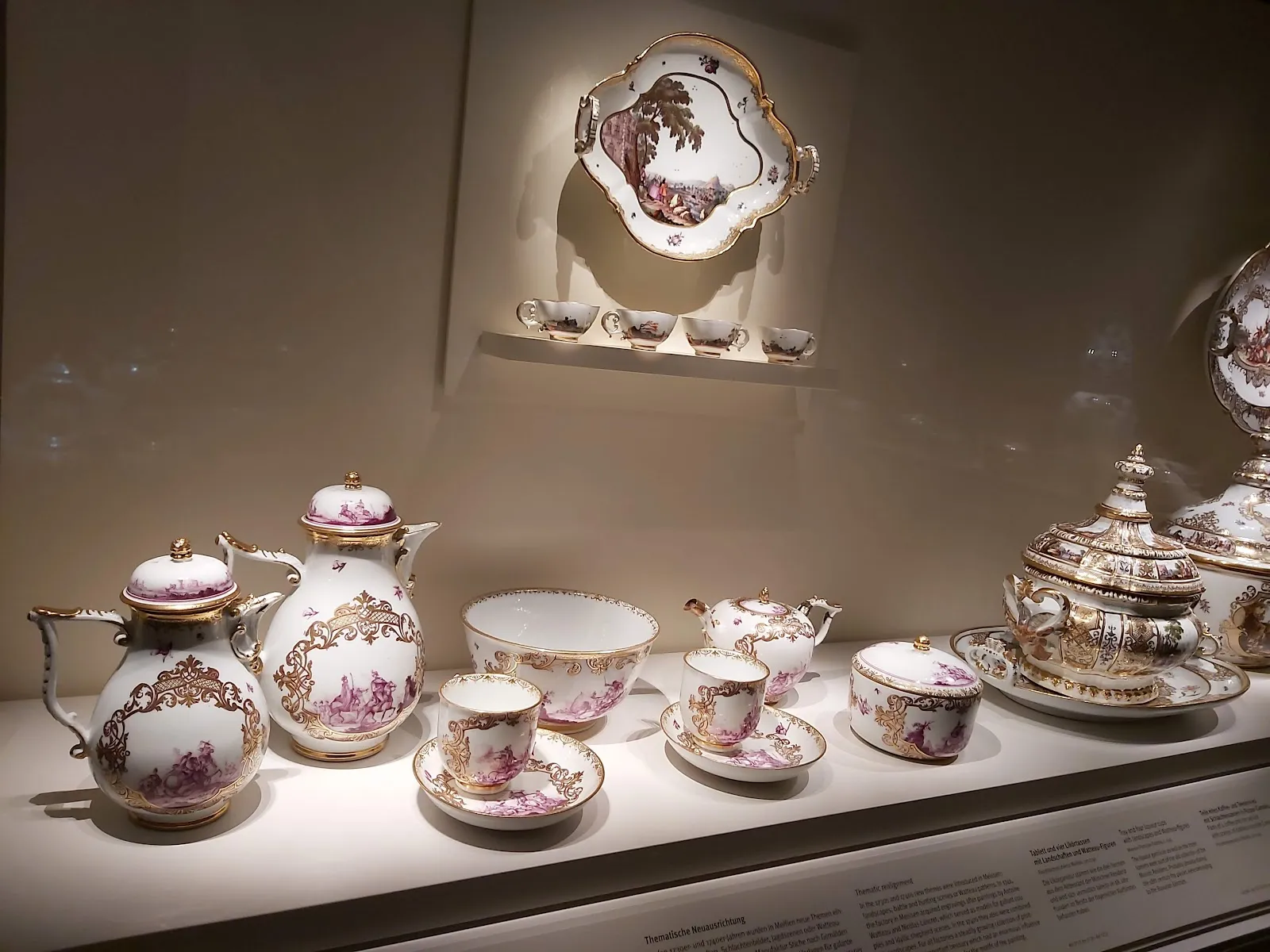
King Maximilian II of Bavaria founded the museum in 1855 to preserve and present art and cultural history. Its collections bring together objects associated with Bavaria and wider European craftsmanship, spanning from the Middle Ages to Art Nouveau. The displays include sculpture, furniture, ceramics, tapestries, weapons, musical instruments and folk culture.
Rather than focusing on paintings alone, the museum gives space to objects made and used across different periods. Decorative arts help tell the story of changing materials, skills and tastes. The collection also draws on the holdings of the Wittelsbach dynasty, the Bavarian royal family.
Rooms shaped around their collections
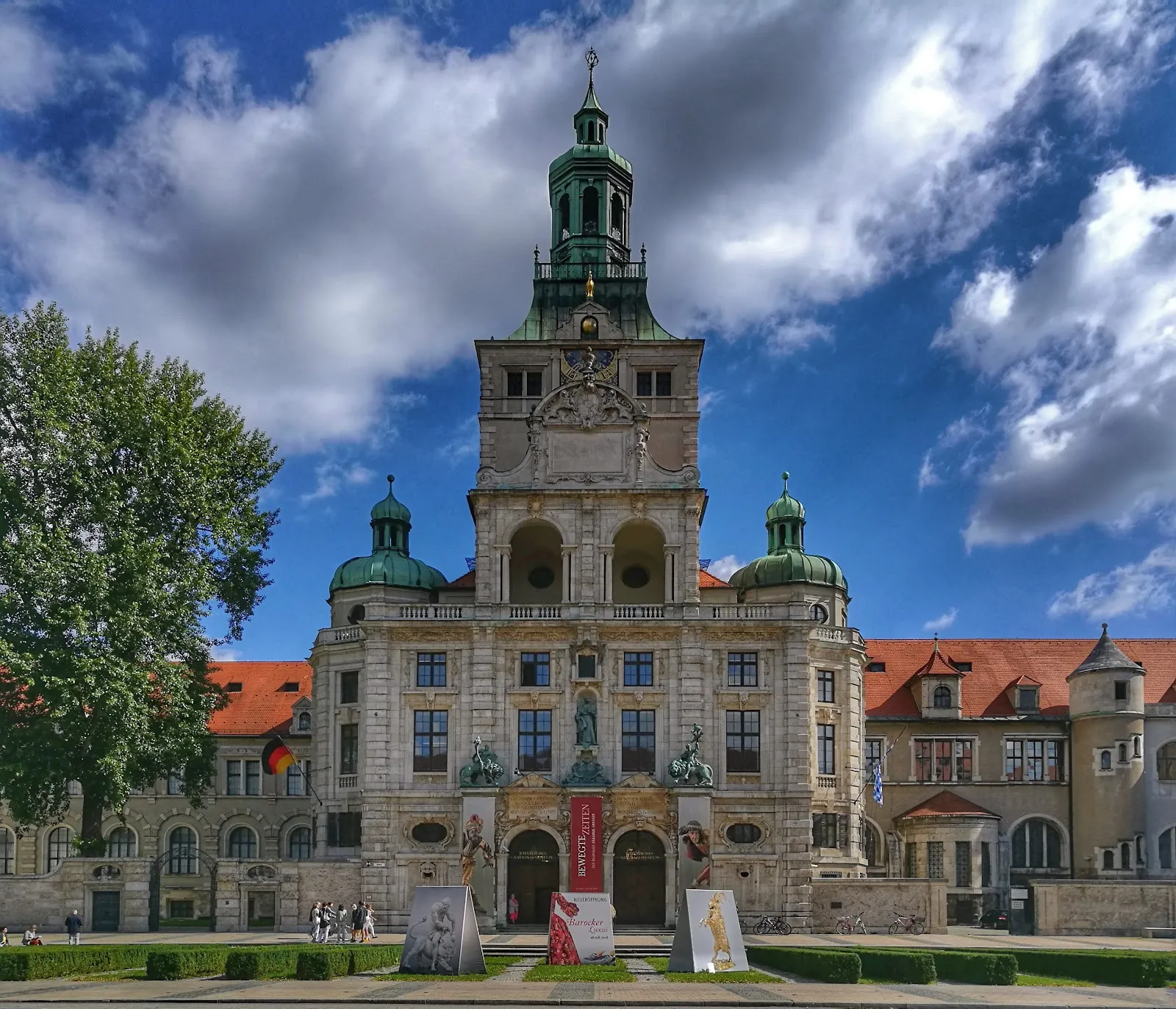
The museum stands at Prinzregentenstraße 3 in a building designed by Gabriel von Seidl and built between 1894 and 1900. Its architecture draws on several historical styles. The overall impression is German Renaissance, while parts of the east and west wings use Romanesque, Baroque and Rococo elements.
Inside, the rooms are arranged to suit the objects and periods they contain. Look beyond the display cases: ceilings and floors change as you move through the building, adding architectural context to the collections. The halls, vaulted spaces and marble staircases are among the details to take in along the way.
Collections to look for
The late-medieval sculpture collection includes works by Tilman Riemenschneider, and the museum also displays Nymphenburg porcelain. Carved ivory is another rewarding section, with small, intricate works that invite a closer look. Collections of furniture and folk culture add different perspectives on art and daily life.
The nativity scenes are housed in the basement. Their detailed figures and settings make this collection a distinctive part of the visit. If you are planning your route, leave time for it rather than treating the lower level as an afterthought.
The museum’s collection is extensive, so a quick circuit will not cover everything. Starting on the upper floors helps you follow the changing periods and design traditions through the displays. Give yourself time to pause over the details, especially where the room’s decoration echoes the objects around it.
Häufige Fragen
How long should I spend at the Bavarian National Museum?
Allow about two to three hours. The collection is extensive, with displays across multiple floors.
What are the museum’s main highlights?
Look for late-medieval sculpture, Nymphenburg porcelain, carved ivory and the nativity scene collection in the basement.
Is admission €1 on Sundays?
The supplied visitor information lists Sunday admission at €1. Check the museum’s current entry information before your visit.
When is the museum closed?
It is closed on Mondays. It stays open later on Thursdays than on other listed days.


