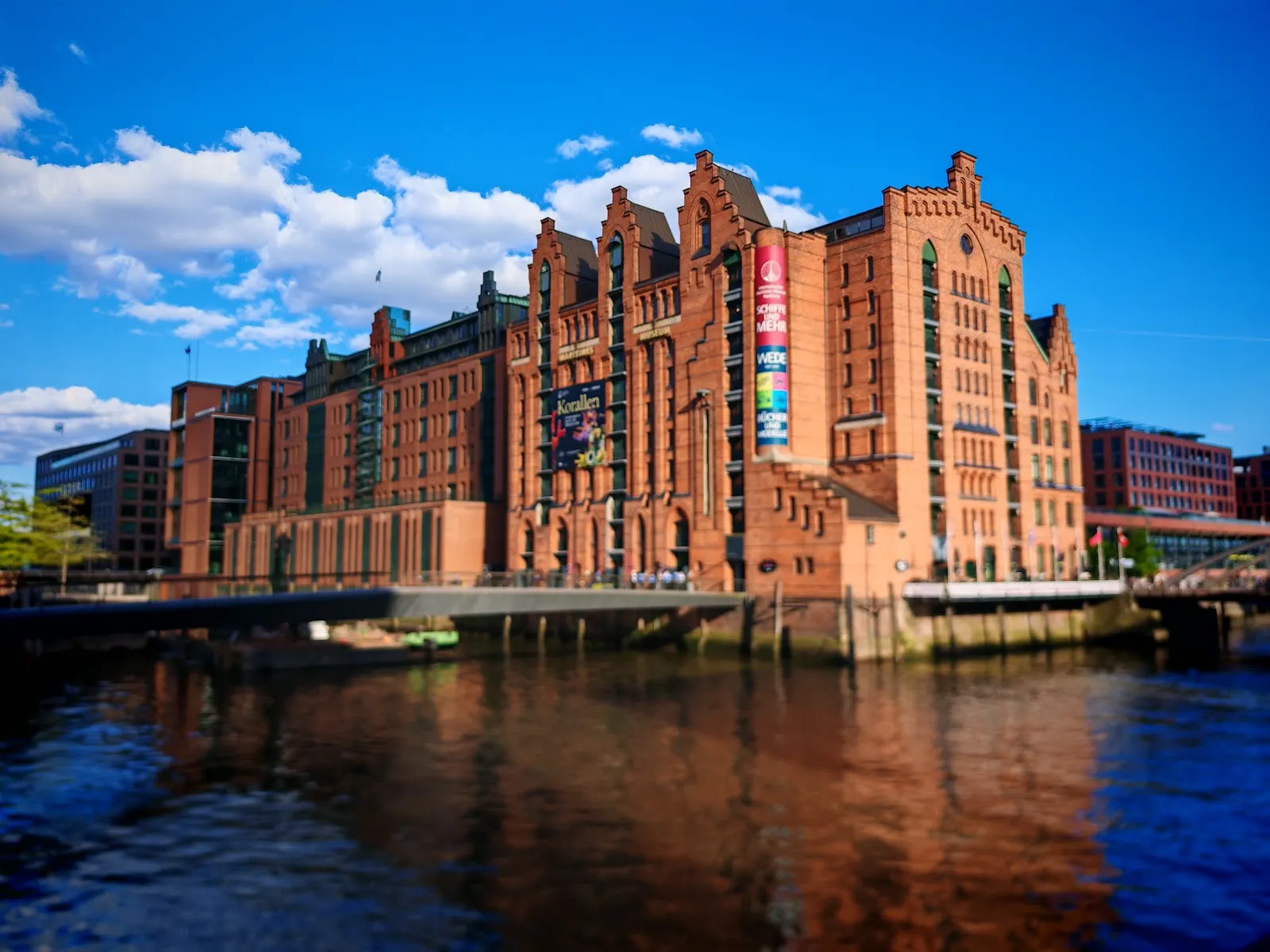
The International Maritime Museum occupies Kaispeicher B, a historic warehouse in Hamburg’s HafenCity, and traces seafaring across more than 3,000 years. Its nine exhibition floors bring together ship models, navigation instruments, uniforms, maritime art and other objects from Peter Tamm’s collection. Look for the large LEGO model of the Queen Mary 2, then explore how navigation changed from the age of Columbus and Magellan to GPS. Interactive exhibits add variety, and English explanations help you follow the displays. Set aside at least three to four hours for a visit.
A maritime collection in Kaispeicher B
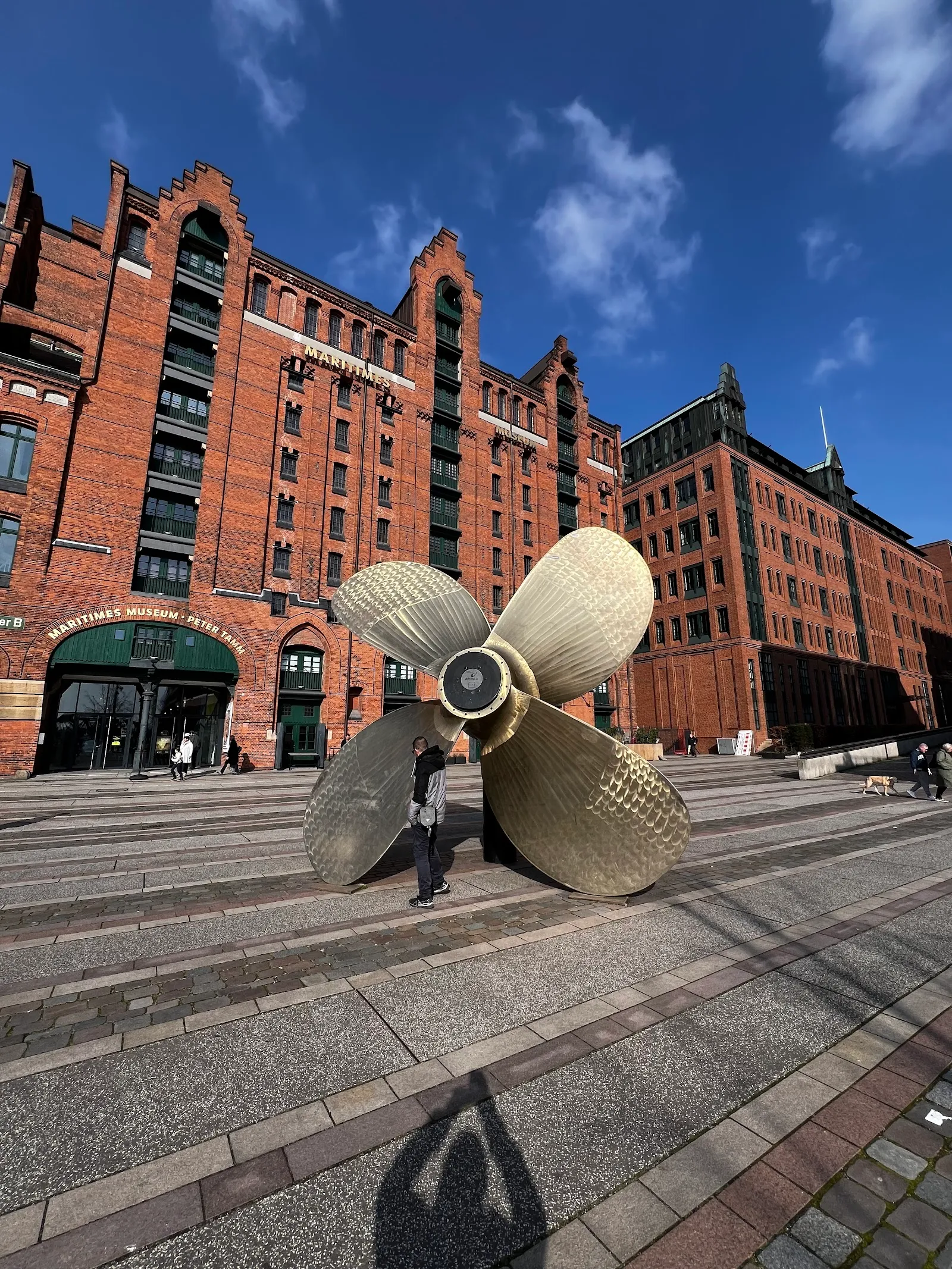
The museum is housed in Kaispeicher B, a historic brick warehouse in HafenCity. The building was used for a collection begun by Peter Tamm, who started gathering maritime objects as a child. The museum opened in 2008, bringing together ship models, construction plans, uniforms, maritime artworks, photographs and other items connected with life at sea.
The collection spans more than 3,000 years of human engagement with the water. Its objects cover navigation, shipping, trade and naval history, linking Hamburg’s port heritage with wider stories of seafaring. A dugout boat recovered from the Elbe is among the oldest objects mentioned in the museum’s collection.
How the exhibition floors are arranged
The museum is laid out across nine exhibition decks, each with a different theme. Starting at the top and working down is a practical way to follow the displays. The floors move between subjects rather than presenting one continuous line of ship models, so there is room to focus on the parts that interest you most.
On Deck 1, “Voyages of Discovery” follows navigation from the time of Columbus and Magellan to modern GPS. Deck 4, “Serving on Board,” includes uniforms, weapons, medals and insignia. Maritime art has its own place on Deck 8, with works spanning more than four centuries. The changing subjects make it easier to balance technical displays with objects showing the people, images and customs connected with seafaring.
Ship models and interactive displays
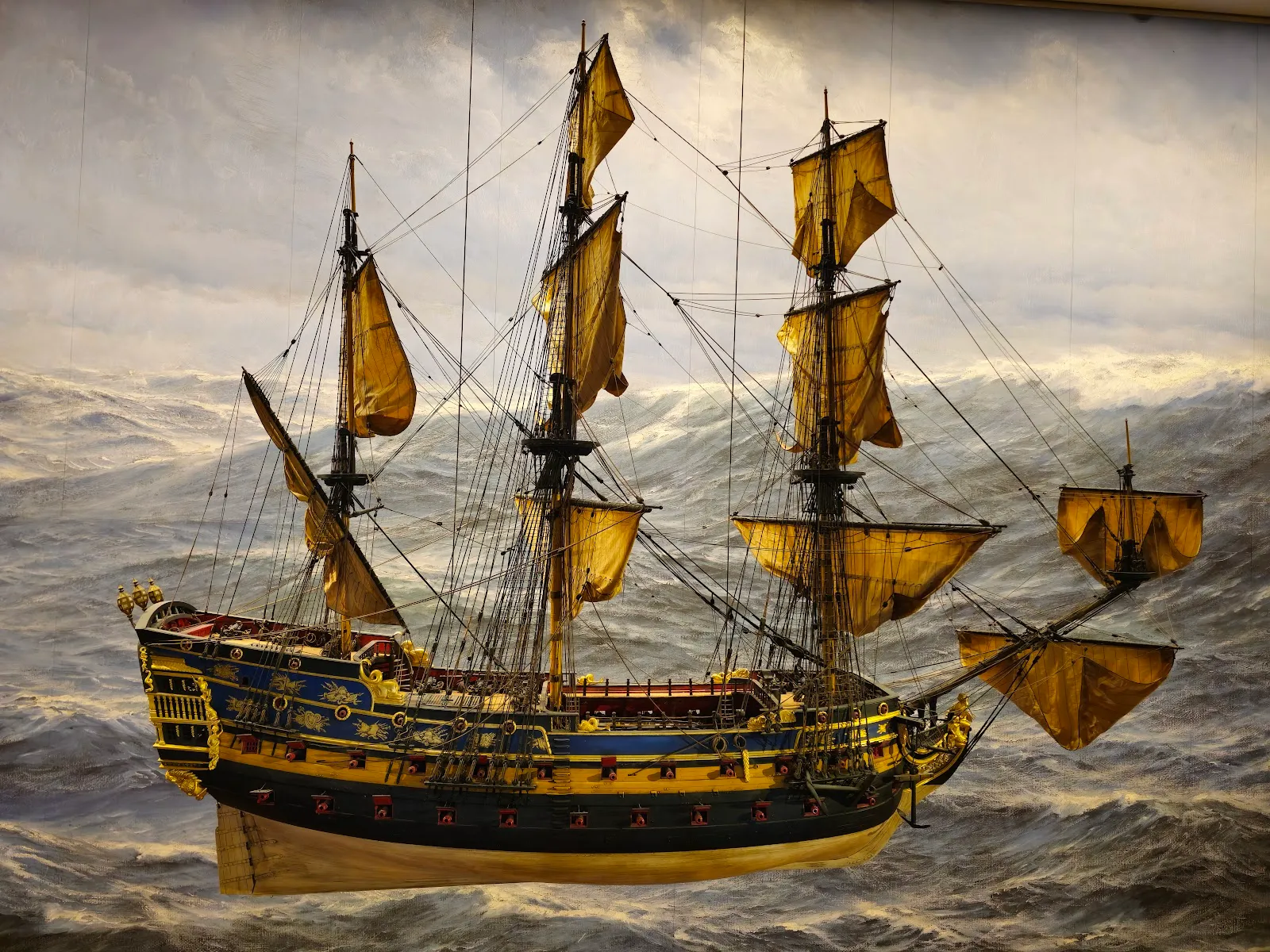
Models are a major part of the collection, from small vessels to the large LEGO Queen Mary 2. The model is made with almost one million LEGO pieces. You will also find navigational instruments, shipbuilding plans, paintings and objects from different periods of maritime history.
Interactive exhibits give you a chance to engage with shipping beyond the display cases. One lets visitors steer a container ship using a cockpit simulator. The museum is suitable for families, though children particularly interested in ships, sailing or naval history are likely to get the most from the many models and historical objects. English translations on exhibits help English-speaking visitors follow the displays.
Planning your visit
The scale of the museum means a quick look through the galleries will leave much unseen. Allow at least three to four hours, and longer if you want to explore each deck at length. Starting upstairs and making your way down gives the visit a clear route through the building.
Lockers are available for coats and belongings. The ground-floor cafe provides a place to pause during a long visit. If you are deciding whether to go, consider how much you enjoy detailed ship models and maritime history: the collection is extensive, but many of its displays focus closely on ships and related objects.
Häufige Fragen
How long should you spend at the International Maritime Museum Hamburg?
Allow at least three to four hours to explore the nine exhibition floors. You may want longer to take in the collection at a slower pace.
What can you see at the International Maritime Museum?
The collection includes ship models, navigation instruments, uniforms, maritime art, construction plans and other objects spanning more than 3,000 years of seafaring. The LEGO model of the Queen Mary 2 is a notable display.
Is there an interactive exhibit at the museum?
Yes. One exhibit lets visitors steer a container ship in a cockpit simulator.
Are there English explanations in the museum?
English translations are provided on exhibits.


