At Museum für Naturkunde on Invalidenstraße in Berlin, dinosaur skeletons share the galleries with fossils, minerals, taxidermy and specimens from the natural world. The central hall’s 13.27-metre sauropod is the tallest displayed dinosaur skeleton in the world, while the Archaeopteryx fossil offers a glimpse of an early bird. You can also explore exhibits on evolution, the solar system and biodiversity, plus an area for looking at specimens under a microscope. Plan around two hours if you want time for several collections.
The dinosaur hall
The central hall is home to the museum’s most striking large-scale display: a sauropod skeleton that stands 13.27 metres tall. Almost all of its bones came from one animal, found in Tanzania in the early 20th century. This towering mount gives the dinosaur galleries their focal point and helps explain why the museum draws visitors interested in prehistoric life.
Other dinosaur highlights include a Tyrannosaurus rex skeleton and fossils from across the ages. The museum also displays an Archaeopteryx fossil, a rare specimen of an early bird. Together, these exhibits trace different forms of ancient life through bones and fossils rather than relying only on explanatory panels.
More than dinosaurs
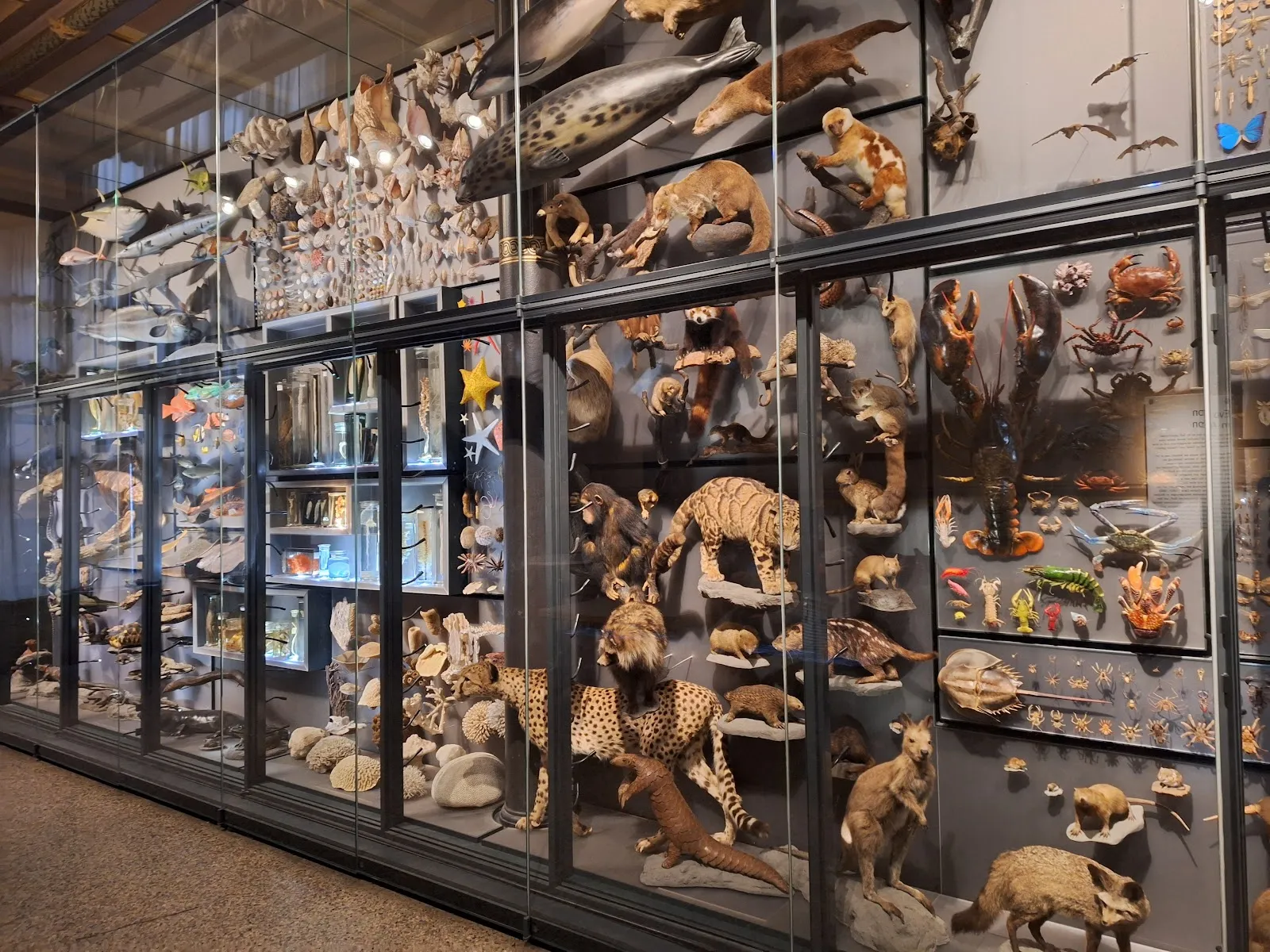
The museum’s collections cover geology, paleontology and zoology, with more than 30 million objects held across its research and exhibition collections. In the galleries, you can move from fossils and minerals to zoological specimens and taxidermy. A display on how taxidermy is prepared looks at the work behind preserved animal exhibits, while the zoological collections include specimens preserved in liquid.
Look out for the displays devoted to the cosmos and solar system, evolution, biodiversity and domestic animals. The mineral room gathers colourful specimens, and the bird collection includes historic examples dating back to the 18th and 19th centuries. Knut, the polar bear once associated with Berlin Zoo, is among the animals represented in the museum’s taxidermy collection.
A museum and a research collection
The Museum für Naturkunde is also a research institution. Its collections support scientific study, so the objects on display are part of a much larger body of material used by researchers. Displays can be densely arranged, with many specimens gathered together in a single case. An exploration area lets visitors examine specimens, including insects, through a microscope.
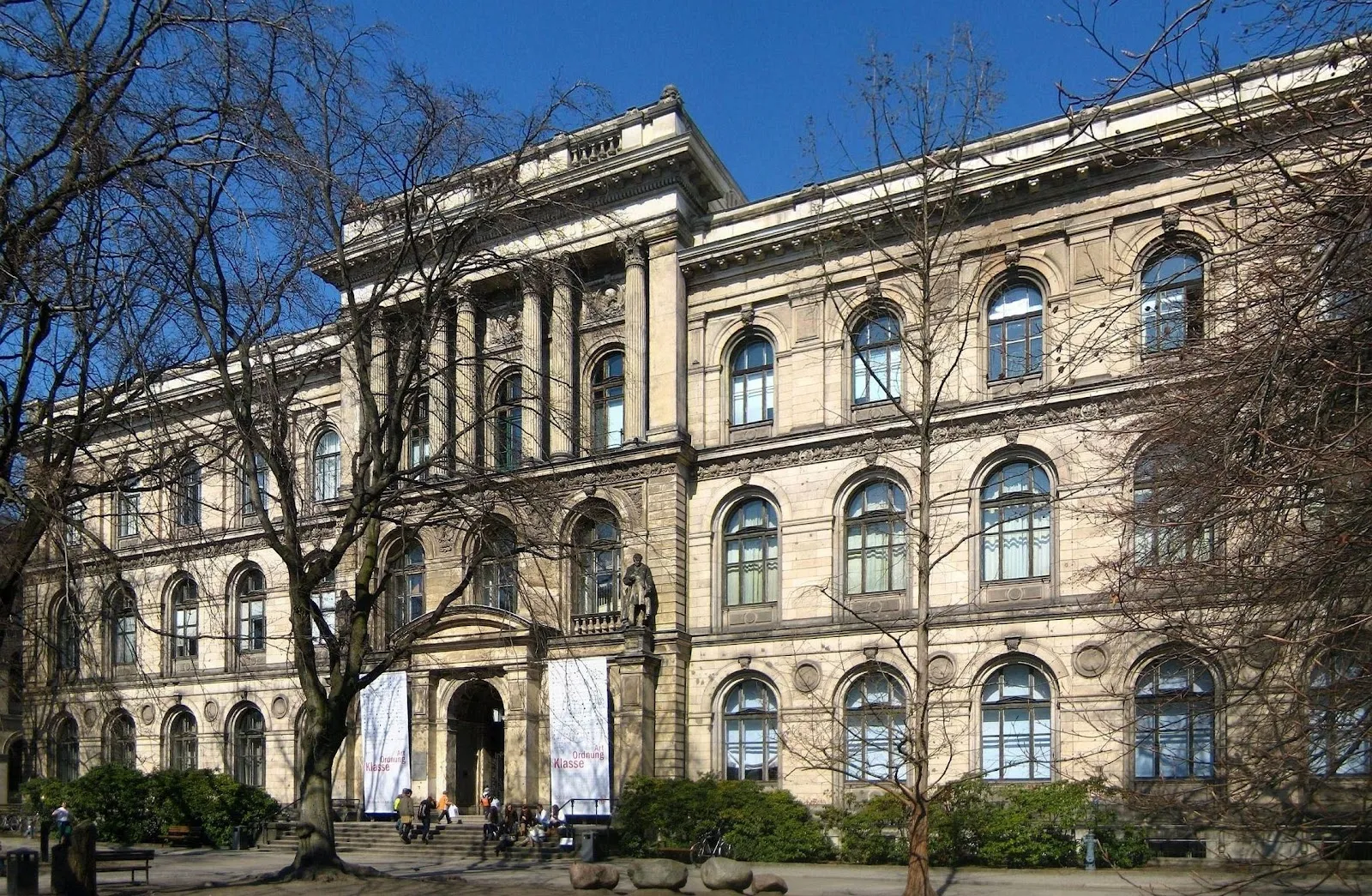
The museum opened its building on Invalidenstraße in 1889. The eastern section was badly damaged during the Second World War, and permanent exhibitions were restored between 1950 and 1989. Its galleries continue to develop, so the displays available during a visit can change as work proceeds. Check the museum’s current information before setting out if there is a particular section you want to see.
Häufige Fragen
How long should I plan for the Museum für Naturkunde?
Allow about 1.5 to 2 hours to explore several collections. You may want longer if you plan to spend time in the dinosaur galleries and other exhibitions.
What are the museum’s main highlights?
The central hall has a 13.27-metre sauropod skeleton. Other highlights include a Tyrannosaurus rex, the Archaeopteryx fossil, minerals, taxidermy and displays on evolution and the solar system.
Can you buy tickets online?
Yes. Booking online in advance is recommended to reduce time waiting in line; queues can form outside.
Are there English translations in the exhibits?
Some exhibits may not have English text. Bring an English guide or a translation app if you want help with those displays.