
The Centre d’Histoire de la Résistance et de la Déportation in Lyon’s 7th arrondissement examines the city and France under Nazi occupation. It is housed in the former military medical school used as the Gestapo headquarters in Lyon. Photographs, documents, objects and personal accounts trace the Resistance, deportation and the war’s effects on local people. Rooms arranged to evoke wartime France add context, while films include testimony from Klaus Barbie’s trial. English-speaking visitors can borrow an English information binder or rent an audio guide.
A former Gestapo headquarters
The museum occupies a former military medical school that the Gestapo used as its Lyon headquarters during World War II. The building’s history gives the visit a direct connection to the occupation and the persecution of Resistance members in the city. Klaus Barbie, head of the Gestapo in Lyon, was tried for wartime crimes; the museum includes film testimony from that trial.
Lyon’s wartime story includes both collaboration and resistance. The exhibitions place local events within the wider history of occupied France, while documenting how deportation affected people in the city.
Objects, documents and personal accounts
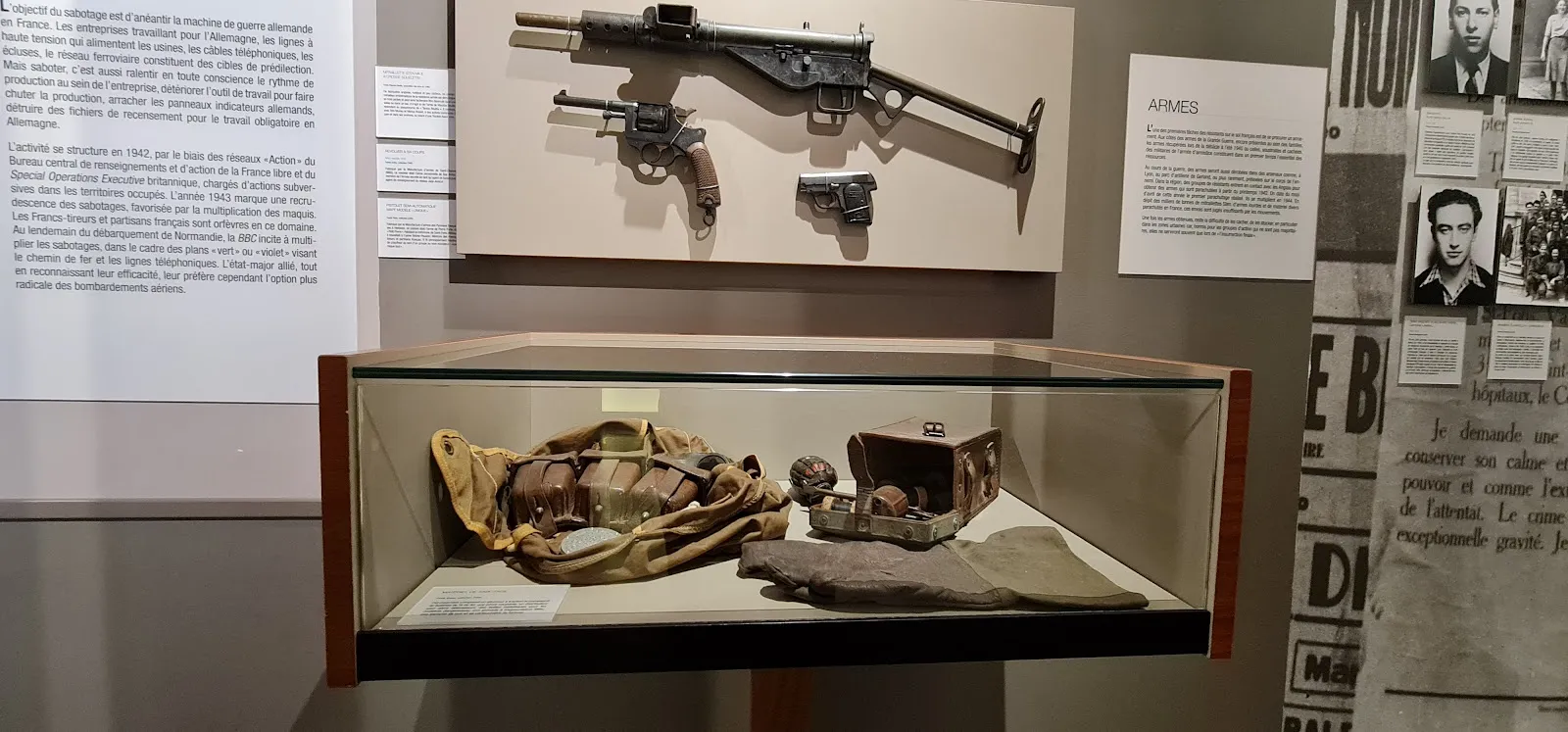
The permanent exhibition uses photographs, documents, objects and individual stories to explain the Resistance and deportations. It covers the Nazi occupation, the development of resistance movements and the experiences of people caught up in the war. The material also addresses the persecution and deportation of Jews and other groups.
Personal accounts give the history a human scale. Films and recorded testimony add voices to the written and visual records, and rooms decorated to evoke wartime France help set the scene. Some visitors find the museum’s presentation formal, but its varied material offers several ways to engage with the history.
Films and temporary exhibitions
Films form an important part of the visit. One 40-minute film presents witnesses testifying at Klaus Barbie’s trial, and other documentaries provide historical context. Set aside time for the screenings if you want to follow these accounts in full.
Temporary exhibitions bring narrower subjects into focus. Past displays have examined children’s toys and games during the war years, with black-and-white films accompanying the objects. The changing programme means the temporary galleries can add a different perspective from the permanent exhibition.
Understanding the exhibits in English
Exhibit signage is in French, but an English-language information binder is available to borrow. An English audio guide is another option for following the displays in more depth. Equipment has sometimes needed better upkeep, so the binder can be a useful alternative if an audio device is not working well.
The museum has an elevator for visitors with limited mobility, along with wheelchair-accessible access and restrooms. Its theater and garden are also part of the site.
Häufige Fragen
How long should I spend at the museum?
Plan for about two to three hours if you want to explore the permanent and temporary exhibitions and watch the films. One film about testimony at Klaus Barbie’s trial runs for 40 minutes.
Is information available in English?
The exhibit signage is in French, but you can borrow an English-language information binder or rent an English audio guide.
What is the museum about?
It examines the French Resistance, Nazi occupation and deportations during World War II, with particular attention to Lyon and personal accounts of the period.
Is the museum wheelchair accessible?
The site has an elevator, wheelchair-accessible entrance and wheelchair-accessible restroom.


