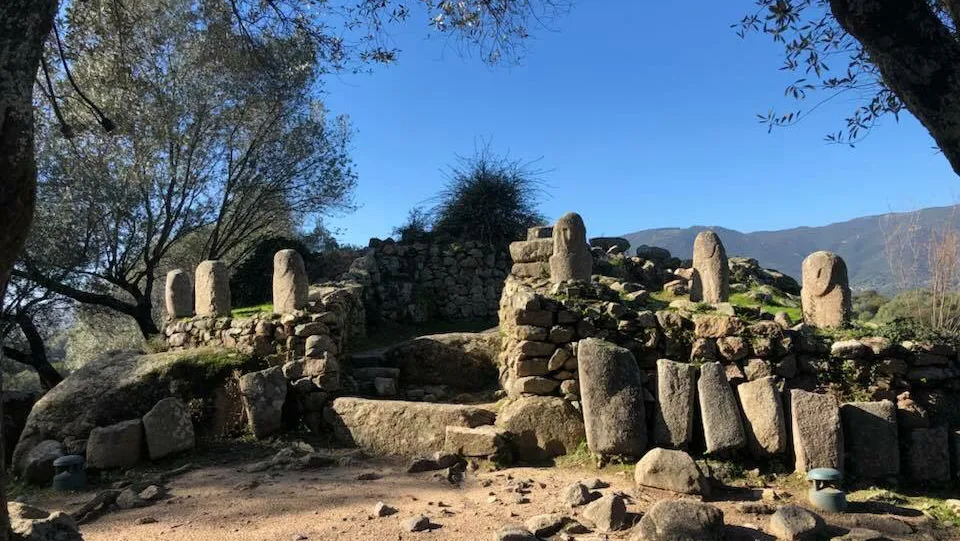
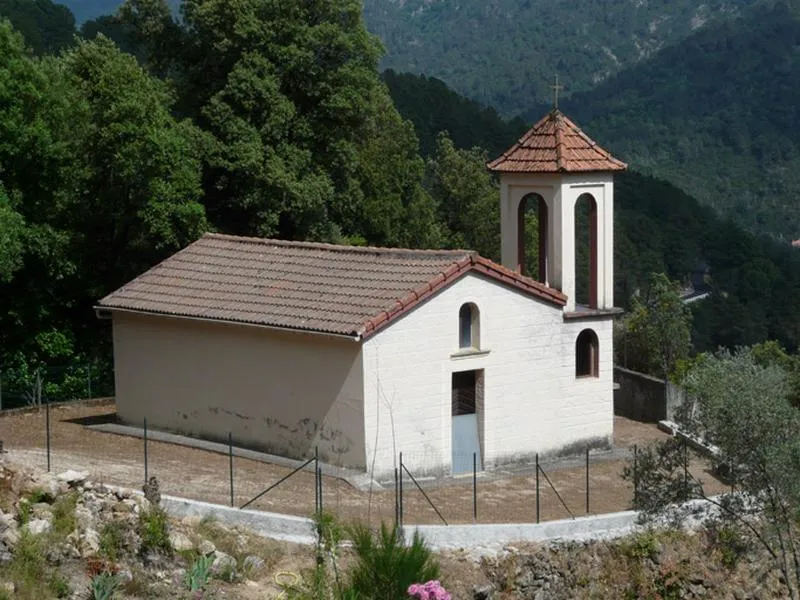
Réserve Naturelle de Scandola protects a stretch of Corsica’s western coast, where red volcanic cliffs, sea caves and offshore rock formations meet clear Mediterranean water. The reserve covers 900 hectares of land and 1,000 hectares of sea, with habitats for rare plants, marine life and birds such as ospreys. There is no road or trail access, so you explore it by boat, with departures mentioned from Porto, Calvi, Ajaccio and Galéria. A smaller boat can get closer to caves and secluded inlets; choose an operator carefully and follow the reserve’s rules.
A landscape shaped by volcanoes and erosion
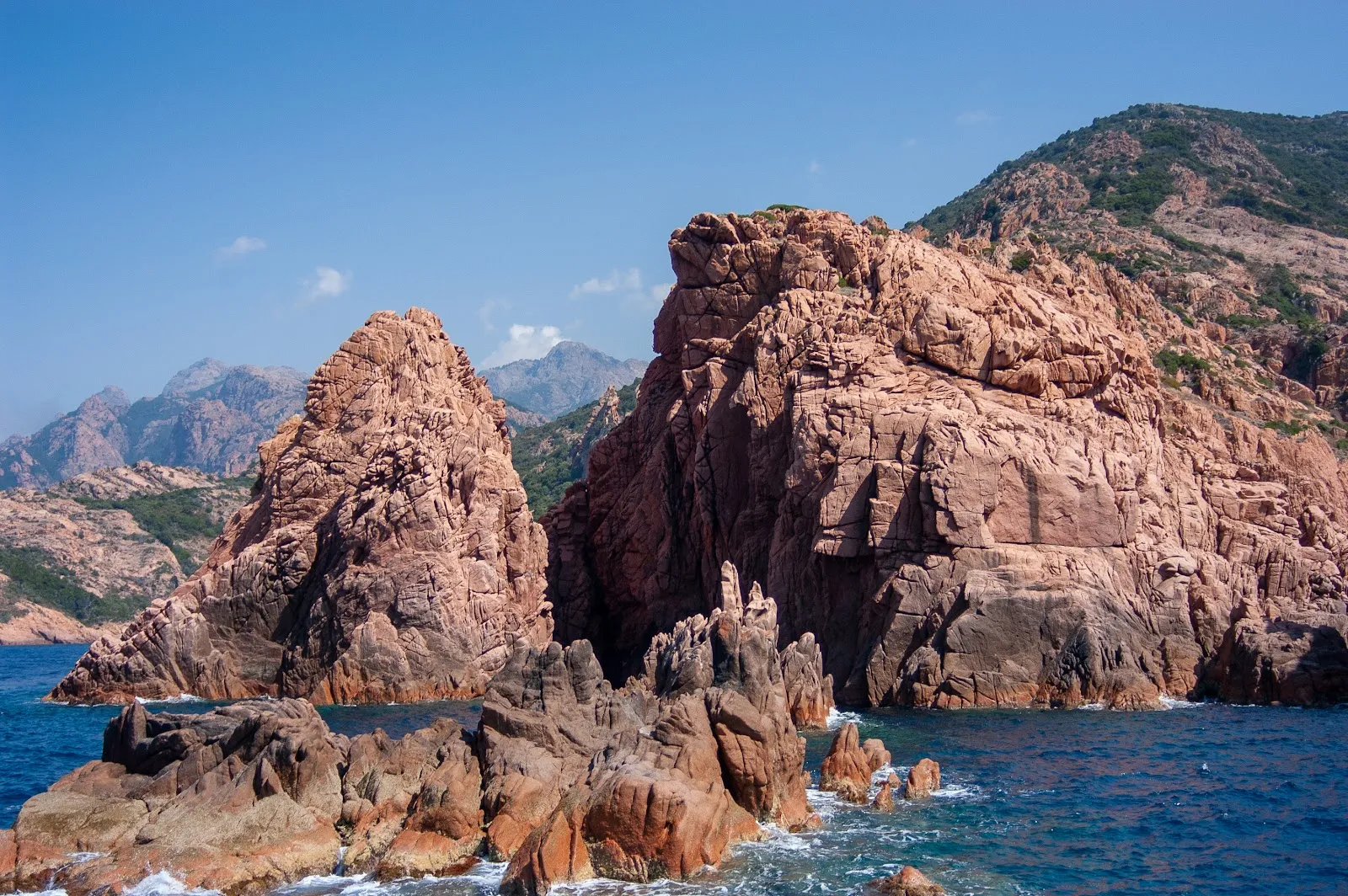
Scandola occupies a remote peninsula on Corsica’s western coast, overlooking the Gulf of Porto. The reserve covers 1,900 hectares: 900 hectares on land and 1,000 at sea. It protects both the rocky coastline and the waters below it.
The cliffs are made of red porphyry granite. Volcanic activity associated with Monte Cinto formed the rock, and later erosion carved it into clefts, caves and grottoes. From the water, the colours shift across the formations, from grey to rusty red and purple. Offshore islets and steep rock faces add to the changing outline of the coast.
Land and sea under protection
The reserve was established in 1975 to protect Corsica’s natural habitats. It was added to the UNESCO World Heritage List in 1983 as part of the Gulf of Porto area. Its protected territory includes both terrestrial and marine environments, supporting a range of wildlife and plant life.
Birds associated with the area include ospreys, cormorants and grey shearwaters. The waters are home to diverse marine life, and the red cliffs continue below the surface as underwater rock formations. The reserve’s wildlife and geology are closely linked: the same volcanic coastline that shapes the scenery also provides habitats above and below the water.
Seeing the reserve by boat
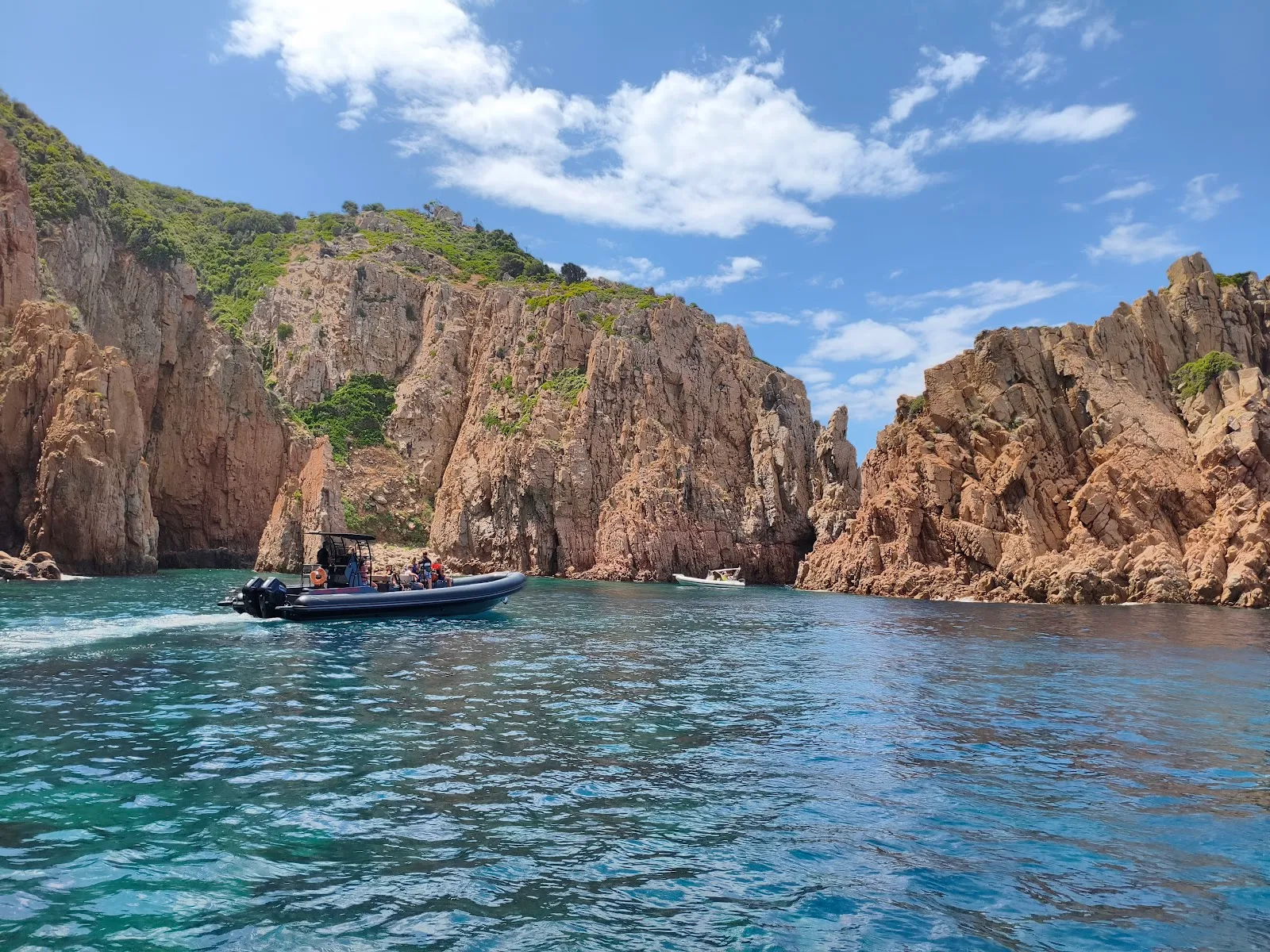
There is no road or trail access into Scandola. Boat excursions are the practical way to view the cliffs, caves and offshore formations, with trips departing from ports including Porto, Calvi, Ajaccio and Galéria. Some operators combine Scandola with the Calanques de Piana.
Boat size affects what you can reach. Smaller vessels may be able to enter caves and approach more secluded parts of the coast, while larger boats can give a broader view from offshore. Choose an operator with your priorities in mind, and check what the excursion includes before booking.
The reserve is protected, so follow its rules and leave no rubbish. Fishing is prohibited. The material also describes restrictions on activities such as walking, hunting and diving, so check the current rules with your boat operator before planning an activity in the reserve.
Häufige Fragen
Can you visit Scandola Nature Reserve by car or on foot?
No. The reserve has no road or trail access; visits are made by boat.
Where can you take a boat trip to Scandola?
Boat excursions are mentioned from Porto, Calvi, Ajaccio and Galéria. Some trips combine Scandola with the Calanques de Piana.
How large is the Scandola Nature Reserve?
It covers 1,900 hectares in total: 900 hectares of land and 1,000 hectares of sea.
When was Scandola Nature Reserve established?
The reserve was established in 1975 and added to the UNESCO World Heritage List in 1983.