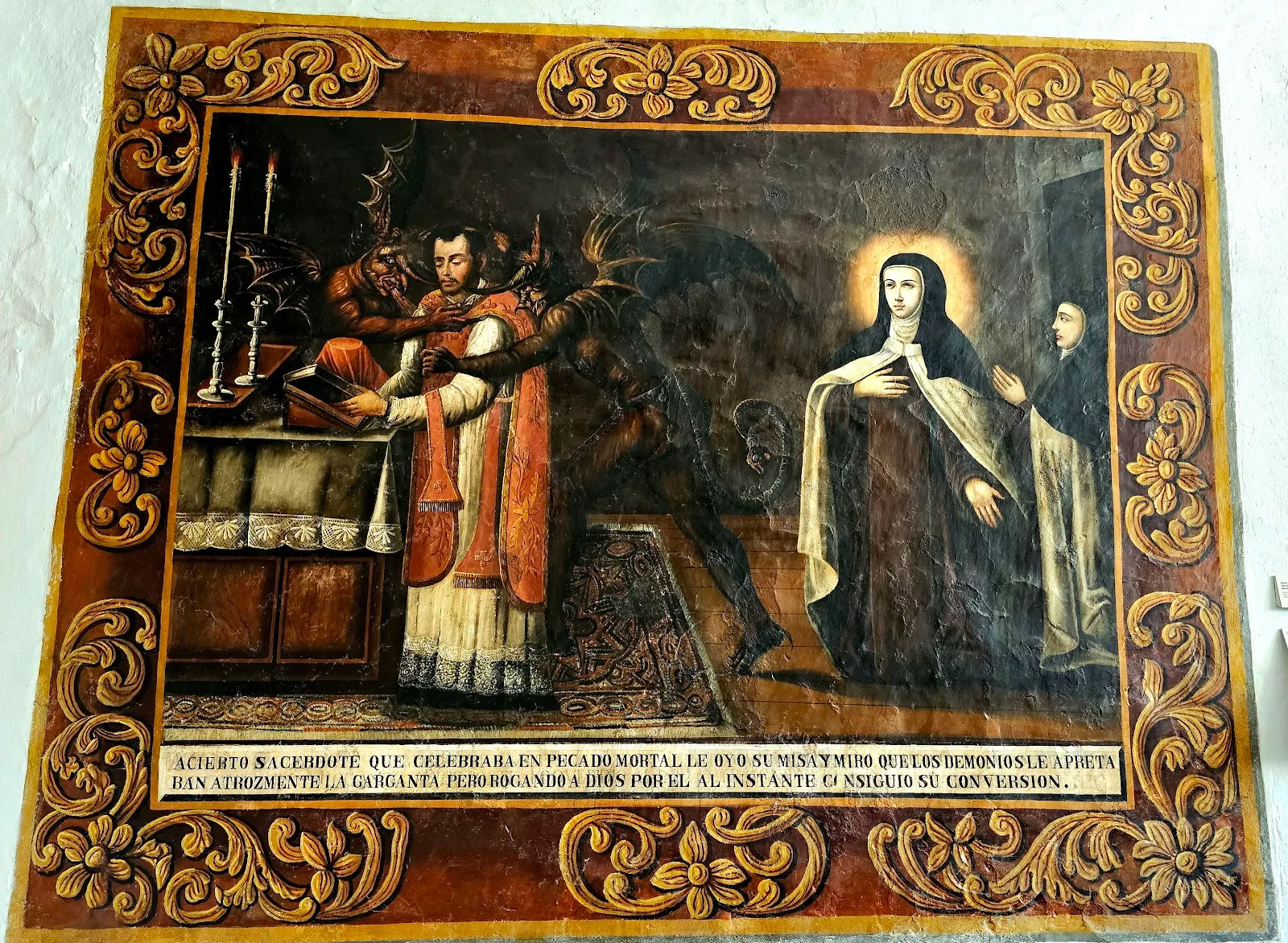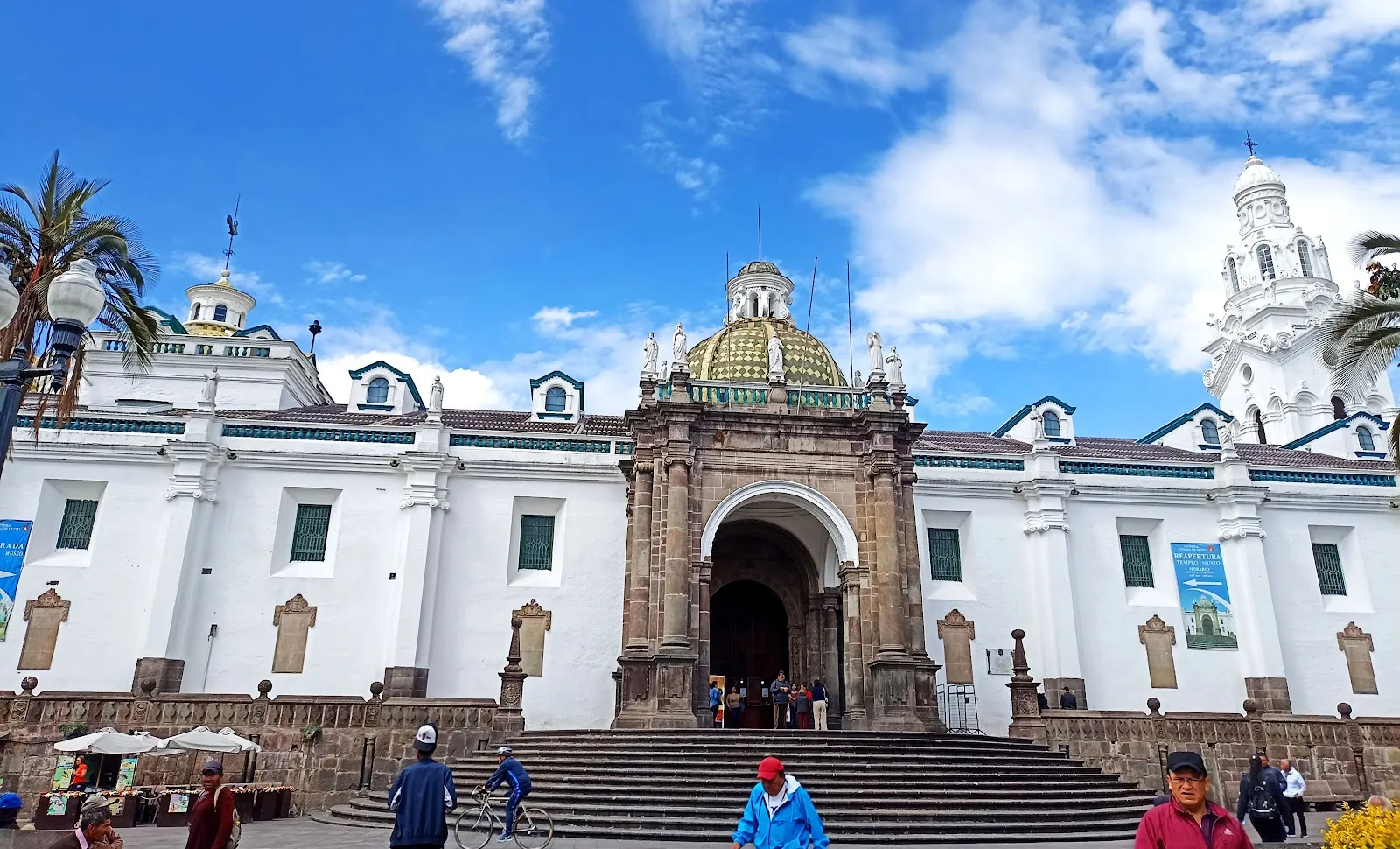
Facing Plaza Grande in Quito’s historic center, the Metropolitan Cathedral combines Gothic arches, Moorish-influenced ceilings and Baroque altars. Inside, look for religious paintings and sculptures, including work associated with the Quito school of art, and the tomb of independence hero Antonio José de Sucre. The visit’s most unusual part is the rooftop route: narrow, winding stairs and tight passages lead to views over the cathedral’s checked green-and-yellow domes and the city. The climb is not suitable for everyone, but the interior and historic details make a worthwhile stop even if you stay below.
A cathedral shaped by several styles
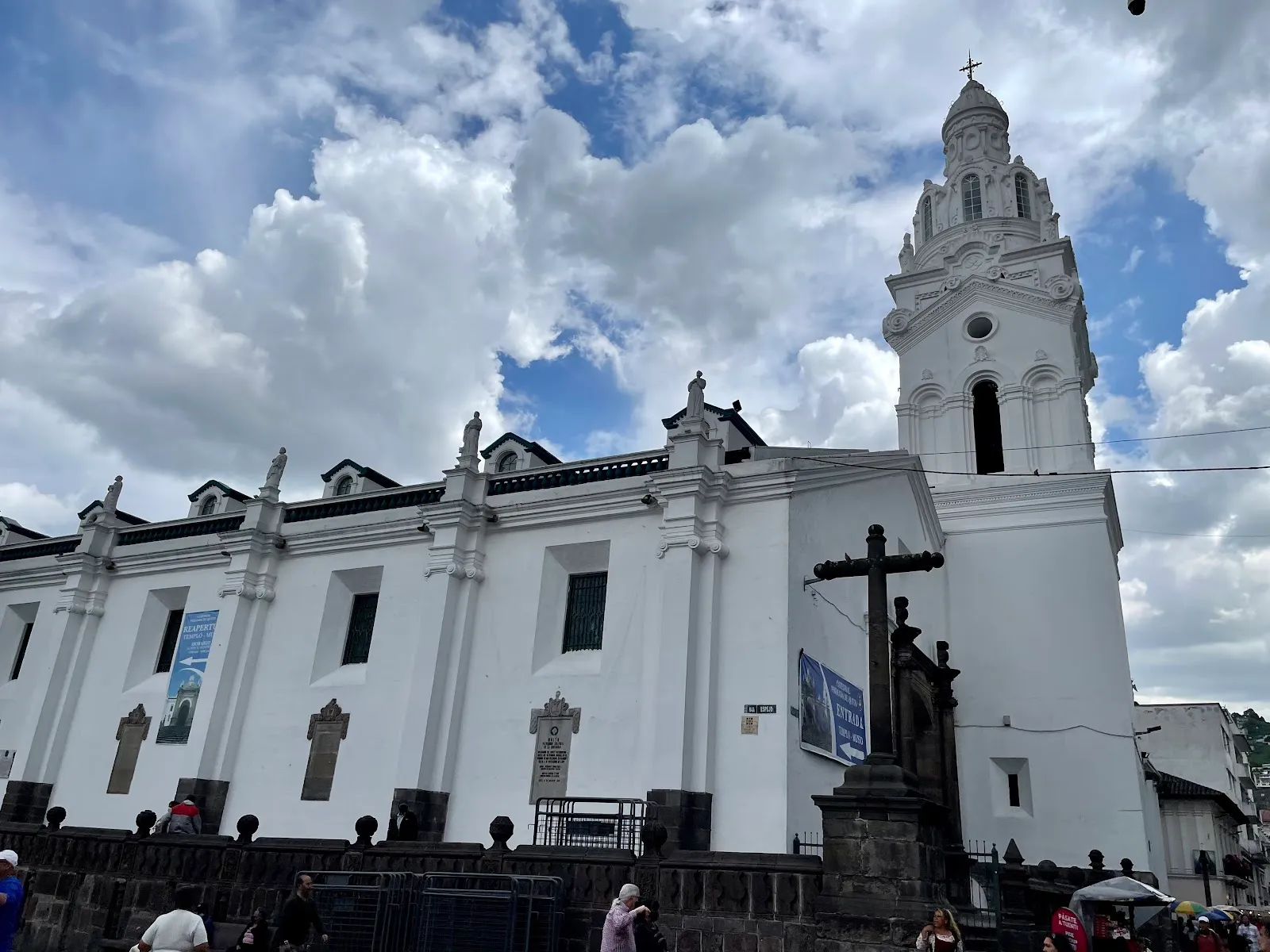
The Metropolitan Cathedral stands beside Plaza Grande, Quito’s main square, in the city’s historic center. Construction began in 1562, and the building was completed in 1806 after changes and restoration over time. It became Ecuador’s Priority Cathedral in 1995, a designation associated with major national events held there.
The architecture brings together several traditions. Gothic arches sit beneath ceilings with Moorish influence, while Baroque decoration appears in the main altar, choir and episcopal chair. The building is also described as Neoclassical, though its different elements do not fit one style alone.
Art, altars and historic figures
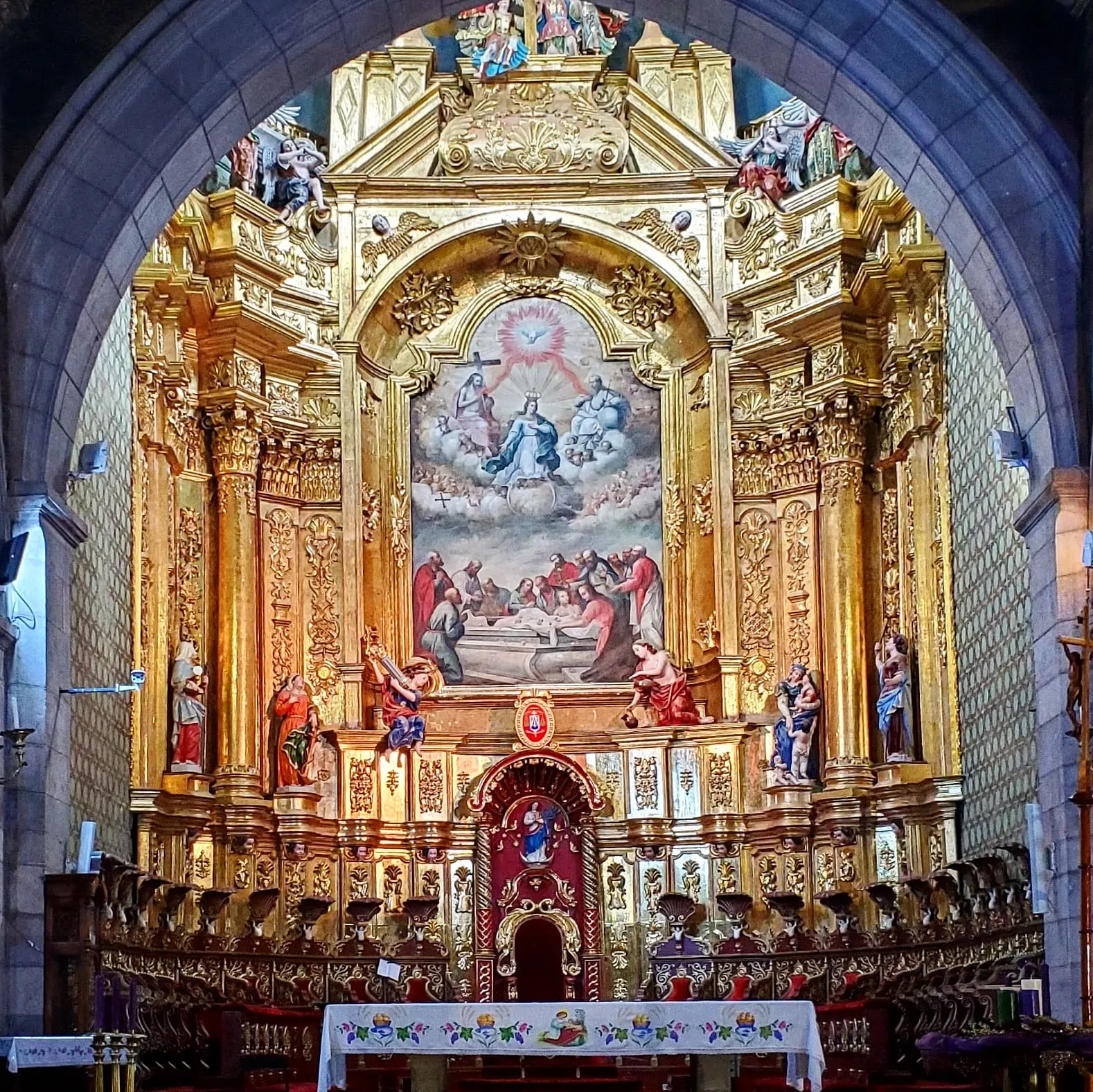
Inside, look for religious paintings, sculptures and decorated altars. The collection includes works associated with the Escuela Quiteña, the artistic tradition of Quito. The gilded high altar carries a painting of the Assumption by Manuel de Samaniego, and an altar has a representation of the Lamentation of Christ by the Ecuadorian sculptor Manuel Chili Caspicara.
The cathedral holds the tomb of Antonio José de Sucre, a leading figure in Ecuador’s independence. A plaque marks the place associated with President Gabriel García Moreno’s death in 1875, after he was attacked near the cathedral. Side rooms include a library with old books and a space known as the Hall of Bishops.
Reaching the rooftop
The rooftop route passes through small doors, narrow winding staircases and tight sections where visitors may need to negotiate obstacles. It is a demanding climb, and the confined passages can be difficult for people who are claustrophobic or have trouble with narrow spaces. Large backpacks can also make the route harder.
Ask cathedral staff where the access point is; it may not be obvious from the main interior. From the roof, views take in Quito’s historic center and landmarks including El Panecillo and the Basilica. You can still visit the church and its artworks without making the climb.
Häufige Fragen
Where is the Quito Metropolitan Cathedral?
It stands beside Plaza Grande, also called Plaza de la Independencia, in Quito’s historic center.
What can you see inside the cathedral?
The interior contains decorated altars, religious paintings and sculptures, the tomb of Antonio José de Sucre, and side rooms including a library and the Hall of Bishops.
Can you go up to the roof?
Yes. The route uses very narrow stairs and tight passages, so it may not suit visitors who are claustrophobic or carrying large backpacks.
How long should you allow for a visit?
Allow about 1 to 2 hours to see the interior and, if suitable for you, make the rooftop climb.